Advertisement
Your vehicle’s back glass (rear windshield) is far more than a simple window—it’s a critical safety component, a shield from the elements, and often a platform for advanced technology like defrost grids and backup cameras. Recognizing the early warning signs that your back glass needs professional attention is essential to prevent safety hazards, avoid costly repairs, and maintain the structural integrity of your car. In this guide, the AutoPartEx Technical Editorial Team breaks down how to spot trouble, what’s at stake if you ignore it, and the best steps to take for a safe, reliable solution.
If you’re looking to understand back glass issues specific to your vehicle, explore our Back Glass category for expert guidance and parts.
Immediate Answer: Key Signs Your Back Glass Needs Professional Attention
The most common and urgent signs that your back glass needs professional attention include:
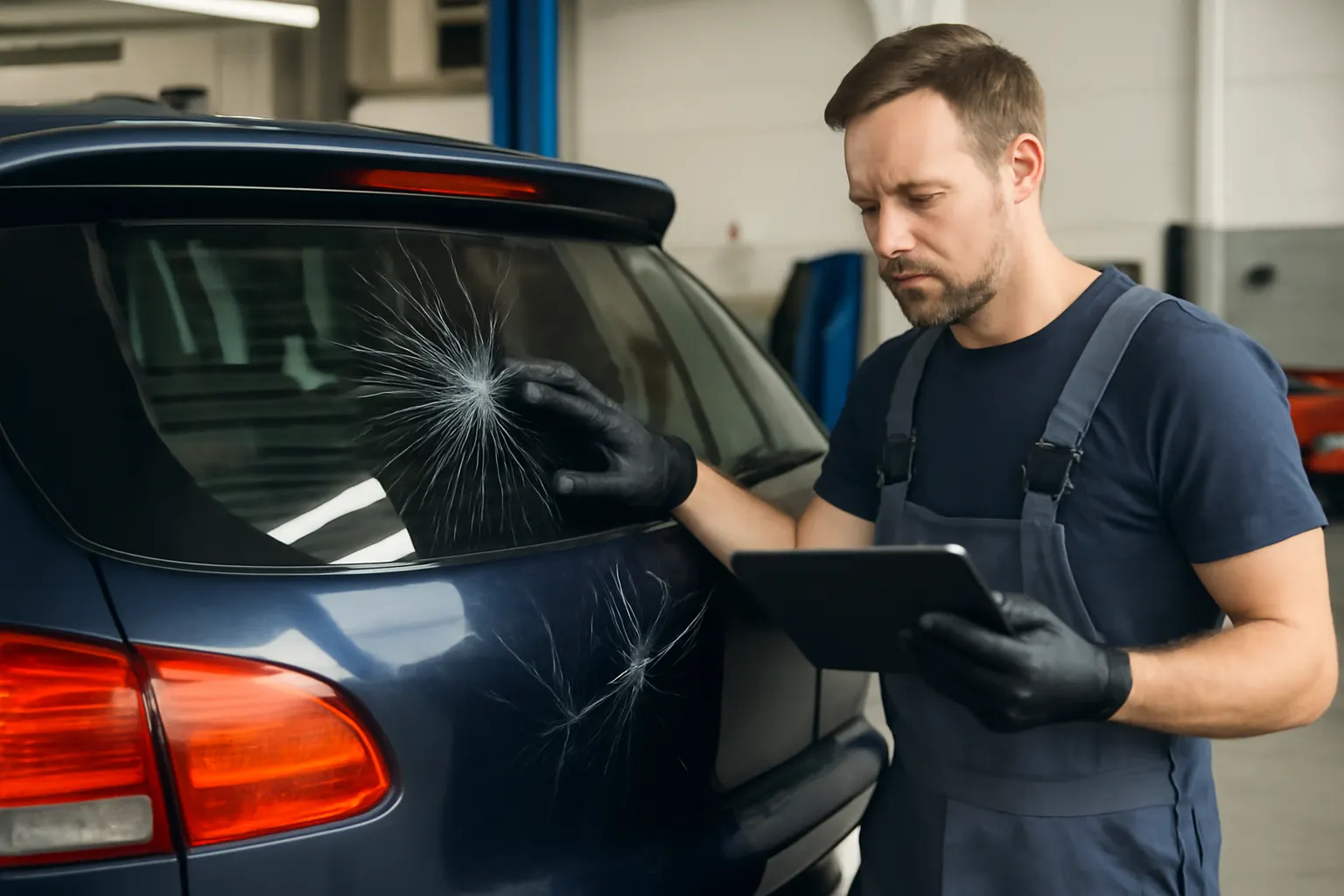
- Visible cracks, chips, or spiderweb patterns
- Water leaks or fogging inside the cabin after rain or washing
- Malfunctioning rear defrost system (uneven clearing or total failure)
- Distorted visibility, glare, or hazing
- Unusual rattling, popping, or wind noise from the rear
- Loose or missing trim, molding, or seals
- Electrical issues with embedded antennas or backup cameras
- Sudden increase in cabin noise or drafts
These symptoms are not just cosmetic—they can signal deeper safety or structural issues that may compromise your vehicle’s crashworthiness, weather resistance, and technological functionality. Ignoring them can turn a minor repair into a major replacement, or worse, a safety hazard.
The Hidden Problem: Why Back Glass Issues Escalate
Many drivers underestimate the importance of rear glass, seeing it as less critical than the windshield. However, the back glass plays several vital roles:
- Structural Support: It contributes to the overall rigidity of the vehicle body, especially during rear-end collisions.
- Occupant Protection: Properly installed glass keeps passengers and cargo safely inside during accidents.
- Technology Integration: Modern back glass often houses defrost grids, antennas, and even backup cameras, making it a tech hub vulnerable to electrical and moisture damage.
- Weatherproofing: Rear glass seals out rain, dust, and wind, preserving interior comfort and preventing damage to sensitive electronics.
Failure in any of these areas can escalate quickly. For example, a small chip can become a large crack from thermal stress or vibration, while a failed seal can cause water intrusion, leading to mold, electrical shorts, or corrosion. According to the National Highway Traffic Safety Administration (NHTSA), defective or improperly maintained vehicle glass is a significant factor in vehicle safety equipment failures.
Understanding the Deeper Technical Risks
Structural Integrity and Crash Safety
Automotive glass is engineered to precise standards for strength and impact resistance. The back glass, often made from tempered safety glass, is designed to shatter into small, blunt pieces to minimize injury in a collision. However, any compromise in its structure—such as a crack or improper installation—reduces its effectiveness, undermining the vehicle’s structural integrity during a rear impact.
Water Leaks and Secondary Damage
Even minor leaks around the back glass can lead to major problems. Persistent moisture can:
- Soak seat upholstery and carpets, leading to mold and odors
- Corrode electrical connectors or control modules housed in the rear
- Short out rear defroster grids or backup camera wiring
- Cause adhesive failure, risking glass detachment
Technology Failures
Modern vehicles integrate multiple systems into the rear glass, including:
- Defrost/Defogger Grids: Thin metallic lines that clear condensation or ice
- Embedded Antennas: For radio, GPS, or keyless entry
- Backup Cameras: Often mounted just above or within the back glass
Damage to the glass or its connectors can disable these features, reducing safety and convenience.
Advertisement
Common Warning Signs: A Detailed Checklist
Recognizing trouble early can save you money and reduce risk. Use this checklist to assess your back glass:
| Symptom | What It Means | Urgency | Action Needed |
|---|---|---|---|
| Cracks or chips | Structural compromise, risk of shattering | High | Professional inspection ASAP |
| Water leaks or interior fogging | Seal failure, possible corrosion/mold | High | Resealing or replacement |
| Defrost grid not working | Broken circuit, electrical issue | Medium-High | Grid repair or glass replacement |
| Hazy or distorted view | Pitting, delamination, or moisture ingress | Medium | Cleaning or replacement |
| Rattling or wind noise | Loose mounting, failing adhesive/seal | Medium-High | Immediate inspection |
| Missing or cracked trim | Increased leak and detachment risk | Medium | Replace trim/seal |
| Backup camera failure | Electrical connector or glass issue | Medium | Diagnostic check |
| Sudden increase in cabin noise | Seal or mounting issue | Medium | Inspection and repair |
If you check “yes” to any of these, it’s time to consult a professional or visit a trusted auto glass specialist.
Diagnosing Back Glass Issues: Step-by-Step
1. Visual Inspection
Begin with a thorough visual check:
- Examine the entire glass surface for chips, cracks, or spiderweb patterns.
- Check the edges for signs of delamination (milky or cloudy bands).
- Inspect the surrounding trim and seals for gaps, hardening, or missing sections.
- Look for water stains or rust near the rear parcel shelf or trunk.
2. Functional Test
- Activate the rear defrost and observe if all sections clear evenly.
- Test the backup camera for image clarity and responsiveness.
- Listen for unusual noises (rattling, whistling) at highway speeds.
3. Leak Check
- After a car wash or rain, inspect the interior for dampness, fogging, or water pooling.
- Use a garden hose to simulate rain and watch for drips or seepage.
4. Electrical System Check
- If equipped, verify radio/GPS signal strength (embedded antennas).
- Check for dashboard warning lights related to rear glass features.
The Role of Automotive Glass Safety Standards
Back glass is subject to rigorous safety standards, including those from the National Highway Traffic Safety Administration (NHTSA) and SAE International. These standards cover:
- Glass composition and impact resistance
- Adhesive bond strength
- Defrost grid electrical safety
- Optical clarity and distortion limits
- Proper fitment and installation procedures
Non-compliant or poorly installed glass may not provide adequate protection in a crash, and could even violate local safety regulations. For more, see our guide to Understanding Automotive Glass Safety Standards.
Why DIY Repairs Can Be Risky
While small chips in windshields sometimes respond to DIY repair kits, back glass is a different story:
- Tempered glass cannot be safely drilled or injected with resin. Attempting to fix cracks often leads to full shattering.
- Defrost grids and embedded electronics are extremely delicate. Amateur repairs can break these systems beyond repair.
- Proper sealing requires specialized adhesives and curing methods. Home fixes with silicone or hardware store caulk won’t last and may allow leaks or detachment.
For a detailed comparison, check out Professional vs DIY Glass Replacement: What You Need to Know.
When To Choose Repair vs. Replacement
Repair (Rare for Back Glass)
- Very small chips (less than a pencil eraser) away from the edges
- No damage to defrost grids, embedded electronics, or seals
Replacement (Most Cases)
- Any crack, especially extending to the edge of the glass
- Multiple chips or spiderweb patterns
- Damage to defrost grid, antenna, or backup camera wiring
- Persistent leaks, even after resealing attempts
- Severe pitting, clouding, or delamination
Unlike windshields, most back glass damage is not repairable due to the nature of tempered glass and technology integration.
The Professional Solution Path
1. Expert Assessment
A certified auto glass technician will:
- Inspect the damage and assess structural, electrical, and sealing integrity
- Test all integrated systems (defrost, antenna, camera)
- Recommend repair or replacement based on safety and cost-effectiveness
2. Sourcing the Correct Part
OEM or high-quality aftermarket back glass is essential for:
Advertisement
- Precise fit and finish
- Compatibility with integrated systems
- Compliance with safety standards
AutoPartEx offers a comprehensive Back Glass selection, including model-specific options and technology packages.
3. Professional Installation
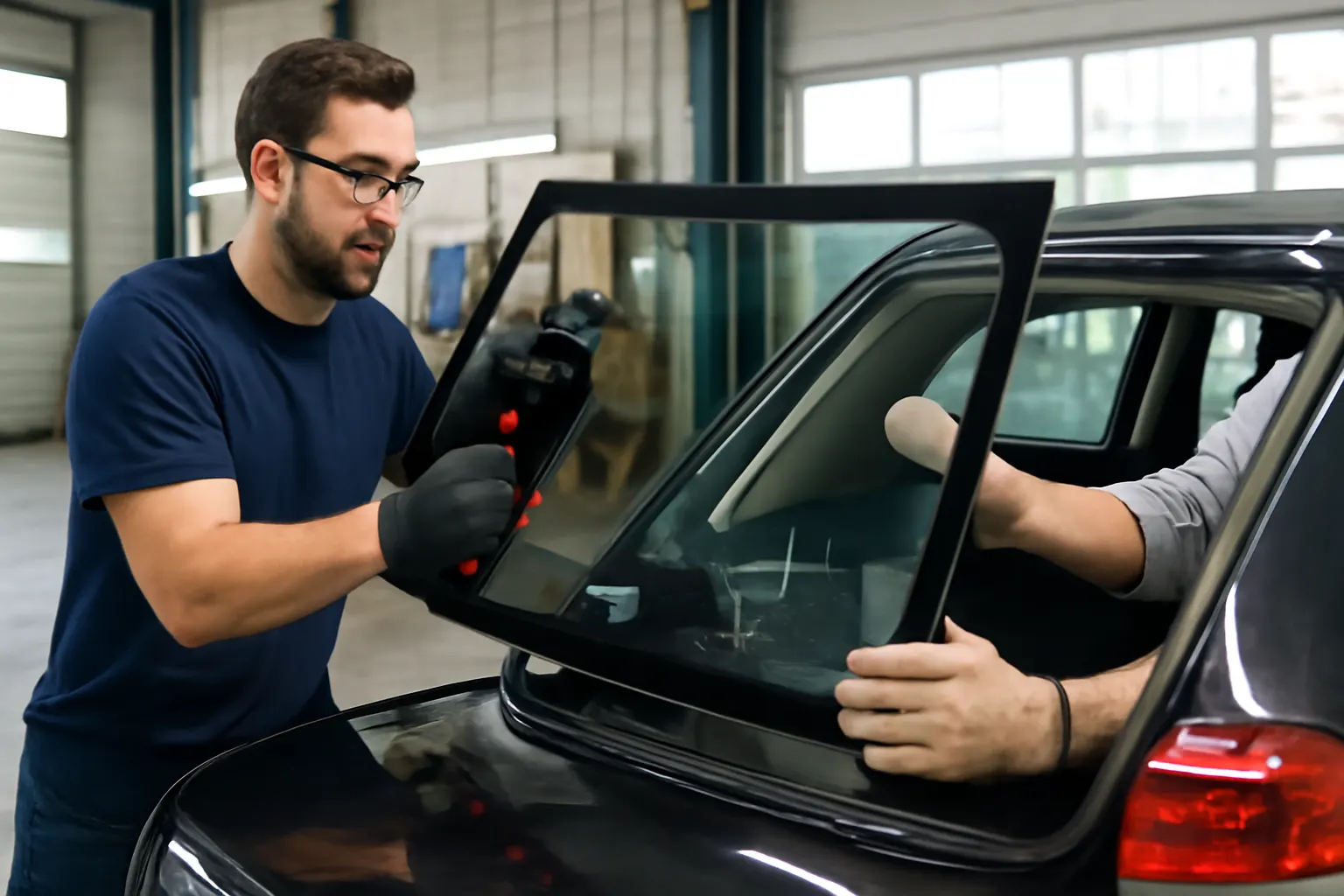
Proper installation includes:
- Removing old glass and adhesive without damaging the body
- Preparing the surface (cleaning, rust treatment if needed)
- Applying manufacturer-approved adhesives and curing them to spec
- Testing all integrated systems and verifying seal integrity
4. Post-Installation Inspection
- Check for leaks, wind noise, or rattles
- Test rear defrost, antenna, and camera functions
- Inspect for proper alignment and trim fit
Maintenance Tips to Extend Back Glass Life
- Avoid slamming the trunk or hatch: Sudden impacts stress the glass and seals.
- Keep the glass clean: Use non-abrasive cleaners to prevent scratching defrost grids.
- Inspect seals and trim regularly: Look for hardening, cracking, or gaps.
- Park in shade or garage when possible: Reduces thermal cycling and UV damage.
- Clear snow and ice gently: Use plastic tools and avoid chipping at the glass.
- Promptly address chips or cracks: Small issues can escalate rapidly in rear glass.
Technology Integration: Modern Back Glass Features
Today’s back glass is more than just a window. Depending on your vehicle, it may include:
- Rear window defoggers/defrosters (see our defrost system guide)
- Embedded radio or GPS antennas
- Backup camera mounts and wiring (backup camera)
- Tinting, UV, or acoustic insulation layers
- Smart glass or privacy glass options
Damage or improper installation can affect all these systems. For a deep dive on how these technologies are integrated, see Modern Vehicle Glass Technology Integration.
What to Ask Your Auto Glass Professional
Before committing to a repair or replacement, ask:
- Is the replacement glass OEM, or does it meet/exceed SAE and NHTSA standards?
- Will all integrated systems (defrost, antenna, camera) be tested and reconnected?
- What warranty is offered on parts and workmanship?
- Will the adhesive and installation process meet manufacturer specifications?
- How long should you wait before driving or washing the vehicle?
A reputable shop should provide clear answers and detailed documentation.
Sourcing and Fitment Guidance
Not all back glass is created equal. When sourcing a replacement:
- Match by VIN: Ensures correct fitment and technology package.
- Check for model-year changes: Even small differences in body style can affect glass shape and mounting.
- Specify tint, defrost, and antenna options: Some vehicles offer multiple rear glass variants.
- Consult a trusted supplier: AutoPartEx provides detailed fitment guides and expert support for all major makes and models.
If your vehicle has a specialty back door or hatch, see our back door page for additional parts and guidance.
The Cost of Ignoring Back Glass Problems
Delaying back glass repairs can lead to:
- Safety risks: Reduced crash protection, increased risk of ejection or injury
- Water damage: Mold, mildew, ruined upholstery, and electrical shorts
- Technology failures: Loss of defrost, antenna, or backup camera function
- Legal trouble: Some states require all vehicle glass to be in good condition
- Higher repair costs: Small leaks or chips can become full replacements if neglected
According to the NHTSA, equipment failures—including glass—are a leading cause of recall and vehicle inspection failures.
AutoPartEx: Your Partner in Safe, Reliable Back Glass Solutions
At AutoPartEx, we understand that your vehicle’s back glass is about much more than visibility. It’s a crucial safety, comfort, and technology component. Our team provides:
- Expert fitment support: Ensuring you get the right glass for your make, model, and year
- Quality assurance: All glass meets or exceeds federal and SAE standards
- Guidance on installation and technology integration: From defrost grids to backup cameras
- Educational resources: Explore our Back Glass category or connect with our technical team for tailored advice
Don’t wait for a minor issue to become a major problem. If you notice any of the signs discussed above, consult an AutoPartEx expert or a trusted local professional today.
References
Advertisement