
Rear Axle Assy (RWD)
Rear Axle Assy (RWD): Considerations for Selection and Service
Rear axle assemblies for rear-wheel drive (RWD) vehicles are often overlooked until a problem arises. Yet, understanding their selection and service is crucial for vehicle longevity and performance. This guide highlights what buyers and owners should consider before purchasing or replacing a Rear Axle Assy (RWD), offering practical steps and evidence-based advice to help you make informed decisions.
Showing 1–8 of 110 products


More Rear Axle Assy (RWD) options
Filtering for Rear Axle Assy (RWD)Browse nearby inventory for this category without leaving the page. Use search to filter by price, part number, or city.
No Data Available
Please check back soon when more inventory is available for this part.
Rear Axle Assy (RWD): Considerations for Selection and Service
Why Rear Axle Assembly Details Matter More Than You Think
Many vehicle owners rarely think about the rear axle assembly until they encounter a noticeable issue, such as strange noises or reduced performance. However, the rear axle is a critical component in rear-wheel drive (RWD) vehicles, responsible for transmitting power from the driveshaft to the wheels. Overlooking its condition or choosing a replacement without careful consideration can lead to unexpected complications, from poor handling to costly repeat repairs. Recognizing the importance of this part is the first step toward maintaining your vehicle’s reliability.
One often-overlooked factor is the diversity of rear axle assemblies available even within the same make and model. Variations in gear ratios, differential types, and mounting configurations mean that not every rear axle assembly labeled for a particular vehicle will fit or perform as expected. This complexity makes it essential for buyers to look beyond superficial compatibility claims and verify the specifics before making a purchase. A mismatch can result in improper fitment, safety concerns, or diminished driving experience.
Additionally, the source and condition of a replacement rear axle assembly play a significant role in long-term satisfaction. Assemblies sourced from salvage yards, remanufacturers, or aftermarket suppliers each come with unique considerations. Understanding the differences—such as the history of a salvage part versus the potential upgrades in a remanufactured unit—can help prevent future headaches. This guide will walk you through the key issues, practical steps, and published evidence to support a confident, informed decision.

Understanding Rear Axle Assembly Issues and Technical Context
Rear axle assemblies in RWD vehicles are subjected to significant mechanical stress, handling both the propulsion and much of the vehicle’s weight. Over time, this stress can lead to wear or failure of internal gears, bearings, seals, or the housing itself. Symptoms often include unusual noises (such as whining, clunking, or grinding), vibrations, or visible leaks. These issues can arise from normal wear, inadequate lubrication, or improper installation of previous replacements. Ignoring early warning signs can allow minor problems to escalate into major failures, potentially resulting in vehicle immobility or safety hazards.
The technical context for rear axle assemblies is more intricate than many owners realize. Each assembly is designed with a specific gear ratio, which directly affects acceleration, fuel economy, and speedometer accuracy. Additionally, the presence of features such as limited-slip or locking differentials can dramatically change how the vehicle handles in various driving conditions. Selecting an axle assembly without matching these specifications to your vehicle’s original equipment can lead to performance mismatches or even mechanical incompatibility.
Another common issue involves the condition and provenance of replacement assemblies. Salvage parts, for example, may have unknown histories or undetected internal damage, while remanufactured units might incorporate upgraded components or revised designs. Buyers must weigh the risks and benefits of each source, considering not only price but also the likelihood of long-term reliability. The Federal Trade Commission (FTC) notes that salvage parts are taken from another vehicle without alteration, while remanufactured parts are rebuilt to restore function, highlighting the importance of understanding what you are purchasing FTC: Auto Repair Basics.
Fitment verification is another technical hurdle. Catalog listings and seller claims do not guarantee that a rear axle assembly will fit your specific vehicle. Variations in axle width, mounting points, brake configurations, and sensor provisions may exist even among vehicles of the same year and model. This makes it crucial to cross-reference part numbers, compare physical dimensions, and, when possible, consult technical documentation or a knowledgeable technician before committing to a purchase.
Regulatory and safety considerations further complicate the picture. In the United States, the National Highway Traffic Safety Administration (NHTSA) oversees recalls related to vehicle safety, including axle assemblies. However, a recall database search by year, make, and model only provides general information and does not confirm that a specific vehicle or part is affected. Only a VIN-based search can determine if a particular vehicle has an unrepaired recall NHTSA: Vehicle Recalls. This distinction is important for buyers seeking assurance about the safety and compliance of a replacement axle assembly.
Finally, the actual installation and integration of a rear axle assembly require technical expertise. Improper installation can lead to premature wear, leaks, or even catastrophic failure. It is essential to ensure that the technician performing the work has experience with your vehicle’s make and model, as recommended by the FTC FTC: Auto Repair Basics. Proper documentation of the work performed, including parts used and labor details, is also crucial for future reference and potential warranty claims.
A Practical Guide to Selecting and Servicing a Rear Axle Assy (RWD)
Start by accurately identifying your vehicle’s requirements. Gather your vehicle’s VIN, original axle ratio, differential type, and any unique features such as ABS sensor provisions or specific mounting hardware. This information is often found in the owner’s manual, a build sheet, or by decoding the VIN. If you are unsure, consult a dealership or a trusted technician to confirm the exact specifications needed for your replacement axle assembly. This step helps prevent costly fitment errors and ensures that the replacement will match your vehicle’s performance and safety standards.
Next, compare the available replacement options. Salvage, remanufactured, and new assemblies each have distinct advantages and drawbacks. Salvage parts may offer cost savings but come with unknown wear and limited recourse if problems arise. Remanufactured assemblies are rebuilt to restore function and may include upgraded components, but quality can vary between suppliers. New assemblies typically offer the greatest assurance of longevity but at a premium price. The FTC recommends asking whether a technician has experience with your make and model and obtaining a written estimate before authorizing repairs FTC: Auto Repair Basics.
Verify compatibility using more than just catalog listings or seller assurances. Cross-reference part numbers, physical measurements, and any relevant technical service bulletins. If possible, request detailed photographs of the actual assembly for sale and compare them with your existing unit. Pay close attention to mounting points, brake configurations, and sensor provisions. This diligence helps avoid surprises during installation and reduces the risk of purchasing an incompatible or incomplete assembly. For further guidance, see our Rear Axle Assy (RWD) category.
Before committing to a purchase, inquire about the source and condition of the assembly. Ask whether the part is new, remanufactured, or salvage, and request documentation or a warranty if available. Salvage parts should be inspected for signs of damage, corrosion, or excessive wear. Remanufactured units should come with a record of the rebuilding process and any upgraded components. Understanding the part’s history helps you gauge its likely reliability and value.
Upon receiving the replacement assembly, perform a thorough inspection before installation. Check for shipping damage, missing components, or discrepancies from the listed specifications. If possible, have a qualified technician perform a bench test to verify the smooth operation of gears and bearings. Address any concerns before proceeding with installation to avoid complications down the line. For common diagnostic tips, see How to Diagnose Rear Axle Noise and Vibration.
During installation, follow manufacturer-recommended procedures and torque specifications. Use new seals and gaskets as needed to prevent leaks, and ensure that all fasteners are properly tightened. If your vehicle requires specific gear oil or additives for limited-slip differentials, use only the recommended products. After installation, check for leaks, unusual noises, or vibrations during a test drive. Early detection of issues can prevent further damage and ensure a successful repair.
Document the entire process, including the source of the replacement part, installation steps, and any issues encountered. Keep copies of receipts, warranty information, and a completed repair order listing the work performed, as advised by the FTC FTC: Auto Repair Basics. This documentation can be invaluable for future maintenance, resale, or warranty claims. If you encounter unexpected problems, seek a second opinion from a qualified technician before authorizing additional repairs.
Finally, stay proactive by monitoring your vehicle’s performance and scheduling periodic inspections of the rear axle assembly. Listen for changes in noise or vibration, check for leaks, and follow the manufacturer’s recommended maintenance intervals. If you suspect an issue, address it promptly to avoid more extensive repairs. For more on preventing leaks and failures, see Rear Axle Seal Replacement: Preventing Leaks and Failures.
Published Evidence and Reliable Guidance for Rear Axle Assy (RWD) Decisions
The Federal Trade Commission’s auto repair guidance provides a foundation for sound decision-making when replacing major components like a rear axle assembly. The FTC emphasizes the importance of obtaining a written repair estimate that details the condition to be repaired, the required parts, and anticipated labor charges. This approach is particularly relevant for rear axle assemblies, which can involve significant expense and complexity. The FTC also advises consumers to seek a second opinion for expensive or complicated repairs and to ask whether the technician has experience with the same make or model. These recommendations are not vehicle-specific but underscore the need for due diligence and clear communication with repair professionals FTC: Auto Repair Basics.
The FTC further distinguishes between new, remanufactured, and salvage parts, noting that salvage parts are taken from another vehicle without alteration, while remanufactured parts are rebuilt to restore function. This distinction is crucial for buyers evaluating rear axle assemblies, as it affects both price and expected reliability. The FTC’s guidance does not guarantee the quality of any particular part or seller but encourages consumers to understand what they are purchasing and to obtain a completed repair order listing the work performed, parts used, and costs incurred. This evidence supports the practical steps outlined in the solution section, particularly regarding documentation and part selection FTC: Auto Repair Basics.
NHTSA’s recall database is a critical resource for buyers concerned about safety-related defects in rear axle assemblies. The database allows users to search for recalls by VIN, providing specific information about unrepaired recalls for a particular vehicle. However, searching by year, make, and model yields only general results and does not confirm that a specific vehicle or part is affected. This limitation means that buyers cannot rely solely on catalog listings or general recall information when assessing the safety of a replacement axle assembly. Instead, a VIN-based search is necessary for definitive recall status NHTSA: Vehicle Recalls.
NHTSA also outlines the recall process, which begins with consumer complaints and may lead to investigations and, ultimately, manufacturer-initiated recalls. Manufacturers are required to notify registered owners of recalls and to provide a remedy, such as repair, replacement, or refund. NHTSA monitors the effectiveness of recalls and ensures that owners receive safe and effective remedies. This regulatory framework provides a measure of consumer protection but does not guarantee that every safety issue will be addressed unless it is formally recognized as a recall. Buyers should remain vigilant and use available resources to verify the status of any replacement part NHTSA: Vehicle Recalls.
The FTC’s guidance on repair documentation is particularly relevant for rear axle assembly replacements. The agency advises consumers to obtain a completed repair order that lists the work performed, parts used, costs, and odometer readings. This documentation is valuable not only for warranty claims but also for future maintenance and resale. The FTC also notes that there is no standard warranty on repairs, so consumers should understand any coverage offered and get it in writing. These recommendations reinforce the importance of thorough record-keeping and clear communication with repair professionals FTC: Auto Repair Basics.
Neither the FTC nor NHTSA provides technical specifications or service intervals for specific vehicles or rear axle assemblies. Instead, they offer general consumer guidance and regulatory oversight. This means that buyers must rely on manufacturer documentation, technical service bulletins, and experienced technicians to verify fitment and installation procedures. The absence of vehicle-specific technical evidence in these sources highlights the need for careful comparison and consultation when selecting a rear axle assembly.
In summary, the published evidence supports a methodical, well-documented approach to rear axle assembly selection and service. The FTC and NHTSA provide valuable consumer protection and guidance but do not guarantee the quality or compatibility of any particular part. Buyers should use these resources as part of a broader strategy that includes technical verification, documentation, and consultation with experienced professionals. By following these steps, vehicle owners can make informed decisions and minimize the risks associated with rear axle assembly replacement.
Take the Next Step Toward Confident Rear Axle Service
Whether you are replacing a worn assembly or upgrading for performance, a careful, evidence-based approach will help ensure the right fit and long-term reliability. Review your vehicle’s specifications, compare part options, and consult trusted professionals before making a decision. Document your process and keep records for future reference. For more guidance, explore our Rear Axle Assy (RWD) category or reach out to a qualified technician for personalized advice.
References
- NHTSA: Vehicle Recalls
- FTC: Auto Repair Basics
References
- NHTSA: Vehicle Recalls - NHTSA, accessed 2026-11-01
- FTC: Auto Repair Basics - FTC, accessed 2026-11-01
Related Guides & Articles

How to Diagnose Rear Axle Noise and Vibration
Rear axle noise and vibration are more than just comfort issues. Unchecked, they often indicate mechanical wear, misalignment, or damage within the axle assembly, differential, or related drivetrain components. Ignoring these symptoms can lead to catastrophic axle failure, increased repair costs, and potential safety hazards. According to NHTSA guidelines, abnormal drivetrain noises should be promptly investigated to ensure vehicle safety and reliability. Many rear axle noises and vibrations are mistakenly attributed to tires, suspension, or even interior components.
View Guide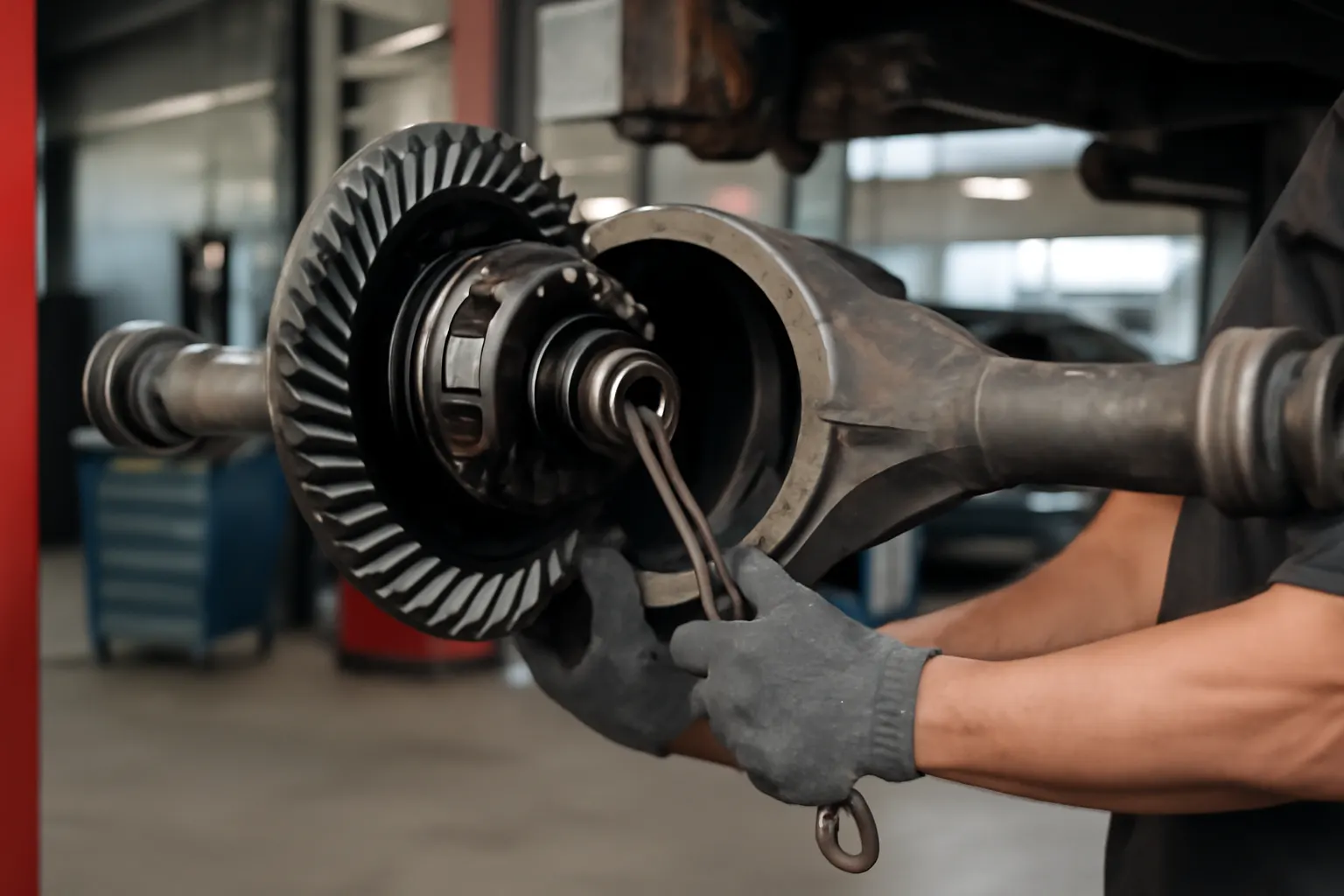
Choosing the Right Gear Ratio for Your RWD Vehicle
Selecting the optimal gear ratio for your rear-wheel drive (RWD) vehicle is a pivotal decision that directly influences performance, fuel economy, and towing capability. Whether you're driving a daily commuter, a performance car, or a workhorse truck, the gear ratio in your Rear Axle Assembly (RWD) sets the tone for how your vehicle behaves on the road, at the track, or on the job.
Read More
Rear Axle Seal Replacement: Preventing Leaks and Failures
Rear axle seals serve as the primary barrier preventing differential oil from escaping the axle housing and contaminating the brakes, wheels, and surrounding components. When functioning correctly, these seals allow your RWD vehicle to maintain optimal lubrication inside the differential, reduce friction, and prevent premature wear of critical parts. Timely replacement of worn or leaking seals is essential for: Preventing costly differential and bearing failures Maintaining fuel efficiency by minimizing drivetrain drag Ensuring vehicle safety by avoiding oil-contaminated brake components…
View Guide
Performance Upgrades: Limited-Slip vs. Locking Differentials
For most RWD street and track enthusiasts, a limited-slip differential (LSD) is the ideal upgrade. LSDs provide improved traction and predictable cornering by distributing torque to the wheel with the most grip, reducing wheelspin and enhancing overall stability. Locking differentials, on the other hand, deliver maximum traction by mechanically locking both wheels together, making them indispensable for off-road, rock crawling, or drag racing applications where outright grip is paramount. However, lockers can compromise handling and drivability on pavement.
Read More