Advertisement
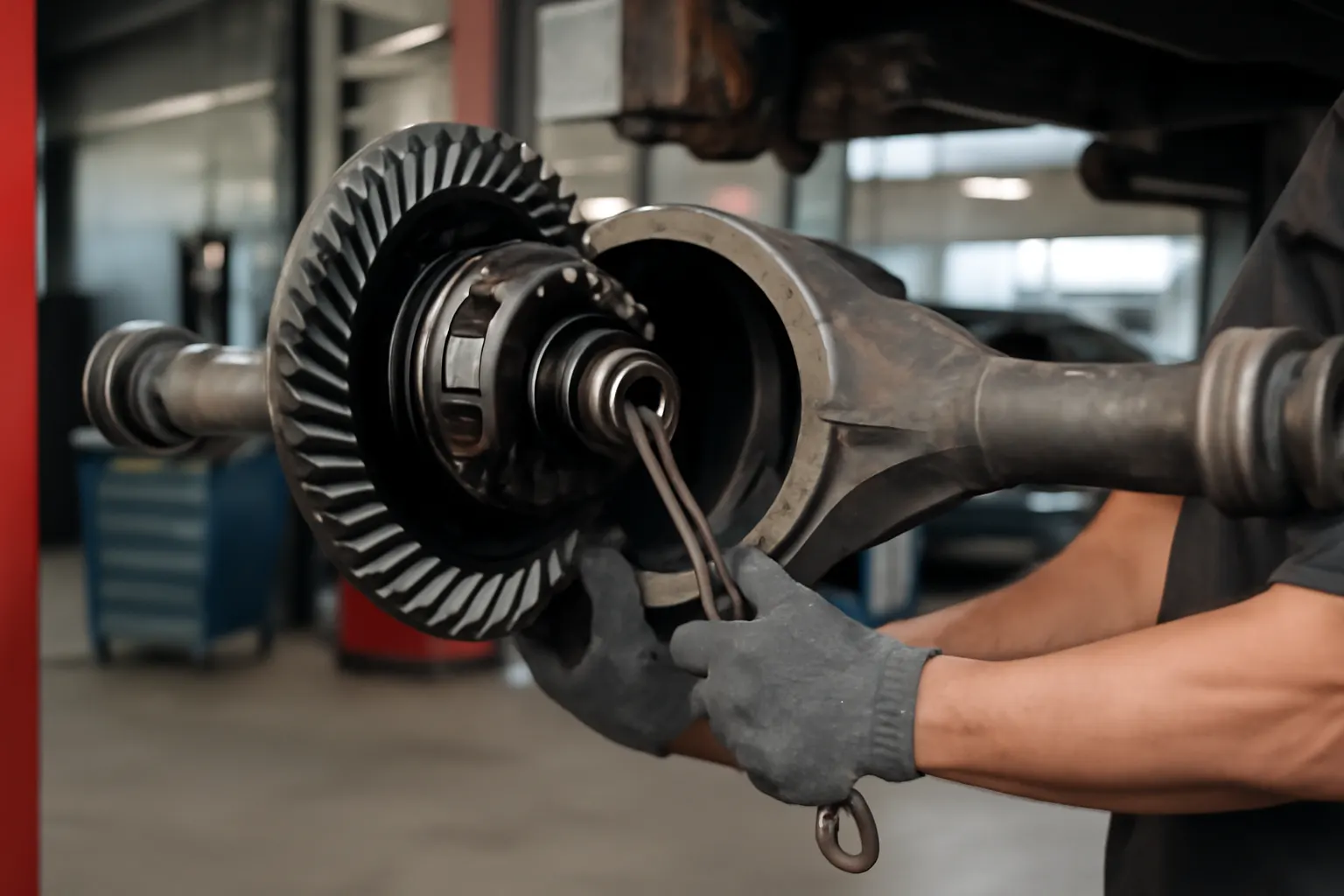
When it comes to extracting the most out of your rear-wheel drive (RWD) vehicle’s performance, few upgrades have as profound an impact as swapping the differential. The choice between a limited-slip differential (LSD) and a locking differential is pivotal—each offers unique traction characteristics, handling benefits, and maintenance considerations. In this technical comparison, we’ll break down the real-world differences, hidden pitfalls, and best-fit applications for both differential types, ensuring you make the right upgrade for your driving style and vehicle. If you’re seeking the ultimate in RWD performance, understanding your options at the Rear Axle Assembly (RWD) level is essential.
Immediate Answer: LSD vs. Locking Differential—Which Is Right for You?
For most RWD street and track enthusiasts, a limited-slip differential (LSD) is the ideal upgrade. LSDs provide improved traction and predictable cornering by distributing torque to the wheel with the most grip, reducing wheelspin and enhancing overall stability. Locking differentials, on the other hand, deliver maximum traction by mechanically locking both wheels together, making them indispensable for off-road, rock crawling, or drag racing applications where outright grip is paramount. However, lockers can compromise handling and drivability on pavement.
Key takeaway:
- Choose LSDs for spirited street driving, autocross, and track days.
- Opt for lockers if extreme off-road traction or straight-line launches are your priority.
The Hidden Problem: Why the Factory Differential Holds You Back
Most factory RWD vehicles, especially those designed for daily driving, come equipped with an open differential. This setup splits torque equally between both wheels but cannot compensate when one wheel loses grip—leading to the infamous “one-tire fire” during hard acceleration or on slippery surfaces. While open diffs are inexpensive and reliable, they severely limit performance in demanding conditions by allowing power to escape through the path of least resistance.
The result:
- Poor acceleration out of corners
- Inconsistent handling under load
- Reduced control in wet or loose conditions
- Frustrating wheelspin that leaves usable traction untapped
Without intervention, even the most powerful RWD car will struggle to put its power down effectively.
Differential Fundamentals: What Happens Inside the Rear Axle?
The differential is the heart of the Rear Axle Assembly (RWD): The Backbone of Rear-Wheel Drive Performance. Its primary function is to allow each driven wheel to rotate at different speeds—crucial for smooth cornering. But how a differential manages torque distribution under varying conditions determines its performance character.
Open Differential
- Torque Distribution: Splits torque evenly but sends most power to the wheel with the least resistance.
- Result: Loss of traction on one wheel = both wheels lose drive.
Limited-Slip Differential (LSD)
- Torque Bias: Uses clutch packs, gears, or fluid couplings to limit slip between wheels, sending more torque to the wheel with grip.
- Result: Improved traction, better acceleration, and more predictable handling.
Locking Differential
- Full Lock: Mechanically locks both axles together on demand or automatically.
- Result: Maximum traction—both wheels turn at the same speed, regardless of grip.
Limited-Slip Differentials: Types, Pros, and Cons
LSDs come in several designs, each with its own characteristics:
Clutch-Type (Plate) LSD
- How it Works: Uses spring-loaded clutch packs to limit slip; engages progressively as torque increases.
- Pros: Smooth engagement, tunable breakaway torque, widely used in performance vehicles.
- Cons: Clutch wear over time, requires maintenance and occasional rebuilds.
Helical (Torsen) LSD
- How it Works: Employs worm gears to bias torque without clutches.
- Pros: Virtually maintenance-free, smooth operation, no special friction modifiers required.
- Cons: Limited effectiveness if one wheel is completely off the ground.
Viscous LSD
- How it Works: Uses fluid-filled chambers that thicken under differential speed, transferring torque.
- Pros: Smooth, quiet, and requires little maintenance.
- Cons: Can overheat, slow to react, performance diminishes with fluid wear.
Advantages of LSDs:
- Enhanced traction during spirited driving or in inclement weather
- Predictable handling and corner exit acceleration
- Retains everyday drivability—no abrupt engagement
Drawbacks:
- More complex than open diffs—higher initial cost
- Maintenance required, especially for clutch-based LSDs
Locking Differentials: Types, Pros, and Cons
Locking differentials (lockers) are designed for scenarios where absolute traction is needed—think off-road, rock crawling, or drag strips.
Advertisement
Manual Lockers
- How it Works: Driver engages/disengages the lock via a switch, lever, or cable.
- Pros: Full control over engagement, no unwanted lockup during street driving.
- Cons: Requires driver input; improper use can cause drivetrain stress.
Automatic Lockers
- How it Works: Lock up automatically based on wheel speed or torque input.
- Pros: No driver intervention needed, always ready for traction.
- Cons: Can engage unexpectedly, affecting on-road handling.
Advantages of Lockers:
- Maximum traction when locked—both wheels turn together
- Essential for severe off-road, deep mud, or drag racing
Drawbacks:
- Poor cornering on pavement (tires scrub, increased understeer)
- No differential action when locked—can strain axles and drivetrain
- Increased tire wear and noise
Real-World Performance: Street, Track, and Off-Road Scenarios
Street and Track Use
For daily-driven RWD cars and track-day machines, LSDs shine. They provide the right balance of traction and handling, allowing for quick corner exits and confidence in variable conditions. The progressive engagement of an LSD ensures that power is sent to the wheel with grip, minimizing oversteer and wheelspin.
Off-Road and Competition Use
Lockers are the tool of choice for off-roaders and drag racers. In situations where one wheel might be airborne or on loose terrain, a locker guarantees that torque isn’t wasted. However, on paved surfaces, lockers can make handling unpredictable and are generally not recommended for regular street use.
Mixed-Use Vehicles
Some modern systems offer selectable lockers or advanced clutch-based LSDs with electronic control, bridging the gap for vehicles that see both street and off-road action.
Materials, Strength, and Weight: What Matters for Upgrades?
The choice of differential also influences the materials and construction of your rear axle assembly. Upgrading to an LSD or locker often means stronger internals—hardened steel gears, reinforced cases, and performance clutch packs.
- Materials Technology: Advanced materials, such as high-strength alloys and composite friction materials, can improve durability and reduce weight—contributing to both performance and fuel efficiency. The United States Department of Energy recommends leveraging modern materials for improved drivetrain performance and reduced unsprung mass Materials Technologies, DOE.
- Weight Considerations: While LSDs and lockers add some weight compared to open diffs, the performance gains typically outweigh the minor increase. Lighter, stronger materials are now common in aftermarket units.
Fuel Efficiency, Drivability, and Safety Considerations
Performance upgrades are most beneficial when they don’t compromise safety or fuel efficiency. LSDs generally have minimal impact on fuel economy when properly installed and maintained. Lockers, especially when left engaged, can increase rolling resistance and tire wear, affecting both efficiency and ride quality.
- Fuel Efficiency: According to the DOE, drivetrain modifications should be balanced with overall vehicle efficiency Fuel Efficiency, DOE.
- Safety: Proper installation and maintenance are critical. A malfunctioning LSD or locker can cause unpredictable handling or, in rare cases, drivetrain failure. Always ensure that upgraded differentials meet or exceed OEM safety standards NHTSA Equipment.
Diagnostic Checklist: Is Your Differential Holding You Back?
Before committing to a performance upgrade, assess your current differential’s condition and performance. Here’s a practical checklist:
Differential Diagnostic Checklist
- Do you notice excessive wheelspin during acceleration, especially out of corners?
- Is your vehicle struggling for traction in wet or loose conditions?
- Do you hear clunking, whining, or grinding noises from the rear axle?
- Is there visible fluid leakage around the differential housing?
- Has your vehicle’s handling become unpredictable or inconsistent?
- Are you experiencing uneven tire wear on the drive wheels?
- Have you recently increased engine power or changed tire size?
- Does your factory differential fail to meet your performance goals?
If you checked two or more boxes, it’s time to consider an upgrade and review our guide on How to Diagnose Rear Axle Noise and Vibration for a deeper dive.
Installation Considerations: Fitment, Tools, and Best Practices
Swapping in an LSD or locker is a technical job that requires precision, the right tools, and attention to detail:
Advertisement
Key Installation Steps
- Identify Axle Type: Confirm your rear axle model and compatibility with aftermarket differentials. Not all LSDs or lockers fit every housing.
- Remove Rear Axle Assembly: Disassemble the rear axle, remove the driveshaft, and extract the differential.
- Inspect Bearings and Seals: Replace worn or damaged bearings and seals to prevent leaks and noise.
- Set Gear Backlash and Preload: Use a dial indicator and torque wrench to ensure proper gear mesh—critical for longevity and noise-free operation.
- Install New LSD or Locker: Follow manufacturer instructions for torque specs, clutch preload (for LSDs), and carrier shimming.
- Reassemble and Fill with Correct Fluid: Use the recommended gear oil and friction modifiers if required (especially for clutch-type LSDs).
- Test Drive: Check for abnormal noises, leaks, or handling issues before returning the vehicle to regular use.
Tip: Many enthusiasts opt for professional installation—incorrect setup can quickly destroy a new differential or cause catastrophic axle failure.
Maintenance and Longevity: Keeping Your Upgrade Performing
Both LSDs and lockers require periodic maintenance to perform at their best:
LSD Maintenance
- Clutch-Type LSDs: Inspect and replace clutch packs as needed (typically every 60,000–100,000 miles, depending on use).
- Fluid Changes: Use the correct fluid and additives to prevent chatter and wear.
- Noise Monitoring: Listen for new noises—grinding or chattering may indicate worn internals.
Locker Maintenance
- Actuator Inspection: For selectable lockers, check cables, air lines, or electrical connections regularly.
- Gear Oil: Change oil after heavy use or off-road events to remove debris and moisture.
- Visual Checks: Inspect for cracks, broken teeth, or worn engagement mechanisms.
Best Practice: Schedule differential inspections alongside routine brake or axle maintenance, and address leaks promptly. For seal replacement guidance, see Rear Axle Seal Replacement: Preventing Leaks and Failures.
Sourcing and Selecting the Right Differential for Your RWD Build
The aftermarket offers a wide range of LSDs and lockers, each tailored to specific applications. Here’s how to choose:
- Application: Define your primary use (street, track, off-road, drag racing).
- Axle Compatibility: Match the upgrade to your rear axle model and gear ratio. For help, see Choosing the Right Gear Ratio for Your RWD Vehicle.
- Material Quality: Opt for reputable brands using high-strength steel and proven designs.
- Warranty and Support: Look for manufacturers with solid warranties and technical support.
- Budget: LSDs typically cost more upfront, but the improved drivability may justify the investment.
Pro Tip: Consult with experienced installers or trusted forums for application-specific recommendations—especially for classic or high-power builds.
Common Pitfalls and How to Avoid Them
Upgrading your differential is a significant investment. Avoid these common mistakes:
- Incorrect Fitment: Not all LSDs or lockers fit every axle. Double-check part numbers and housing dimensions.
- Improper Setup: Setting backlash or preload incorrectly can ruin gears and bearings.
- Ignoring Fluid Requirements: The wrong oil or missing additives can cause excessive wear or noise.
- Neglecting Supporting Components: Worn axles, bearings, or seals can undermine your upgrade.
- Overlooking Safety: Always torque fasteners to spec and use high-quality hardware—differential failures can be catastrophic at speed.
AutoPartEx Positioning: Your Partner for RWD Performance
At AutoPartEx, we understand that upgrading your Rear Axle Assembly (RWD) is more than just a bolt-on—it’s an investment in your vehicle’s capability and your driving enjoyment. Our curated selection of limited-slip and locking differentials, combined with technical expertise and rigorous quality standards, ensures you get the right part the first time. Whether you drive a classic muscle car, a modern sports coupe, or a rock-crawling off-roader, AutoPartEx is your trusted partner for rear axle performance, diagnostics, and upgrade support.
For further guidance, browse our in-depth guides or connect with our technical team for personalized recommendations.
Conclusion: Maximizing RWD Performance with the Right Differential
The decision between a limited-slip and a locking differential is central to unlocking your RWD vehicle’s true potential. LSDs offer the balance, predictability, and everyday usability that most drivers crave, while lockers deliver uncompromising traction for specialized applications. By understanding the strengths and limitations of each, and following best practices for selection, installation, and maintenance, you’ll ensure your rear axle assembly becomes a performance asset—not a weak link.
For more information, explore our related content and let AutoPartEx help you make the most of your next upgrade.
References
Advertisement