
Quarter Window
Quarter Window Replacement: What Car Owners Should Know
Quarter windows often escape notice until damage or wear becomes a problem. Yet, these small glass panels play a significant role in both safety and vehicle aesthetics. Understanding when and how to replace a quarter window can prevent further issues and help maintain your car’s value. This guide addresses what many owners overlook, explains the real risks, and provides practical steps for confident repair or replacement.
Showing 8 of 388 products


More Quarter Window options
Filtering for Quarter WindowBrowse nearby inventory for this category without leaving the page. Use search to filter by price, part number, or city.
No Data Available
Please check back soon when more inventory is available for this part.
Quarter Window Replacement: What Car Owners Should Know
Why Quarter Windows Deserve Closer Attention
Many vehicle owners rarely think about their quarter windows until a problem arises. These small, fixed glass panels—typically found behind the rear doors or in the rear corners of coupes and SUVs—are often overshadowed by windshields and main side windows. Yet, quarter windows serve important roles in structural integrity, visibility, and even cabin ventilation. Overlooking their condition can lead to unexpected complications that affect both safety and comfort.
One commonly overlooked aspect is how quarter windows contribute to the vehicle’s overall appearance and resale value. A chipped, cracked, or fogged quarter window can detract from the car’s look, signaling neglect to potential buyers or appraisers. Additionally, because these windows are less frequently checked, damage can go unnoticed for months, quietly worsening with time and exposure to the elements. This neglect can eventually lead to more costly repairs or even water intrusion into the vehicle’s interior.
Another subtle but important consideration is the role quarter windows play in maintaining a secure seal against weather. A compromised seal can allow moisture to enter, potentially leading to rust, mold, or electrical issues. For vehicles with unique or complex quarter window shapes, especially classic or luxury models, sourcing the correct replacement is crucial. Owners who underestimate the importance of proper fitment may find themselves facing persistent leaks or rattles after a hasty repair. Recognizing these overlooked factors is the first step toward responsible quarter window maintenance.

Understanding Quarter Window Damage and Its Consequences
Quarter window damage may seem minor at first glance, but it can have far-reaching consequences. Unlike main windows, quarter windows are often fixed in place and integrated into the vehicle’s frame. This integration means that any crack, chip, or failed seal can compromise the structural support they provide. For example, a weakened quarter window may reduce the vehicle’s rigidity, especially in rollover scenarios or during side impacts. As a result, even small flaws deserve prompt attention to preserve safety.
Another concern is the potential for water intrusion. When the seal around a quarter window is compromised—whether due to age, impact, or improper installation—rainwater can seep into the vehicle’s interior. Over time, this moisture can lead to mold growth, unpleasant odors, or even corrosion of electrical components. Such issues are not only inconvenient but can also be expensive to remediate if allowed to progress unchecked. The subtle nature of these leaks makes them easy to overlook until significant damage has occurred.
Visibility is another area affected by quarter window damage. While these windows are not primary viewing areas, they do contribute to the driver’s ability to check blind spots and monitor surroundings. Cracks, fogging, or delamination can obscure vision, increasing the risk of accidents during lane changes or reversing. In some vehicles, especially those with larger rear quarter windows, the impact on visibility can be substantial and should not be underestimated.
Security is also at stake. Quarter windows are sometimes targeted by thieves because they can be easier to break than main windows, providing quick access to the vehicle’s interior. A damaged or poorly installed quarter window may be even more vulnerable to forced entry. Ensuring that the glass and its mounting are in good condition is a key aspect of vehicle security, especially in urban environments or when valuables are left inside the car.
The cost and complexity of quarter window replacement vary widely depending on the vehicle make and model. Some quarter windows are simply glued in place, while others are mounted with specialized clips or trim pieces. For certain luxury or classic cars, sourcing the correct glass can be a challenge, and improper installation may lead to persistent leaks or wind noise. Owners should be aware that not all replacement options offer the same quality or fit, making careful selection essential.
Finally, ignoring quarter window damage can have legal and insurance implications. In some jurisdictions, driving with broken or missing glass may violate vehicle safety regulations. Insurance coverage for glass replacement also varies, with some policies excluding minor windows or requiring higher deductibles. Understanding these potential hurdles can help owners make informed decisions and avoid unexpected expenses or penalties down the road.
Practical Steps for Quarter Window Assessment and Replacement
The first step in addressing quarter window issues is a thorough inspection. Examine the glass for visible cracks, chips, or signs of delamination. Pay close attention to the seal around the perimeter; look for gaps, peeling, or evidence of water intrusion. If you notice fogging between glass layers, that may indicate a failed seal in laminated or double-pane designs. Document any findings with photos, as this can be helpful when consulting with repair professionals or filing insurance claims.
Next, determine whether the damage can be repaired or if full replacement is necessary. Small chips or surface scratches may sometimes be addressed with professional glass repair techniques, but most cracks, delamination, or seal failures require replacing the entire quarter window. Consult your vehicle’s manual or a reputable repair guide to understand the specific construction and mounting method used in your car. This will help you anticipate the complexity of the job and the parts required.
When selecting a replacement quarter window, consider whether to choose an OEM (original equipment manufacturer) or aftermarket part. OEM glass is made to the exact specifications of your vehicle and generally ensures the best fit and finish. Aftermarket options can be more affordable but may vary in quality and compatibility. For rare or classic vehicles, salvage parts might be the only available option, but these should be inspected carefully for wear or damage before purchase. For more on this choice, see Choosing OEM vs. Aftermarket Quarter Windows.
If you decide to proceed with replacement, gather all necessary tools and materials before beginning. This typically includes trim removal tools, adhesive or sealant (if required), cleaning supplies, and the replacement glass itself. Some vehicles may require specialized clips or fasteners, so check your parts list carefully. For a detailed walkthrough, consult How to Replace a Quarter Window: Step-by-Step Guide.
Carefully remove any interior trim or panels that cover the quarter window area. Take note of how components are attached, as improper removal can cause damage or make reinstallation difficult. Once the window is exposed, gently cut or release the old sealant and remove the damaged glass. Clean the mounting surface thoroughly to ensure a proper bond for the new window. Dry-fit the replacement glass to check alignment before applying adhesive or sealant.
Install the new quarter window according to manufacturer instructions or a trusted repair guide. Apply adhesive or sealant evenly, ensuring complete coverage to prevent leaks. Press the glass into place and secure any clips or fasteners as required. Allow the adhesive to cure fully before reattaching trim pieces or exposing the area to moisture. Double-check for gaps or misalignment, as these can lead to future problems.
Once installation is complete, test the window for leaks by spraying water around the perimeter and checking the interior for signs of moisture. Inspect the trim and seals to ensure everything is properly seated and there are no rattles or loose components. If you encounter persistent issues, consult a professional for further assessment. Keep records of the repair, including receipts and photos, for future reference or warranty claims.
For vehicle owners interested in restoration or maintaining originality, quarter window replacement can be a key aspect of the process. Matching glass tint, markings, and trim is especially important for classic or collector cars. For more insights, see Quarter Windows and Vehicle Restoration: What You Need to Know. Taking the time to source the correct part and follow best practices can help preserve both value and authenticity.
What the Experts and Official Guidance Say
The National Highway Traffic Safety Administration (NHTSA) provides a comprehensive framework for understanding vehicle recalls, including those involving glass components such as quarter windows. According to the NHTSA, owners can use their vehicle identification number (VIN) to check for any open recalls related to their specific vehicle. This process is vital because a recall may indicate a safety-related defect in the quarter window or its installation. However, the NHTSA also clarifies that searching by year, make, and model yields only general recall information, not confirmation that your particular vehicle or part is affected. Therefore, owners should always verify recall status using their unique VIN to ensure any necessary repairs are addressed promptly NHTSA: Vehicle Recalls.
The NHTSA further explains that manufacturers are responsible for notifying registered owners of safety recalls and providing a remedy, which may include repair or replacement of the affected part. If a quarter window is subject to a recall, the manufacturer must fix the problem free of charge. It is important to note, however, that not all issues with quarter windows will result in a recall. Many problems—such as chips, cracks, or seal failures—are considered normal wear and tear and fall outside the scope of mandatory recalls. Owners should not assume that the absence of a recall means their quarter window is problem-free; regular inspection remains essential NHTSA: Vehicle Recalls.
The Federal Trade Commission (FTC) offers general advice for auto repairs, emphasizing the importance of obtaining a written estimate and understanding the nature of the repair. The FTC recommends that consumers ask whether the technician has experience with their specific make and model, which is especially relevant for quarter window replacement due to the variety of mounting methods and glass shapes. The FTC also distinguishes between new, remanufactured, and salvage parts, noting that salvage glass comes from another vehicle and may show signs of previous use. This guidance helps consumers make informed choices when selecting a replacement quarter window FTC: Auto Repair Basics.
Additionally, the FTC advises consumers to request a completed repair order listing all work performed, parts used, and the associated costs. This documentation is crucial for warranty claims and future reference, especially if issues arise after the repair. The FTC also highlights the importance of comparing shop recommendations with the manufacturer’s maintenance schedule and asking for justification if extra services are proposed. While the FTC does not provide technical specifications for quarter windows, its consumer protection advice is directly relevant to anyone considering glass replacement FTC: Auto Repair Basics.
Neither the NHTSA nor the FTC provides specific technical guidance on quarter window fitment or replacement intervals. Instead, both agencies focus on consumer rights, safety, and the importance of due diligence. This means that vehicle owners must rely on reputable repair guides, manufacturer instructions, and professional expertise when undertaking quarter window replacement. The absence of a recall or official repair bulletin does not guarantee that a particular part is free from issues; proactive inspection and careful selection remain the best defenses against future problems.
For owners of rare or specialty vehicles, the NHTSA notes that some recalls may not be listed for smaller manufacturers or international models. This limitation underscores the importance of independent verification and consultation with marque specialists or restoration experts when sourcing quarter windows for unique cars. Salvage or aftermarket parts may be the only options in such cases, making careful inspection and fitment checks even more critical NHTSA: Vehicle Recalls.
In summary, the evidence from both the NHTSA and FTC highlights the importance of proactive maintenance, documentation, and informed decision-making when it comes to quarter window replacement. While no specific failure rates or technical bulletins are cited for quarter windows, the general principles of consumer protection and safety apply. Owners are encouraged to use available resources, such as recall lookups and written repair estimates, to ensure their vehicles remain safe, secure, and well-maintained.
Take the Next Step Toward Reliable Quarter Window Repair
If you’ve noticed damage or wear on your quarter window, don’t wait for the problem to worsen. Start by inspecting the glass and seal, then consult reputable guides or professionals for advice tailored to your vehicle. Use your VIN to check for recalls and request a written estimate before committing to repairs. For more detailed guidance, explore our Quarter Window catalog and related resources to make an informed, confident choice.
References
- NHTSA: Vehicle Recalls
- FTC: Auto Repair Basics
References
- NHTSA: Vehicle Recalls - NHTSA, accessed 2026-11-01
- FTC: Auto Repair Basics - FTC, accessed 2026-11-01
Related Guides & Articles

How to Replace a Quarter Window: Step-by-Step Guide
A damaged quarter window isn’t just a cosmetic issue—it’s a security, safety, and performance concern. Immediate replacement restores structural integrity, prevents water intrusion, and deters theft. Quarter windows also contribute to your car’s aerodynamics and can affect fuel efficiency by maintaining the designed airflow around the cabin (“Fuel Efficiency,” U.S. DOE). Modern adhesives and glass technologies further ensure that a new quarter window can match or exceed original performance. Key Immediate Benefits: Restores vehicle security and deters unauthorized access.
View Guide
The Hidden Risks of Ignoring Quarter Window Damage
Neglecting quarter window damage is a gamble with your vehicle’s integrity and your own security. Damaged or improperly sealed quarter windows can quickly lead to water leaks, interior mold, electrical faults, compromised structural integrity, and even increased risk of theft. What might seem like a minor cosmetic issue can spiral into costly repairs and persistent headaches if left unchecked. The danger of quarter window damage lies in its subtlety.
Read More
Choosing OEM vs. Aftermarket Quarter Windows
The fastest route to a safe, reliable, and hassle-free quarter window replacement is to match your priorities to the strengths of each type: OEM quarter windows guarantee precise fitment, use original glass and frame materials, and are engineered to meet or exceed the manufacturer’s safety and performance standards. Aftermarket quarter windows offer broader price ranges and availability, but their quality, fit, and compliance with safety standards can vary significantly by manufacturer.
View Guide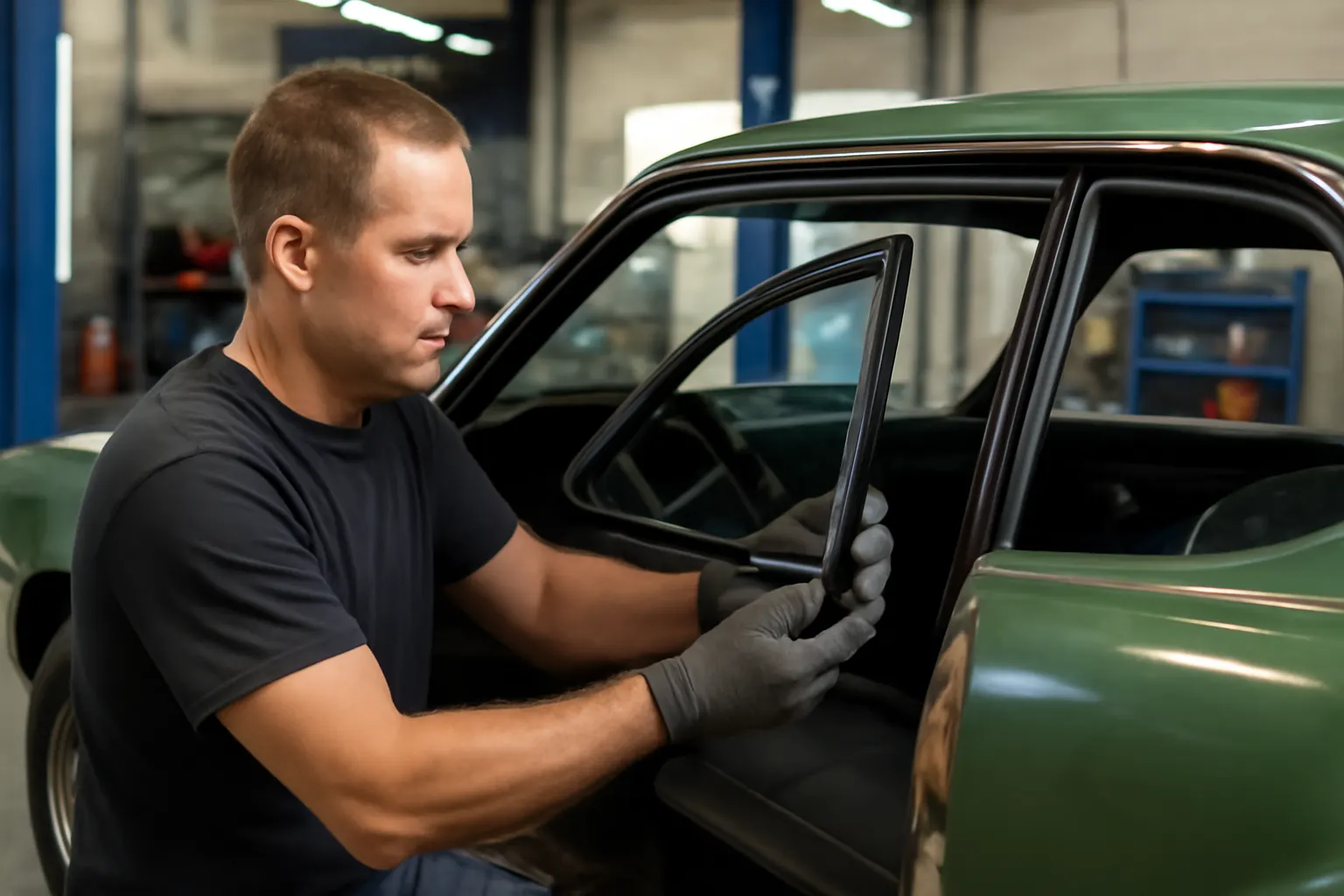
Quarter Windows and Vehicle Restoration: What You Need to Know
Restoring a classic or rare vehicle demands attention to every detail, and quarter windows are no exception. These often-overlooked panels play a crucial role in structural integrity, security, and period-correct styling. Whether you’re breathing new life into a 1960s muscle car or bringing a European classic back to original spec, understanding how to source, fit, and maintain quarter windows is essential for a successful restoration.
Read More