Advertisement
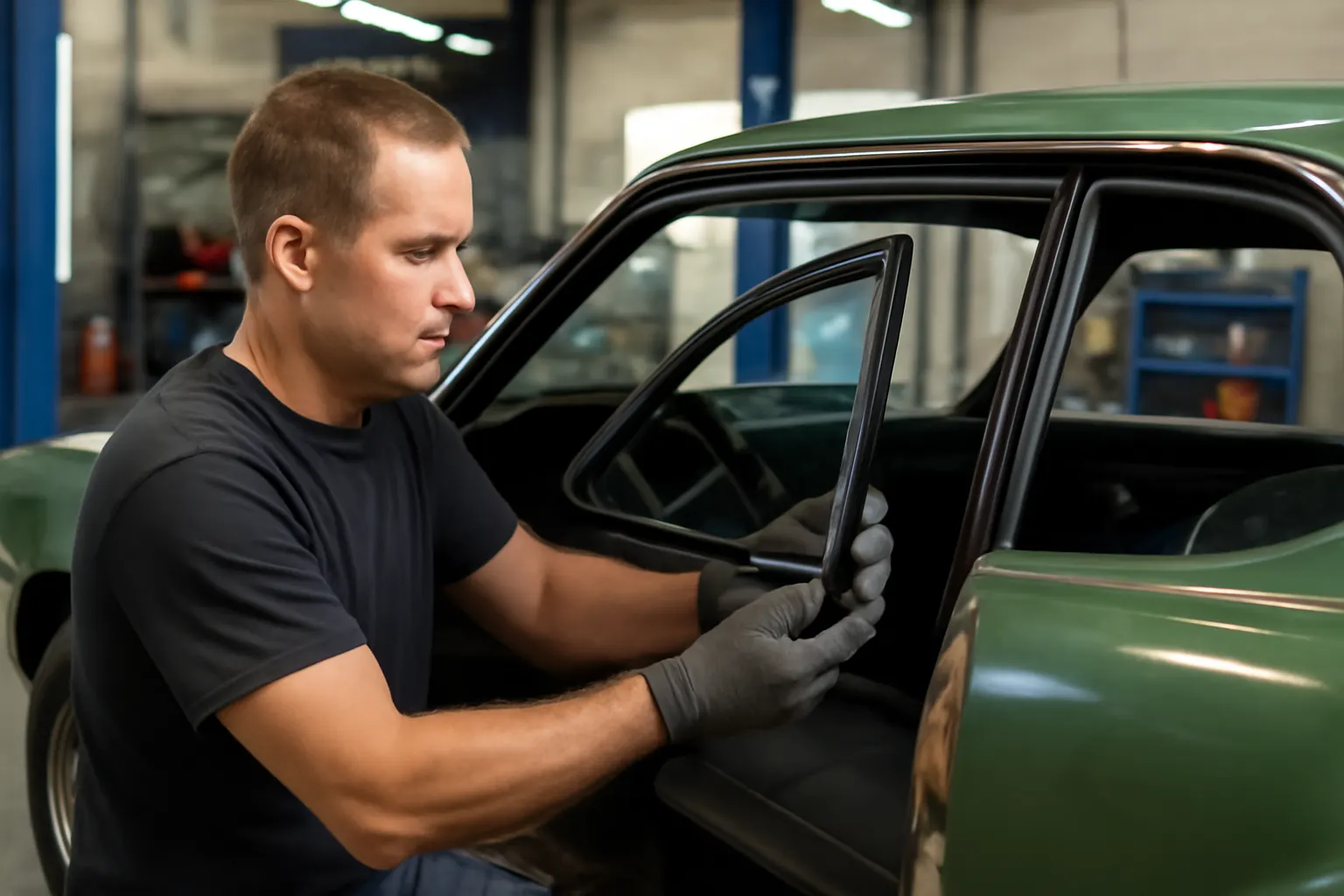
Restoring a classic or rare vehicle demands attention to every detail, and quarter windows are no exception. These often-overlooked panels play a crucial role in structural integrity, security, and period-correct styling. Whether you’re breathing new life into a 1960s muscle car or bringing a European classic back to original spec, understanding how to source, fit, and maintain quarter windows is essential for a successful restoration. This comprehensive guide from the AutoPartEx Technical Editorial Team delivers the practical insights, technical requirements, and sourcing strategies you need to get quarter windows right—first time.
For a broader overview of quarter window types, fitment, and their role in automotive design, see our parent guide: Quarter Window: Precision Fitment, Security, and Style for Your Vehicle.
Why Quarter Windows Matter in Vehicle Restoration
Quarter windows, sometimes called rear side windows or "opera" windows, are more than just aesthetic features. In classic and rare vehicles, they often contribute to:
- Structural rigidity: Many vehicles rely on the quarter window frame to reinforce the body shell, especially in coupes and hardtops.
- Weather sealing: Properly fitted quarter windows prevent water ingress, rust, and interior damage.
- Security: As part of the vehicle’s glazing, they deter theft and provide an additional barrier against forced entry.
- Originality and value: Correct quarter window glass, trim, and seals are essential for concours-level restorations and resale value.
Neglecting these components can undermine your restoration’s quality, safety, and authenticity.
The Hidden Challenges of Quarter Window Restoration
Quarter windows present unique hurdles in the restoration process, especially for older or limited-production vehicles:
- Obsolete or rare parts: Original Equipment Manufacturer (OEM) quarter windows may be discontinued, requiring extensive searches or custom fabrication.
- Complex mounting systems: Unlike main door glass, quarter windows often use specialized tracks, pivots, or fixed frames, complicating removal and installation.
- Matching tints and contours: Glass color, curvature, and edge treatments must match the rest of the vehicle for both appearance and function.
- Legal and safety requirements: Modern safety standards (such as those enforced by the National Highway Traffic Safety Administration) may require laminated or tempered glass, impacting replacement choices.
Overlooking any of these factors can result in ill-fitting parts, leaks, wind noise, or even safety hazards.
Understanding Quarter Window Types: Fixed, Pop-Out, and Sliding
Before sourcing replacement quarter windows, it’s vital to identify your vehicle’s specific window type. The three primary categories are:
1. Fixed Quarter Windows
- Description: Permanently sealed into the body, often found in sedans, coupes, and many modern vehicles.
- Restoration tip: Replacement requires precise fitment and sealing to prevent leaks and wind noise.
2. Pop-Out or Vent Quarter Windows
- Description: Hinged at one edge, these windows can be opened for ventilation. Common in classic American cars and some imports.
- Restoration tip: Hardware (hinges, latches, gaskets) must be in good condition or replaced with correct reproductions.
3. Sliding Quarter Windows
- Description: Found mostly in trucks, vans, and some utility vehicles, these allow the window to slide open.
- Restoration tip: Ensure the track and locking mechanisms are free from corrosion and operate smoothly.
Identifying the correct type is the foundation of any successful quarter window restoration project.
Sourcing Quarter Windows for Classic and Rare Vehicles
Finding the right quarter window for a restoration can be a major obstacle, especially for less common models. Consider these approaches:
1. OEM and NOS (New Old Stock) Parts
- Advantages: Perfect fit, period-correct markings, and original materials.
- Challenges: Limited availability, high cost, and potential for age-related degradation (e.g., delamination, scratches).
2. Quality Aftermarket Reproductions
- Advantages: Readily available for popular models, often at a lower price point, and manufactured to modern safety standards.
- Challenges: Possible differences in tint, logo placement, or edge finish; fitment may require minor adjustments.
3. Salvage and Used Parts
- Advantages: Authenticity and potential cost savings.
- Challenges: Risk of chips, scratches, or prior repairs; seals and hardware may be worn.
Advertisement
4. Custom Fabrication
- Advantages: Only option for extremely rare or unique vehicles. Glass shops can cut and temper glass to spec.
- Challenges: High cost, lead time, and the need for precise templates or CAD data.
Checklist: Sourcing Quarter Windows
- Confirm exact year, make, model, and body style.
- Identify window type (fixed, pop-out, sliding).
- Check for original markings or logos.
- Measure dimensions and curvature.
- Research OEM part numbers and availability.
- Compare reputable aftermarket suppliers.
- Inspect used parts for damage or wear.
- Consult with a professional glass shop for custom work if necessary.
For more on the pros and cons of OEM versus aftermarket glass, see our editorial guide: Choosing OEM vs. Aftermarket Quarter Windows.
Assessing Quarter Window Condition: Diagnostics and Inspection
Before committing to replacement, a thorough assessment of your existing quarter windows is essential. Even if the glass appears intact, underlying issues can compromise performance and safety.
Inspection Checklist
- Glass: Look for chips, cracks, delamination, discoloration, or deep scratches.
- Seals and gaskets: Check for brittleness, shrinkage, or missing sections.
- Frame and hardware: Inspect for rust, corrosion, or misalignment.
- Operation (if applicable): Test pop-out or sliding mechanisms for smooth, secure movement.
- Water leaks: Use a hose test or check for water marks inside the vehicle.
- Wind noise: Listen for excessive noise at highway speed, indicating poor sealing.
Tip: Even minor imperfections in quarter window glass or sealing can lead to water intrusion, which is a leading cause of hidden rust in classic vehicles.
Technical Standards and Safety Considerations
Modern automotive glass must comply with rigorous safety standards, including those set by the National Highway Traffic Safety Administration (NHTSA) and SAE International. When restoring a vehicle, especially if it will be driven on public roads, consider:
- Tempered vs. laminated glass: Tempered glass shatters into small, blunt pieces; laminated glass holds together when broken. Each has specific applications and legal requirements.
- DOT and manufacturer markings: Replacement glass should display appropriate safety certifications.
- Proper installation: Incorrect fitment or adhesive use can compromise structural integrity and occupant safety.
For more on safety equipment and standards, refer to Vehicle Safety and Equipment and SAE Standards.
Step-by-Step: Installing a Quarter Window
Whether you’re a DIY enthusiast or working with a restoration shop, a methodical approach to quarter window installation is critical. The process varies by vehicle and window type, but the general workflow includes:
1. Preparation
- Gather correct replacement glass, seals, and hardware.
- Remove interior trim panels and weatherstripping.
- Protect surrounding paintwork and upholstery.
2. Removal
- Carefully extract old glass, preserving any reusable hardware.
- Remove old adhesive or gasket material from the frame.
- Inspect the window channel for rust or damage; repair as needed.
3. Test Fit
- Dry-fit the new glass and hardware to verify alignment and operation.
- Adjust as needed for smooth movement (for pop-out or sliding windows).
4. Installation
- Apply the correct adhesive, butyl tape, or gaskets per manufacturer specifications.
- Set the glass into position, securing hardware and aligning trim.
- Allow adhesives to cure as recommended.
5. Reassembly and Final Checks
- Replace interior trim and weatherstripping.
- Test for leaks and wind noise.
- Clean glass and surrounding areas thoroughly.
For a detailed walkthrough, see our How to Replace a Quarter Window: Step-by-Step Guide.
Common Pitfalls and How to Avoid Them
Even experienced restorers can run into trouble with quarter window replacement. Watch for these issues:
- Incorrect glass thickness or curvature: Can prevent proper sealing and cause stress cracks.
- Misaligned frames or tracks: Leads to rattling, leaks, or binding operation.
- Improper adhesive use: Weak bonds can result in water leaks or glass shifting.
- Neglecting rust repair: Failing to treat hidden rust in the window channel can result in rapid deterioration.
Expert tip: Always double-check fitment before applying adhesives or finalizing installation. Small misalignments can have major consequences for weatherproofing and safety.
Quarter Window Seals, Trim, and Hardware: Sourcing and Replacement
Quarter window restoration is not just about the glass. Seals, trim, and hardware are equally important for function and appearance.
Advertisement
Seals and Gaskets
- Role: Prevent water ingress, reduce wind noise, cushion glass.
- Replacement: Use high-quality reproductions or OEM parts. Universal weatherstripping can be trimmed to fit in some cases.
Trim and Molding
- Role: Completes the vehicle’s exterior lines and protects glass edges.
- Replacement: Re-chroming or polishing original trim is often possible. Reproductions may be available for popular models.
Hinges, Latches, and Tracks
- Role: Ensure correct window operation and security.
- Replacement: Use new or refurbished parts; avoid reusing corroded hardware.
Checklist: Quarter Window Accessory Replacement
- Inspect all seals and replace as needed.
- Verify trim fitment and finish.
- Lubricate moving hardware.
- Use rust-inhibitor on metal components.
Matching Glass Tint, Markings, and Finish for Authenticity
For high-value or concours restorations, authenticity is paramount. Consider these factors:
- Glass tint: Match the original shade—clear, green, bronze, or grey.
- Markings: Many manufacturers etched logos, safety codes, or date stamps into the glass. Reproduction glass may offer custom etching.
- Edge finish: Polished or ground edges should replicate original specifications.
Pro tip: Document your vehicle’s original glass before removal. Photographs and rubbings of markings can be invaluable for sourcing or custom fabrication.
Preventing Leaks and Wind Noise: The Importance of Precision Fitment
Even the highest-quality glass will fail to perform if not fitted correctly. Precision fitment is essential to:
- Ensure a watertight seal: Prevents rust, mold, and interior damage.
- Reduce wind noise: Poor alignment or deformed gaskets are common culprits.
- Maintain structural integrity: In many vehicles, the quarter window contributes to body rigidity.
Diagnostic tip: If you notice water streaks, fogging, or excessive wind noise after installation, re-inspect gasket seating and glass alignment immediately.
Maintenance and Longevity: Keeping Quarter Windows in Top Condition
Restored quarter windows require ongoing care to preserve function and appearance:
- Regular cleaning: Use non-abrasive cleaners and soft cloths to avoid scratches.
- Inspect seals annually: Replace if you notice hardening, cracking, or shrinkage.
- Lubricate moving parts: For pop-out or sliding windows, periodic lubrication prevents binding and wear.
- Monitor for leaks: After heavy rain or washing, check for damp spots near the quarter window.
Long-term tip: Store classic vehicles indoors or use a quality car cover to protect seals and trim from UV and weather exposure.
The Impact of Quarter Windows on Vehicle Performance and Efficiency
While primarily associated with aesthetics and security, quarter windows also influence vehicle performance in subtle ways:
- Aerodynamics: Properly installed quarter windows contribute to smooth airflow, reducing drag and wind noise.
- Weight: Glass and hardware choices can impact overall vehicle weight—a consideration in performance builds and fuel efficiency. Modern materials technology, as highlighted by the U.S. Department of Energy, can offer lighter, stronger alternatives for custom projects.
- HVAC efficiency: Well-sealed quarter windows help maintain cabin temperature, reducing load on heating and air conditioning systems and supporting better fuel efficiency (DOE Fuel Efficiency).
When to Seek Professional Help
While many restoration enthusiasts tackle quarter window replacement themselves, certain scenarios call for professional expertise:
- Custom glass fabrication: For rare or one-off vehicles.
- Major rust repair: Structural repairs in the window channel are best handled by experienced body shops.
- Concours-level authenticity: When original markings, tint, and fitment are critical for show judging.
A reputable restoration shop or automotive glass specialist can provide the skills, tools, and supplier connections needed for complex or high-stakes projects.
Why Choose AutoPartEx for Quarter Window Restoration Parts
AutoPartEx is your trusted partner for sourcing, technical guidance, and restoration support. Our curated catalog of OEM, aftermarket, and reproduction quarter windows, seals, and hardware ensures you get the right fit and finish for your classic or rare vehicle project. With expert technical support, detailed fitment guides, and a commitment to quality, AutoPartEx makes quarter window restoration straightforward and successful.
Explore our complete selection and technical resources at Quarter Window: Precision Fitment, Security, and Style for Your Vehicle.
For more on the risks of neglecting damaged quarter windows, see The Hidden Risks of Ignoring Quarter Window Damage.
References
- Fuel Efficiency, United States Department of Energy
- Materials Technologies, United States Department of Energy
- Vehicle Safety and Equipment, National Highway Traffic Safety Administration
Advertisement