Advertisement
Quarter windows are often overlooked when it comes to vehicle maintenance, but damage to these critical glass panels can have far-reaching consequences for your car’s safety, comfort, and value. If you’ve noticed a chip, crack, or faulty seal in your quarter window and have put off repairs, you may be exposing your vehicle to a host of hidden risks. In this comprehensive guide, we’ll explore why prompt quarter window repairs matter, what can go wrong if they’re neglected, and how to address issues before they escalate. For a deeper dive into quarter window fitment and restoration, visit our Quarter Window: Precision Fitment, Security, and Style for Your Vehicle category page.
Immediate Answer: Why Quarter Window Damage Demands Attention
Neglecting quarter window damage is a gamble with your vehicle’s integrity and your own security. Damaged or improperly sealed quarter windows can quickly lead to water leaks, interior mold, electrical faults, compromised structural integrity, and even increased risk of theft. What might seem like a minor cosmetic issue can spiral into costly repairs and persistent headaches if left unchecked.
Quarter windows aren’t just for aesthetics—they play a crucial role in maintaining your car’s weatherproofing, structural rigidity, and overall safety. Addressing chips, cracks, or failed seals as soon as they appear prevents a cascade of problems that can affect everything from your vehicle’s electronics to its resale value.
The Hidden Problem: Out-of-Sight, Out-of-Mind Consequences
The danger of quarter window damage lies in its subtlety. Unlike a shattered windshield or a jammed door, quarter window issues are easy to ignore—until the effects become impossible to miss. Water intrusion, for example, may start as an occasional drip but can develop into widespread corrosion, musty odors, or persistent electrical gremlins.
Many drivers underestimate the interconnectedness of automotive systems. A leaking or broken quarter window can compromise not just the immediate area, but also wiring harnesses, seatbelt anchors, and even the vehicle’s air quality. The longer you wait, the more significant—and expensive—the consequences become.
Quarter Window Function: More Than Just Glass
Before exploring the risks, it’s important to understand the quarter window’s role in your vehicle:
- Weatherproofing: Quarter windows seal out rain, wind, and debris, protecting interior components and passengers.
- Structural Support: Especially in modern vehicles, quarter windows contribute to body stiffness and crash safety.
- Security: They help deter theft by eliminating easy access points and maintaining the integrity of the vehicle’s locking system.
- Aesthetics and Aerodynamics: Properly fitted quarter windows enhance the car’s appearance and can improve airflow, contributing to fuel efficiency in some models.
These functions are engineered to high standards, as outlined by organizations like SAE International and regulated by safety authorities such as the National Highway Traffic Safety Administration (NHTSA).
The Domino Effect: What Happens When Quarter Window Damage Is Ignored
1. Water Leaks and Interior Damage
The most immediate risk of a damaged quarter window is water intrusion. Even small chips or failed seals can allow rainwater to seep into the cabin, soaking carpets, upholstery, and insulation. Over time, this leads to:
- Mold and Mildew: Persistent moisture fosters the growth of mold and mildew, resulting in unpleasant odors and potential health hazards for occupants.
- Rust and Corrosion: Water can reach metal components under the carpet or behind trim panels, accelerating rust—especially in seat mounts and floor pans.
- Stained Interiors: Water stains on fabric, leather, or headliners can be difficult or impossible to remove, permanently degrading your vehicle’s appearance.
2. Electrical System Compromise
Modern vehicles route wiring harnesses and control modules near or beneath quarter window locations. Water leaks from damaged quarter windows can cause:
- Short Circuits: Moisture can bridge electrical contacts, causing fuses to blow or circuits to malfunction.
- Sensor Failures: Airbag sensors, seatbelt pre-tensioners, and lighting circuits are often routed near quarter windows.
- Persistent Electrical Gremlins: Intermittent faults, warning lights, or non-functional accessories can be traced back to water-damaged wiring.
Advertisement
3. Reduced Structural Integrity
Quarter windows are part of the vehicle’s overall body structure, especially in unibody designs. Damage to the glass or its mounting can:
- Weaken Chassis Stiffness: Compromised glass or seals can reduce torsional rigidity, making the vehicle more prone to squeaks, rattles, or even reduced crash performance.
- Affect Crash Safety: Properly installed quarter windows help maintain side-impact protection and rollover resistance, both of which are evaluated by NHTSA safety standards.
4. Increased Security Risks
A cracked or poorly sealed quarter window is an easy target for thieves. It provides a weak point that can be exploited to gain access to the vehicle’s interior, bypassing locks or alarms. Even minor damage can signal vulnerability, increasing the risk of break-ins.
5. Decreased Fuel Efficiency and Cabin Comfort
While less obvious, a damaged quarter window can affect your vehicle’s aerodynamics and insulation. Air leaks may create annoying whistles at speed, reduce HVAC efficiency, and contribute to higher fuel consumption due to increased drag—a point highlighted by the United States Department of Energy.
Diagnosing Quarter Window Damage: What to Look For
Early detection is key to preventing bigger problems. Use this checklist to assess your quarter windows:
Quarter Window Damage Inspection Checklist
| Symptom | What to Check | Action Needed |
|---|---|---|
| Visible cracks or chips | Inspect glass surface closely | Repair or replace glass |
| Water on interior trim/carpet | Check after rain or car wash | Inspect seals, repair leaks |
| Wind noise at speed | Listen near quarter window area | Check for loose fit or gaps |
| Fogging between glass layers | Look for condensation | Replace affected glass |
| Rust on body near window | Inspect window frame area | Treat rust, reseal window |
| Unexplained electrical issues | Monitor for warning lights/faults | Check for moisture intrusion |
If you notice any of these issues, prompt attention is critical to avoid further complications.
Technical Deep Dive: How Quarter Window Damage Spreads
Understanding the mechanics behind quarter window failures can help you appreciate the urgency of repairs:
Seal Degradation
Quarter window seals are typically made of rubber or synthetic polymers designed to withstand weather and UV exposure. Over time, they become brittle, shrink, or crack, especially in older vehicles or those exposed to harsh climates. Once compromised, water can bypass the seal, leading to interior leaks.
Glass Fractures
Modern automotive glass is engineered for strength, but even minor impacts can create chips or cracks that grow due to vibration, temperature changes, or additional stress. Laminated or tempered glass may appear intact but can lose its structural integrity, making it a weak point in the vehicle body.
Adhesive Failures
Most quarter windows are bonded to the body using advanced adhesives. Poor installation, collision damage, or age-related degradation can cause these adhesives to fail, allowing the glass to move or separate from the frame.
Corrosion Creep
Once water enters the body cavity, it can travel along seams and wiring channels, spreading rust far from the original leak point. This “corrosion creep” is especially insidious because it’s often hidden until major damage has occurred.
Long-Term Consequences: What Happens If You Delay Repairs?
Ignoring quarter window issues can result in:
- Escalating Repair Costs: What starts as a simple glass or seal replacement can evolve into expensive electrical diagnostics, mold remediation, or bodywork.
- Reduced Vehicle Value: Water damage, rust, and interior stains are red flags for buyers and can significantly decrease resale or trade-in value.
- Compromised Safety: Faulty quarter windows can reduce crashworthiness and increase the risk of injury in accidents.
- Chronic Annoyances: Persistent leaks, wind noise, and electrical issues can make daily driving unpleasant and frustrating.
Solution Path: Addressing Quarter Window Damage
Taking action early is the best defense against the hidden risks of quarter window damage. Here’s how to approach repairs:
1. Professional Inspection
If you suspect damage, schedule an inspection with a qualified auto glass technician or body shop. They can assess the extent of the damage, test for leaks, and recommend appropriate repairs.
Advertisement
2. Quality Replacement Parts
When replacement is necessary, insist on high-quality glass and seals. OEM (Original Equipment Manufacturer) parts ensure precise fitment and performance, while reputable aftermarket options can offer cost savings. For guidance, see our editorial on Choosing OEM vs. Aftermarket Quarter Windows.
3. Proper Installation
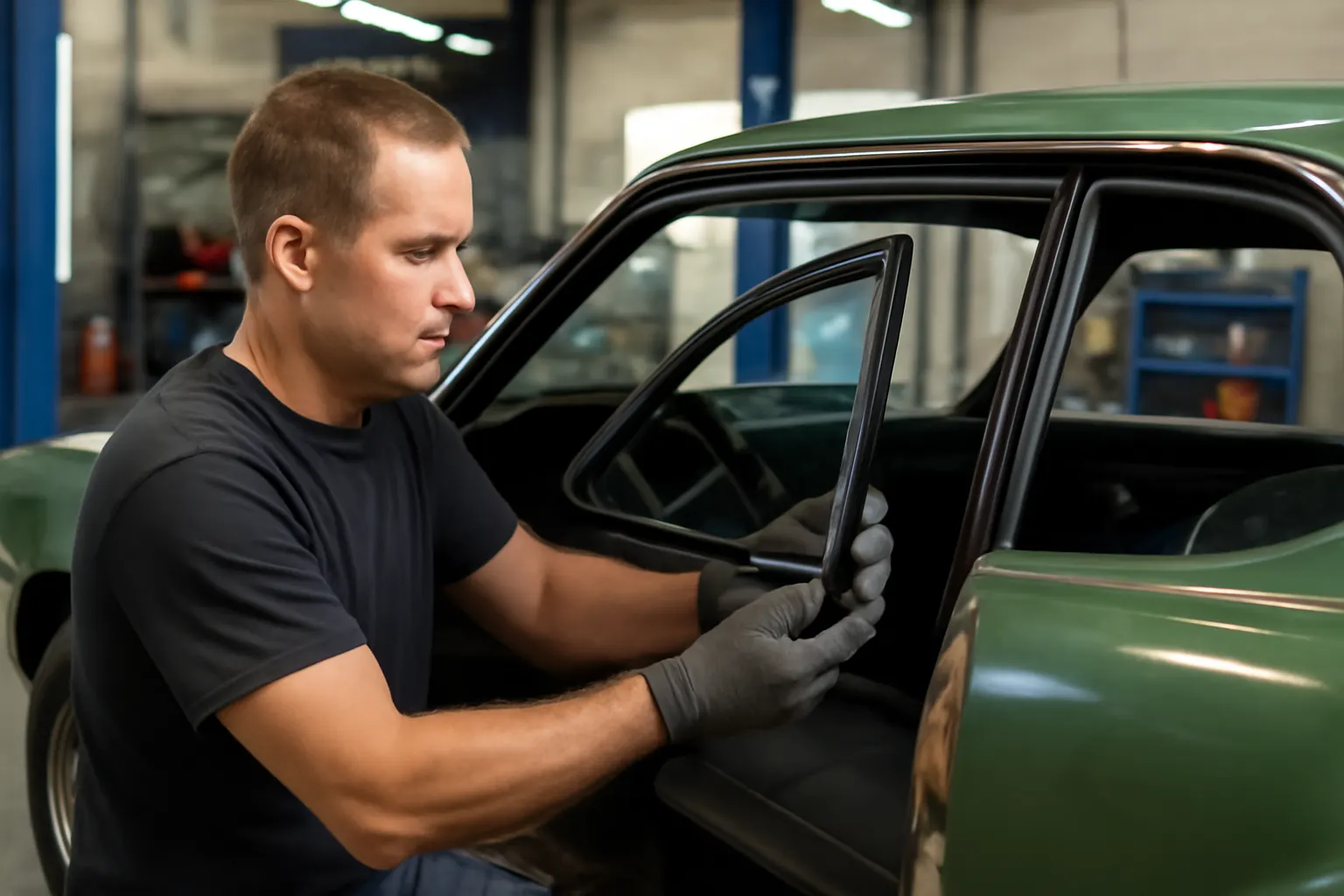
Quarter window replacement requires specialized tools and adhesives. Poor installation can lead to repeat leaks and reduced structural integrity. Always choose a technician experienced with your vehicle make and model.
4. Preventive Maintenance
Regularly inspect all window seals for signs of age or damage, especially after impacts or severe weather. Proactive replacement of worn seals can prevent leaks before they start.
DIY vs. Professional Repair: Making the Right Choice
While some enthusiasts attempt DIY quarter window repairs, it’s important to weigh the risks:
- DIY Pros: Potential cost savings, immediate response to minor damage.
- DIY Cons: Risk of improper sealing, glass breakage, or voided warranties. Specialized adhesives and tools may be required.
Unless you have experience with auto glass installation, professional service is recommended for safety and longevity. For step-by-step instructions, see our guide on How to Replace a Quarter Window: Step-by-Step Guide.
Sourcing the Right Quarter Window Parts
When sourcing replacement parts, ensure you select the correct glass, seals, and adhesives for your vehicle’s year, make, and model. Consider:
- OEM vs. Aftermarket: OEM parts guarantee original fit and finish, while quality aftermarket options can be suitable for older vehicles or budget-conscious repairs.
- Glass Type: Match the tint, curvature, and safety ratings to your existing windows.
- Seal Material: Choose seals rated for UV and ozone resistance to maximize longevity.
AutoPartEx offers a wide selection of quarter window components for various manufacturers, including Acura, AMC, and Alfa.
Preventing Future Quarter Window Issues
Preventive care is the best way to avoid the hidden risks of quarter window damage:
Maintenance Checklist
- Inspect seals and glass every oil change
- Clean window tracks and seals with mild soap
- Apply rubber conditioner to keep seals flexible
- Address chips or cracks immediately
- After any collision, have all glass inspected
- Check for wind noise or water leaks after repairs
Keeping up with these simple steps can extend the life of your quarter windows and protect your vehicle’s value.
The Role of Materials and Engineering Standards
Quarter window design and materials have evolved significantly, with manufacturers using advanced polymers, adhesives, and glass technologies to improve performance. As outlined by the United States Department of Energy, modern materials contribute to lighter, stronger, and more efficient vehicles.
Adhering to engineering standards, such as those from SAE International, ensures that replacement parts meet rigorous safety and durability criteria. Always verify that your parts and installers comply with these industry benchmarks.
Quarter Windows in Vehicle Restoration and Customization
For enthusiasts restoring classic cars or customizing modern vehicles, quarter window integrity is especially important. Vintage vehicles may have unique glass shapes or mounting methods, making proper fitment and sealing a challenge. For restoration-specific guidance, see Quarter Windows and Vehicle Restoration: What You Need to Know.
The AutoPartEx Approach: Precision, Quality, and Support
At AutoPartEx, we understand that quarter windows are more than just glass—they’re a critical component of your vehicle’s safety, security, and style. Our curated selection of OEM and high-quality aftermarket quarter windows ensures precise fitment and long-lasting performance.
Whether you’re tackling a repair, restoration, or upgrade, our technical experts are here to help you source the right parts and provide professional guidance. Explore our Quarter Window: Precision Fitment, Security, and Style for Your Vehicle category for detailed fitment information and product options tailored to your vehicle.
Take Action: Don’t Wait for Damage to Spread
If you’ve discovered quarter window damage, don’t delay. Prompt inspection and repair can save you from costly water damage, electrical faults, and security risks. Trust professionals for installation, insist on quality parts, and maintain your window seals regularly to keep your vehicle safe, comfortable, and looking its best.
For additional guidance or to find the right parts for your model, contact the AutoPartEx team today.
References
Advertisement