
Moulding (Front Door)
Front Door Moulding: What to Know Before You Replace
Front door mouldings are often overlooked until visible wear or damage appears. Yet, these components play a crucial role in protecting your vehicle’s interior from moisture and debris. Understanding when and how to address moulding issues can save you from more extensive repairs down the road. This guide explores what to consider before replacing your front door moulding, with practical steps and evidence-based recommendations for vehicle owners.
Showing 1–8 of 146 products


More Moulding (Front Door) options
Filtering for Moulding (Front Door)Browse nearby inventory for this category without leaving the page. Use search to filter by price, part number, or city.
No Data Available
Please check back soon when more inventory is available for this part.
Front Door Moulding: What to Know Before You Replace
Why Front Door Mouldings Deserve a Closer Look
Many vehicle owners rarely give a second thought to the moulding on their front doors—until they notice water leaking into the cabin or hear excessive wind noise at highway speeds. These subtle symptoms can often be traced back to worn or damaged door mouldings, which serve as the first line of defense against the elements. Over time, exposure to sun, rain, and road debris can degrade even the highest quality moulding, compromising its ability to seal and protect.
It’s easy to underestimate the importance of intact front door mouldings. They not only enhance the vehicle’s appearance but also contribute significantly to comfort and safety by keeping moisture, dust, and noise outside where they belong. Ignoring early signs of deterioration can lead to more serious issues, such as corrosion of internal door components or damage to interior trim and electronics. Recognizing the value of this often-overlooked part is the first step toward proactive vehicle care.
Replacing front door moulding isn’t just about aesthetics. It’s a practical maintenance task that can extend the lifespan of your vehicle’s doors and interior. Whether you’re dealing with a classic car restoration or routine upkeep on a daily driver, understanding the role and replacement process for front door mouldings can help you make informed decisions and avoid unnecessary complications down the line.

Understanding the Risks of Neglected Door Mouldings
When front door mouldings begin to fail, the consequences can be more than just cosmetic. One of the most common issues is water intrusion, which can lead to damp carpets, unpleasant odors, and even electrical problems if moisture reaches wiring inside the door. Over time, repeated exposure to moisture can cause rust to form on metal components, accelerating the deterioration of both the door and adjacent body panels.
Another frequent symptom of deteriorating moulding is increased wind noise, particularly at higher speeds. A compromised seal allows air to whistle through gaps, making the driving experience less pleasant and potentially masking more serious mechanical sounds. This can be especially problematic for owners of older vehicles, where original mouldings may have become brittle or shrunken with age.
Front door mouldings also play a role in keeping dust and road debris out of the cabin. When these seals are no longer effective, fine particles can accumulate inside, leading to additional cleaning and potential wear on interior surfaces. In regions with harsh winters, salt and slush can find their way past damaged mouldings, increasing the risk of corrosion and staining.
The risk of neglecting moulding maintenance is compounded by the fact that damage is often gradual and easy to miss. Small cracks or areas of separation may not be immediately obvious, but they can quickly worsen under stress from repeated door use or extreme temperatures. By the time visible gaps or leaks appear, the underlying damage may already be significant.
For those considering resale value, well-maintained mouldings are an indicator of overall vehicle care. Prospective buyers often inspect door seals for signs of neglect, and visible deterioration can raise concerns about hidden water damage or lack of regular maintenance. Addressing moulding issues promptly helps preserve both the function and perceived value of your vehicle.
It’s important to recognize that not all moulding problems require immediate replacement. In some cases, cleaning or minor adjustments can restore a satisfactory seal. However, persistent leaks, ongoing noise, or visible cracking usually indicate that replacement is the most effective solution. Knowing when to act—and what steps to take—can prevent small issues from becoming major repairs.
Selecting and Replacing Front Door Mouldings: A Step-by-Step Approach
Choosing the right moulding for your front door begins with understanding the specific requirements of your vehicle. Mouldings are designed to fit the contours of each model’s door, so compatibility is crucial. Start by consulting your owner’s manual or a reputable parts catalog to identify the correct part number for your make, model, and year. If you’re unsure, many suppliers can assist using your vehicle identification number (VIN), which ensures a precise match.
Once you have the correct part, consider whether you prefer original equipment manufacturer (OEM) moulding or an aftermarket alternative. OEM parts are designed to match the original specifications and typically offer the best fit and finish. Aftermarket options may be more affordable and can sometimes provide enhanced durability or unique styling, but it’s important to verify quality and compatibility before purchase. For an in-depth comparison, see our guide on Choosing the Right Moulding for Your Vehicle: OEM vs. Aftermarket.
Before starting the replacement process, gather all necessary tools and review installation instructions carefully. Many mouldings are secured with clips, adhesive, or screws, and removing the old part without damaging the door requires patience and the right technique. It’s a good idea to protect painted surfaces with masking tape and to work in a clean, well-lit area to avoid introducing debris into the seal.
Begin by inspecting the existing moulding for attachment points and gently prying it away from the door. Take note of any clips or fasteners that may need to be reused or replaced. Clean the mounting surface thoroughly to remove old adhesive, dirt, or corrosion, as a clean base is essential for a secure fit. Dry-fit the new moulding to ensure proper alignment before final installation.
When installing the new moulding, follow the manufacturer’s instructions regarding adhesive curing times or clip placement. Press the moulding firmly into place, working from one end to the other to avoid gaps or misalignment. Double-check that all edges are flush with the door and that the seal is continuous. If your moulding includes integrated weatherstripping, make sure it seats evenly against the door frame.
After installation, test the door for proper closure and check for any remaining gaps or loose areas. A quick water test—spraying the door with a hose—can reveal leaks before they become a problem. Listen for wind noise during a short drive, and inspect the interior for signs of moisture after heavy rain. Address any issues promptly to ensure the moulding performs as intended.
For those less comfortable with DIY repairs, professional installation is a worthwhile investment. Experienced technicians can ensure a perfect fit and may offer warranties on their work. When choosing a repair shop, ask about their experience with your specific vehicle and request a written estimate detailing parts and labor. For more tips on avoiding common pitfalls, see Common Installation Mistakes with Door Mouldings—and How to Avoid Them.
Finally, maintain your new moulding by keeping it clean and inspecting it regularly for signs of wear. Avoid harsh chemicals that can degrade rubber or plastic components, and address minor issues before they escalate. Well-cared-for mouldings can last for many years, providing reliable protection and preserving your vehicle’s appearance and value. For more on the importance of mouldings in weatherproofing, visit Weatherproofing Your Doors: The Role of Mouldings and Seals.
What the Evidence and Guidance Show About Door Moulding Replacement
The Federal Trade Commission (FTC) provides clear guidance for consumers considering auto repairs, including the replacement of parts like front door mouldings. According to the FTC, it’s essential to obtain a written repair estimate that details the condition to be addressed, the specific parts needed, and the anticipated labor charges. This advice is particularly relevant for moulding replacement, where labor costs can vary depending on the vehicle’s design and the complexity of the installation. The FTC also recommends getting a second opinion for expensive or complicated repairs and ensuring the technician has experience with your make and model. This approach helps consumers make informed decisions and avoid unnecessary expenses, especially when dealing with unfamiliar or specialty vehicles. FTC: Auto Repair Basics
The FTC further distinguishes between new, remanufactured/rebuilt, and salvage parts. For front door mouldings, new OEM or high-quality aftermarket parts are typically preferred, as salvage mouldings may have hidden wear or damage that compromises their effectiveness. The FTC advises consumers to request a completed repair order listing the work performed, parts used, costs, and odometer readings. This documentation is important for maintaining a complete service history and can be valuable if warranty issues arise or when selling the vehicle. The FTC’s guidance underscores the importance of transparency and careful record-keeping in all auto repairs, including routine maintenance like moulding replacement. FTC: Auto Repair Basics
The National Highway Traffic Safety Administration (NHTSA) offers a comprehensive recall database that allows consumers to check whether their vehicle or specific components, such as door mouldings, are subject to safety recalls. While the NHTSA database provides general information about recalls, investigations, and complaints, it does not confirm that a particular vehicle or moulding is defective unless a recall has been issued for that specific VIN. This means that owners should use the NHTSA tool to check for open recalls but should not assume that all mouldings are covered or that a recall indicates a widespread problem. NHTSA: Vehicle Recalls
NHTSA’s process for addressing potential defects begins with consumer complaints, which can lead to investigations and, if warranted, recalls. If multiple owners report issues with door mouldings—such as persistent leaks or detachment—NHTSA may open an investigation to determine whether a safety-related defect exists. However, most decisions to conduct a recall are made voluntarily by manufacturers, and not all complaints result in recalls. This highlights the importance of regular inspection and prompt attention to moulding issues, as not every problem will be covered by a manufacturer remedy. NHTSA: Vehicle Recalls
The NHTSA also emphasizes the role of the vehicle owner in the recall process. Owners are responsible for checking recall status, registering their vehicles, and following up on recall notifications. If a recall is issued for a front door moulding, the manufacturer is required to notify registered owners and provide a free remedy, which may include repair, replacement, or refund. However, recalls are typically limited to safety-related defects and do not cover routine wear or cosmetic issues. This means that most moulding replacements will be the responsibility of the owner unless a specific safety defect has been identified. NHTSA: Vehicle Recalls
Neither the FTC nor NHTSA provides specific technical specifications or service intervals for front door mouldings. Instead, their guidance focuses on consumer rights, documentation, and the importance of using quality parts and experienced technicians. For buyers, this means relying on reputable sources for parts and installation, and comparing shop recommendations with the manufacturer’s maintenance schedule. In the absence of a standard warranty on repairs, it’s important to understand the coverage offered by the seller or installer and to get it in writing. FTC: Auto Repair Basics
In summary, the available evidence supports a careful, informed approach to door moulding replacement. While there is no published data on failure rates or specific repair outcomes for mouldings, the guidance from federal agencies highlights the importance of proper part selection, professional installation, and diligent record-keeping. By following these best practices, owners can ensure their front door mouldings continue to protect their vehicle and maintain its value, even in the absence of a recall or manufacturer warranty.
Take the Next Step Toward Reliable Door Protection
If you’ve noticed signs of wear, leaks, or noise around your vehicle’s front door, don’t wait for minor issues to escalate. Explore our Moulding (Front Door) selection to find the right fit for your vehicle, and review our How to Replace Front Door Mouldings: Step-by-Step Guide for detailed installation tips. Investing in quality moulding and proper installation today will help safeguard your vehicle’s comfort, appearance, and long-term value.
References
- NHTSA: Vehicle Recalls
- FTC: Auto Repair Basics
References
- NHTSA: Vehicle Recalls - NHTSA, accessed 2026-11-01
- FTC: Auto Repair Basics - FTC, accessed 2026-11-01
Related Guides & Articles

How to Replace Front Door Mouldings: Step-by-Step Guide
Replacing front door mouldings is a straightforward process that can dramatically improve your vehicle’s appearance, protection, and value. Whether your mouldings are cracked, faded, or simply no longer adhering properly, this comprehensive guide walks you through every step of removal and installation, ensuring a factory-quality finish. This tutorial is designed for both first-time DIYers and seasoned automotive enthusiasts, with a focus on practical details, common pitfalls, and professional tips.
View Guide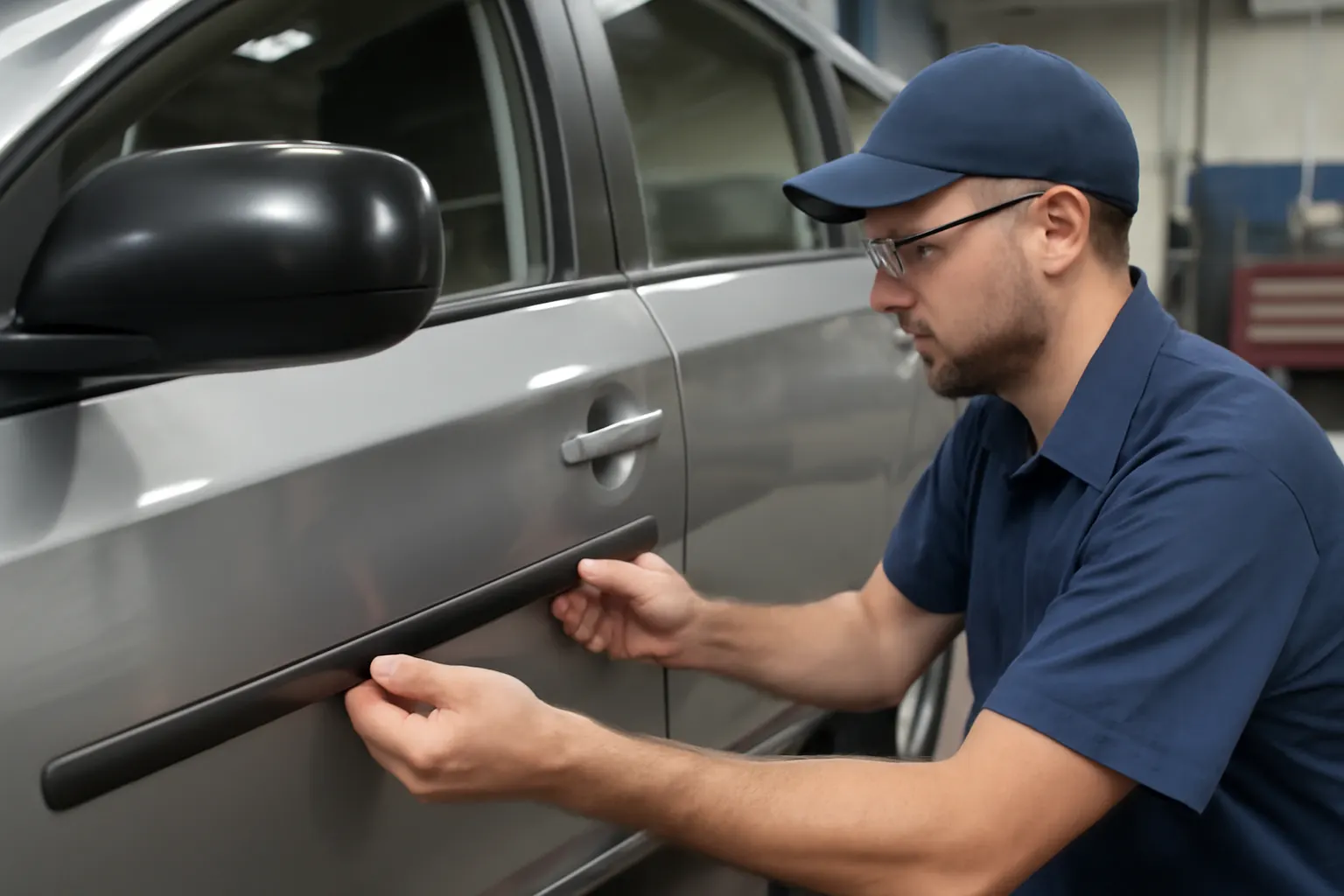
Choosing the Right Moulding for Your Vehicle: OEM vs. Aftermarket
Selecting the right front door moulding is a crucial step in preserving your vehicle’s appearance, protecting its bodywork, and ensuring a precise fit. The decision often boils down to choosing between Original Equipment Manufacturer (OEM) and aftermarket mouldings. Both options have their merits and drawbacks, but understanding these differences is key to making an informed investment in your vehicle’s longevity and style.
Read More
Weatherproofing Your Doors: The Role of Mouldings and Seals
Front door mouldings and seals are the unsung heroes of automotive weatherproofing. They form the first line of defense against water intrusion, wind noise, and dust, safeguarding your vehicle’s interior and ensuring a comfortable, quiet ride. Whether you drive a late-model sedan, a classic coupe, or a rugged SUV, understanding how these components work together—and how to maintain or replace them—is crucial for anyone serious about vehicle longevity and comfort.
View Guide
Common Installation Mistakes with Door Mouldings—and How to Avoid Them
Front door mouldings are essential for protecting your vehicle’s doors from dings, weather, and road debris, while also contributing to its overall appearance and aerodynamics. Yet, even seasoned DIYers and professional installers can fall prey to common mistakes during front door moulding replacement. Avoiding these pitfalls is crucial not only for aesthetics but also for maintaining a secure, weatherproof, and safe vehicle.
Read More