
Advertisement
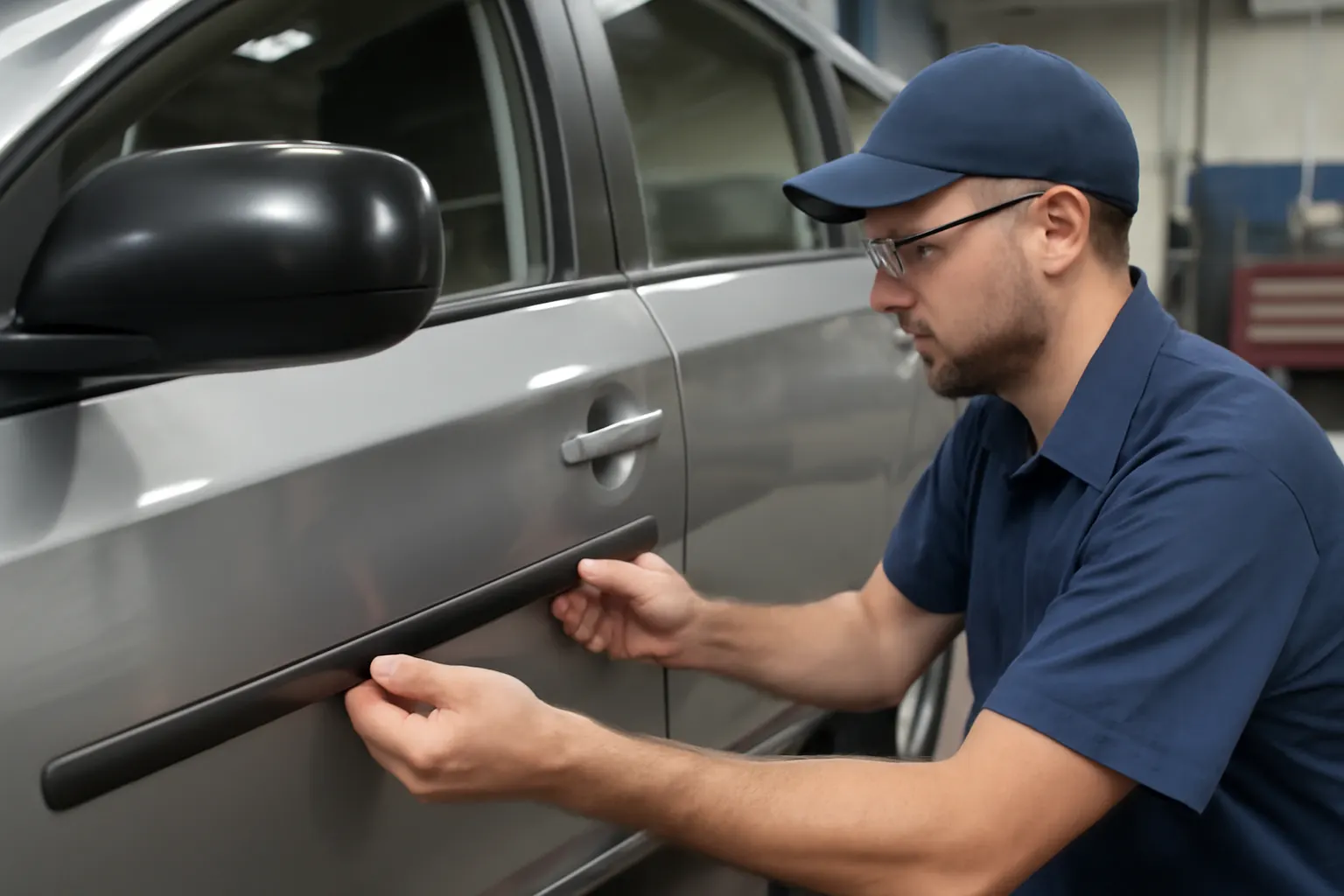
Selecting the right front door moulding is a crucial step in preserving your vehicle’s appearance, protecting its bodywork, and ensuring a precise fit. The decision often boils down to choosing between Original Equipment Manufacturer (OEM) and aftermarket mouldings. Both options have their merits and drawbacks, but understanding these differences is key to making an informed investment in your vehicle’s longevity and style. In this detailed guide, we’ll break down the pros and cons of OEM and aftermarket front door mouldings, offer practical buying and installation tips, and arm you with the knowledge needed to select the best fit for your specific needs.
Whether you’re restoring a classic, repairing collision damage, or simply upgrading your daily driver, the right moulding choice can make all the difference. For a deeper dive into moulding fundamentals and vehicle-specific fitment, visit our Front Door Moulding: Protection, Style, and Precision Fitment category page.
Immediate Answer: OEM vs. Aftermarket Moulding—Which Should You Choose?
The choice between OEM and aftermarket front door mouldings depends on your priorities:
- Choose OEM mouldings if you want guaranteed fitment, factory-original materials, and seamless integration with your vehicle’s design.
- Opt for aftermarket mouldings if you’re seeking cost savings, wider style options, or if OEM parts are unavailable for your model.
Both types can serve you well, but each has distinct trade-offs in terms of quality, compatibility, appearance, and long-term durability.
The Hidden Problem: Why Moulding Choice Matters More Than You Think
Many vehicle owners see door mouldings as purely cosmetic or minor accessories. In reality, poor moulding choices can compromise weatherproofing, expose paint to chips and corrosion, or even affect door operation. Wrongly sized, poorly attached, or incompatible mouldings may lead to water intrusion, wind noise, and diminished resale value. For modern vehicles, moulding materials and attachment methods are closely tied to safety, fuel efficiency, and structural integrity.
Problem Expansion: Technical and Practical Impacts of Moulding Selection
Material Compatibility and Vehicle Performance
Front door mouldings are engineered to interact with the door’s structure, finish, and weather seals. OEM mouldings are manufactured to the exact specifications of your vehicle’s make and model, ensuring not just a cosmetic match but also alignment with the door’s contours and attachment points. According to the U.S. Department of Energy’s Materials Technologies, the selection of body materials—including mouldings—plays a role in overall vehicle weight and efficiency. Poorly matched aftermarket mouldings may use heavier or less durable plastics, impacting both aesthetics and longevity.
The Risk of Improper Fitment
A subtle mismatch in size or shape can lead to gaps, poor adhesion, or interference with door seals. This can allow moisture to penetrate, promoting rust or electrical issues in door-mounted components. The National Highway Traffic Safety Administration (NHTSA) highlights that even non-structural equipment like mouldings must meet certain standards for safety and durability.
Understanding OEM Mouldings: The Factory Standard
What Are OEM Mouldings?
OEM mouldings are produced by the same company (or an approved supplier) that made your vehicle’s original parts. They are designed to match the exact specifications, materials, and finishes used at the factory.
Key Advantages of OEM Mouldings
- Guaranteed Fit: Designed for your specific make, model, and year, ensuring precise alignment and coverage.
- Consistent Quality: Manufactured to vehicle manufacturer standards, often using high-quality, UV-resistant plastics or metals.
- Original Appearance: Matches paint, texture, and contours perfectly for a factory-fresh look.
- Reliable Attachment: Uses original fastening systems—clips, adhesives, or screws—for secure, lasting installation.
Potential Drawbacks
- Higher Cost: OEM parts are typically more expensive due to quality controls and brand premiums.
- Limited Availability: For older or rare vehicles, OEM mouldings may be discontinued or hard to source.
- Fewer Customization Options: Styles are limited to what was offered from the factory.
Advertisement
Aftermarket Mouldings: Flexibility and Value
What Are Aftermarket Mouldings?
Aftermarket mouldings are produced by third-party manufacturers. They may be direct replacements or offer custom styles, finishes, or materials not available from the OEM.
Key Advantages of Aftermarket Mouldings
- Cost Savings: Usually less expensive than OEM, making them attractive for budget-conscious repairs or upgrades.
- Variety and Customization: Wider range of colors, finishes, and profiles—ideal for personalizing your vehicle.
- Availability: Easier to find for older, rare, or imported vehicles where OEM parts are obsolete.
Potential Drawbacks
- Variable Quality: Quality can range from excellent to poor; not all aftermarket parts meet OEM standards.
- Fitment Issues: Some aftermarket mouldings may require trimming, bending, or creative attachment.
- Warranty Concerns: May not include the same warranty or support as OEM parts.
Material Matters: How Composition Affects Performance
The material used in your door moulding impacts not just aesthetics, but also longevity, flexibility, and resistance to environmental damage.
Common Materials Used
- ABS Plastic: Lightweight, cost-effective, and commonly used for both OEM and aftermarket mouldings. Offers good impact resistance but can fade or crack over time if not UV stabilized.
- PVC: Flexible and weather-resistant, but sometimes prone to warping in extreme heat.
- Stainless Steel or Aluminum: Found in higher-end or specialty mouldings, these metals offer excellent durability and a premium look, but add weight.
- Rubber Compounds: Used for edge mouldings or weatherstrips, offering flexibility and sealing properties.
Impact on Vehicle Safety and Efficiency
The Department of Energy’s research on materials technologies stresses that lightweight, high-strength materials are preferred for modern vehicles to improve fuel efficiency and performance. Heavy, poorly fitted, or incompatible mouldings can add unnecessary weight or disrupt aerodynamics, subtly impacting efficiency.
Fitment and Compatibility: Avoiding Common Pitfalls
Why Fitment Is Crucial
Even a few millimeters of misalignment can lead to:
- Poor door closure or latch issues
- Wind noise at highway speeds
- Water leaks and subsequent corrosion
- Interference with side airbags or wiring
Checklist: Ensuring Proper Moulding Fitment
Before Purchase:
- Verify year, make, and model compatibility.
- Compare moulding dimensions to original part.
- Check mounting method (clips, tape, screws).
- Confirm color/finish matches existing trim.
During Installation:
- Test-fit the moulding before final attachment.
- Clean and prep the door surface thoroughly.
- Use correct fasteners or adhesives.
- Apply even pressure along the length for full adhesion.
After Installation:
- Inspect for gaps or misalignment.
- Test door operation and window movement.
- Check seal integrity during a water test.
For a more detailed walkthrough, see our How to Replace Front Door Mouldings: Step-by-Step Guide.
Cost Considerations: Upfront and Long-Term
Upfront Price Differences
- OEM Mouldings: Typically cost 30–100% more than aftermarket equivalents, depending on vehicle make and rarity.
- Aftermarket Mouldings: Range widely in price, with some budget options costing as little as half the OEM price.
Long-Term Value
While aftermarket mouldings can save money upfront, inferior materials or poor fitment may lead to premature failure, water leaks, or increased body repair costs down the road. OEM mouldings, though pricier, often last longer and maintain resale value.
Durability and Maintenance: What to Expect
OEM Durability
OEM mouldings are engineered for longevity, with UV-resistant coatings and robust attachment methods. Maintenance typically involves simple cleaning with mild soap and periodic inspection for chips or peeling.
Aftermarket Durability
Quality varies widely. Premium aftermarket mouldings can be as durable as OEM, but budget options may fade, crack, or detach after a few seasons. Always check for manufacturer warranties and customer reviews before purchase.
Maintenance Tips
- Clean regularly to prevent buildup of dirt and road salts.
- Inspect annually for signs of loosening, warping, or cracking.
- Treat with plastic or rubber protectant to extend lifespan.
Advertisement
For weatherproofing advice, see Weatherproofing Your Doors: The Role of Mouldings and Seals.
Installation Insights: DIY or Professional?
DIY Installation
Many front door mouldings are designed for straightforward installation, particularly those using adhesive tape or simple clips. However, some models require removal of door panels or precise alignment, which can be challenging for first-timers.
DIY Installation Checklist:
- Gather all necessary tools (trim removal tools, cleaning supplies, adhesives).
- Clean the mounting surface thoroughly.
- Test-fit the moulding to check alignment.
- Attach using recommended method (adhesive, clips, screws).
- Apply even pressure and allow adhesives to cure fully.
Professional Installation
If your vehicle has complex door shapes, integrated sensors, or you’re using high-value OEM mouldings, professional installation is recommended. This ensures warranty compliance and optimal fitment.
Safety and Regulatory Compliance
Safety Considerations
While door mouldings are not primary safety equipment, improper fitment can compromise door sealing, affect side airbag deployment, or create sharp edges in a collision. The NHTSA sets standards for vehicle equipment—including exterior trim—to ensure minimum safety and durability.
Regulatory Compliance
- Ensure aftermarket mouldings are certified to meet or exceed OEM standards.
- Check for manufacturer compliance with SAE standards for automotive exterior parts.
Sourcing Reliable Parts: What to Look For
How to Identify Quality OEM Mouldings
- Purchase from authorized dealers or reputable online retailers.
- Look for manufacturer part numbers and certification marks.
- Beware of counterfeit or “OEM-style” parts that lack proper documentation.
How to Identify Quality Aftermarket Mouldings
- Research brands with established reputations.
- Read independent customer reviews for feedback on fit and durability.
- Check for warranty coverage and return policies.
Red Flags
- Unusually low prices compared to market average.
- Vague fitment information or universal “one size fits all” claims.
- Poor packaging or missing hardware.
Common Installation Mistakes and How to Avoid Them
Even experienced DIYers can make errors that reduce the effectiveness or lifespan of new mouldings. Some of the most frequent mistakes include:
- Skipping Surface Preparation: Failing to clean and degrease the door can prevent adhesives from bonding.
- Incorrect Alignment: Rushing the process can lead to crooked or uneven mouldings.
- Using the Wrong Fasteners: Substituting hardware can compromise fitment and durability.
- Overtightening Screws: Can crack plastic mouldings or strip attachment points.
For more on pitfalls and solutions, see Common Installation Mistakes with Door Mouldings—and How to Avoid Them.
When to Replace vs. Repair Mouldings
Signs Replacement Is Needed
- Cracks, splits, or broken clips that cannot be repaired.
- Persistent water leaks or wind noise after attempted fixes.
- Severe fading, discoloration, or peeling that affects appearance.
When Repair Is Possible
- Minor scuffs or scratches—may be polished or touched up.
- Loose mouldings—can often be re-secured with new clips or adhesives.
Making Your Decision: A Step-by-Step Approach
1. Assess Your Priorities:
- Is factory appearance or resale value most important? Lean toward OEM.
- Are you customizing or on a tight budget? Evaluate quality aftermarket options.
2. Research Fitment:
- Use your vehicle’s VIN to confirm part numbers.
- Compare dimensions and attachment methods.
3. Evaluate Sources:
- Prioritize authorized dealers for OEM; reputable brands for aftermarket.
4. Consider Installation:
- Factor in your skill level and tool availability.
- Don’t hesitate to seek professional help for complex installations.
5. Plan for Maintenance:
- Schedule periodic inspections to catch issues early.
AutoPartEx Positioning: Your Trusted Source for Precision Fitment
At AutoPartEx, we recognize that every vehicle—and every owner—has unique needs. Whether you’re seeking OEM perfection or want to explore the value and variety of aftermarket options, our catalog of Front Door Moulding: Protection, Style, and Precision Fitment parts is curated for quality, compatibility, and durability. Our technical experts are here to help you decode fitment, installation, and maintenance, ensuring your investment delivers lasting value. For more hands-on advice, explore our installation and troubleshooting guides, or reach out to our support team for personalized recommendations.
References
Advertisement
