
Ignition Module
What to Consider When Replacing Your Ignition Module
Many drivers overlook the crucial role of the ignition module until trouble starts. Whether you’re facing hard starts, engine misfires, or unexplained stalling, understanding this component can save time and money. This page explores practical, evidence-based steps for diagnosing and replacing ignition modules, with a focus on what buyers often miss when considering their options.
Showing 8 of 695 products


More Ignition Module options
Filtering for Ignition ModuleBrowse nearby inventory for this category without leaving the page. Use search to filter by price, part number, or city.
No Data Available
Please check back soon when more inventory is available for this part.
What to Consider When Replacing Your Ignition Module
The Overlooked Importance of Ignition Module Selection
When most vehicle owners think of engine trouble, they rarely consider the ignition module as a likely culprit. Yet this small electronic component plays a pivotal role in managing the spark that ignites your fuel-air mixture. Overlooking its condition or compatibility can lead to persistent drivability issues that are often misattributed to other parts of the ignition system. By understanding the unique function and replacement considerations for ignition modules, you can avoid unnecessary repairs and ensure reliable performance.
It’s easy to assume that all ignition modules are created equal or that any replacement will restore your vehicle to peak condition. However, subtle differences in design, compatibility, and even installation practices can have a significant impact on both short-term reliability and long-term engine health. Many drivers only discover the importance of these details after experiencing repeated failures or unexpected repair costs.
Before symptoms escalate or you invest in a replacement, it’s worth taking a closer look at what sets ignition modules apart and how to approach their diagnosis and replacement. This often-overlooked step can make the difference between a quick fix and a recurring headache. In the following sections, we’ll explore common issues, technical context, and practical guidance for selecting and servicing ignition modules.

Common Ignition Module Issues and Technical Context
Ignition modules are tasked with controlling the timing and strength of the spark delivered to your engine’s cylinders. When they begin to fail, symptoms can range from intermittent misfires and engine hesitation to complete no-start conditions. These issues are frequently misdiagnosed as problems with spark plugs, ignition coils, or even fuel delivery components, leading to unnecessary part swaps and frustration.
One of the challenges with ignition module diagnostics is that their failures can be sporadic and influenced by environmental factors such as heat and vibration. For example, a module may function correctly when the engine is cold but begin to malfunction as temperatures rise. This intermittent behavior often complicates troubleshooting and can mask the true source of the problem.
The technical context for ignition module failures varies by vehicle make, model, and year. Some modules are integrated with other ignition components, while others are standalone units. The complexity of modern ignition systems means that a failure in the module can also trigger fault codes related to other engine management systems, making accurate diagnosis even more important.
Another consideration is the wide variety of replacement options available, including original equipment manufacturer (OEM) parts, aftermarket modules, and even remanufactured or salvage components. Each option comes with its own set of trade-offs regarding cost, compatibility, and expected lifespan. Without understanding these differences, it’s easy to select a part that may not perform as expected.
Vehicle owners are often unaware of the importance of matching the ignition module not just to the engine type but also to the specific electronic control system in their car. Modern vehicles may have modules that are software-calibrated or require programming after installation, further complicating the replacement process. Failing to account for these details can result in persistent drivability issues or even damage to other ignition components.
Finally, many drivers do not realize that unresolved ignition module issues can have downstream effects on emissions, fuel economy, and overall engine longevity. A poorly functioning module can cause incomplete combustion, leading to increased exhaust emissions and potential damage to catalytic converters over time. Recognizing these broader implications is essential for making informed repair decisions.
Practical Steps for Diagnosing and Replacing Ignition Modules
The first step in addressing suspected ignition module issues is a systematic diagnosis. Begin by gathering a detailed account of symptoms, including when they occur and under what conditions. Does the engine misfire only when hot, or does it fail to start altogether? These details can help narrow down the potential causes and avoid unnecessary part replacements.
Next, consult your vehicle’s service manual or a trusted repair guide to identify the location and function of the ignition module in your specific make and model. Some modules are easily accessible, while others may require the removal of additional components. Understanding the layout of your ignition system is crucial for accurate diagnosis and safe replacement.
Before purchasing a replacement, use a scan tool to check for diagnostic trouble codes (DTCs) that may point to ignition system faults. While not all module failures will trigger a code, related codes for misfire or ignition timing can provide valuable clues. If you’re unsure how to interpret these codes, consider seeking advice from a qualified technician or referring to a guide such as Diagnosing Ignition System Failures.
When selecting a replacement ignition module, compare OEM and aftermarket options carefully. OEM modules are designed to match your vehicle’s original specifications, while aftermarket parts may offer cost savings but could differ in quality or compatibility. For a detailed comparison, see OEM vs Aftermarket Ignition Modules: What You Need to Know.
If you’re considering a used or remanufactured module, verify its source and condition. Salvage parts come from other vehicles and may have unknown wear or previous issues. Remanufactured modules are typically tested and refurbished but may not carry the same warranty or expected lifespan as new components. Always ask for documentation and test results when possible.
Installation practices can also affect the performance and longevity of your new ignition module. Ensure all electrical connections are clean and secure, and follow any manufacturer-specific procedures for programming or calibration. In some vehicles, improper installation can lead to immediate failure or compatibility issues, so attention to detail is critical.
After installation, monitor your vehicle’s performance closely. If symptoms persist or new issues arise, double-check the part number and compatibility, and re-examine related ignition components such as coils and wiring. Sometimes, a failing module can mask or cause secondary problems that only become apparent after replacement.
Finally, keep a detailed record of your diagnosis, part selection, and installation steps. This documentation can be invaluable if further troubleshooting is needed or if you need to seek support from the part supplier or a repair professional. A careful, methodical approach not only increases the likelihood of a successful repair but also helps you make informed decisions about future maintenance.
What the Evidence and Published Guidance Reveal
The Federal Trade Commission’s guidance on auto repair emphasizes the importance of obtaining a written repair estimate and understanding the specific condition to be addressed. According to the FTC, consumers should ask whether a technician has experience with their vehicle’s make and model, and should compare shop recommendations with the manufacturer’s maintenance schedule. This advice is particularly relevant for ignition module replacement, where compatibility and accurate diagnosis are essential. The FTC also distinguishes between new, rebuilt, and salvage parts, noting that each comes with different expectations for performance and warranty coverage. This underscores the need for careful part selection and clear documentation of the repair process. FTC: Auto Repair Basics
The FTC’s recommendations do not provide technical specifications for ignition modules or guarantee that any specific part will resolve a particular issue. Instead, they highlight the importance of informed consumer decision-making and the value of a second opinion for expensive or complicated repairs. This aligns with the practical steps outlined earlier, such as consulting repair guides, verifying part compatibility, and seeking professional advice when needed. The FTC also advises that there is no standard warranty on repairs and that consumers should understand coverage terms in writing. This is a reminder to clarify warranty details when purchasing a new or remanufactured ignition module, as coverage can vary widely. FTC: Auto Repair Basics
The National Highway Traffic Safety Administration (NHTSA) provides a comprehensive overview of the vehicle recall process, which is relevant when considering ignition module reliability and safety. According to NHTSA, vehicle owners can use their VIN to check for open recalls related to their specific vehicle, including ignition system components. However, the presence of a recall in the database does not prove that your vehicle is affected, nor does the absence of a recall guarantee that no issues exist. NHTSA emphasizes the importance of regular recall checks and following manufacturer guidance if a recall is issued. NHTSA: Vehicle Recalls
NHTSA’s recall process involves multiple stages, including complaint collection, investigation, and recall management. If a safety-related defect is identified in ignition modules or related components, manufacturers are required to notify owners and provide a remedy, which may include repair or replacement. This process ensures that widespread safety issues are addressed, but it does not cover every potential failure or compatibility concern. For rare or specialized vehicles, recall coverage may be limited, and owners should rely on thorough diagnosis and reputable part suppliers for non-recall-related repairs. NHTSA: Vehicle Recalls
Neither the FTC nor NHTSA sources provide specific technical data on the performance or failure rates of ignition modules for particular vehicles or years. They do, however, establish the importance of evidence-based repair decisions and the limitations of relying solely on catalog listings or general compatibility claims. For example, a catalog name does not prove fitment, and a recall lookup does not confirm that your vehicle is recalled. Instead, consumers are encouraged to gather as much information as possible, including part numbers, technical bulletins, and professional advice, before proceeding with a repair.
The FTC’s distinction between new, rebuilt, and salvage parts is particularly relevant when evaluating replacement ignition modules. Salvage modules, sourced from other vehicles, may not have been tested or refurbished, and their history is often unknown. Remanufactured modules are typically inspected and repaired to meet certain standards, but warranty coverage and expected lifespan can vary. New modules generally offer the highest assurance of performance but may come at a higher cost. Understanding these differences is essential for making an informed choice, especially when balancing budget constraints with reliability concerns. FTC: Auto Repair Basics
In summary, the published evidence supports a careful, methodical approach to ignition module replacement. While no source provides a definitive repair procedure for every vehicle, the available guidance emphasizes the importance of accurate diagnosis, informed part selection, and clear documentation. By following these principles and leveraging reputable resources, vehicle owners can minimize the risk of repeat failures and ensure that their ignition system operates as intended.
Take the Next Step: Informed Ignition Module Replacement
If you suspect your ignition module is failing, start by gathering detailed information about your vehicle and symptoms. Use trusted resources to verify compatibility and seek a second opinion for complex repairs. Review available part options, ask about warranty coverage, and keep thorough records of your diagnosis and repair process. For more guidance, explore our Ignition Module catalog and related articles to make your next repair a confident and informed decision.
References
- NHTSA: Vehicle Recalls
- FTC: Auto Repair Basics
References
- NHTSA: Vehicle Recalls - NHTSA, accessed 2026-11-01
- FTC: Auto Repair Basics - FTC, accessed 2026-11-01
Related Guides & Articles

Diagnosing Ignition System Failures
Ignition system failures are among the most common—and most frustrating—sources of poor engine performance, hard starts, and complete no-start conditions. This comprehensive AutoPartEx guide gives you immediate, actionable steps to identify and resolve ignition system issues, with a focus on diagnosing coil and ignitor faults. Whether you’re a professional technician or a hands-on vehicle owner, this resource takes you from quick checks to deep technical solutions, ensuring your vehicle’s spark system delivers reliable performance.
View Guide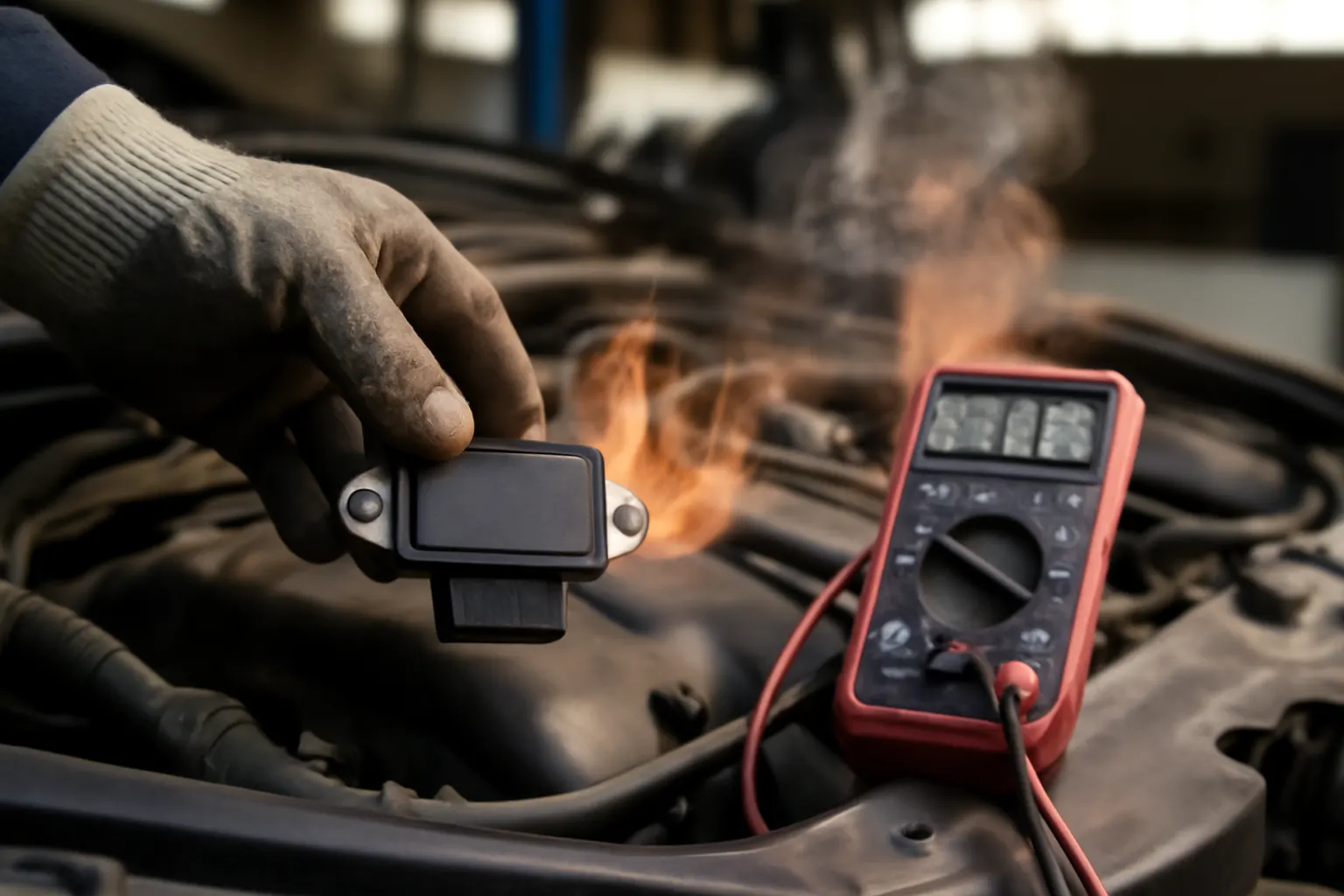
How Heat Affects Your Ignition Module
When your engine is running, heat is unavoidable. But did you know that excessive thermal stress can silently sabotage the very heart of your ignition system—the ignition module? Understanding how heat affects your ignition module is crucial to maintaining reliable starts, consistent performance, and long-term vehicle health. In this in-depth guide, we’ll break down why heat is such a formidable enemy, how to spot the warning signs, and what you can do to prevent heat-related failures.
Read More
Upgrading Your Ignition System for Performance
Upgrading your ignition system is a proven way to boost engine response, increase fuel efficiency, and extract more power from your vehicle—whether you’re building a street machine, prepping for track days, or simply want a more reliable daily driver. This guide will walk you through selecting and installing high-performance ignition modules and coils, highlight critical technical considerations, and provide actionable steps for a successful upgrade.
View Guide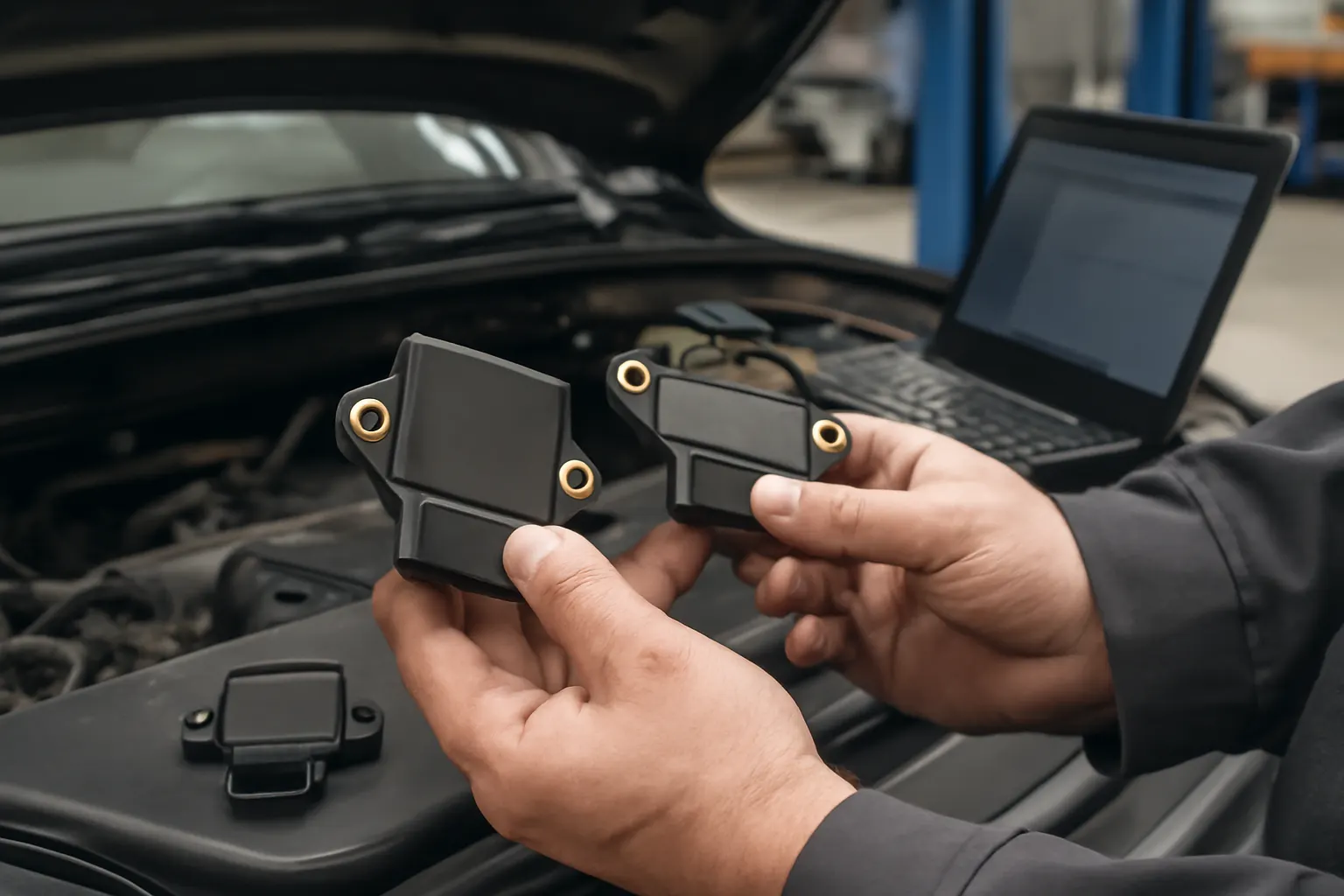
OEM vs Aftermarket Ignition Modules: What You Need to Know
Choosing the right ignition module is crucial for reliable engine performance, fuel efficiency, and long-term durability. If you're facing ignition troubles or planning preventive maintenance, you’ll inevitably confront the question: Should I choose an OEM (Original Equipment Manufacturer) or an aftermarket ignition module? This comprehensive guide will help you navigate the differences, advantages, and pitfalls of both options, ensuring you make an informed decision that protects your vehicle's performance and investment.
Read More