Advertisement
Choosing the right ignition module is crucial for reliable engine performance, fuel efficiency, and long-term durability. If you're facing ignition troubles or planning preventive maintenance, you’ll inevitably confront the question: Should I choose an OEM (Original Equipment Manufacturer) or an aftermarket ignition module? This comprehensive guide will help you navigate the differences, advantages, and pitfalls of both options, ensuring you make an informed decision that protects your vehicle's performance and investment.
For more foundational knowledge about ignition modules and their critical role in your vehicle's spark and timing, visit our Ignition Module: The Heart of Reliable Engine Spark and Timing category page.
Immediate Answer: OEM vs Aftermarket Ignition Modules—Which is Better?
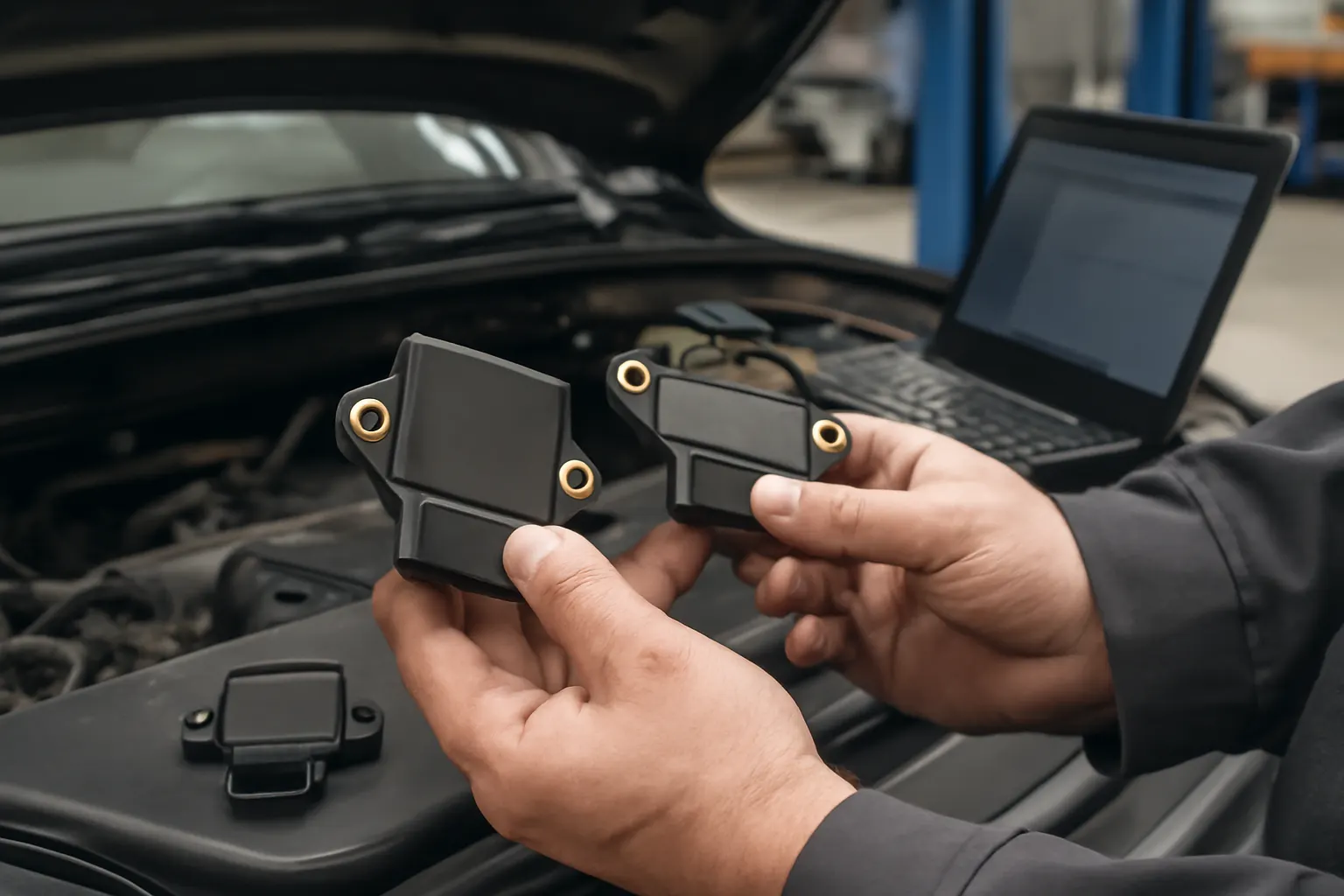
OEM ignition modules are designed and manufactured to the exact specifications of your vehicle’s original system, ensuring seamless compatibility, high reliability, and consistent performance. Aftermarket ignition modules, on the other hand, are produced by third-party companies and can vary widely in quality, fitment, and performance characteristics.
- Choose OEM if: You want guaranteed compatibility, adherence to original safety and emissions standards, and are willing to pay a premium for peace of mind.
- Consider aftermarket if: You’re seeking a cost-effective solution, need performance-tuned options, or your OEM module is discontinued—but only if you buy from a reputable brand with proven quality.
Both options have their place, but the right choice depends on your vehicle’s needs, your performance goals, and your tolerance for risk versus reward.
The Hidden Problem: Not All Ignition Modules Are Created Equal
The ignition module is a deceptively simple component with a complex job: it controls the timing and strength of the spark that ignites your engine’s air-fuel mixture. When it fails—or when a poorly matched replacement is installed—symptoms can range from hard starting and misfires to catastrophic engine damage.
Many owners assume any ignition module that “fits” will work. In reality, mismatched modules can cause:
- Erratic ignition timing
- Reduced fuel efficiency
- Increased emissions
- Potential damage to ignition coils and other electronics
These issues may not be immediately obvious, leading to hidden costs and long-term reliability concerns.
OEM Ignition Modules: The Benchmark for Compatibility and Reliability
What Defines an OEM Ignition Module?
OEM (Original Equipment Manufacturer) ignition modules are produced by the same company that supplied the part for your vehicle’s assembly line, or by a designated Tier 1 supplier under strict automaker specifications. They are engineered to integrate perfectly with your vehicle’s engine control unit (ECU), wiring harness, and ignition system.
Key features:
- Exact fitment: Designed for your make, model, and engine variant.
- Tested to automaker standards: Must pass rigorous durability, heat, and vibration testing.
- Regulatory compliance: Meets or exceeds federal safety and emissions standards as regulated by agencies like the NHTSA and EPA.
Advantages of OEM Ignition Modules
- Plug-and-play installation: No wiring modifications or programming required.
- Predictable performance: Maintains original engine characteristics, fuel economy, and emissions.
- Warranty compatibility: Less likely to void vehicle and emissions warranties.
- Safety assurance: Built to meet all applicable safety standards, reducing risk of electrical faults or fire.
Potential Drawbacks
- Higher cost: OEM modules are typically more expensive than aftermarket alternatives.
- Limited availability for older vehicles: Discontinued models may be difficult to source.
Aftermarket Ignition Modules: More Choices, More Variables
What Is an Aftermarket Ignition Module?
Aftermarket ignition modules are produced by independent companies not directly affiliated with the vehicle’s original manufacturer. They range from direct-replacement parts to performance upgrades with enhanced features.
Categories of aftermarket modules:
- Direct replacements: Designed to mimic OEM specs.
- Performance modules: Offer advanced features such as adjustable timing or higher spark energy.
- Universal fit: Marketed to fit multiple vehicle applications, sometimes requiring modifications.
Advertisement
Advantages of Aftermarket Ignition Modules
- Cost savings: Often significantly less expensive than OEM.
- Performance options: Some offer improved spark delivery or tunable features for enthusiasts.
- Availability: Easier to find for discontinued or rare vehicles.
Risks and Drawbacks
- Inconsistent quality: Wide variation in materials, assembly, and testing.
- Fitment issues: Universal or poorly engineered modules may not match OEM wiring, connectors, or mounting points.
- Potential for electrical interference: Inadequate shielding or design can cause erratic ECU behavior.
- Regulatory compliance: Not all aftermarket modules meet federal safety or emissions standards.
Technical Deep Dive: How Ignition Module Quality Affects Engine Performance
The ignition module’s role is to switch the ignition coil(s) on and off at precise intervals, creating the high-voltage spark that ignites the fuel-air mixture. Its operation is tightly integrated with the engine’s camshaft and crankshaft sensors, and it must withstand extreme temperature fluctuations, vibration, and electrical noise.
Key quality factors:
- Materials and construction: OEM modules use high-grade electronics and heat-resistant casings as outlined in Materials Technologies research.
- Circuit design: Properly engineered modules minimize electrical resistance and signal delay, ensuring accurate spark timing.
- Testing standards: OEM and some premium aftermarket modules are tested to SAE and NHTSA standards for durability and safety.
A subpar module can cause:
-
Delayed or weak spark
-
Engine misfires
-
Increased fuel consumption (see Fuel Efficiency)
-
Premature wear of ignition coils and plugs
Safety and Regulatory Considerations
Vehicle ignition systems are governed by strict safety and emissions regulations. The National Highway Traffic Safety Administration (NHTSA) monitors and enforces standards for critical electrical components, including ignition modules (Vehicle Safety and Equipment). Non-compliant parts can pose serious safety hazards and may result in failed safety inspections or recall actions.
Key points:
- OEM modules are always compliant with NHTSA and EPA regulations.
- Not all aftermarket modules are tested or certified to federal standards.
- Using a non-compliant module can result in increased emissions, electrical fires, or system failures.
Compatibility: Fitment Pitfalls and Solutions
Common Compatibility Issues
- Connector mismatch: Aftermarket modules may use generic connectors, requiring splicing or adapters.
- Mounting differences: Variations in case size or bolt pattern can prevent secure installation.
- ECU communication errors: Some modules lack the correct signal protocols, triggering fault codes or limp mode.
How to Ensure Proper Fitment
Use this checklist before purchasing:
Ignition Module Fitment Checklist
- Confirm year, make, model, and engine code compatibility.
- Check connector style and pin count against your original module.
- Verify mounting points and case dimensions.
- Ensure module is rated for your vehicle’s ignition system (DIS, coil-on-plug, etc.).
- Look for NHTSA or SAE compliance markings.
- Review user and professional installer feedback for your application.
Performance: Stock Reliability vs. Tuned Upgrades
OEM: Consistency and Longevity
OEM modules are tuned for the original engine calibration, delivering predictable ignition timing and spark energy. This is essential for:
- Daily drivers: Where reliability and fuel efficiency are priorities.
- Emissions compliance: Ensuring your vehicle passes inspection.
Aftermarket: Customization and Risk
Some aftermarket modules offer performance enhancements such as:
- Adjustable timing curves
- Increased spark energy for high-compression engines
- Programmable features for racing or off-road use
Warning: These features can improve performance but may also increase engine wear, emissions, or even cause engine damage if improperly set.
Diagnosing Ignition Module Issues: When Replacement Is Needed
Symptoms of a failing or mismatched ignition module include:
- Hard starting or no-start conditions
- Engine misfires, rough idle, or hesitation
- Sudden loss of power or stalling
- Illuminated check engine light (often with ignition-related codes)
- Increased fuel consumption
For a step-by-step troubleshooting guide, visit our Diagnosing Ignition System Failures editorial page.
Installation Best Practices: Avoiding Costly Mistakes
Whether you choose OEM or aftermarket, proper installation is critical:
- Disconnect battery: Prevent accidental shorts or ECU damage.
- Use dielectric grease: On connectors to prevent corrosion and improve conductivity.
- Torque fasteners to spec: Avoid overtightening, which can crack the module or mounting surface.
- Check grounds and wiring: Ensure all connections are clean, tight, and undamaged.
- Clear error codes: Use a scan tool to reset the ECU and verify proper operation.
Advertisement
Improper installation is a leading cause of premature ignition module failure, especially with aftermarket units that may require additional steps or modifications.
Maintenance and Longevity: Maximizing Module Life
Ignition modules are exposed to high temperatures and electrical stress. To maximize lifespan:
- Keep engine bay clean: Dirt and oil can insulate heat, increasing module temperature.
- Check for heat shield presence: Some modules require factory heat shields; always reinstall them.
- Inspect wiring regularly: Look for frayed wires or corroded connectors.
- Monitor engine temperature: Overheating accelerates electronic failure. Address cooling issues promptly.
For more on how thermal stress impacts module life, see How Heat Affects Your Ignition Module.
Sourcing: How to Buy the Right Ignition Module
Where to Buy
- Dealerships: For guaranteed genuine OEM parts.
- Specialty auto parts retailers: Offer both OEM and high-quality aftermarket options.
- Online marketplaces: Exercise caution—verify part numbers, seller reputation, and return policies.
What to Look For
- Brand reputation: Stick to well-known OEM suppliers or established aftermarket brands.
- Warranty: Prefer modules with at least a 1-year warranty.
- Certifications: Look for NHTSA, SAE, or ISO certifications for added assurance.
Red Flags
- Prices that seem too good to be true
- Vague fitment information
- No customer support or unclear return policies
Value Analysis: Cost vs. Performance vs. Risk
Here’s a quick comparison to help you weigh your options:
| Feature | OEM Module | Aftermarket Module |
|---|---|---|
| Compatibility | Guaranteed | Varies (check carefully) |
| Quality Control | Strict (OEM/automaker standards) | Inconsistent across brands |
| Price | Higher | Lower (with wide range) |
| Warranty | Usually 12-24 months | 90 days to lifetime (varies) |
| Performance Tuning | Stock only | Stock or performance options |
| Regulatory Compliance | Always compliant | Not always; check certification |
| Availability | May be limited for older models | Usually good, even for classics |
Upgrading for Performance: Is Aftermarket Worth It?
If you’re building a performance or racing engine, an aftermarket ignition module may offer features not available in OEM parts—such as programmable timing or higher spark output. However, these upgrades require:
- Careful matching to your engine’s needs
- Advanced tuning knowledge
- Willingness to accept increased maintenance and potential for component failure
For a detailed guide to performance ignition upgrades, see Upgrading Your Ignition System for Performance.
Real-World Scenarios: When to Choose OEM vs. Aftermarket
Choose OEM if:
- You drive a late-model vehicle under warranty.
- You require maximum reliability for daily use or long-distance travel.
- Your vehicle must pass strict emissions or safety inspections.
Choose Aftermarket if:
- OEM parts are discontinued or prohibitively expensive.
- You need a performance module for a modified engine.
- You’re restoring a classic and need a direct replacement unavailable from the OEM.
AutoPartEx Positioning: Your Trusted Source for Ignition Expertise
At AutoPartEx, we understand that choosing between OEM and aftermarket ignition modules is more than a price comparison—it’s about protecting your vehicle, your investment, and your driving experience. Our Ignition Module: The Heart of Reliable Engine Spark and Timing category features only thoroughly vetted parts from leading OEM and aftermarket brands, backed by expert support and clear fitment data.
If you’re unsure which module is right for your car, our technical team is available to guide you through compatibility checks, performance considerations, and installation best practices. Don’t leave your ignition system to chance—trust AutoPartEx for parts that meet your standards.
Conclusion: Making the Right Choice for Your Ignition Module
The decision between OEM and aftermarket ignition modules comes down to your specific needs, vehicle requirements, and risk tolerance. OEM modules deliver peace of mind with guaranteed fit and compliance, while quality aftermarket modules can offer savings or performance benefits—provided you do your homework.
Key takeaways:
- Always verify fitment and certifications.
- Prioritize quality and brand reputation over price alone.
- Follow best practices for installation and maintenance to maximize module life.
Your ignition module is the heart of your engine’s spark and timing system. Make your choice with confidence—and drive on.
References
Advertisement