Advertisement
When your engine is running, heat is unavoidable. But did you know that excessive thermal stress can silently sabotage the very heart of your ignition system—the ignition module? Understanding how heat affects your ignition module is crucial to maintaining reliable starts, consistent performance, and long-term vehicle health. In this in-depth guide, we’ll break down why heat is such a formidable enemy, how to spot the warning signs, and what you can do to prevent heat-related failures. Whether you’re a hands-on DIYer, a seasoned technician, or just want to avoid getting stranded, this is your expert roadmap.
If you’re looking for a comprehensive overview of ignition module function and fitment, check out our Ignition Module: The Heart of Reliable Engine Spark and Timing category page. For now, let’s dive into the thermal challenges every ignition module faces.
The Immediate Answer: Heat is the Ignition Module’s Silent Killer
Modern ignition modules are engineered to withstand high under-hood temperatures, but every component has its limits. Excessive or sustained heat exposure degrades internal electronic components—especially semiconductors and solder joints—causing erratic engine performance, misfires, hard starts, and even sudden breakdowns. Heat-related module failure is a leading cause of ignition system issues, especially in older vehicles or those operating in hot climates or under heavy loads.
The bottom line: If your ignition module is repeatedly exposed to high temperatures without adequate cooling or protection, its lifespan will be significantly reduced. Proactive heat management is essential for consistent ignition performance.
The Hidden Problem: Heat-Related Failures Are Often Misdiagnosed
Here’s the challenge—heat-induced ignition module failures can mimic a range of other ignition, fuel, or sensor issues. The symptoms often appear intermittently or only after the engine has reached operating temperature, leading to misdiagnosis and unnecessary part replacements.
Symptoms of heat-stressed ignition modules can include:
- Engine stalling after warm-up
- Intermittent no-start conditions, especially when hot
- Rough idle or engine misfires
- Loss of power under load
- Check engine light (with codes often pointing to ignition or misfire issues)
Because these symptoms overlap with other engine problems, technicians sometimes replace spark plugs, coils, or even fuel system components before pinpointing the true culprit. Understanding the unique ways heat impacts ignition modules is the key to fast, accurate fixes.
Why Are Ignition Modules So Sensitive to Heat?
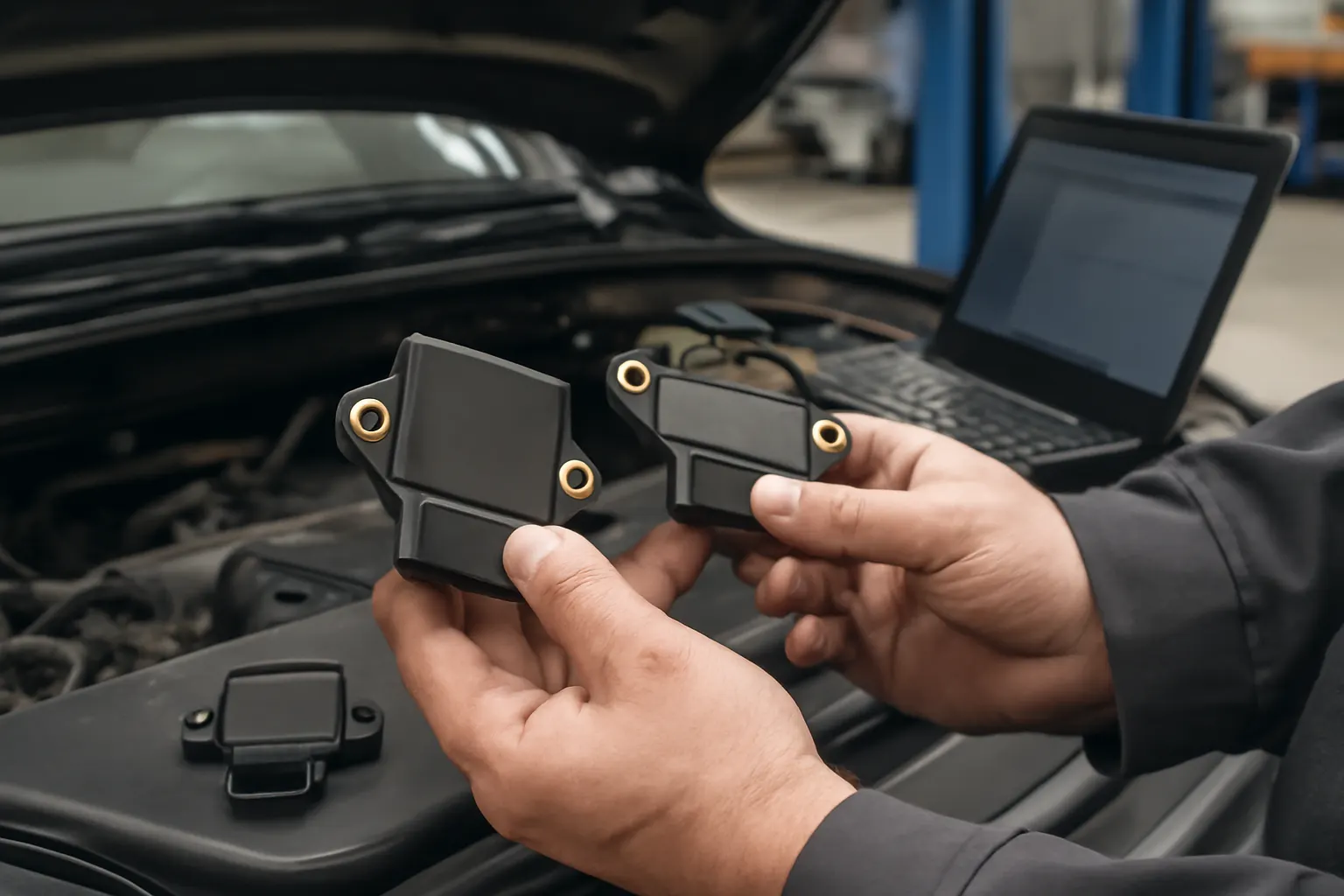
Ignition modules are solid-state devices that control the timing and firing of the ignition coil(s) based on input from sensors like the crankshaft position sensor. They rely on delicate microelectronics—transistors, resistors, and integrated circuits—encapsulated in protective resin or plastic housings.
Key Reasons for Heat Sensitivity:
- Semiconductor Degradation: Elevated temperatures accelerate the breakdown of silicon-based transistors, leading to weak or erratic output signals.
- Solder Joint Fatigue: Repeated heating and cooling cycles can cause solder joints to crack or fail, resulting in intermittent electrical contact.
- Insulation Breakdown: High heat can degrade the insulating materials inside the module, increasing the risk of short circuits.
- Thermal Expansion: Components expand at different rates, causing mechanical stress and potential internal fractures.
Even though manufacturers design ignition modules to meet strict SAE Standards for thermal endurance, real-world conditions—stop-and-go traffic, towing, high ambient temperatures—often exceed laboratory tests.
How Heat Builds Up in the Engine Bay
The engine compartment is a hostile environment for electronics. Ignition modules are frequently located near the engine block, intake manifold, or distributor—areas that can easily exceed 200°F (93°C) during operation. Several factors contribute to excessive module heating:
- Proximity to Exhaust Components: Modules mounted near exhaust manifolds or headers are exposed to radiant heat.
- Lack of Airflow: Poor engine bay ventilation traps heat around the module.
- Engine Load: Towing, hauling, or aggressive driving increases under-hood temperatures.
- Ambient Conditions: Hot climates or summer heatwaves amplify thermal stress.
- Aging Components: Dirty or restricted Air Box/Air Cleaner systems can reduce cooling airflow.
Understanding these heat sources is the first step to protecting your ignition module from premature failure.
Advertisement
Real-World Signs of Heat-Stressed Ignition Modules
Heat-related ignition module failures rarely happen overnight. Instead, they develop gradually, often presenting as frustrating, hard-to-trace symptoms. Here’s what to watch for:
Common Symptoms Checklist
- Engine stalls after running for 10–30 minutes, but restarts after cooling down
- Rough idle or hesitation when accelerating, especially after the engine is hot
- Sudden loss of power or misfire under heavy throttle
- Check engine light with “Ignition Control Circuit” or “Misfire” codes
- No-start condition only when the engine is hot (starts fine when cold)
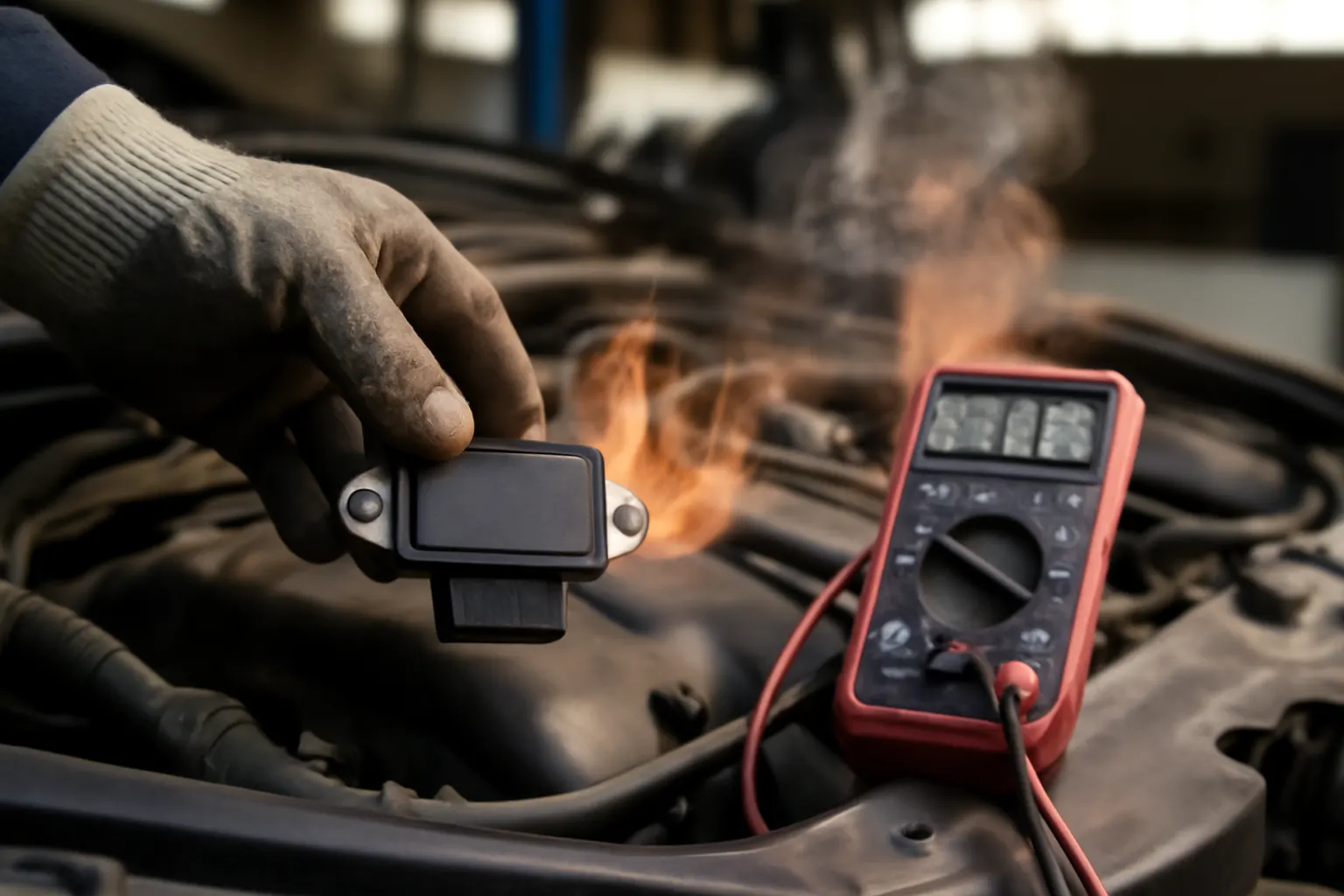
- Visible discoloration, melting, or cracking on the module housing
- Burnt smell or signs of overheating on the module or wiring
If you’re experiencing these symptoms, especially in hot weather or after heavy driving, suspect heat-related module stress as a likely cause.
Diagnosing Heat-Induced Ignition Module Failures
Proper diagnosis is critical to avoid unnecessary parts replacement. Here’s a proven step-by-step process for pinpointing heat-related ignition module issues:
Diagnostic Checklist
- Start with a Cold Engine: Note that the engine starts and runs smoothly when cold.
- Warm Up the Engine: Run the engine until it reaches normal operating temperature, ideally under load (test drive or idle with AC on).
- Monitor for Symptoms: Watch for stalling, misfire, or no-start conditions as the engine heats up.
- Check for Spark: If the engine stalls or fails to start hot, check for spark at the plugs. No spark often points to the ignition module.
- Scan for Codes: Use a scan tool to check for ignition-related trouble codes.
- Cool Down Test: Allow the engine to cool for 20–30 minutes and attempt to restart. If it starts, suspect heat-induced failure.
- Visual Inspection: Look for signs of heat damage on the module and connectors.
- Module Bench Test: If possible, remove the module and test it according to manufacturer procedures, applying gentle heat (hair dryer) to see if failure can be replicated.
If the module consistently fails only when hot and passes all other tests, replacement is usually warranted.
The Technical Side: How Heat Alters Module Performance
To understand why heat is such a threat, let’s briefly look at the module’s construction and operation:
- Internal Circuit Board: Houses transistors that switch the ignition coil on and off, creating spark.
- Thermal Interface Material: Some modules use heat sinks or thermal paste to transfer heat away from sensitive components.
- Protective Encapsulation: Resin or plastic housing shields electronics from moisture and vibration but can trap heat if not properly vented.
When temperatures climb:
- Transistor Leakage: High heat increases current leakage in transistors, leading to weak or erratic coil firing.
- Threshold Drift: The voltage required to trigger the coil may shift, causing misfires or no spark.
- Component Fatigue: Repetitive thermal cycling stresses solder joints and can cause microcracks, leading to intermittent failures.
These effects are cumulative—each overheating cycle brings the module closer to total failure.
The Impact on Fuel Efficiency and Emissions
A failing ignition module doesn’t just affect starting and drivability—it can also impact fuel economy and emissions. Inconsistent spark timing leads to incomplete combustion, increased hydrocarbon emissions, and wasted fuel. According to the United States Department of Energy, ignition system health is a key contributor to optimal fuel efficiency and reduced emissions.
Symptoms like misfires, rough idle, and loss of power force the engine control unit (ECU) to compensate, often by enriching the air-fuel mixture, further reducing fuel economy. For vehicles subject to emissions testing, a heat-stressed ignition module can cause test failures or trigger check engine lights.
Design and Materials: How Manufacturers Fight Heat
Automakers and ignition module manufacturers use several strategies to combat heat:
- Heat Sinks: Many modules include aluminum heat sinks to dissipate thermal energy.
- Thermal Paste: High-quality thermal interface materials improve heat transfer from sensitive electronics to the housing.
- Strategic Placement: Modules are sometimes relocated away from the hottest engine areas or shielded from exhaust heat.
- Upgraded Materials: According to the DOE’s Materials Technologies, advanced ceramics and polymers are increasingly used to improve thermal resistance and longevity.
- SAE Standards Compliance: Modules must meet rigorous SAE thermal and electrical durability standards.
Advertisement
Still, even the best designs have limits—especially as vehicles age and heat management systems degrade.
Preventing Heat-Related Ignition Module Failure: What You Can Do
Proactive maintenance and smart upgrades can dramatically extend module life. Here are practical steps to keep your ignition module cool and reliable:
Heat Management Checklist
- Inspect and Replace Engine Bay Shields: Ensure heat shields and engine covers are intact and properly installed.
- Check Cooling System Health: Overheating engines raise under-hood temperatures; maintain coolant levels and radiator efficiency.
- Keep Airflow Unobstructed: Remove debris from the Air Box/Air Cleaner and ensure all ducts are clear.
- Upgrade to High-Quality Modules: Choose modules with built-in heat sinks or advanced thermal materials, especially if you drive in hot climates.
- Use Thermal Paste on Installation: Apply fresh thermal paste between the module and mounting surface if specified by the manufacturer.
- Avoid Aftermarket “No-Name” Parts: Low-quality modules often lack proper thermal protection—see our guide on OEM vs Aftermarket Ignition Modules: What You Need to Know.
- Relocate Modules if Possible: For high-performance or custom applications, consider relocating the module away from heat sources.
- Regularly Inspect Connectors: Heat can cause connector pins to corrode or lose tension, so check and clean them during routine service.
When to Replace Your Ignition Module
How do you know it’s time to replace your ignition module? Consider replacement if you observe:
- Persistent heat-related symptoms (stalling, hot no-start, misfire)
- Visible signs of heat damage (melting, cracking, discoloration)
- Recurring trouble codes pointing to ignition circuit faults
- Module over 10 years old, especially in high-mileage or hot-climate vehicles
Replacement is a cost-effective way to restore reliability, prevent roadside breakdowns, and protect other ignition components from collateral damage.
Installation Tips: Maximizing Module Longevity
Proper installation is as important as part selection. Here’s how to ensure your new ignition module survives the heat:
- Follow Torque Specs: Overtightening can crack housings or strip threads, reducing thermal contact.
- Apply Thermal Paste: If required, use a thin, even layer of thermal paste between the module and its mounting surface.
- Secure All Connectors: Loose connections increase resistance and heat buildup.
- Double-Check Heat Shields: Reinstall all factory shields and covers.
- Avoid Routing Wires Near Hot Surfaces: Keep wiring away from exhaust manifolds and other heat sources.
For a step-by-step guide to ignition system upgrades, see Upgrading Your Ignition System for Performance.
Diagnostic Pitfalls: What NOT to Overlook
Even experienced technicians can miss heat-induced module failure. Here are common diagnostic errors:
- Relying Solely on Cold Tests: Always duplicate symptoms with the engine hot.
- Ignoring Visual Clues: Minor discoloration or a burnt smell can be early warning signs.
- Overlooking Related Components: Failing ignition coils or poor grounds can increase module heat load.
- Skipping Module Bench Tests: When possible, test the suspect module under simulated heat conditions.
When in doubt, consult your vehicle’s service manual for module-specific diagnostic procedures or check out our Diagnosing Ignition System Failures guide for broader troubleshooting strategies.
Sourcing the Right Replacement: What to Look For
Not all ignition modules are created equal. When sourcing a replacement:
- Prioritize Quality: Choose reputable brands that meet or exceed OEM specifications.
- Check for Heat Management Features: Look for integrated heat sinks, advanced encapsulation, or improved thermal paste.
- Verify Fitment: Use VIN or exact model/engine information to ensure compatibility—visit our Ignition Module: The Heart of Reliable Engine Spark and Timing page for application guidance.
- Consider Upgrades: Some performance modules offer improved heat resistance for demanding applications.
- Review Return Policies: Ensure you can return the module if symptoms persist after replacement.
AutoPartEx: Your Partner for Reliable Ignition Solutions
At AutoPartEx, we understand that ignition reliability is non-negotiable. That’s why we offer a curated selection of OEM and premium aftermarket ignition modules, each with detailed fitment data, technical support, and proven heat management features. Whether you’re maintaining a daily driver or upgrading for track days, our team can help you source the right module—and the right installation accessories—to keep your ignition system firing strong, no matter how hot it gets under the hood.
For more information, expert advice, and the latest in ignition technology, explore our Ignition Module: The Heart of Reliable Engine Spark and Timing category or contact our technical team today.
References
Advertisement