
Heater Core
Heater Core Selection and Diagnosis: What Owners Overlook
Heater core problems rarely announce themselves until comfort or safety is at stake. Many drivers overlook early warning signs or misunderstand the role this component plays in both heating and defrosting. By understanding how heater cores fail and how to approach diagnosis and replacement, you can prevent costly errors and ensure reliable cabin warmth. This guide covers what most owners miss, practical steps, and the evidence behind smart heater core decisions.
Showing 1–8 of 68 products


More Heater Core options
Filtering for Heater CoreBrowse nearby inventory for this category without leaving the page. Use search to filter by price, part number, or city.
No Data Available
Please check back soon when more inventory is available for this part.
Heater Core Selection and Diagnosis: What Owners Overlook
Why Heater Core Issues Are Often Missed
Drivers commonly focus on more obvious cooling system components, like the radiator or thermostat, when their vehicle’s heating performance drops. However, the heater core—a small, radiator-like device tucked deep within the dashboard—often escapes notice until symptoms escalate. Its hidden location and subtle early warning signs mean that many owners don’t realize they have a heater core problem until comfort or visibility is compromised. This oversight can lead to more extensive repairs down the line.
A heater core’s job is to transfer heat from the engine coolant into the cabin, providing warmth and aiding in defrosting. When it malfunctions, the effects can range from lukewarm air to a fogged windshield or even coolant leaks inside the vehicle. Unfortunately, because these symptoms can mimic other issues, such as a stuck thermostat or low coolant, the heater core is sometimes the last component checked. This delay can result in prolonged discomfort and potential damage to the vehicle’s interior.
Many people also underestimate the importance of regular cooling system maintenance in preventing heater core problems. Neglecting coolant changes or ignoring minor leaks can allow corrosion and debris to accumulate, eventually clogging or damaging the heater core. By the time a problem is recognized, repair costs may be higher due to the labor-intensive process of accessing and replacing this component. Recognizing the heater core’s role early can save time, money, and frustration.

Understanding Heater Core Failures and Their Impact
Heater core failures can be subtle but have significant consequences for both comfort and safety. A failing heater core may first present as reduced heat output, but the underlying issue can quickly escalate. If coolant begins to leak into the cabin, it not only causes unpleasant odors but can also result in slippery floors and fogged windows, creating potential safety hazards. Recognizing these symptoms early is crucial for timely intervention.
The heater core is a critical part of your vehicle’s HVAC (heating, ventilation, and air conditioning) system. It uses hot engine coolant to warm the air that is blown into the cabin. When the heater core becomes clogged with debris or corroded from old coolant, it loses efficiency. This can make it difficult to keep the cabin warm in cold weather or to effectively defrost the windshield, both of which are essential for safe driving.
Leaks are another common heater core problem. Because the component is located inside the dashboard, a leak often results in coolant pooling on the passenger-side floor or a sweet smell inside the car. Over time, this coolant loss can also lead to engine overheating, compounding the original issue. Addressing leaks promptly can prevent further damage to both the vehicle’s interior and its engine.
Diagnosing heater core issues is complicated by the fact that their symptoms overlap with other cooling system problems. For example, a thermostat stuck open may also cause poor cabin heat, while a low coolant level can affect both engine and heater performance. This makes it important to use a systematic approach to diagnosis, checking other components before concluding that the heater core is at fault. Skipping steps can lead to unnecessary part replacements and expenses.
Another challenge is the labor involved in accessing the heater core. Unlike many other cooling system parts, the heater core is typically buried behind the dashboard, requiring significant disassembly for inspection or replacement. This complexity often leads to higher labor costs, making accurate diagnosis even more important. Owners should be prepared for the possibility that a heater core repair will be more involved than a simple hose or thermostat swap.
Finally, some vehicle owners may not realize that heater core problems can be linked to inadequate maintenance. Old or contaminated coolant, skipped flushes, or ignored minor leaks all increase the risk of heater core failure. By understanding the connection between regular cooling system care and heater core longevity, owners can take proactive steps to avoid problems before they start. Preventive maintenance is often the most cost-effective solution.
Practical Steps for Diagnosing and Selecting a Heater Core
When faced with heater issues, start by gathering information about your vehicle’s symptoms and maintenance history. Is the air from the vents lukewarm, or is there a persistent fog on the windshield? Do you detect a sweet smell or notice coolant on the floor? These clues help narrow down whether the heater core is likely at fault or if another component deserves attention first. Documenting symptoms will also assist a technician if professional diagnosis is needed.
Next, check the coolant level and inspect for visible leaks under the hood and inside the cabin. Low coolant can cause poor heater performance, but if the level is consistently dropping without obvious external leaks, the heater core may be leaking internally. Examine the passenger-side floor for dampness or discoloration, as this is a common sign of a leaking heater core. If you find evidence of coolant inside the vehicle, further inspection is warranted.
Before replacing the heater core, rule out other potential causes of heating problems. Inspect the thermostat for proper operation and verify that the heater control valve is functioning. Blockages or air pockets in the cooling system can also reduce heater output. Bleeding the system and ensuring that coolant flows freely through the heater hoses can help determine if the core itself is blocked or if another issue is to blame. A systematic approach prevents unnecessary part replacements.
If diagnosis points to the heater core, consult your owner’s manual or a reputable repair guide to confirm the correct part number and specifications for your vehicle. Heater cores can vary significantly between models and years, so accuracy is essential. When selecting a replacement, consider whether you prefer an OEM (original equipment manufacturer) or aftermarket part. Each has advantages: OEM parts typically guarantee fit and function, while aftermarket options may offer cost savings or improved materials. For a detailed comparison, see OEM vs. Aftermarket Heater Cores: What You Need to Know.
If you choose to replace the heater core yourself, prepare for a complex job. Accessing the heater core usually involves removing dashboard panels, disconnecting hoses, and sometimes evacuating the air conditioning system. Carefully label all fasteners and electrical connections to ensure proper reassembly. If you lack experience with dashboard disassembly or HVAC systems, consider seeking professional help to avoid accidental damage or incomplete repairs. The FTC: Auto Repair Basics recommends obtaining a written estimate and understanding the parts and labor involved.
When working with a repair shop, ask for a written repair estimate that details the condition to be repaired, the parts needed, and anticipated labor charges. For expensive or complicated repairs like heater core replacement, the FTC suggests considering a second opinion and verifying the technician’s experience with your specific make and model. This helps ensure that the diagnosis is accurate and that you receive quality service. Always request a completed repair order listing the work performed, parts used, and costs incurred.
After replacement, monitor the system for leaks and verify that the heater is functioning properly. Check for any abnormal smells, fogging, or coolant loss over the next several days. If problems persist, revisit the diagnosis to ensure no other issues were overlooked. Regularly maintaining the cooling system—by flushing coolant at recommended intervals and inspecting hoses and connections—will help extend the life of your new heater core and prevent future problems. For more on preventive care, see Cooling System Maintenance: Protecting Your Heater Core.
Finally, keep all documentation related to the repair, including receipts, warranty information, and repair orders. This paperwork is valuable if you encounter further issues or need to verify the repair for resale purposes. It also helps track maintenance history, which can inform future service decisions. Staying organized and proactive ensures you get the most from your investment in a new heater core and maintain your vehicle’s comfort and safety.
What the Evidence Shows About Heater Core Diagnosis and Repair
The Federal Trade Commission’s official guidance on auto repair emphasizes the importance of a written repair estimate and a clear understanding of parts and labor involved in any major service, including heater core replacement. The FTC distinguishes between new, remanufactured, and salvage parts, noting that salvage parts are removed from another vehicle without alteration. This distinction is crucial when selecting a heater core, as the choice can affect both the longevity and performance of the repair. The FTC also advises consumers to compare shop recommendations with the manufacturer’s maintenance schedule and to ask why any extra service is proposed. These recommendations are general consumer protections and do not guarantee that a specific part will fit or that a particular seller offers a warranty. Instead, they provide a framework for making informed decisions and avoiding unnecessary expenses. See FTC: Auto Repair Basics.
The FTC’s guidance further highlights the value of obtaining a second opinion for expensive or complicated repairs, such as heater core replacement. Because the heater core is often difficult to access and labor-intensive to replace, confirming the diagnosis before authorizing work can prevent unnecessary costs. The FTC also recommends verifying the technician’s experience with your vehicle’s make and model, as specialized knowledge can improve the quality of the repair. These steps are not specific to any vehicle or heater core but are widely applicable to all major automotive repairs, reinforcing the need for diligence and documentation throughout the process.
NHTSA’s recall database provides a valuable resource for identifying safety-related defects in vehicles and their components, including heater cores. However, searching by year, make, and model yields only general recall information and does not confirm that a specific vehicle or part is subject to a recall. To determine if your vehicle’s heater core is affected by an active recall, you must use the VIN lookup tool provided by NHTSA. This tool reveals whether there are any unrepaired recalls associated with your vehicle’s unique identification number. General recall listings do not guarantee that your vehicle is included or that a particular heater core has a known defect. See NHTSA: Vehicle Recalls.
The NHTSA also explains the process for addressing safety recalls. When a manufacturer or NHTSA determines that a vehicle or equipment creates an unreasonable safety risk, a recall is issued. Owners are notified by mail and offered a remedy, which may include repair, replacement, or refund. However, not all heater core issues are subject to recall, and many failures result from wear, corrosion, or lack of maintenance rather than a manufacturing defect. Owners should not assume that a heater core problem will be covered by a recall unless they receive official notification or confirm eligibility through the VIN lookup tool. This underscores the importance of independent diagnosis and timely repair.
Neither the FTC nor NHTSA provides technical specifications, service intervals, or failure rates for specific heater core models. Their guidance is focused on consumer protection, documentation, and the recall process rather than detailed repair procedures or part compatibility. As a result, owners must rely on vehicle-specific repair guides, manufacturer recommendations, and reputable parts catalogs to identify the correct heater core for their application. When in doubt, consulting a professional or seeking a second opinion can help ensure that the right part is selected and installed correctly.
While there are no published statistics on heater core failure rates or repair outcomes in the supplied sources, both the FTC and NHTSA stress the importance of following the manufacturer’s maintenance schedule and addressing problems promptly. Preventive maintenance, such as regular coolant changes and inspections, is consistently recommended as the best way to avoid costly heater core repairs. If a heater core does fail, thorough documentation and adherence to consumer protection guidelines can help owners navigate the repair process and avoid unnecessary expenses.
For those comparing OEM and aftermarket heater cores, it is essential to review product details, warranty terms, and compatibility information from reputable sources. The supplied evidence does not endorse one type over the other but encourages consumers to gather as much information as possible before making a purchase. Reading reviews, consulting with experienced technicians, and verifying fitment through reliable catalogs or manufacturer resources are all prudent steps. For more on this topic, see OEM vs. Aftermarket Heater Cores: What You Need to Know.
Take the Next Step Toward Reliable Cabin Heat
If you suspect a heater core issue or are considering a replacement, start by documenting your symptoms and reviewing your vehicle’s maintenance history. Use trusted resources, such as the NHTSA VIN lookup and the FTC’s repair guidelines, to inform your next steps. Whether you choose to tackle the job yourself or work with a professional, prioritize accurate diagnosis, proper part selection, and thorough documentation. For more information and to explore available options, visit our Heater Core catalog or consult our guides on Diagnosing Heater Core Leaks and Blockages and Why Your Car’s Heater Isn’t Working: Top Causes and Fixes.
References
- NHTSA: Vehicle Recalls
- FTC: Auto Repair Basics
References
- NHTSA: Vehicle Recalls - NHTSA, accessed 2026-11-01
- FTC: Auto Repair Basics - FTC, accessed 2026-11-01
Related Guides & Articles

Diagnosing Heater Core Leaks and Blockages
Diagnosing heater core leaks and blockages involves a systematic approach: Identify symptoms: Look for coolant odor in the cabin, foggy windows, wet passenger-side carpet, or poor heater performance. Check coolant levels: Low coolant often points to internal leaks. Inspect for visible leaks: Examine under the dashboard and the firewall for dampness or coolant residue. Perform a pressure test: Use a cooling system pressure tester to force leaks to reveal themselves.
View Guide
Why Your Car’s Heater Isn’t Working: Top Causes and Fixes
When the temperature drops and your car’s heater blows cold air or fails altogether, it’s more than an inconvenience—it’s a signal that something in your vehicle’s climate control or cooling system needs attention. The most common reasons for heater failure range from a clogged heater core to malfunctioning blend doors and low coolant levels. Understanding these causes is critical for both immediate comfort and long-term vehicle health.
Read More
Cooling System Maintenance: Protecting Your Heater Core
Maintaining your vehicle’s cooling system is the most effective way to protect your heater core, ensure optimal cabin comfort, and avoid expensive repairs. Routine coolant changes, system inspections, and prompt attention to leaks or contamination directly extend the life of your heater core—helping you avoid sudden heat loss, fogged windows, and even engine damage.
View Guide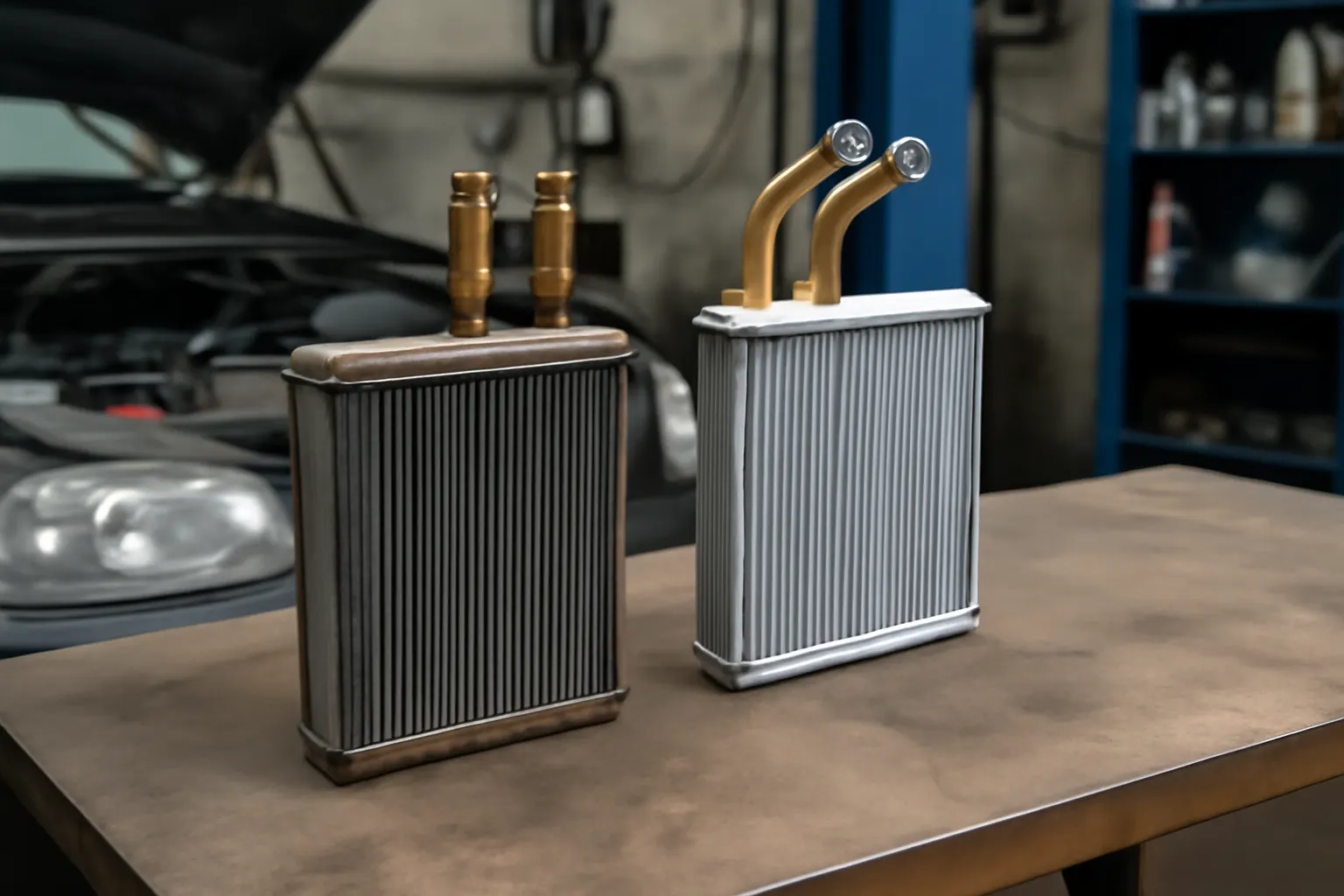
OEM vs. Aftermarket Heater Cores: What You Need to Know
OEM heater cores are built to the precise specifications of your vehicle’s manufacturer, using materials and construction methods intended to match the original performance, fit, and durability. Aftermarket heater cores are produced by third-party companies and can offer cost savings, increased material options, and sometimes improved designs—but may also present variability in fit, material quality, and longevity. Key Differences at a Glance: Many vehicle owners and even some repair professionals underestimate the impact of heater core selection.
Read More