Advertisement
When the temperature drops and your car’s heater blows cold air or fails altogether, it’s more than an inconvenience—it’s a signal that something in your vehicle’s climate control or cooling system needs attention. The most common reasons for heater failure range from a clogged heater core to malfunctioning blend doors and low coolant levels. Understanding these causes is critical for both immediate comfort and long-term vehicle health. This comprehensive guide from the AutoPartEx Technical Editorial Team breaks down the top heater malfunctions, how to diagnose them, and practical steps to restore warm, reliable airflow to your cabin.
If you’re looking for a broader understanding of heater core function, system design, and the parts involved, start with our Heater Core Technical Guide: Maximizing Cabin Comfort and System Longevity.
Why Your Heater Fails: The Immediate Answer
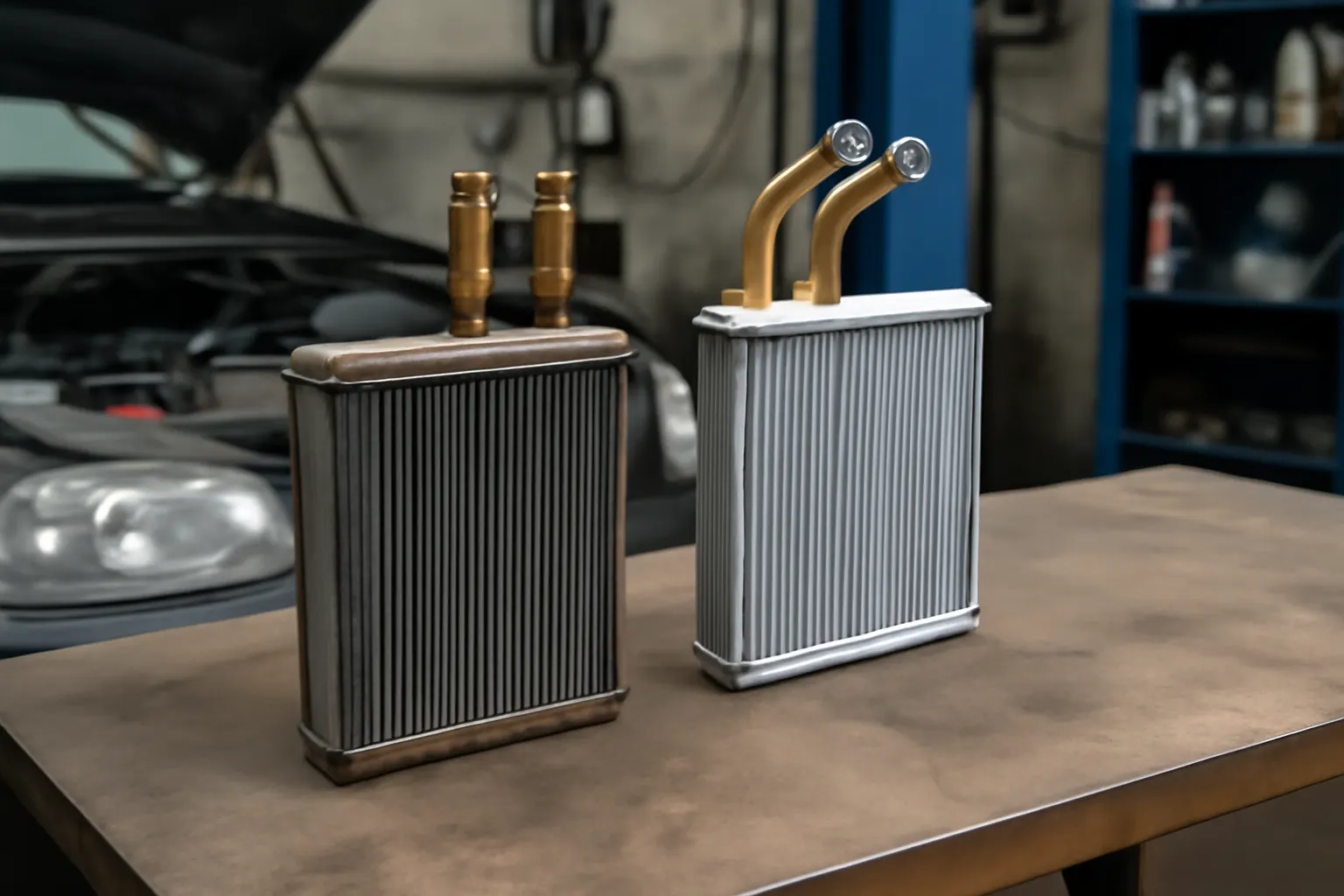
The heater in your vehicle relies on hot engine coolant flowing through a small radiator-like device called the heater core. A fan blows air across this core, sending warm air into the cabin. When your heater stops working, it’s most often due to:
- Low coolant level (caused by leaks or improper maintenance)
- Clogged heater core (buildup of rust, scale, or debris)
- Faulty blend door actuator (failure in the mechanism controlling hot/cold airflow)
- Malfunctioning thermostat (stuck open or closed, preventing proper engine temperature)
- Air trapped in the cooling system (leading to poor coolant circulation)
- Failed water pump (not circulating coolant through the engine and heater core)
- Electrical or control issues (blown fuses, bad switches, or faulty wiring)
These issues can often be diagnosed with basic tools and a methodical approach. However, hidden or overlapping problems may require deeper investigation.
The Hidden Problem: Heater Failure as a Symptom of Larger Issues
A malfunctioning heater is rarely an isolated failure. It often points to underlying issues within your car’s cooling system or HVAC (Heating, Ventilation, and Air Conditioning) controls. For example, a clogged heater core may signal neglected cooling system maintenance or corrosion. Similarly, a malfunctioning thermostat can affect both engine performance and fuel efficiency, as highlighted in Fuel Efficiency guidance from the U.S. Department of Energy.
Ignoring heater problems can lead to:
- Engine overheating (if coolant isn’t flowing properly)
- Reduced fuel efficiency (engine running cold or hot)
- Electrical faults (if control modules or actuators are failing)
- Permanent damage to the heater core or other components
For these reasons, prompt diagnosis and repair are essential—not just for comfort, but for the overall health of your vehicle.
How the Heater System Works: Technical Overview
To understand common heater failures, it’s important to know the components involved:
- Heater Core: A mini-radiator that receives hot coolant from the engine.
- HVAC Blower Fan: Pushes air across the heater core and into the cabin.
- Blend Door/Actuator: Mechanically directs airflow over the heater core or bypasses it for cold air.
- Thermostat: Regulates engine operating temperature and coolant flow.
- Water Pump: Circulates coolant throughout the engine and heater core.
- Coolant Reservoir, Radiator, and Hoses: Maintain system pressure and coolant levels.
When any of these components malfunction, the heater’s performance suffers. The system is engineered for efficiency, safety, and comfort, following standards set by organizations such as SAE International.
Diagnosing a Non-Working Car Heater: Step-by-Step
Before replacing parts or booking a costly repair, follow this systematic diagnostic process:
1. Check Coolant Level and Condition
- Inspect the coolant reservoir (when the engine is cool).
- Low or dirty coolant can reduce or block heat transfer.
- Top off with the manufacturer-recommended coolant if needed. If the coolant is rusty or sludgy, a flush may be required.
2. Feel the Heater Hoses
- With the engine warmed up, carefully feel both heater hoses going into the firewall.
- Both should be hot to the touch. If one is cold, the heater core may be clogged or coolant is not circulating.
3. Monitor Engine Temperature
- If your temperature gauge never reaches normal, suspect a stuck-open thermostat.
- If the engine overheats, the thermostat could be stuck closed, or there may be a coolant circulation problem.
4. Test the HVAC Controls
- Switch between hot and cold settings, and listen for changes in airflow or clicking sounds (which may indicate blend door actuator issues).
- If airflow doesn’t change, the actuator or the blend door itself may be faulty.
5. Check for Air in the System
- Air pockets can prevent proper coolant flow. Bleed the air out using the appropriate procedure for your vehicle.
Advertisement
6. Inspect for Leaks
- Look for coolant leaks under the car, around the radiator, water pump, or heater core area (often evidenced by a sweet smell or wet carpet inside the cabin).
7. Examine Electrical and Control Components
- Check fuses, relays, and wiring related to the HVAC system.
For a deep dive into leak and blockage diagnostics, see Diagnosing Heater Core Leaks and Blockages.
The Most Common Heater Problems Explained
Let’s break down the most frequent causes of heater failure and how each one impacts the system:
Clogged Heater Core
Over time, minerals, rust, and debris can accumulate inside the heater core, restricting coolant flow. This often results from skipped coolant flushes or using the wrong type of coolant. Symptoms include weak or no heat, a musty smell, or foggy windows due to a leaking core.
Faulty Blend Door or Actuator
The blend door determines whether air flows over the heater core (warm) or bypasses it (cool). If the actuator fails, the door may stick in the cold position, leaving you with icy air even when the engine is warm.
Low Coolant Level
Coolant leaks from hoses, the radiator, or the heater core itself can drop fluid below the minimum required for proper heater operation. Modern cooling systems are sealed and pressurized, so any loss is abnormal.
Malfunctioning Thermostat
A thermostat stuck open means the engine never reaches optimal temperature, resulting in lukewarm or cold air from the vents. A stuck-closed thermostat can cause overheating and potential engine damage.
Air Pockets in the Cooling System
After coolant changes or leaks, air can become trapped in the system, preventing full circulation through the heater core.
Water Pump Failure
A worn or damaged water pump can’t circulate coolant properly, starving the heater core of hot fluid.
Electrical or Control Issues
Blown fuses, faulty switches, or wiring problems can prevent the HVAC system from activating the fan, blend doors, or heater core circuits.
Troubleshooting Checklist: Why Your Car Heater Isn’t Working
Use this checklist to systematically identify the root cause:
| Symptom | Possible Cause | Diagnostic Step | Solution |
|---|---|---|---|
| Blows cold air only | Low coolant, stuck thermostat, blend door issue | Check coolant, thermostat, listen for actuator | Top up coolant, replace thermostat, repair actuator |
| Weak airflow | Clogged heater core, failing blower motor | Feel hoses, inspect blower | Flush/replace core, repair blower |
| Coolant leak, wet carpet | Heater core leak | Inspect under dash, check coolant level | Replace heater core |
| Engine overheating | Low coolant, stuck thermostat, water pump fail | Check coolant, test thermostat, inspect pump | Top up coolant, replace thermostat/pump |
| Clicking noise under dash | Blend door actuator failure | Listen during temp change | Replace actuator |
Addressing Clogged Heater Cores
A clogged heater core is a leading cause of heater failure, especially in vehicles with neglected cooling system maintenance. The buildup of rust and scale restricts coolant flow, resulting in poor heat transfer. If you suspect a clog:
- Flush the Heater Core: Disconnect the heater hoses and flush clean water (or a dedicated flush solution) through the core until it runs clear.
- Replace the Heater Core: Severely clogged or leaking cores may require replacement. This can be labor-intensive, as access is often behind the dashboard.
- Upgrade Coolant Practices: Use only manufacturer-approved coolant and flush the system at recommended intervals to prevent future blockages.
For a step-by-step guide, check our Diagnosing Heater Core Leaks and Blockages.
Blend Door Actuator and HVAC Control Failures
Modern vehicles use electric actuators to control blend doors in the HVAC system. These small motors can fail due to age, electrical faults, or mechanical jamming. Typical symptoms include:
- Clicking or knocking sounds behind the dash
- Airflow stuck on hot or cold regardless of control setting
- Inconsistent cabin temperature
Diagnosis and Solution:
- Listen for actuator noise when changing temperature settings.
- Access the actuator (often behind the glovebox or under the dash).
- Replace the faulty actuator with a new, vehicle-specific unit.
- Test the system after installation to ensure full range of motion.
Thermostat Issues: Stuck Open or Closed
The thermostat plays a critical role in regulating engine temperature. If it fails:
- Stuck Open: The engine runs cooler than intended, causing weak heat and reduced fuel efficiency (DOE Fuel Efficiency).
- Stuck Closed: The engine overheats, risking severe damage and potential heater failure.
Diagnosis:
Advertisement
- Monitor the temperature gauge. If it stays low, the thermostat may be stuck open. If it climbs rapidly, suspect a stuck-closed thermostat.
- Carefully feel the upper radiator hose after warm-up. If it stays cool, the thermostat isn’t opening.
Solution:
- Replace the thermostat with a high-quality, vehicle-specific part.
- Refill and bleed the cooling system to remove air.
Air in the Cooling System: Bleeding and Prevention
Air pockets form after coolant changes, leaks, or repairs. These pockets can prevent coolant from reaching the heater core.
How to Bleed the System:
- Park the vehicle on a level surface.
- With the engine cool, remove the radiator cap or open the bleed valve (if equipped).
- Start the engine and let it reach operating temperature.
- Turn the heater to full hot and the fan to high.
- Watch for air bubbles and top off coolant as needed.
- Replace the cap/close the valve once air is purged.
Prevention:
- Always follow the manufacturer’s procedure after coolant service.
- Use a spill-free funnel or vacuum fill tool for best results.
Water Pump and Coolant Circulation Problems
A failing water pump cannot circulate coolant efficiently, starving the heater core of hot fluid. Symptoms include:
- Overheating engine
- Whining or grinding noise from the pump area
- Coolant leaks near the pump
Diagnosis:
- Inspect for leaks around the pump.
- Check for looseness or play in the pump pulley.
- Listen for unusual noises with the engine running.
Solution:
- Replace the water pump with a quality part.
- Always replace the timing belt or serpentine belt if required by your vehicle’s service schedule.
Electrical and Control System Failures
Electrical faults can disable HVAC controls, actuators, or the blower motor.
Common Issues:
- Blown fuses or relays
- Faulty control switches or panels
- Wiring shorts or corrosion
Diagnosis:
- Inspect and test all fuses and relays related to the heater and blower circuits.
- Use a multimeter to check for power at the blower motor and actuator connectors.
- Replace or repair damaged switches and wiring as needed.
Advertisement
Preventive Maintenance: Protecting Your Heater Core and HVAC System
Regular maintenance is the key to heater system longevity and performance. Here’s how to keep your heater core and related components in top shape:
- Flush the Cooling System: Follow the manufacturer’s interval (typically every 2-5 years or 30,000-50,000 miles).
- Use Correct Coolant: Only use the coolant type specified for your vehicle.
- Inspect Hoses and Connections: Check for leaks, bulges, or cracks.
- Test the Thermostat: Replace as part of routine cooling system service.
- Run the Heater Regularly: Even in summer, running the heater for a few minutes helps keep the blend doors and core functioning.
- Check HVAC Controls: Address any unusual noises or inconsistent airflow early.
For a detailed maintenance guide, see Cooling System Maintenance: Protecting Your Heater Core.
Choosing Quality Replacement Parts: OEM vs. Aftermarket
When replacing a heater core or related components, quality matters. Poorly made parts can lead to premature failure, leaks, or fitment issues. Considerations include:
- OEM (Original Equipment Manufacturer) Parts: Designed to match your vehicle’s original specifications. Fit and function are typically guaranteed.
- Aftermarket Parts: Can offer cost savings and improved materials, but vary widely in quality. Always choose reputable brands and check compatibility.
For a comprehensive comparison, check our guide: OEM vs. Aftermarket Heater Cores: What You Need to Know.
Safety, Compliance, and System Standards
Heater core and HVAC repairs affect not only comfort but also safety. Foggy windows, for example, can impair visibility. The National Highway Traffic Safety Administration emphasizes the importance of functional defrost and ventilation systems for safe driving. Additionally, component materials and system designs are subject to SAE International standards and evolving materials technologies (DOE Materials Technologies) to ensure reliability and performance.
AutoPartEx: Your Partner for Diagnostics, Fitment, and Reliable Parts
At AutoPartEx, we combine technical expertise with a vast inventory of quality heater cores, actuators, thermostats, and supporting HVAC components. Our fitment tools, technical guides, and customer support ensure you get the right part for your specific AMC, Acura, Alfa, or any other make. Whether you’re a DIYer or a professional technician, trust AutoPartEx for:
- Accurate part matching by year, make, and model
- Detailed installation and diagnostic resources
- OEM and high-quality aftermarket options
- Fast shipping and industry-leading support
Start your repair or upgrade with the confidence that comes from working with a technical leader in automotive parts.
When to Call a Professional
While many heater issues can be addressed at home with patience and the right tools, certain repairs—such as heater core replacement—require extensive dashboard disassembly and specialized knowledge. If you’re unsure or uncomfortable with any step, consult a certified automotive technician. Proper repairs not only restore comfort but also protect engine health and vehicle value.
References
Advertisement