
Advertisement
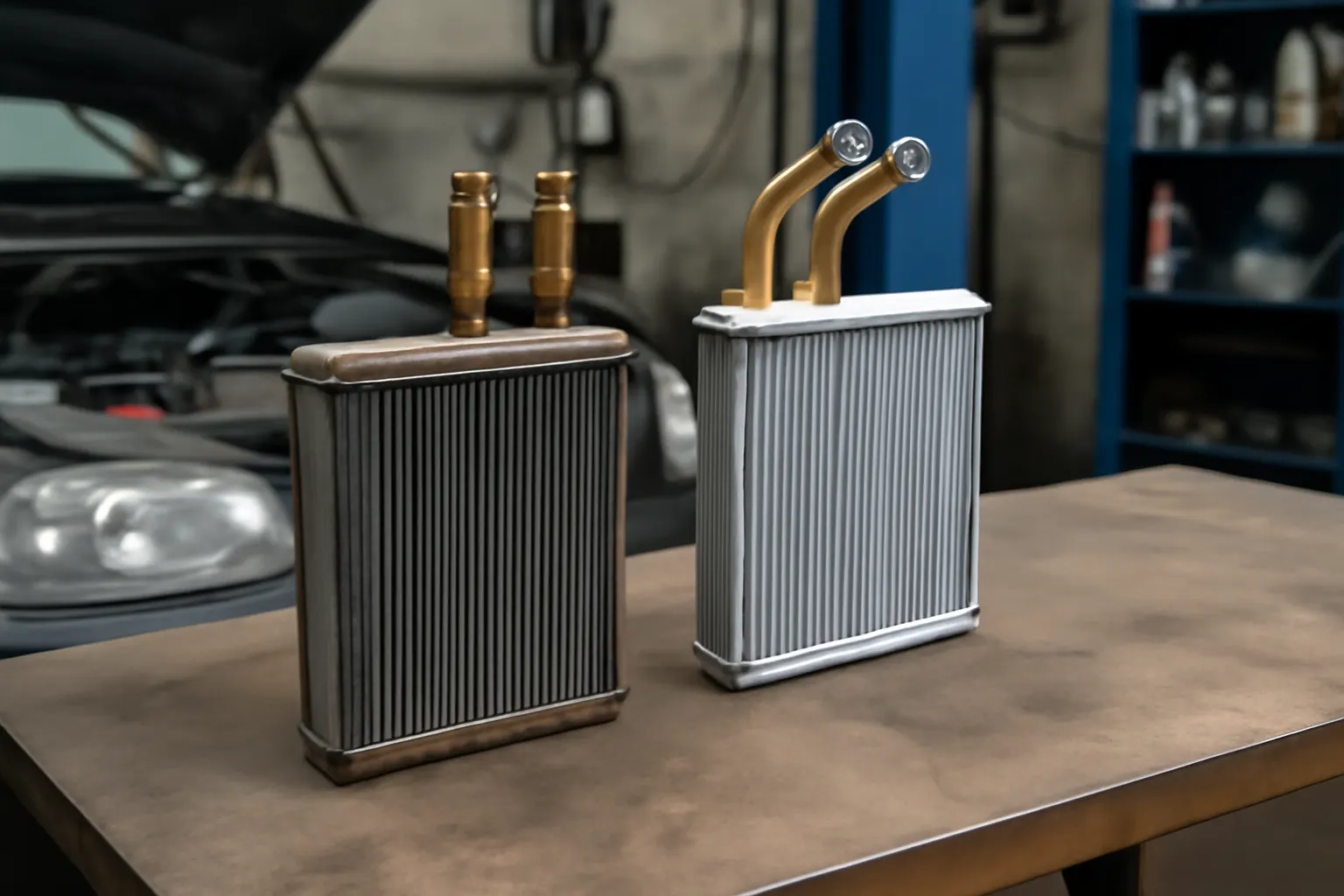
When your vehicle’s cabin heat starts to fade or you notice a sweet smell of coolant inside, a failing heater core is often to blame. The next step is critical: should you replace it with an Original Equipment Manufacturer (OEM) heater core, or can you confidently select an aftermarket alternative? This comprehensive guide delivers a technical, practical comparison of OEM and aftermarket heater cores, examining differences in material quality, fitment precision, performance, and long-term value. Whether you’re a technician, enthusiast, or vehicle owner, understanding these distinctions will help you make the right choice for comfort, reliability, and safety. For further foundational knowledge and system longevity tips, see our Heater Core Technical Guide: Maximizing Cabin Comfort and System Longevity.
Immediate Answer: OEM vs. Aftermarket Heater Cores
OEM heater cores are built to the precise specifications of your vehicle’s manufacturer, using materials and construction methods intended to match the original performance, fit, and durability. Aftermarket heater cores are produced by third-party companies and can offer cost savings, increased material options, and sometimes improved designs—but may also present variability in fit, material quality, and longevity.
Key Differences at a Glance:
| Factor | OEM Heater Core | Aftermarket Heater Core |
|---|---|---|
| Fitment | Guaranteed, vehicle-specific | Varies; may require adaptation |
| Material Quality | Designed to OE standards | Ranges from equal to inferior |
| Performance | Matches original | Can vary; sometimes improved |
| Cost | Higher | Lower to moderate |
| Availability | Dealer or authorized sources | Broad retail and online access |
| Warranty | Manufacturer-backed | Varies by brand |
The Hidden Problem: Why the Choice Matters
Many vehicle owners and even some repair professionals underestimate the impact of heater core selection. While both OEM and aftermarket options may restore cabin heat initially, the wrong choice can lead to persistent fitment issues, coolant leaks, reduced heater output, or even premature core failure. These problems are not always immediately apparent and can result in repeated labor costs, safety concerns, and avoidable downtime.
Beyond comfort, heater core performance is intertwined with defogging safety, climate control system efficiency, and even engine cooling. A subpar heater core can compromise these systems, leading to secondary issues that are costly and inconvenient.
Expanding the Problem: Material Science and Engineering Standards
Material Quality and Its Impact
Heater cores are typically constructed from aluminum or copper/brass alloys. The United States Department of Energy emphasizes the importance of advanced materials in automotive systems for weight reduction, corrosion resistance, and thermal performance [^1]. OEM heater cores are engineered with carefully selected alloys and coatings to resist corrosion from coolant, electrolysis, and environmental contaminants.
Aftermarket heater cores, however, may use a wider range of materials, sometimes substituting thinner aluminum or lower-grade solder. This can lead to:
- Premature corrosion or pinhole leaks
- Reduced heat transfer efficiency
- Higher susceptibility to vibration-induced damage
Engineering and Fitment Standards
OEM heater cores conform to strict SAE and manufacturer standards for tube spacing, fin count, and overall dimensions, ensuring consistent airflow and coolant flow. Aftermarket cores may deviate slightly, sometimes requiring modifications to mounting brackets, hose connections, or even the HVAC air box. Such deviations can affect:
- Airflow through the core and defroster ducts
- Coolant flow rates
- Ease and reliability of installation
For more on system diagnostics and fitment issues, see Diagnosing Heater Core Leaks and Blockages.
Technical Comparison: OEM vs. Aftermarket Heater Cores
Construction Details
OEM Heater Cores:
- Manufactured to original vehicle specifications.
- Use high-grade, corrosion-resistant alloys.
- Tube and fin geometry optimized for vehicle HVAC system.
- Soldered or brazed joints tested for leak resistance.
- Coatings designed to withstand OEM coolant chemistry.
Aftermarket Heater Cores:
- May use cost-saving measures such as thinner materials or simplified joint design.
- Tube and fin counts may differ, affecting heat transfer.
- Some premium aftermarket brands match or exceed OEM specs, but verification is essential.
- Joint quality and soldering can be inconsistent among budget brands.
Advertisement
Performance and Longevity
Heater core performance is measured by temperature differential, airflow resistance, and pressure drop. OEM cores are validated for these parameters, ensuring a balance between rapid cabin warm-up and system efficiency. Aftermarket cores, especially lower-cost options, may show:
- Lower heat output
- Increased risk of leaks or blockages
- Shorter service life under real-world conditions
Safety and Regulatory Compliance
The National Highway Traffic Safety Administration (NHTSA) regulates replacement parts for safety and equipment standards [^2]. OEM parts always comply, while reputable aftermarket manufacturers often certify compliance. However, low-cost, uncertified cores may not meet these requirements, with potential consequences for occupant safety (e.g., ineffective defogging).
Diagnosing Heater Core Needs: Symptoms and Inspection
Before choosing a replacement, confirm that the heater core is the root cause of cabin heating issues. Common symptoms include:
- Sweet coolant smell inside the cabin
- Wet passenger-side carpet
- Foggy windows that don’t clear with defrost
- Low or no heat output despite engine warming up
- Visible coolant leaks under the dashboard
Inspection Steps:
- Check coolant level—low coolant can reduce heater performance.
- Inspect for leaks—look for dampness under the dash or coolant dripping in the footwell.
- Feel heater hoses—with the engine warm, both hoses should be hot; a cold return hose may indicate blockage.
- Test defroster effectiveness—poor performance can signal a core or airflow issue.
If you identify a failed heater core, it’s time to consider your replacement options.
Sourcing the Right Heater Core: Factors to Evaluate
OEM Heater Cores
- Best for: Owners prioritizing guaranteed fit, original performance, and long-term durability.
- Sources: Dealership parts counters, authorized parts retailers, or reputable online platforms listing genuine parts.
- Considerations: Higher cost, but reduced risk of installation surprises.
Aftermarket Heater Cores
- Best for: Cost-conscious buyers, older vehicles, or those seeking material upgrades (e.g., all-aluminum construction).
- Sources: Automotive parts stores, online retailers, and specialized HVAC suppliers.
- Considerations: Research brand reputation; seek documented compliance with SAE and NHTSA standards.
Checklist: What to Ask When Buying a Heater Core
- Is the core listed as a direct fit for my vehicle’s make, model, and year?
- Does the manufacturer provide material and construction details?
- Are there reviews or independent tests regarding fitment and durability?
- What is the warranty coverage?
- Does the part meet or exceed OEM and regulatory standards?
Installation Considerations: Fitment and Labor
OEM Heater Core Installation
- Fitment: Designed to drop into the original HVAC box with no modifications.
- Labor: Still labor-intensive—often requires dashboard removal—but minimizes surprises.
- Hoses and Seals: OEM cores typically include or recommend compatible seals and hose connections.
Aftermarket Heater Core Installation
- Fitment: May require trimming, bending, or adapting mounting brackets.
- Dimensions: Slight differences in tube length or port orientation can complicate installation.
- Potential Issues: Increased risk of leaks if hoses don’t seal perfectly, or if HVAC box needs modification.
Pro Tip: Always compare the new core side-by-side with the old unit before installation. Test-fit connections and check for any interference before reassembling the dashboard.
Performance and Efficiency: Real-World Outcomes
Heat Output and Cabin Comfort
OEM heater cores are engineered for optimal heat transfer and airflow, ensuring quick cabin warm-up and effective defogging. Aftermarket cores may underperform if tube and fin density are reduced, or if internal flow is restricted.
Impact on Engine Cooling and Fuel Efficiency
A heater core acts as a secondary radiator, especially in cold weather. Poor heat transfer or coolant flow can increase engine temperatures or force the HVAC blower to work harder, impacting fuel efficiency and system longevity [^3].
Diagnosis of Performance Issues
If a new heater core delivers weak heat or causes coolant odor, re-check for installation errors, air pockets in the cooling system, or mismatched hose sizes. Use a scan tool or infrared thermometer to compare inlet and outlet temperatures for diagnostic accuracy.
Advertisement
Maintenance and Longevity: Protecting Your Investment
Preventive Maintenance
- Use the correct coolant for your vehicle, as specified by the manufacturer.
- Flush the cooling system at recommended intervals to prevent sediment buildup.
- Inspect and replace heater hoses as needed to avoid leaks or blockages.
Signs of Premature Failure
- Recurring coolant leaks in the cabin.
- Loss of heat output after a short period.
- Corrosion or discoloration on heater core tubes or fins.
Aftermarket-Specific Risks
Lower-quality aftermarket heater cores are more susceptible to electrolysis corrosion and may have less robust solder joints. Monitor for early signs of failure, especially in vehicles with modified or high-mileage cooling systems.
Regulatory and Safety Considerations
NHTSA and Replacement Part Compliance
The NHTSA requires that all replacement heater cores for street vehicles meet minimum safety and equipment standards 1. OEM parts automatically comply; reputable aftermarket brands should indicate compliance on packaging or product literature.
Recalls and Safety Bulletins
Always check for recalls or technical service bulletins related to your vehicle’s heater core or HVAC system. Using a non-compliant part can affect vehicle safety, especially in climates where defrosting is critical.
Documentation and Certification
Request documentation from the supplier regarding SAE standards and NHTSA compliance. Avoid bargain parts with unclear origin or lacking certification.
Cost-Benefit Analysis: Upfront vs. Long-Term Value
Upfront Cost
- OEM: Typically 1.5–3 times the cost of aftermarket alternatives.
- Aftermarket: Broad price range; premium brands may approach OEM pricing, but budget options can be significantly less.
Long-Term Value
- OEM cores often last as long as the original, minimizing repeat labor costs.
- Aftermarket cores may require earlier replacement, particularly if material quality is subpar.
Labor Costs
Heater core replacement is among the most labor-intensive HVAC repairs. Saving on parts but repeating the job due to premature failure can erase any initial savings.
Selection Checklist: Choosing the Right Heater Core
Use this detailed checklist to evaluate your options:
Heater Core Selection Checklist
- Confirm vehicle make, model, year, and trim.
- Review OEM part number and compare with aftermarket cross-references.
- Examine material specifications (aluminum, copper/brass, coatings).
- Assess tube and fin density for heat transfer.
- Verify dimensions and port orientation.
- Check for included seals, gaskets, and mounting hardware.
- Research manufacturer reputation and customer feedback.
- Confirm warranty terms and conditions.
- Ensure compliance with SAE and NHTSA standards.
- Evaluate installation instructions and support availability.
Expert Solution Path: Making the Right Choice
- Diagnose the root cause of your heater issue with a thorough inspection.
- Decide on OEM or aftermarket based on your priorities—fitment, performance, cost, and vehicle age/value.
- Research brands and suppliers for documented compliance and reputation.
- Order the correct part, ensuring all necessary seals and hardware are included.
- Prepare for installation by reviewing service manuals and gathering required tools.
- Test the system after installation for leaks, heat output, and proper operation.
- Maintain the cooling system proactively to maximize heater core life.
If you are uncertain about diagnosis or installation, consult a qualified technician or reference our Why Your Car’s Heater Isn’t Working: Top Causes and Fixes for more troubleshooting tips.
AutoPartEx Positioning: Your Trusted Source for Heater Core Solutions
At AutoPartEx, we recognize that heater core replacement is a high-stakes repair—affecting not just comfort, but safety and system longevity. Our curated catalog features both OEM and rigorously vetted aftermarket heater cores, complete with verified fitment data, material specifications, and customer reviews. We support your decision with technical guides, buying checklists, and access to industry standards.
Whether you’re servicing a daily driver, restoring a classic, or maintaining a fleet, AutoPartEx is your partner for reliable, compliant, and high-performance HVAC solutions. For a deeper dive into heater core technology and system care, don’t miss our Heater Core Technical Guide: Maximizing Cabin Comfort and System Longevity.
References
- Materials Technologies – United States Department of Energy
- Vehicle Safety and Equipment – National Highway Traffic Safety Administration
- Fuel Efficiency – United States Department of Energy
Footnotes
Advertisement
