
Cabin Air Filter
Cabin Air Filter | OEM Replacement & Maintenance | AutoPartEx.io
A properly functioning cabin air filter is essential for maintaining high air quality inside your vehicle's cabin. As a critical part of your car's HVAC system, the cabin air filter traps dust, pollen, smog, and other airborne contaminants, keeping the air you breathe fresh and clean. Explore OEM-quality cabin air filters and expert guidance at AutoPartEx, and learn how these parts work in concert with your vehicle's air filter and cabin air filter for optimal performance.
Most drivers are unaware that a neglected cabin air filter can silently degrade their driving experience and even pose health risks. While the effects may be subtle at first, an overdue filter allows pollutants, allergens, and even harmful gases to circulate within the vehicle, often without noticeable symptoms until discomfort or system strain occurs.
Technically, a clogged or outdated cabin air filter creates increased resistance in the HVAC system, reducing airflow and straining blower motors. This can manifest as weak airflow through vents, persistent musty odors, and fogged windows that are harder to clear. Over time, airborne particulates accumulate on the filter media, reducing HVAC efficiency, accelerating interior wear, and exposing occupants to higher concentrations of irritants.
Diagnosis starts with recognizing symptoms such as decreased airflow, unpleasant odors, or visible debris in the filter housing. Routine inspection every 12,000 to 15,000 miles is recommended, but cabin air filters in urban or dusty environments may require more frequent service. Replacement is typically a straightforward DIY job—just match the correct OEM fitment for your vehicle, follow installation procedures, and ensure the filter is seated properly. For best results, use filters that meet or exceed manufacturer specifications.
Showing 8 of 10 products


More Cabin Air Filter options
Filtering for Cabin Air FilterBrowse nearby inventory for this category without leaving the page. Use search to filter by price, part number, or city.
No Data Available
Please check back soon when more inventory is available for this part.
Cabin Air Filter Technical Reference & Application
Cabin Air Filter Functionality
Cabin air filters are engineered to remove particulates and pollutants from the air entering your vehicle’s interior. They rely on advanced synthetic or cellulose media to trap dust, pollen, spores, and microscopic debris. Some filters also incorporate activated carbon layers for odor and gas absorption, further enhancing air quality.
Symptoms of Filter Degradation
Common indicators of a failing cabin air filter include reduced HVAC performance, stale or musty odors, increased dust accumulation on interior surfaces, and fogged windows. Allergy sufferers may also notice heightened sensitivity or discomfort when the filter is restricted or contaminated.
Replacement & Maintenance Intervals
Most vehicle manufacturers recommend cabin air filter replacement every 12,000 to 15,000 miles or annually. However, driving in heavy traffic, urban pollution, or dusty environments may necessitate more frequent changes. Always consult your owner’s manual, and opt for OEM or high-grade aftermarket filters to guarantee compatibility and performance.
In the decades since, cabin air filter technology has advanced significantly. Modern filters employ multi-layered media, often combining synthetic fibers with activated carbon, allowing them to capture ultrafine particles and neutralize odors or gaseous pollutants like ozone and exhaust fumes. This dual-action design not only improves air quality but also helps reduce the buildup of contaminants within the HVAC evaporator and ductwork, preventing odor formation and maintaining system efficiency. The meticulous engineering behind cabin air filters is directly linked to vehicle safety and comfort standards, as recognized by regulatory organizations such as the National Highway Traffic Safety Administration.
The technical design of a cabin air filter centers on maximizing surface area for particulate capture while minimizing restriction to airflow. Pleated filter media provide a large capture area within a compact housing, and frames are engineered to create a tight seal, preventing bypass of unfiltered air. The precise fitment is critical—an ill-fitting or improperly installed filter can allow contaminants to circumvent the filtration process, defeating its purpose entirely. In addition, research supported by the United States Department of Energy highlights how advanced materials in filter construction contribute to overall vehicle efficiency, both by protecting sensitive HVAC components and by ensuring optimal airflow, which reduces strain on blower motors and can have a modest positive effect on fuel efficiency due to lower parasitic loads.
From a maintenance perspective, the cabin air filter is one of the most accessible and cost-effective components to service. Most filters are located behind the glove box or under the hood, requiring only simple hand tools or, in many cases, no tools at all. Replacement typically involves opening the filter compartment, removing the old filter, and inserting a new one in the correct orientation. Despite its simplicity, this maintenance item is often overlooked, leading to a gradual decline in air quality and HVAC performance. Proactive replacement, using filters that meet or exceed OEM standards, ensures long-term comfort, protects sensitive electronics and sensors, and upholds both driver and passenger health. For DIY enthusiasts and professional technicians alike, following the recommended maintenance schedule and opting for premium filtration technology delivers measurable benefits in every drive.
Engineering Excellence & Technical Specifications
Cabin air filters embody modern automotive engineering, combining advanced materials with precision fitment to deliver high filtration efficiency and long-term durability. AutoPartEx offers OE-grade filters that meet or exceed manufacturer specifications, ensuring optimal protection for your vehicle’s HVAC system and interior air quality.
Technical Excellence
Our cabin air filters leverage multi-layer synthetic media, pleated for maximum capture area, and often include activated carbon for enhanced filtration. They are rigorously tested to withstand high airflow rates and environmental stress, ensuring consistent performance throughout their service life.
Performance Analysis
OEM-equivalent filters deliver up to 99% filtration efficiency for particles as small as 2.5 microns. Properly maintained filters protect against allergens, dust, and environmental pollutants while maintaining unrestricted airflow for efficient HVAC operation.
Innovation & Technology
Advancements in filter media, such as electrostatically charged fibers and antimicrobial coatings, further enhance contaminant capture and prevent microbial growth. AutoPartEx sources filters that incorporate the latest industry innovations for superior occupant protection.
Quality & Manufacturing
Each filter is built to precise OEM dimensions and undergoes strict quality control for fit, finish, and material integrity. AutoPartEx partners only with reputable manufacturers to guarantee that every cabin air filter delivers consistent, reliable service.
Cabin Air Filter Parts & Service Information
DIY Cabin Air Filter Replacement
Most cabin air filters are accessible behind the glove box or under the hood. Replacement involves opening the housing, removing the old filter, and installing the new one with correct orientation. Always check for debris and secure the housing after installation.
Difficulty: Easy • Tools: Screwdriver (if required), gloves
Diagnosing Cabin Air Quality Issues
If you notice reduced airflow, odors, or increased dust, inspect the cabin air filter for blockage or contamination. A visual check can often confirm if replacement is needed. Persistent issues may require inspection of the HVAC blower or ducts.
Difficulty: Moderate • Tools: Flashlight, screwdriver
Selecting the Right Filter
Choose a cabin air filter that matches your vehicle's OEM specifications. Consider filters with activated carbon or allergen-blocking features for enhanced protection, especially if you drive in urban or polluted environments.
Difficulty: Expert • Tools: VIN lookup, OE part number, reference chart
Maintaining HVAC System Health
Regularly replace the cabin air filter and inspect the HVAC intake for leaves or debris. This prevents strain on blower motors and keeps the system operating efficiently, reducing long-term maintenance costs.
Difficulty: Moderate • Tools: Vacuum, screwdriver, gloves
References
- Vehicle Safety and Equipment - National Highway Traffic Safety Administration, accessed 2024-06-01Supports safety impact of cabin air filters and the importance of proper maintenance and equipment.
- Fuel Efficiency - United States Department of Energy, accessed 2024-06-01Provides information on how regular maintenance, including filters, improves vehicle efficiency.
- Materials Technologies - United States Department of Energy, accessed 2024-06-01Details advancements in filter media and materials used in modern cabin air filters.
Related Guides & Articles

Cabin Air Filter Replacement: Installation and Safety Guide
Cabin air filter replacement is a critical maintenance procedure that ensures clean, allergen-free air circulates within your vehicle’s interior. This comprehensive guide delivers step-by-step instructions for safe removal, proper installation, alignment techniques, and post-installation verification—everything required for optimal protection and vehicle cabin air quality. Whether you’re a DIY enthusiast or a professional technician, understanding the nuances of this process will help maintain both comfort and safety for all occupants.
View Guide
Cabin Air Filter Safety: Performance and Protection
Cabin air filters are not just comfort components—they are critical safety devices that directly influence vehicle performance and protect occupants from hazardous airborne contaminants. A well-maintained, high-quality cabin air filter ensures clean air inside your vehicle, preserves HVAC system efficiency, and supports safe driving conditions in all environments. Whether you drive a compact sedan, a heavy-duty truck, or a family SUV, understanding the safety role of your cabin air filter is essential for protecting both your health and your vehicle’s operational integrity.
Read More
Preventing Cabin Air Filter Damage: Maintenance and Protection
A healthy cabin air filter is essential for clean, safe, and comfortable driving. To maximize filter life, maintain optimal HVAC performance, and protect vehicle occupants from airborne contaminants, proactive maintenance and damage prevention strategies are critical. This guide delivers actionable steps and technical insights to help you prevent cabin air filter damage, recognize early warning signs, and ensure your vehicle’s filtration system operates at peak efficiency.
View Guide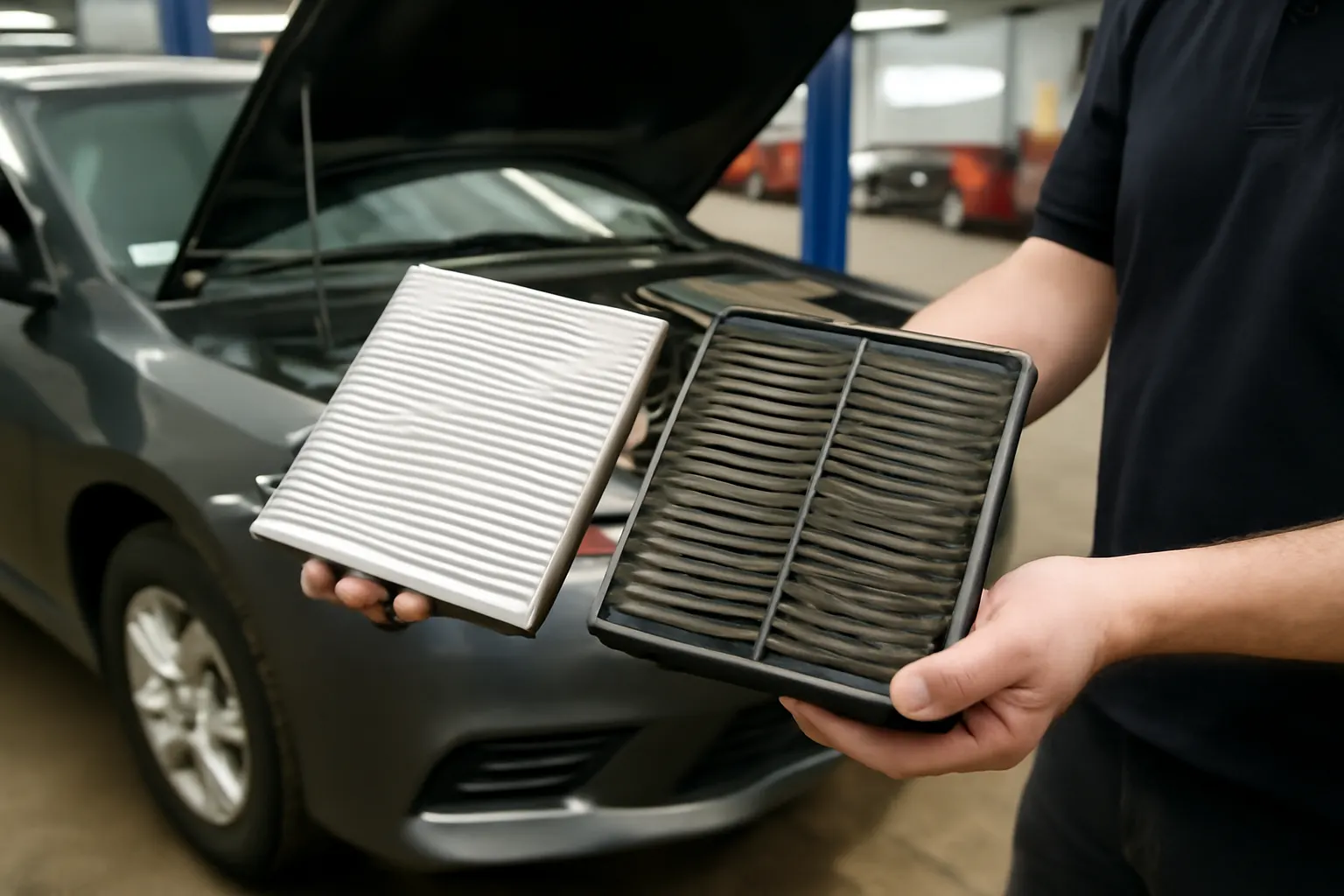
OEM vs Aftermarket Cabin Air Filter: Quality and Performance Comparison
When it comes to maintaining clean air inside your vehicle, the choice between OEM (Original Equipment Manufacturer) and aftermarket cabin air filters directly impacts air quality, filter longevity, and even HVAC system performance. If you’re weighing your options, here’s the immediate bottom line: OEM cabin air filters are engineered to meet your vehicle’s original specifications, while aftermarket filters can offer cost savings, broader material choices, and, in some cases, enhanced filtration—but with greater variability in fit and performance.
Read More