Advertisement
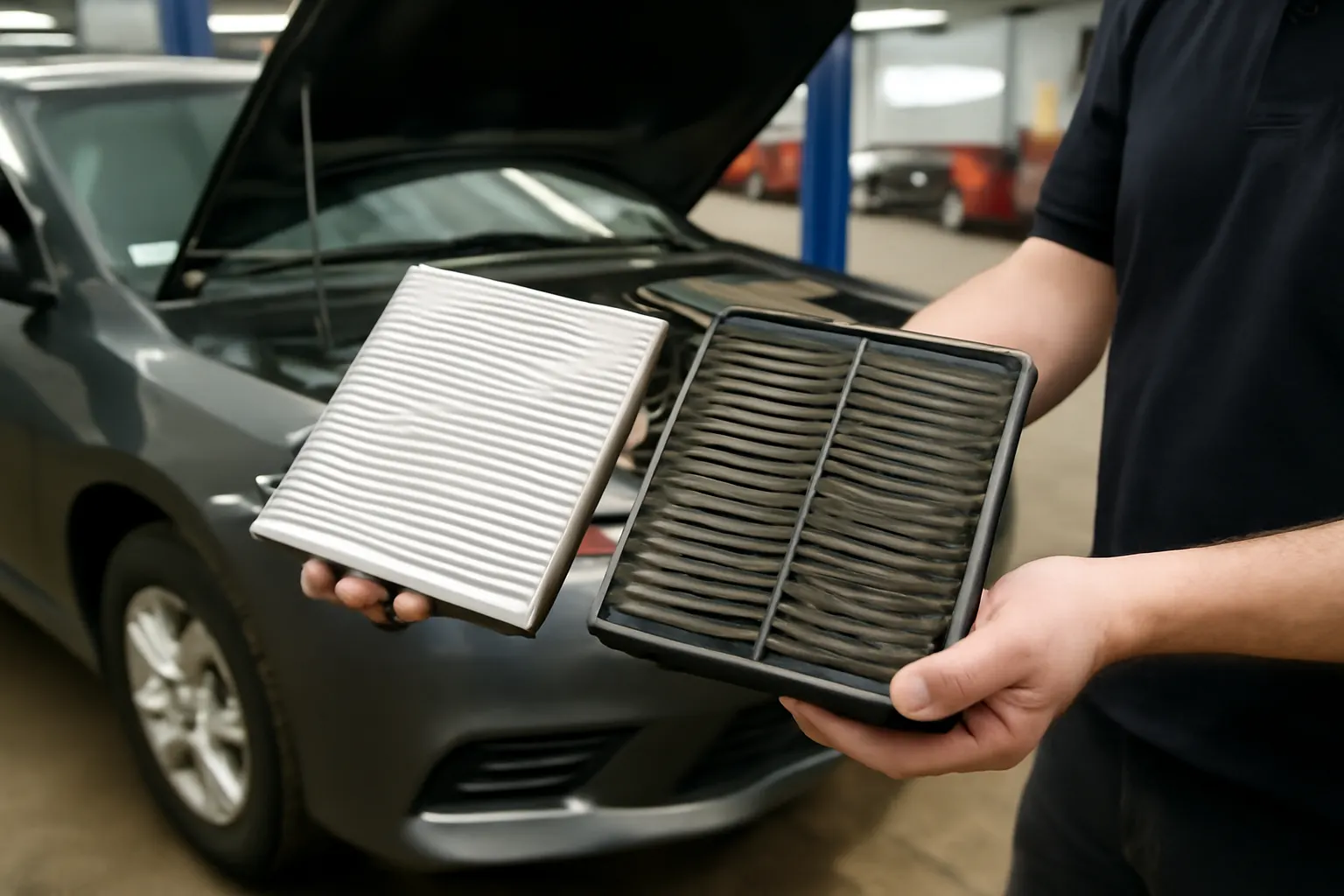
Cabin air filters are not just comfort components—they are critical safety devices that directly influence vehicle performance and protect occupants from hazardous airborne contaminants. A well-maintained, high-quality cabin air filter ensures clean air inside your vehicle, preserves HVAC system efficiency, and supports safe driving conditions in all environments. Whether you drive a compact sedan, a heavy-duty truck, or a family SUV, understanding the safety role of your cabin air filter is essential for protecting both your health and your vehicle’s operational integrity.
If you’re seeking OEM-grade replacement filters or want to compare maintenance best practices, start with our Cabin Air Filter | OEM Replacement & Maintenance | AutoPartEx.io category to find the right fit for your vehicle and driving needs.
The Immediate Answer: Why Cabin Air Filter Safety Matters
Cabin air filters are a first line of defense against dust, pollen, smog, exhaust fumes, and even microscopic particulates that can infiltrate your vehicle’s ventilation system. Their primary function is to trap airborne contaminants before they reach the interior cabin, ensuring that every breath you take while driving is as clean and safe as possible. When properly maintained, a cabin air filter:
- Reduces driver and passenger exposure to allergens, pollutants, and respiratory irritants
- Prevents fogging of windows by maintaining proper airflow and humidity control
- Protects HVAC components from premature wear and contamination
- Supports clear vision and alertness by minimizing interior dust and odor buildup
Neglecting cabin air filter maintenance can lead to reduced HVAC performance, increased health risks, and potentially hazardous driving conditions—especially for individuals with allergies, asthma, or other respiratory concerns.
The Hidden Problem: Overlooked Safety Risks
While many drivers are diligent about engine oil changes and brake inspections, the cabin air filter is often overlooked until problems become pronounced. This neglect can create a cascade of safety issues that may not be immediately obvious:
- Compromised Air Quality: A clogged or degraded filter allows pollutants to bypass filtration, exposing occupants to harmful particles and gases.
- Reduced Defrost and Defog Efficiency: Poor airflow through a dirty filter can cause slow or ineffective windshield clearing, reducing visibility in critical moments.
- Increased Risk for Sensitive Occupants: Children, elderly passengers, and those with respiratory conditions are especially vulnerable to airborne contaminants.
- HVAC System Strain: Restricted airflow forces the blower motor and other HVAC components to work harder, risking premature failure and costly repairs.
These issues are not just comfort concerns—they are safety risks that can impact your ability to drive safely and maintain control in adverse conditions.
Expanding the Problem: Technical Consequences of Poor Cabin Air Filtration
1. Impact on Vehicle Performance
A neglected or low-quality cabin air filter can have far-reaching effects on overall vehicle performance. When airflow through the HVAC system is restricted, the following issues may arise:
- Overworked Blower Motor: Reduced airflow causes the blower motor to work harder, increasing electrical load and the risk of overheating or failure.
- HVAC System Inefficiency: Ineffective air distribution leads to uneven heating, cooling, and defogging, which can compromise comfort and safety.
- Increased Fuel Consumption: Some modern vehicles adjust HVAC and climate control settings based on airflow resistance, potentially increasing energy draw and marginally impacting fuel efficiency (see Materials Technologies).
2. Health and Regulatory Implications
The National Highway Traffic Safety Administration (NHTSA) recognizes the importance of interior air quality in vehicle safety and occupant protection (Vehicle Safety and Equipment). Contaminated air can exacerbate allergies, trigger asthma attacks, and even affect cognitive function—an underappreciated factor in driver alertness and accident risk.
3. Equipment Damage and Recalls
Failing to replace a compromised cabin air filter can lead to debris accumulation in HVAC ducts, actuators, and sensors. In some cases, manufacturers have issued recalls due to defective filters or related equipment failures (Vehicle, Car Seat, Tire, and Equipment Recalls). These issues underline the critical safety role of cabin air filters in modern vehicles.
How Cabin Air Filters Work: The Technical Foundation
Cabin air filters operate on a simple yet highly effective principle: mechanical and electrostatic filtration. Most OEM and high-quality aftermarket filters use a multi-layered design to maximize contaminant capture:
Advertisement
- Primary Layer: Captures large particles such as dust, pollen, and road debris.
- Secondary Layer: Traps finer particulates, including mold spores and soot.
- Activated Carbon Layer (optional): Absorbs odors, harmful gases, and volatile organic compounds (VOCs) for enhanced protection.
- Electrostatic Layer (in some filters): Uses static charge to attract and retain microscopic particles.
The filter is typically installed behind the glove box, under the dashboard, or near the firewall, where it intercepts air before it enters the vehicle’s HVAC system. When properly selected and installed, the filter maintains optimal airflow while ensuring maximum particulate removal.
Recognizing When Your Cabin Air Filter Needs Attention
Proactive maintenance is the key to cabin air filter safety. Recognizing the early signs of filter degradation can prevent safety issues before they arise. Watch for these warning indicators:
- Reduced Airflow: Noticeably weaker air output from vents, especially at higher fan speeds.
- Persistent Odors: Musty, damp, or unpleasant smells inside the cabin, often signaling mold or bacterial growth in a saturated filter.
- Increased Allergic Reactions: More frequent sneezing, coughing, or eye irritation among occupants during operation.
- Foggy Windows: Slower or less effective defrosting/defogging, particularly in humid or cold weather.
- Unusual HVAC Noises: Whistling, rattling, or straining noises from the blower motor, indicating airflow restriction.
If you experience any of these symptoms, inspect your cabin air filter immediately—or consult a trusted technician for evaluation.
Safety-Driven Cabin Air Filter Selection: OEM vs. Aftermarket
Choosing the right cabin air filter is a critical safety decision. Both OEM and high-quality aftermarket filters can provide excellent protection, but there are important differences to consider:
- OEM Filters: Designed to meet manufacturer specifications for fit, filtration efficiency, and airflow. Typically use materials and construction methods validated by industry standards (SAE Standards).
- Aftermarket Filters: Offer a wide range of options, including enhanced filtration (HEPA, activated carbon) but may vary in quality and compatibility. Some premium aftermarket options exceed OEM efficiency, while low-cost alternatives may compromise safety.
For an in-depth comparison, see our editorial: OEM vs Aftermarket Cabin Air Filter: Quality and Performance Comparison.
Checklist: Cabin Air Filter Selection for Safety
- Verify fitment by vehicle make, model, and year.
- Confirm filtration efficiency (particle size rating, e.g., PM2.5 or HEPA standard).
- Check for additional features (activated carbon, anti-microbial coating).
- Ensure compliance with industry standards (SAE, NHTSA recommendations).
- Purchase from reputable suppliers or authorized dealers.
Installation Best Practices: Ensuring Safety and Performance
Proper installation is as important as filter quality. Even the best filter will fail to protect occupants if installed incorrectly or damaged during service.
Step-by-Step Installation Guidelines
- Locate the Filter Compartment: Consult your owner’s manual or refer to Cabin Air Filter Replacement: Installation and Safety Guide for model-specific instructions.
- Inspect the Filter Housing: Check for debris, moisture, or signs of mold. Clean as needed before installing the new filter.
- Install with Correct Orientation: Most filters have airflow direction arrows—install accordingly to ensure proper function.
- Secure the Housing: Reattach all covers and fasteners to prevent air bypass and rattling.
- Test the System: Run the HVAC at all fan speeds to confirm normal airflow and absence of unusual noises.
Note: Always wear gloves and a dust mask during replacement to minimize exposure to trapped contaminants.
Maintenance Intervals: How Often Should You Replace Your Cabin Air Filter?
Replacement frequency depends on driving conditions, environment, and filter type. As a general rule:
- Standard Interval: Every 12,000–15,000 miles or once per year, whichever comes first.
- Severe Conditions: Replace every 6,000–10,000 miles if you drive in dusty, urban, or high-pollen environments.
- Special Filters: HEPA and activated carbon filters may require more frequent inspection due to higher contaminant load.
Always follow your vehicle manufacturer’s recommendations and inspect the filter at every oil change for early signs of clogging or deterioration.
Diagnostic Checklist: Is Your Cabin Air Filter Compromising Safety?
Use this checklist to quickly assess whether your cabin air filter may be putting your health or vehicle at risk:
Advertisement
| Symptom | Possible Cause | Safety Impact | Recommended Action |
|---|---|---|---|
| Weak air from vents | Clogged filter | Reduced visibility, HVAC strain | Inspect/replace filter |
| Musty or foul odor | Mold or bacteria in filter | Respiratory risk | Replace filter, clean housing |
| Frequent allergy symptoms | Ineffective filtration | Health hazard | Upgrade to higher efficiency |
| Slow window defogging | Restricted airflow | Impaired vision | Inspect/replace filter |
| Unusual HVAC noises | Debris in filter or housing | Equipment damage | Inspect/clean/replace filter |
If two or more symptoms are present, immediate inspection and replacement are strongly advised.
Advanced Safety Features: Materials and Technologies in Modern Cabin Air Filters
The latest cabin air filters incorporate advanced materials and engineering to enhance safety and performance:
- HEPA Media: Captures 99.97% of particles as small as 0.3 microns, including bacteria and some viruses.
- Activated Carbon Layers: Neutralize harmful gases (e.g., ozone, NOx, VOCs) and odors for improved occupant protection.
- Antimicrobial Treatments: Inhibit mold and bacteria growth on the filter surface, reducing health risks.
- Multi-Stage Filtration: Combines coarse and fine filtration layers for comprehensive contaminant removal.
According to the United States Department of Energy, advances in materials technology are making automotive filtration both lighter and more effective, supporting both vehicle efficiency and occupant safety.
Preventing Damage and Maximizing Protection: Maintenance Strategies
Routine inspection and preventive care are essential for keeping your cabin air filter—and by extension, your vehicle—operating safely. Best practices include:
- Regular Visual Inspection: Check the filter for discoloration, tears, or heavy debris at every oil change.
- HVAC System Cleaning: Periodically clean vents and ducts to prevent recirculation of contaminants.
- Seal Integrity Check: Ensure filter housing seals are intact to prevent air bypass.
- Moisture Control: Address leaks or condensation promptly to prevent mold growth.
For more detailed guidance, refer to Preventing Cabin Air Filter Damage: Maintenance and Protection.
Sourcing the Right Cabin Air Filter: Safety-First Buying Tips
To ensure you’re getting a filter that genuinely protects your health and your vehicle, follow these expert tips:
- Buy from Trusted Sources: Use authorized dealers, reputable online platforms, or direct OEM suppliers.
- Cross-Reference Part Numbers: Always verify compatibility using your vehicle’s VIN or make/model/year.
- Check for Recalls: Before installation, verify that your chosen filter is not subject to manufacturer recalls (NHTSA Recalls).
- Review Product Specifications: Look for explicit particle filtration ratings and compliance with recognized standards.
- Avoid Counterfeit Parts: Beware of unusually low prices or generic packaging, which may indicate substandard or counterfeit filters.
A well-chosen filter not only improves safety but also extends the life of your HVAC system and enhances your overall driving experience.
The Role of Cabin Air Filters in Overall Vehicle Safety
Cabin air filters are integral to the broader ecosystem of vehicle safety systems. Clean, filtered air is vital for:
- Driver Alertness: Reduced exposure to pollutants supports cognitive clarity and reaction times.
- Passenger Comfort and Health: Minimizing allergens and irritants protects vulnerable occupants.
- HVAC and Electronics Reliability: Preventing debris buildup safeguards climate control actuators, sensors, and wiring.
As vehicles become more technologically advanced—with features like automatic climate control and air quality sensors—the importance of high-performance cabin air filtration will only increase.
AutoPartEx: Your Partner in Cabin Air Filter Safety
At AutoPartEx, we understand that safety is more than just brakes and airbags—it’s about protecting every aspect of your driving environment, starting with the air you breathe. Our curated Cabin Air Filter | OEM Replacement & Maintenance | AutoPartEx.io category connects you with premium OEM and aftermarket filters designed for uncompromising safety and performance.
Whether you’re a DIY enthusiast or a professional technician, AutoPartEx provides:
- Comprehensive Fitment Data: Ensure you select the correct filter for your make and model.
- Expert Guidance: Access technical guides, installation tips, and maintenance checklists.
- Quality Assurance: Shop with confidence, knowing every product meets or exceeds industry safety standards.
Explore our resources and experience the difference of a safety-first approach to automotive filtration.
Take Action: Secure Your Cabin Air Quality Today
Don’t wait for symptoms or safety issues to arise. Prioritize your cabin air filter as part of your regular maintenance routine:
- Inspect your filter at the next oil change.
- Replace with a quality OEM or high-grade aftermarket filter.
- Follow installation and maintenance best practices for maximum safety and performance.
- Consult AutoPartEx for up-to-date fitment, quality, and sourcing information.
Breathe easier, drive safer—make cabin air filter safety a cornerstone of your vehicle maintenance plan.
References
Advertisement