
Advertisement
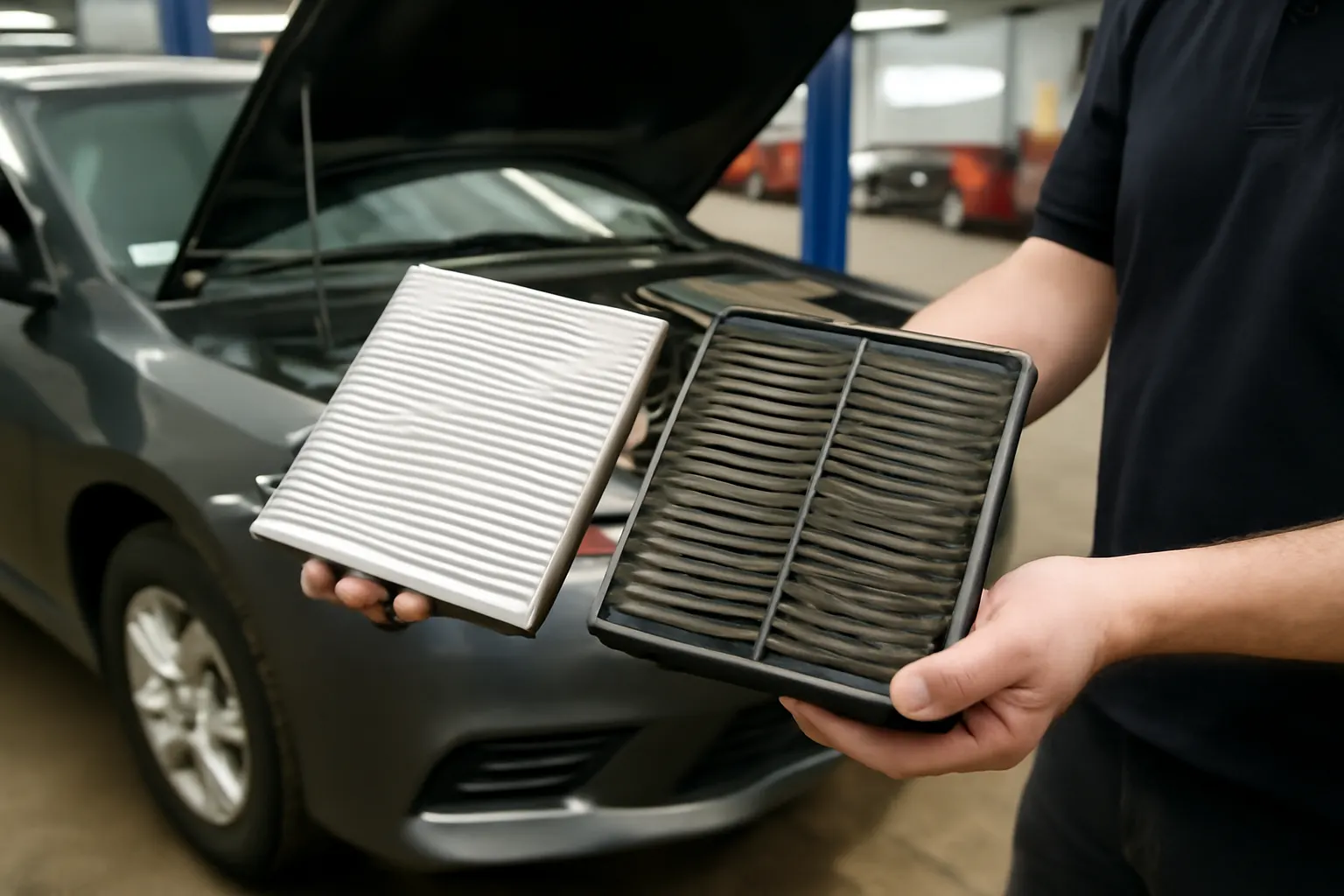
When it comes to maintaining clean air inside your vehicle, the choice between OEM (Original Equipment Manufacturer) and aftermarket cabin air filters directly impacts air quality, filter longevity, and even HVAC system performance. If you’re weighing your options, here’s the immediate bottom line: OEM cabin air filters are engineered to meet your vehicle’s original specifications, while aftermarket filters can offer cost savings, broader material choices, and, in some cases, enhanced filtration—but with greater variability in fit and performance. For drivers seeking reliability and straightforward installation, OEM filters are a safe bet. However, if you prioritize customization or budget, the aftermarket market offers compelling alternatives. For a complete range of cabin air filter options and expert support, visit our Cabin Air Filter | OEM Replacement & Maintenance | AutoPartEx.io page.
The Hidden Problem: Not All Filters Are Created Equal
Many vehicle owners assume any cabin air filter will suffice as long as it fits. However, underlying differences in material quality, filter design, and compatibility can have significant consequences. The wrong filter can reduce HVAC efficiency, accelerate blower motor wear, or even compromise the air quality you and your passengers breathe. The risk is particularly acute with lower-tier aftermarket filters, which may lack the engineering rigor of OEM or premium brands.
Why the OEM vs Aftermarket Debate Matters
The distinction between OEM and aftermarket cabin air filters goes beyond price and branding. It touches on core issues of materials science, filtration standards, and even vehicle safety. OEM filters are developed in partnership with automakers, often using proprietary materials and adhering to strict specifications. Aftermarket options, while often less expensive and more readily available, can range from high-performance upgrades to basic, minimally compliant products.
Key considerations include:
- Filtration Efficiency: Ability to trap dust, pollen, and particulates.
- Construction Quality: Durability of media, seals, and frames.
- Fit and Compatibility: Precision of fit within the HVAC housing.
- Maintenance Intervals: Lifespan and replacement frequency.
Understanding these differences is essential for making an informed decision that protects your vehicle’s HVAC system and your own respiratory health.
OEM Cabin Air Filters: Engineered for Consistency
OEM cabin air filters are designed and manufactured either by the vehicle maker or by a supplier contracted to produce parts to the automaker’s exact specifications. This means they are engineered for a precise fit, reliable performance, and long-term durability.
Characteristics of OEM Filters
- Material Quality: OEM filters typically use high-grade synthetic fibers or multilayer media that meet or exceed SAE and manufacturer standards.
- Filtration Performance: Designed to capture particulates as small as 1–3 microns, including pollen, dust, and in some cases, odors or exhaust gases (with activated carbon layers).
- Consistency: Each filter batch must pass rigorous quality control, ensuring that every unit performs to specification.
- Fitment: Guaranteed to fit your vehicle’s filter housing without modification.
OEM Drawbacks
- Cost: OEM filters generally cost 20–50% more than comparable aftermarket units.
- Availability: While widely available at dealerships and authorized retailers, they may not be stocked at all auto parts stores.
- Limited Options: Fewer choices for upgraded filtration media or performance enhancements.
Aftermarket Cabin Air Filters: Flexibility and Variety
Aftermarket cabin air filters are produced by third-party manufacturers. The aftermarket segment includes both reputable brands that meet or exceed OEM standards, and budget options with variable quality.
Types of Aftermarket Filters
- Standard Replacement: Designed to match OEM specs at a lower price point.
- Premium/Performance: Use advanced materials (e.g., HEPA, activated carbon, antimicrobial coatings) for enhanced filtration.
- Budget/Economy: Focus on affordability, sometimes at the expense of filter media quality or fit.
Aftermarket Advantages
- Cost Savings: Generally less expensive than OEM filters.
- Broader Selection: Options for higher filtration, odor reduction, or specialized needs (e.g., allergy protection).
- Readily Available: Stocked by most auto parts retailers and online outlets.
Advertisement
Aftermarket Drawbacks
- Quality Variability: Wide range in media quality, construction, and fit. Some filters may not meet OEM standards.
- Compatibility Risks: Incorrect sizing or poor sealing can reduce HVAC effectiveness or allow unfiltered air to bypass the filter.
- Potential for Reduced Lifespan: Lower-grade materials may clog or degrade faster, requiring more frequent replacement.
Technical Deep Dive: Materials and Filtration Technologies
The effectiveness of any cabin air filter—OEM or aftermarket—depends on its construction, material composition, and adherence to filtration standards. According to the United States Department of Energy, automotive materials technology has advanced rapidly, with modern filters employing multilayer synthetic fibers, activated carbon, and even antimicrobial coatings.
Filtration Media
- Synthetic Fibers: Most OEM and high-end aftermarket filters use electrostatically charged synthetic fibers for maximum particulate capture.
- Activated Carbon: Some filters add a carbon layer to trap odors, exhaust gases, and volatile organic compounds (VOCs).
- HEPA-Grade Media: Certain aftermarket “premium” filters offer hospital-grade particle filtration, ideal for allergy sufferers.
Frame and Seal Design
- Rigid Frames: Prevent filter deformation and ensure a tight seal.
- Gasket Materials: High-quality filters use robust gaskets to prevent air bypass.
Standards Compliance
- SAE Standards: Leading filters comply with SAE International standards for filtration efficiency, pressure drop, and durability (SAE Standards).
- Automaker Specifications: OEM filters must pass vehicle-specific validation tests for airflow and filtration.
Performance Comparison: OEM vs Aftermarket
Filtration Efficiency
- OEM: Typically rated to capture 95% or more of particles in the 1–3 micron range.
- Aftermarket: Premium brands match or exceed OEM efficiency; budget brands may fall below 80% efficiency, especially for fine particulates.
Airflow Resistance
- OEM: Engineered to balance filtration and airflow, minimizing strain on the HVAC blower.
- Aftermarket: Some high-filtration filters may restrict airflow if not properly engineered; low-quality filters may allow excessive airflow but poor filtration.
Odor and Gas Removal
- OEM: Some models include carbon layers, but not all.
- Aftermarket: Premium models often include advanced odor-removal technology.
Durability and Lifespan
- OEM: Designed to last the recommended service interval (typically 12,000–15,000 miles).
- Aftermarket: Lifespan varies. High-quality brands match OEM; budget filters may require replacement every 6,000–8,000 miles.
Installation and Fitment: What to Watch For
A cabin air filter that doesn’t fit perfectly can let unfiltered air bypass the filter, reducing effectiveness and potentially damaging your HVAC system. Here’s what to consider during installation:
- OEM Filters: Fit is guaranteed. Installation typically takes 10–20 minutes and follows the vehicle’s service manual.
- Aftermarket Filters: Always check filter dimensions, frame rigidity, and gasket quality. Some budget filters may require trimming or may not seat securely.
Installation Checklist
| Step | OEM Filter | Aftermarket Filter | Notes |
|---|---|---|---|
| Remove Old Filter | Yes | Yes | Inspect for debris and contamination |
| Compare Dimensions | Not necessary | Essential | Measure length, width, depth |
| Inspect Frame and Gasket | Standardized | Variable | Look for deformities or weak seals |
| Test Fit Before Final Install | Usually not needed | Strongly recommended | Ensure no gaps or loose seating |
| Insert and Secure | Follows manual | Follows manual | Confirm correct orientation and placement |
| Check for Air Leaks | Rarely needed | Advised | Run HVAC to listen for whistling or bypass |
For a detailed replacement guide, see our Cabin Air Filter Replacement: Installation and Safety Guide.
Maintenance and Replacement Intervals
The lifespan of a cabin air filter depends on driving conditions, climate, and filter quality.
- OEM Recommendation: Replace every 12,000–15,000 miles or once per year, whichever comes first.
- Aftermarket Filters: Premium filters may match OEM intervals; budget options may require more frequent replacement, especially in dusty or urban environments.
Signs your cabin air filter needs replacement:
- Reduced airflow from vents
- Persistent interior odors
- Increased dust on dashboard or seats
- Noisy or overworked HVAC blower
Advertisement
Routine inspection every oil change is advised, especially if using non-OEM filters.
Safety and Health Implications
The cabin air filter plays a critical role in vehicle safety and occupant health. According to the National Highway Traffic Safety Administration, proper equipment—including filters—contributes to overall vehicle safety and comfort.
- OEM Filters: Consistent, predictable performance in removing allergens and particulates.
- Aftermarket Filters: Premium filters may offer enhanced protection (e.g., HEPA, antimicrobial), while budget units may allow increased pollen, mold, or dust ingress.
For more on the safety implications of filter choice, see Cabin Air Filter Safety: Performance and Protection.
Diagnosing Filter-Related HVAC Issues
Improper or degraded cabin air filters can cause or contribute to several HVAC problems:
- Reduced Airflow: Often due to clogged or collapsed filter media.
- Unusual Odors: Indicates a saturated standard filter or failure of the carbon layer.
- Blower Motor Noise: Excessive resistance from a restrictive filter can strain the blower.
- Foggy Windows: Poor filtration can leave humidity and particulates in the system.
Diagnostic Steps:
- Inspect the filter for discoloration, debris, or mold.
- Check for proper fit and seal.
- Listen for abnormal HVAC noises after installation.
- Replace with a high-quality filter if issues persist.
Buying Guidance: Choosing the Right Cabin Air Filter
When selecting between OEM and aftermarket cabin air filters, consider the following:
- Vehicle Usage: Allergy-prone drivers or those in urban environments may benefit from premium aftermarket filters.
- Budget: OEM filters offer peace of mind but at a premium. High-quality aftermarket filters can be a cost-effective alternative.
- Installation Skill: DIYers should ensure aftermarket filters match OEM dimensions and construction.
- Warranty and Recalls: Some aftermarket filters may void certain vehicle warranties or be subject to recalls (NHTSA Recalls).
Checklist for Buying:
- Verify compatibility with your vehicle’s year, make, and model.
- Check user reviews and technical specifications.
- Look for compliance with SAE or equivalent standards.
- Prefer filters from reputable brands or suppliers.
- Avoid ultra-cheap options lacking published test data.
Environmental and Efficiency Considerations
While often overlooked, cabin air filter choice can impact your vehicle’s overall efficiency. According to the United States Department of Energy, a clogged or restrictive filter can force the HVAC blower to work harder, potentially affecting fuel economy and system longevity.
- OEM and High-Quality Aftermarket: Designed for optimal airflow, minimizing any negative impact on efficiency.
- Low-Quality Filters: May restrict airflow, increasing electrical draw and, over time, affecting engine load (especially in vehicles with integrated climate control).
For more on maximizing filter lifespan and HVAC performance, see Preventing Cabin Air Filter Damage: Maintenance and Protection.
AutoPartEx Approach: Expert Guidance and Quality Assurance
At AutoPartEx, we understand the complexities of the OEM vs aftermarket debate. Our curated Cabin Air Filter | OEM Replacement & Maintenance | AutoPartEx.io catalog features only filters that meet strict quality, fitment, and performance criteria. Whether you’re looking for an exact OEM replacement or a high-performance aftermarket upgrade, our technical team provides data-driven recommendations and comprehensive installation support.
By prioritizing materials science, fitment precision, and verified performance, we help you safeguard your vehicle’s air quality and HVAC system—without the guesswork.
The Expert Action: Making the Right Choice
Here’s how to proceed:
- Identify your vehicle’s OEM part number and compare specifications with aftermarket options.
- Prioritize filters with published test data and compliance with recognized standards.
- Inspect and replace your cabin air filter at least once per year, or more frequently if you drive in harsh conditions.
- Use trusted suppliers—such as AutoPartEx—for both OEM and premium aftermarket filters.
- Don’t compromise on filter quality. The small savings from a budget filter can be outweighed by potential HVAC repairs or compromised interior air quality.
For personalized recommendations, installation guides, and a full range of both OEM and high-performance aftermarket cabin air filters, explore our Cabin Air Filter category or consult our expert editorial team.
References
Advertisement
