Saturn Vue Auto Parts
What Saturn Vue Owners Should Know About Auto Parts and Recalls
Many Saturn Vue owners overlook the importance of understanding recalls and repair part options before purchasing replacement components. Recognizing the difference between general advice and vehicle-specific evidence can help you avoid unnecessary repairs and ensure your Vue remains safe and reliable. This guide walks you through practical steps, supported by authoritative sources, to make confident decisions when shopping for Saturn Vue auto parts.
Advertisement
0 Saturn Vue Auto Parts
No Products Found
We're currently updating our inventory for Saturn Vue parts.
Please check back soon or contact us for specific part availability.
More Saturn Vue options
Filtering for Saturn VueBrowse nearby inventory for this model without leaving the page. Use search to filter by price, part number, or city.
No Data Available
Please check back soon when more inventory is available for this part.
Advertisement
A Commonly Missed Step for Saturn Vue Owners
When it comes to maintaining your Saturn Vue, it’s easy to focus solely on symptoms like odd noises or warning lights. However, one often overlooked consideration is the importance of verifying whether your particular vehicle is subject to any open recalls before purchasing replacement parts. Many owners assume that all issues are simply wear and tear, but sometimes a manufacturer recall can address a problem at no cost. Skipping this step could mean paying for repairs that should be handled by the manufacturer.
Another aspect frequently missed is understanding the source and type of replacement parts available for the Saturn Vue. Not all parts are created equal—some are new, others remanufactured, and some are salvaged from other vehicles. Each type has its own implications for cost, reliability, and warranty coverage. Knowing the difference can have a significant impact on your repair experience and long-term satisfaction with your vehicle.
Finally, many Saturn Vue owners don’t realize the value of a thorough, written repair estimate and the importance of comparing shop recommendations with the manufacturer’s maintenance schedule. Taking these steps can help you avoid unnecessary repairs and ensure that you’re only paying for what your vehicle truly needs. By starting with these often-overlooked steps, you can approach repairs and parts purchases with greater confidence and peace of mind.
Understanding the Real Issues Facing Saturn Vue Repairs
The Saturn Vue, like any vehicle, is subject to both routine maintenance needs and unexpected repairs. However, the process of identifying what’s actually wrong can be complicated by the wide range of potential issues and the variability in how problems present themselves. Owners may notice symptoms such as unusual noises, performance drops, or warning lights, but these signs do not always point directly to a specific component failure. This uncertainty can lead to unnecessary part replacements or missed opportunities to address underlying problems.
One significant challenge is distinguishing between problems caused by normal wear and those resulting from manufacturer defects. For example, a recurring issue might be due to a design flaw that has prompted a recall, rather than simple aging of parts. Without checking for recalls, owners may spend money on repairs that could have been covered by the manufacturer. This is particularly relevant for older vehicles like the Saturn Vue, where recall notifications may have been missed or forgotten over time.
Another issue is the complexity of the modern automotive repair market. With so many options for replacement parts—ranging from new to remanufactured to salvage—owners can be overwhelmed by choices. Each type of part comes with its own set of trade-offs in terms of price, quality, and warranty coverage. Making an uninformed choice can result in higher long-term costs or reduced reliability.
Repair shops may also recommend additional services beyond what is required by the manufacturer’s maintenance schedule. While some extra services may be justified based on the vehicle’s condition or usage, others may not be necessary. Owners who are unaware of the recommended maintenance intervals for their Saturn Vue may find themselves agreeing to work that does not provide real value. This can inflate repair bills and create confusion about what is truly needed to keep the vehicle running safely.
Documentation is another area where problems can arise. Without a detailed, written repair estimate and a completed repair order, owners may have difficulty understanding what work was performed, what parts were used, and how much was charged. This lack of transparency can make it harder to resolve disputes or track the vehicle’s maintenance history, potentially affecting resale value and future repair decisions.
Finally, there is the risk of assuming that a part labeled as compatible with the Saturn Vue will fit every model year or trim. Catalog listings and online marketplaces often generalize compatibility, but actual fitment can vary based on production changes, engine options, and other factors. Relying solely on catalog names or generic fitment claims can lead to the purchase of incorrect parts, resulting in wasted time and money.
How to Approach Saturn Vue Parts Selection and Repairs
The first step in addressing any repair or replacement need for your Saturn Vue is to check for open recalls using your vehicle identification number (VIN). The National Highway Traffic Safety Administration (NHTSA) provides a free online tool that allows you to search for unrepaired recalls specific to your vehicle. This step ensures you are not paying out of pocket for repairs that the manufacturer should cover. It also helps you stay informed about any safety-related issues that may affect your vehicle’s reliability or resale value.
Once you have ruled out any open recalls, gather as much information as possible about the symptoms your Saturn Vue is experiencing. Document when the issue occurs, any warning lights or messages, and any recent maintenance or repairs. This information will be invaluable when discussing the problem with a repair shop or parts supplier, as it can help narrow down the list of potential causes and ensure you receive accurate advice.
When seeking repairs, always request a written estimate that clearly identifies the condition to be repaired, the parts needed, and the anticipated labor charges. This estimate should also specify whether the parts are new, remanufactured, or salvage. Understanding the source and condition of the parts being used allows you to make informed decisions about cost, quality, and warranty coverage. If the repair is complex or expensive, consider obtaining a second opinion from another qualified shop, especially one with experience working on Saturn vehicles.
Compare the shop’s recommendations with the Saturn Vue’s manufacturer maintenance schedule, which can be found in your owner’s manual. Ask the shop to explain any services they propose that go beyond the recommended intervals. This step helps you avoid unnecessary work and ensures that your vehicle receives only the maintenance it truly needs. If you are unsure about a recommendation, do not hesitate to ask for clarification or supporting evidence.
After the repair is completed, obtain a detailed repair order that lists all work performed, parts installed, costs, and the vehicle’s odometer reading. This documentation is essential for maintaining an accurate service history, which can be valuable for future repairs or when selling the vehicle. It also provides a record in case any issues arise with the parts or workmanship.
When purchasing parts independently, verify compatibility by checking the part number against your vehicle’s VIN and consulting with the supplier. Do not rely solely on catalog listings or generic fitment claims. If possible, request photographs or detailed descriptions of the part, especially if considering salvage or remanufactured options. This extra diligence can help you avoid the frustration and expense of ordering incorrect parts.
Understand that there is no standard warranty on repairs or parts. Before authorizing any work, ask about the warranty coverage for both parts and labor, and get any guarantees in writing. This step protects you in case the repair does not resolve the issue or if the part fails prematurely. Be wary of verbal assurances that are not documented, as they may be difficult to enforce later.
Finally, stay proactive about preventive maintenance and recall checks. Register your Saturn Vue with the manufacturer and sign up for recall alerts through NHTSA or the SaferCar app. Regularly reviewing your vehicle’s maintenance schedule and checking for new recalls can help you catch issues early and avoid costly repairs down the road. By following these practical steps, you can make more informed decisions and keep your Saturn Vue running smoothly.
What the Experts and Official Records Actually Show
The National Highway Traffic Safety Administration (NHTSA) offers a comprehensive recall lookup tool that allows Saturn Vue owners to check for unrepaired recalls using their vehicle’s VIN. According to the NHTSA, searching by VIN provides results specific to your vehicle, including any open recalls that require repair. However, the NHTSA also notes that this search will not show recalls that have already been repaired, recently announced recalls for which not all VINs have been identified, or recalls more than 15 years old unless the manufacturer offers extended coverage. This means that while the NHTSA tool is a valuable resource, it is not a guarantee that all possible issues will be identified for every Saturn Vue. Owners should check regularly and stay informed about new recall announcements NHTSA: Vehicle Recalls.
The NHTSA further explains that recall information is updated continuously, and manufacturers are required to notify registered owners by mail within 60 days of announcing a recall. Owners are advised to follow any interim safety guidance provided by the manufacturer and to contact their local dealership for free repairs if a recall is identified. This process ensures that safety-related defects are addressed promptly and at no cost to the owner. However, the NHTSA also cautions that catalog searches by year, make, and model provide only general recall results, not vehicle-specific data. Therefore, using the VIN is essential for accurate information NHTSA: Vehicle Recalls.
The Federal Trade Commission (FTC) provides general advice on auto repairs, emphasizing the importance of obtaining a written repair estimate and understanding the different types of replacement parts available. The FTC distinguishes between new, remanufactured, and salvage parts, noting that salvage parts come from other vehicles without alteration. This distinction is important for Saturn Vue owners, as the choice of part type can affect cost, reliability, and warranty coverage. The FTC also recommends getting a completed repair order and comparing shop recommendations with the manufacturer’s maintenance schedule FTC: Auto Repair Basics.
The FTC further advises that there is no standard warranty on repairs, and consumers should understand the coverage offered by the shop or parts supplier. This means that Saturn Vue owners should not assume any particular warranty applies to their repairs or replacement parts. Instead, they should ask for written documentation of any guarantees and clarify the terms before authorizing work. This approach helps protect against unexpected costs and ensures that owners have recourse if a repair does not resolve the issue FTC: Auto Repair Basics.
Neither the NHTSA nor the FTC provide vehicle-specific technical specifications or detailed failure patterns for the Saturn Vue. Their guidance is focused on general consumer protection and safety, rather than diagnosing particular issues with this model. As a result, Saturn Vue owners should use these resources as tools for gathering information and making informed decisions, rather than as definitive sources for diagnosing or repairing specific problems. When in doubt, consulting a qualified technician with experience on Saturn vehicles is recommended.
It is important to note that catalog listings and online marketplaces do not guarantee fitment for every Saturn Vue model or year. The NHTSA explicitly states that recall and safety information by year, make, and model is general and may not reflect the specifics of your vehicle. Similarly, the FTC warns against assuming compatibility based on catalog names alone. Saturn Vue owners should always verify part numbers and consult with suppliers or technicians to ensure proper fitment before purchasing or installing replacement parts.
Finally, while the NHTSA and FTC provide valuable frameworks for approaching repairs and parts selection, they do not endorse specific brands, parts, or service providers. Their role is to inform consumers about their rights and responsibilities, as well as to facilitate access to safety and repair information. Saturn Vue owners should use these resources in conjunction with professional advice and thorough research to make the best decisions for their vehicles.
Take Charge of Your Saturn Vue’s Maintenance
Before purchasing any replacement parts or authorizing repairs for your Saturn Vue, take a few minutes to check for open recalls using your VIN through the NHTSA website. Gather detailed information about your vehicle’s symptoms, obtain written repair estimates, and compare shop recommendations with the manufacturer’s maintenance schedule. Always verify part compatibility and warranty coverage before making a purchase. By following these steps and consulting trusted resources, you can ensure your Saturn Vue receives the care it deserves while avoiding unnecessary costs and complications.
References
- NHTSA: Vehicle Recalls
- FTC: Auto Repair Basics
References
- NHTSA: Vehicle Recalls - NHTSA, accessed 2026-11-01
- FTC: Auto Repair Basics - FTC, accessed 2026-11-01
Related Guides & Articles
How to Spot Counterfeit Saturn Parts
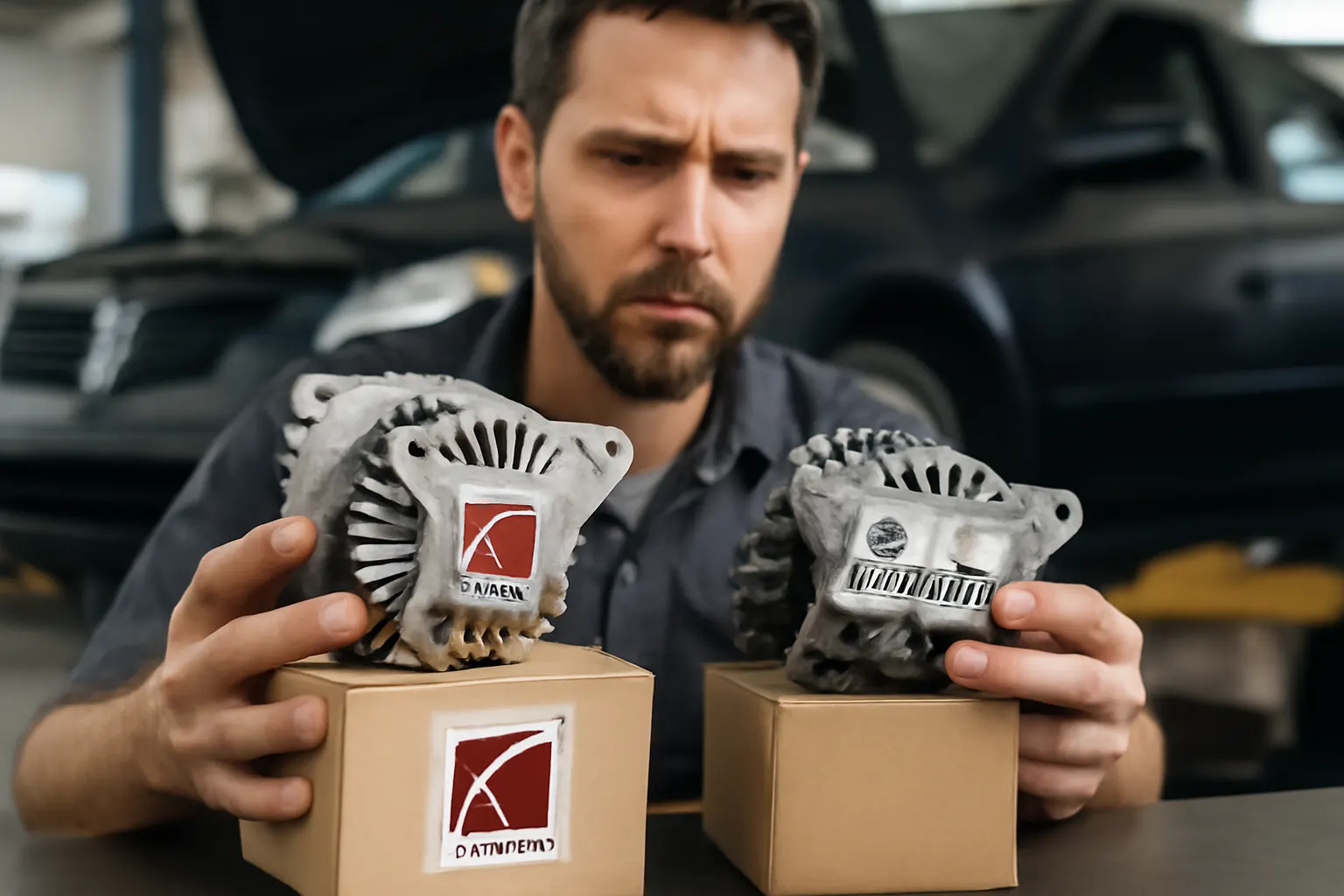
Counterfeit Saturn parts are a persistent threat to vehicle safety, performance, and your wallet. To avoid costly mistakes and potential hazards, it’s essential to recognize the telltale signs of fake auto parts—especially now that Saturn OEM components are increasingly rare. This comprehensive guide will walk you through the most reliable methods for identifying counterfeit Saturn parts, from packaging and markings to supplier red flags and technical fitment issues.
Read More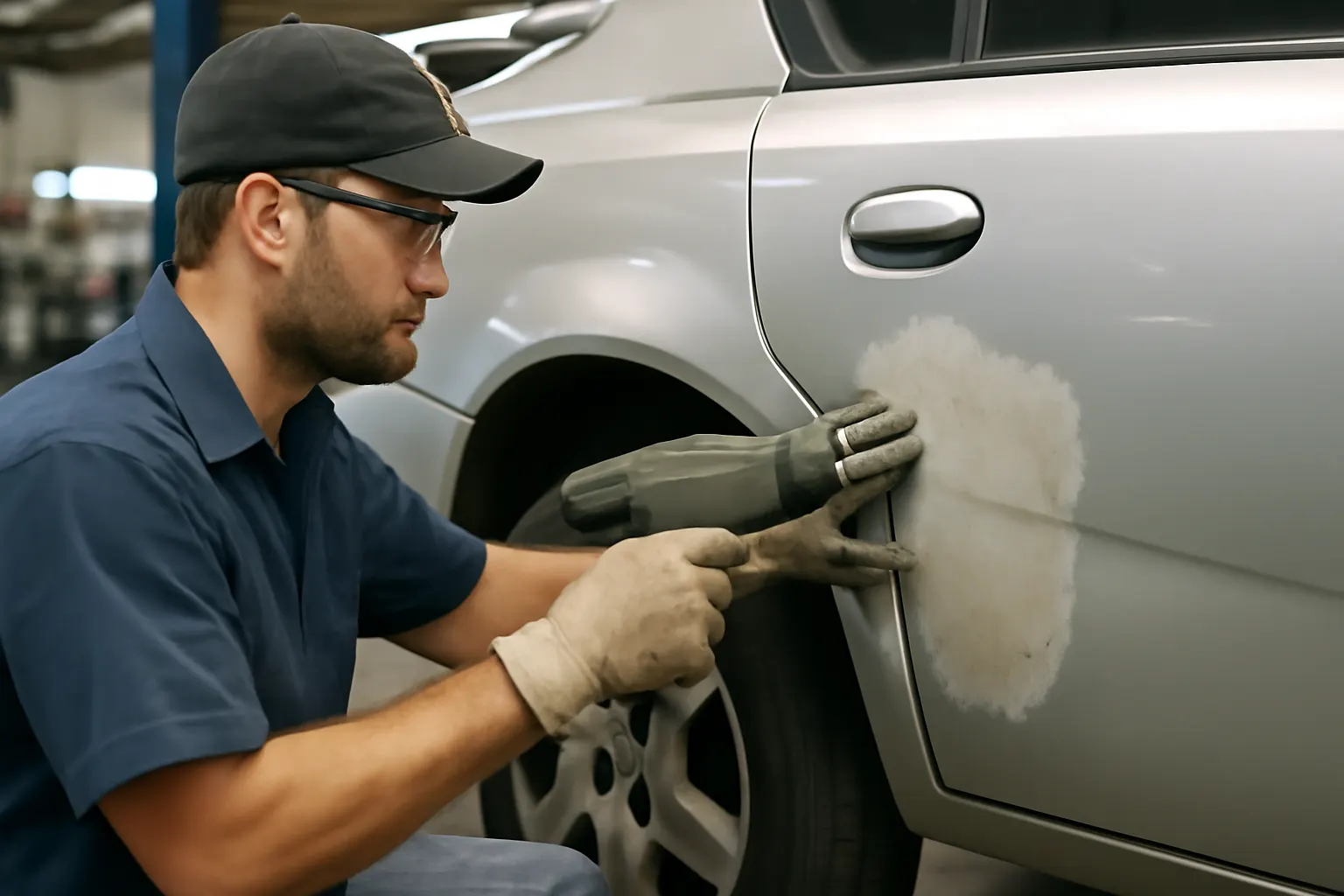
Polymer Panel Repair on Saturns
Saturn’s polymer body panels are legendary for their dent resistance and long-term durability, but when damage occurs, repairing and refinishing them correctly demands a specialized approach. This comprehensive guide delivers step-by-step instructions for repairing, sourcing, and refinishing Saturn’s signature polymer panels to restore both appearance and function—ensuring lasting results and original OEM fitment. Whether you’re a DIY enthusiast or a professional technician, understanding the nuances of Saturn’s exterior engineering is essential for a successful outcome.
Read More
Buying Used Saturn Parts: Risks & Checks
Sourcing used Saturn parts can be a cost-effective way to keep your vehicle running, but it’s not without risks. Whether you’re maintaining a Saturn S-Series, L-Series, Vue, or Ion, used parts marketplaces are flooded with a mix of genuine, worn, and sometimes counterfeit components. To help Saturn owners and mechanics make informed decisions, this AutoPartEx guide delivers practical, technical, and safety-focused advice on evaluating and buying used Saturn parts—ensuring your investment supports reliability, fitment, and performance.
View Guide
Saturn Parts Compatibility Guide
When you’re sourcing replacement parts for Saturn vehicles—whether it’s the S-Series, Vue, Ion, or another model—accurate compatibility matching is critical for proper fitment, safety, and performance. This comprehensive guide provides actionable steps for cross-referencing Saturn part numbers, verifying fitment, and avoiding the most common pitfalls encountered by Saturn owners and technicians. Whether you’re a DIY enthusiast, a professional mechanic, or a Saturn parts reseller, following these procedures ensures you select the right component every time.
View Guide