Saturn L Series Auto Parts
What to Know Before Buying Saturn L Series Auto Parts
Many Saturn L Series owners overlook the importance of verifying part compatibility and understanding recall status before purchasing replacement auto parts. This page guides you through key considerations, from recognizing potential issues to making informed, confident choices. Whether you're a DIY mechanic or seeking professional service, you'll find practical steps and authoritative references to help you maintain your Saturn L Series safely and effectively. For more focused reading, explore How to Spot Counterfeit Saturn Parts and Polymer Panel Repair on Saturns.
When searching for replacement parts for your Saturn L Series, it’s easy to focus solely on price or immediate availability. However, a crucial yet often overlooked step is confirming the exact compatibility of the part with your specific vehicle model and year. This goes beyond just matching the make and model; subtle differences between production years or trim levels can affect fit and function. Overlooking this detail can lead to wasted time, unnecessary returns, or even installation of an incorrect or unsafe component.
Another key consideration is the recall status of your vehicle and the parts you intend to replace. Many owners assume that if their car is running, it must be free of major issues. In reality, unrepaired safety recalls can persist for years, and replacement parts sourced from salvage or aftermarket suppliers may not address these open issues. Checking your vehicle’s recall status is a simple step that can prevent future headaches and ensure your safety on the road.
By taking the time to verify both part compatibility and recall status, you not only protect your investment but also safeguard your vehicle’s performance and your own safety. This proactive approach is especially important for Saturn L Series models, which, like many vehicles, may have unique service considerations or past manufacturer communications that impact repair decisions. Let’s explore the specific challenges and best practices for keeping your Saturn L Series running reliably.
Saturn L Series vehicles, produced in the early 2000s, are now considered mature models, meaning that parts availability and technical support can be more complicated than for newer cars. Owners may find that some original equipment manufacturer (OEM) parts are discontinued or only available through specialty suppliers. This reality increases the likelihood of encountering aftermarket or salvage parts, each with their own considerations regarding quality and fitment.
A common issue for Saturn L Series owners is the uncertainty surrounding the history of replacement parts, especially when sourced from salvage yards or third-party sellers. Salvage parts, by definition, are removed from other vehicles and may not have been reconditioned or tested for continued reliability. While these parts can offer cost savings, they also present risks if their provenance or compatibility is unclear. This is particularly relevant for components that affect safety or emissions.
Advertisement
0 Saturn L Series Auto Parts
No Products Found
We're currently updating our inventory for Saturn L Series parts.
Please check back soon or contact us for specific part availability.
More Saturn L Series options
Filtering for Saturn L SeriesBrowse nearby inventory for this model without leaving the page. Use search to filter by price, part number, or city.
No Data Available
Please check back soon when more inventory is available for this part.
Advertisement
An Overlooked Step: Confirming Part Fit and Recall Status
When searching for replacement parts for your Saturn L Series, it’s easy to focus solely on price or immediate availability. However, a crucial yet often overlooked step is confirming the exact compatibility of the part with your specific vehicle model and year. This goes beyond just matching the make and model; subtle differences between production years or trim levels can affect fit and function. Overlooking this detail can lead to wasted time, unnecessary returns, or even installation of an incorrect or unsafe component.
Another key consideration is the recall status of your vehicle and the parts you intend to replace. Many owners assume that if their car is running, it must be free of major issues. In reality, unrepaired safety recalls can persist for years, and replacement parts sourced from salvage or aftermarket suppliers may not address these open issues. Checking your vehicle’s recall status is a simple step that can prevent future headaches and ensure your safety on the road.
By taking the time to verify both part compatibility and recall status, you not only protect your investment but also safeguard your vehicle’s performance and your own safety. This proactive approach is especially important for Saturn L Series models, which, like many vehicles, may have unique service considerations or past manufacturer communications that impact repair decisions. Let’s explore the specific challenges and best practices for keeping your Saturn L Series running reliably.
Understanding the Challenges of Saturn L Series Parts Replacement
Saturn L Series vehicles, produced in the early 2000s, are now considered mature models, meaning that parts availability and technical support can be more complicated than for newer cars. Owners may find that some original equipment manufacturer (OEM) parts are discontinued or only available through specialty suppliers. This reality increases the likelihood of encountering aftermarket or salvage parts, each with their own considerations regarding quality and fitment.
A common issue for Saturn L Series owners is the uncertainty surrounding the history of replacement parts, especially when sourced from salvage yards or third-party sellers. Salvage parts, by definition, are removed from other vehicles and may not have been reconditioned or tested for continued reliability. While these parts can offer cost savings, they also present risks if their provenance or compatibility is unclear. This is particularly relevant for components that affect safety or emissions.
Another layer of complexity arises from the recall history of the Saturn L Series. Over the years, various recalls have affected specific models and production years, sometimes involving critical systems such as steering, fuel delivery, or airbags. Owners may not always be aware of these recalls, especially if they purchased their vehicle used or if manufacturer notifications were missed. Unaddressed recalls can lead to persistent safety risks even after parts are replaced.
Technical documentation and service bulletins for older Saturn models may be less accessible than for current vehicles. This can make it challenging for both DIY mechanics and professional technicians to verify the correct service procedures or updated part numbers. Without up-to-date information, there is an increased risk of installing outdated or incompatible components, which can compromise vehicle performance or safety.
The FTC emphasizes the importance of obtaining a written repair estimate and understanding the distinction between new, remanufactured, and salvage parts. For Saturn L Series owners, this advice is particularly pertinent due to the vehicle’s age and the variety of parts available. Misunderstandings about part condition or warranty coverage can lead to disputes with sellers or unexpected repair costs down the line. Clarity at the outset helps ensure a smoother repair process.
Finally, the process of diagnosing issues in a Saturn L Series can be complicated by the lack of standardized repair histories. Unlike newer vehicles with comprehensive digital service records, older models may have incomplete documentation. This makes it even more important to ask detailed questions about the origin and compatibility of any replacement part, and to keep thorough records of all service performed on your vehicle.
Practical Steps for Selecting and Installing Saturn L Series Parts
The first step in any Saturn L Series repair or part replacement is to confirm your vehicle’s exact year, trim, and VIN. The National Highway Traffic Safety Administration (NHTSA) recommends locating your 17-character VIN on the lower left of your windshield or on your registration card. This unique identifier allows you to search for recalls and verify part compatibility with precision, reducing the risk of ordering the wrong component.
Once you have your VIN, use the NHTSA’s recall lookup tool to check for any open recalls affecting your specific Saturn L Series. This is essential because a recall may require a manufacturer-provided remedy, such as a free repair or replacement. Addressing open recalls before purchasing aftermarket parts ensures that you do not inadvertently install a component that fails to resolve a known safety issue. It also helps you avoid unnecessary expenses if the recall repair is performed at no cost by an authorized dealer.
When selecting replacement parts, pay close attention to the distinction between new, remanufactured, and salvage components. The FTC advises consumers to clarify the condition of each part and to obtain a written estimate that specifies the type and source of all components to be used. For critical systems—such as brakes, steering, or airbags—prioritize new or certified remanufactured parts to maximize safety and reliability. Salvage parts may be suitable for non-critical applications, but always verify their compatibility and condition.
Ask your repair shop or parts supplier whether their technicians have experience with Saturn L Series vehicles. The FTC recommends seeking out professionals familiar with your make and model, as this expertise can make a significant difference in diagnosing problems and ensuring proper installation. For complex or expensive repairs, consider obtaining a second opinion to confirm the diagnosis and recommended solution. This is especially valuable for older vehicles with less common issues.
Before authorizing any work, request a detailed repair estimate that lists the specific condition to be addressed, the parts required, anticipated labor charges, and any warranty coverage. The FTC highlights the importance of understanding what is and is not covered by any repair or parts warranty. Saturn L Series owners should be especially diligent, as warranty terms can vary widely among aftermarket and salvage suppliers. Always get warranty details in writing to avoid surprises later.
After the repair or part replacement is complete, obtain a copy of the repair order that documents all work performed, parts installed, costs, and odometer readings. This record is invaluable for future maintenance, resale, or warranty claims. For Saturn L Series vehicles, maintaining thorough documentation helps offset the lack of a centralized digital service history and can simplify future troubleshooting.
If you are considering purchasing parts online, compare product listings carefully. Look for detailed descriptions, clear photographs, and explicit compatibility statements. Avoid sellers who cannot provide part numbers or who are vague about the part’s origin or condition. When in doubt, contact the seller directly with your VIN and request confirmation of fitment. This extra step can prevent costly mistakes and ensure you receive the correct part for your Saturn L Series.
Finally, regularly review your vehicle’s recall status and update your records as needed. The NHTSA recommends checking for recalls at least twice a year, as new issues may be identified over time. Staying proactive about recalls and maintenance helps keep your Saturn L Series safe and reliable, and it demonstrates responsible vehicle ownership. By following these practical steps, you can navigate the challenges of parts replacement with confidence and peace of mind.
What the Experts and Official Guidance Reveal
The NHTSA provides comprehensive guidance on how to check for vehicle recalls using your VIN. According to the NHTSA, searching by VIN will reveal whether your specific Saturn L Series has any unrepaired recalls, which is crucial for ensuring that safety-related defects are addressed before installing new parts. The NHTSA emphasizes that recall information is updated continuously, and not all recalls may be immediately visible, particularly for older vehicles or those with recently announced recalls. This means that Saturn L Series owners should make it a routine to check their recall status regularly, especially after purchasing a used vehicle or before major repairs. The NHTSA’s process ensures that owners are notified by mail if their vehicle is subject to a recall, but proactive checks using the VIN lookup tool are recommended to catch any missed notifications or recent developments. NHTSA: Vehicle Recalls
The NHTSA also outlines the roles of manufacturers, regulators, and vehicle owners in the recall process. Manufacturers are required to notify owners of safety recalls and to offer a remedy, which may include repair, replacement, refund, or, in rare cases, vehicle repurchase. For Saturn L Series owners, this means that if a recall affects your vehicle, you are entitled to a free remedy from the manufacturer. The NHTSA monitors the effectiveness of recalls and ensures that owners receive safe, free, and effective remedies. This official process underscores the importance of checking recall status before purchasing replacement parts, as unresolved recalls may entitle you to free repairs that aftermarket parts cannot address. NHTSA: Vehicle Recalls
The Federal Trade Commission (FTC) offers general advice for all vehicle owners regarding auto repairs and parts selection. The FTC recommends obtaining a written repair estimate that identifies the condition to be repaired, the parts needed, and anticipated labor charges. For Saturn L Series owners, this advice is especially relevant due to the variety of parts available—new, remanufactured, or salvage—and the potential for confusion about compatibility and warranty coverage. The FTC’s guidance does not guarantee that any particular part will fit or resolve a specific issue, but it does establish best practices for minimizing risk and ensuring transparency in the repair process. FTC: Auto Repair Basics
The FTC further distinguishes between new, remanufactured, and salvage parts, noting that salvage parts are removed from other vehicles without alteration. For Saturn L Series repairs, this means that buyers should be cautious when considering salvage parts, as their condition and compatibility may not be guaranteed. The FTC advises consumers to ask detailed questions about the origin and condition of salvage parts and to compare shop recommendations with the manufacturer’s maintenance schedule. This approach helps Saturn L Series owners make informed decisions and avoid unnecessary or inappropriate repairs. FTC: Auto Repair Basics
While the NHTSA and FTC provide authoritative guidance, neither source offers vehicle-specific technical specifications or guarantees about part fitment for the Saturn L Series. Instead, they emphasize the importance of using your VIN, obtaining detailed repair estimates, and understanding the distinctions between different types of parts. For Saturn L Series owners, this means that the burden of verifying compatibility and warranty coverage remains with the consumer. By following the recommended steps, you can reduce the risk of installing incorrect or unsafe parts, but there is no substitute for diligent research and clear communication with sellers and repair professionals.
It is important to note that searching the NHTSA recall database by year, make, and model provides only general results for recalls, investigations, complaints, and manufacturer communications. This means that not every Saturn L Series will be affected by the same recalls, and only a VIN-specific search can confirm whether your vehicle requires attention. The NHTSA explicitly states that a recall lookup does not prove that a particular vehicle is recalled or that a specific part is compatible. Saturn L Series owners should therefore use recall and compatibility information as a starting point, not as definitive proof of fitment or repair needs. NHTSA: Vehicle Recalls
Finally, the FTC cautions that there is no standard warranty on repairs or replacement parts. Saturn L Series owners should not assume that a part purchased from any seller, including AutoPartEx, will be covered by a warranty unless this is explicitly stated in writing. The FTC’s advice to get warranty terms in writing and to keep detailed repair records is especially important for older vehicles with complex service histories. This ensures that you have recourse in the event of a dispute and that you can document the maintenance and repair history of your Saturn L Series for future reference. FTC: Auto Repair Basics
Take the Next Step: Protect Your Saturn L Series
Before purchasing or installing any replacement part for your Saturn L Series, take a moment to confirm your VIN, check for open recalls, and request detailed information from your parts supplier or repair shop. By following the authoritative guidance from the NHTSA and FTC, you can make informed decisions that protect your safety, your investment, and your peace of mind. For more information and to explore available parts, visit the Saturn L Series catalog page.
References
- NHTSA: Vehicle Recalls
- FTC: Auto Repair Basics
References
- NHTSA: Vehicle Recalls - NHTSA, accessed 2026-11-01
- FTC: Auto Repair Basics - FTC, accessed 2026-11-01
Related Guides & Articles
How to Spot Counterfeit Saturn Parts
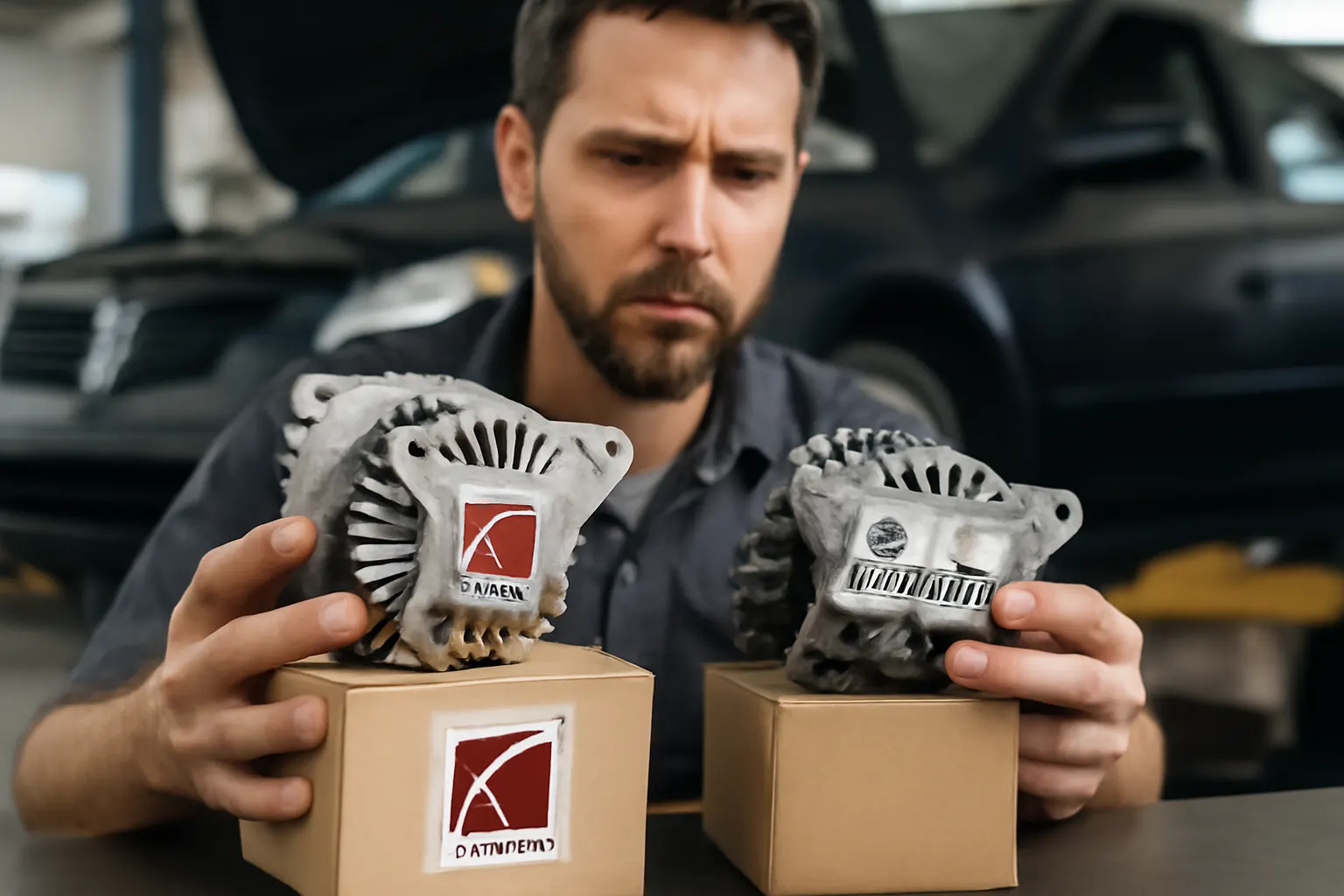
Counterfeit Saturn parts are a persistent threat to vehicle safety, performance, and your wallet. To avoid costly mistakes and potential hazards, it’s essential to recognize the telltale signs of fake auto parts—especially now that Saturn OEM components are increasingly rare. This comprehensive guide will walk you through the most reliable methods for identifying counterfeit Saturn parts, from packaging and markings to supplier red flags and technical fitment issues.
Read More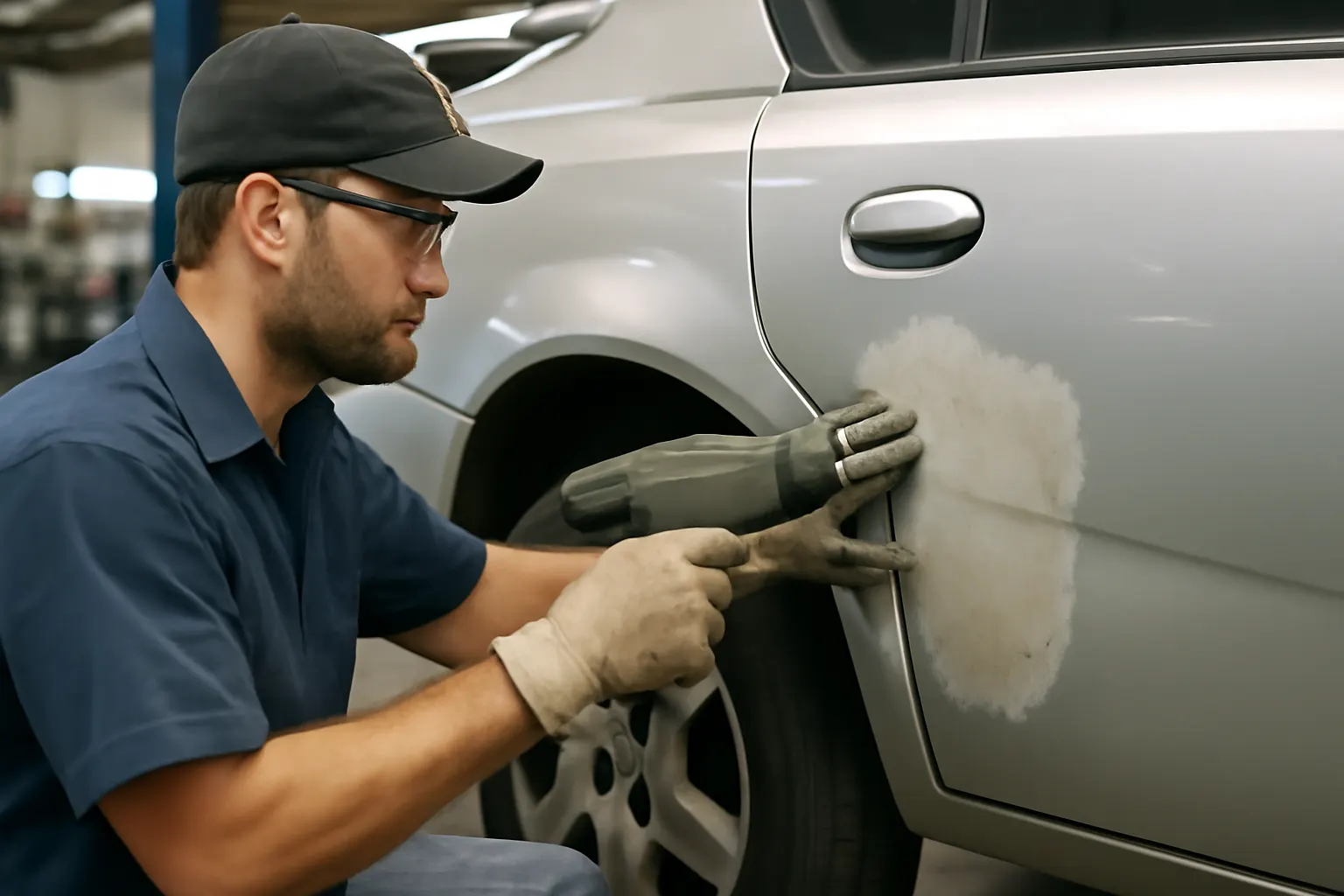
Polymer Panel Repair on Saturns
Saturn’s polymer body panels are legendary for their dent resistance and long-term durability, but when damage occurs, repairing and refinishing them correctly demands a specialized approach. This comprehensive guide delivers step-by-step instructions for repairing, sourcing, and refinishing Saturn’s signature polymer panels to restore both appearance and function—ensuring lasting results and original OEM fitment. Whether you’re a DIY enthusiast or a professional technician, understanding the nuances of Saturn’s exterior engineering is essential for a successful outcome.
Read More
Buying Used Saturn Parts: Risks & Checks
Sourcing used Saturn parts can be a cost-effective way to keep your vehicle running, but it’s not without risks. Whether you’re maintaining a Saturn S-Series, L-Series, Vue, or Ion, used parts marketplaces are flooded with a mix of genuine, worn, and sometimes counterfeit components. To help Saturn owners and mechanics make informed decisions, this AutoPartEx guide delivers practical, technical, and safety-focused advice on evaluating and buying used Saturn parts—ensuring your investment supports reliability, fitment, and performance.
View Guide
Saturn Parts Compatibility Guide
When you’re sourcing replacement parts for Saturn vehicles—whether it’s the S-Series, Vue, Ion, or another model—accurate compatibility matching is critical for proper fitment, safety, and performance. This comprehensive guide provides actionable steps for cross-referencing Saturn part numbers, verifying fitment, and avoiding the most common pitfalls encountered by Saturn owners and technicians. Whether you’re a DIY enthusiast, a professional mechanic, or a Saturn parts reseller, following these procedures ensures you select the right component every time.
View Guide