Oldsmobile F85 Auto Parts
Essential Guidance for Oldsmobile F85 Auto Parts Buyers
Classic car ownership brings unique joys and responsibilities, especially when sourcing parts for vintage models like the Oldsmobile F85. Many owners overlook crucial steps that can prevent costly mistakes and ensure a reliable repair. This guide offers practical, evidence-based advice for finding, verifying, and installing parts for your F85, helping you protect your investment and enjoy the road ahead. For more focused reading, explore Oldsmobile Maintenance Intervals by Model and Diagnosing Common Oldsmobile Electrical Issues.
Many classic car enthusiasts focus on restoration aesthetics or performance upgrades, but the process of sourcing replacement parts for vintage vehicles like the Oldsmobile F85 presents unique challenges. Unlike modern cars, parts availability, authenticity, and compatibility are not always straightforward. This often-overlooked aspect can have significant implications for both the safety and value of your classic car. Understanding the nuances of the parts market is essential for any F85 owner looking to keep their vehicle on the road.
The Oldsmobile F85, produced in the 1960s and early 1970s, is a beloved example of American automotive history. However, as these vehicles age, sourcing the right components becomes increasingly complex. Many parts are no longer manufactured, and those available may come from a variety of sources, including salvage yards, aftermarket suppliers, or specialized restoration shops. Knowing how to navigate these options can save time, money, and frustration.
One often overlooked consideration is the documentation and verification of parts before purchase. Relying solely on catalog listings or seller claims can lead to mismatched or poor-quality components. For the Oldsmobile F85, where originality and correct fitment are highly valued, a careful approach to parts sourcing is especially important. This guide will help you understand what steps to take and what resources to use to make informed decisions.
Sourcing authentic and compatible parts for the Oldsmobile F85 is not just a matter of browsing online catalogs. The main issue lies in the limited production run and the subsequent scarcity of original equipment manufacturer (OEM) parts. Many components have been discontinued, and aftermarket alternatives may not always meet the original specifications or quality standards. This scarcity can lead to confusion, especially for owners new to classic car restoration.
Another significant challenge is the risk of purchasing incorrect or substandard parts. Without standardized part numbers or comprehensive compatibility data, buyers may inadvertently acquire components that do not fit or function as intended. This is particularly problematic for critical systems such as brakes, suspension, or electrical components, where improper fitment can compromise safety and performance.
Advertisement
0 Oldsmobile F85 Auto Parts
No Products Found
We're currently updating our inventory for Oldsmobile F85 parts.
Please check back soon or contact us for specific part availability.
More Oldsmobile F85 options
Filtering for Oldsmobile F85Browse nearby inventory for this model without leaving the page. Use search to filter by price, part number, or city.
No Data Available
Please check back soon when more inventory is available for this part.
Advertisement
Why Classic Car Parts Sourcing Deserves Extra Attention
Many classic car enthusiasts focus on restoration aesthetics or performance upgrades, but the process of sourcing replacement parts for vintage vehicles like the Oldsmobile F85 presents unique challenges. Unlike modern cars, parts availability, authenticity, and compatibility are not always straightforward. This often-overlooked aspect can have significant implications for both the safety and value of your classic car. Understanding the nuances of the parts market is essential for any F85 owner looking to keep their vehicle on the road.
The Oldsmobile F85, produced in the 1960s and early 1970s, is a beloved example of American automotive history. However, as these vehicles age, sourcing the right components becomes increasingly complex. Many parts are no longer manufactured, and those available may come from a variety of sources, including salvage yards, aftermarket suppliers, or specialized restoration shops. Knowing how to navigate these options can save time, money, and frustration.
One often overlooked consideration is the documentation and verification of parts before purchase. Relying solely on catalog listings or seller claims can lead to mismatched or poor-quality components. For the Oldsmobile F85, where originality and correct fitment are highly valued, a careful approach to parts sourcing is especially important. This guide will help you understand what steps to take and what resources to use to make informed decisions.
The Real Challenges of Oldsmobile F85 Parts Replacement
Sourcing authentic and compatible parts for the Oldsmobile F85 is not just a matter of browsing online catalogs. The main issue lies in the limited production run and the subsequent scarcity of original equipment manufacturer (OEM) parts. Many components have been discontinued, and aftermarket alternatives may not always meet the original specifications or quality standards. This scarcity can lead to confusion, especially for owners new to classic car restoration.
Another significant challenge is the risk of purchasing incorrect or substandard parts. Without standardized part numbers or comprehensive compatibility data, buyers may inadvertently acquire components that do not fit or function as intended. This is particularly problematic for critical systems such as brakes, suspension, or electrical components, where improper fitment can compromise safety and performance.
The Oldsmobile F85’s age also means that many available parts are used or salvaged rather than new. Salvage parts, while sometimes the only option, come with their own set of risks. These components may have unknown wear, hidden damage, or subtle differences from the original specifications. Assessing the condition and provenance of salvage parts requires a discerning eye and often, specialized knowledge.
Documentation and transparency in the parts market for vehicles like the F85 can be inconsistent. Unlike newer vehicles, where digital records and VIN-based compatibility checks are standard, classic car parts often lack such verification tools. This increases the likelihood of errors in ordering and installing parts, potentially leading to delays, additional costs, or even damage to the vehicle.
Classic car owners may also encounter difficulties in finding repair shops or technicians with direct experience working on the Oldsmobile F85. Modern repair facilities may not be familiar with the unique requirements of vintage models, leading to improper installation or inappropriate substitutions. This further underscores the importance of careful part selection and clear communication with service providers.
Finally, the absence of standardized warranties or guarantees on classic car parts adds another layer of complexity. Unlike new vehicle components, which often come with manufacturer-backed coverage, parts for the F85 may be sold as-is, especially if sourced from salvage or specialty suppliers. This places the onus on the buyer to thoroughly vet both the part and the seller before committing to a purchase.
Practical Steps for Sourcing and Verifying Oldsmobile F85 Parts
Begin your parts search by gathering as much information as possible about your specific Oldsmobile F85 model, including the year, trim level, engine type, and any previous modifications. This foundational step will help you identify the correct part numbers and specifications, reducing the risk of ordering incompatible components. Consult original service manuals, restoration guides, or reputable online forums dedicated to classic Oldsmobiles for detailed information.
When evaluating potential parts, request clear documentation from the seller, including photographs, part numbers, and any available history of the component. For salvage or used parts, inquire about the donor vehicle’s condition, mileage, and reason for disassembly. If possible, inspect the part in person or request high-resolution images that reveal wear, corrosion, or other signs of damage. This diligence is especially important for safety-critical components.
Compare offerings from multiple sources, including specialized classic car parts suppliers, reputable salvage yards, and established online marketplaces. Be cautious of deals that seem too good to be true, as counterfeit or substandard parts are not uncommon in the vintage car market. Whenever possible, prioritize suppliers with a track record of serving the Oldsmobile F85 community and positive customer feedback.
For complex or expensive repairs, the Federal Trade Commission (FTC) recommends obtaining a written repair estimate that details the condition to be addressed, the parts required, and the anticipated labor charges. This step not only clarifies the scope of work but also provides a basis for comparison if you seek a second opinion or consider alternative repair shops. Always ask whether the technician has experience with your specific make and model, as classic vehicles often require specialized knowledge FTC: Auto Repair Basics.
Distinguish between new, remanufactured, and salvage parts when making your selection. New parts offer the highest assurance of quality and fitment but may be scarce or expensive for the Oldsmobile F85. Remanufactured or rebuilt components can provide a balance of cost and reliability, provided they come from reputable sources. Salvage parts, while sometimes the only option, should be thoroughly inspected and, if possible, tested before installation FTC: Auto Repair Basics.
After purchasing a part, retain all documentation, including invoices, photos, and correspondence with the seller. This record-keeping is invaluable if issues arise during installation or if you need to return or exchange the component. For repairs performed by a shop, request a completed repair order that lists the work performed, parts used, costs, and odometer readings. This not only protects your investment but also helps maintain the vehicle’s provenance and value.
Stay informed about potential recalls or safety issues related to your Oldsmobile F85 by regularly checking resources such as the National Highway Traffic Safety Administration (NHTSA) database. While the NHTSA’s recall lookup tool is primarily geared toward newer vehicles, it can still provide useful information about historical safety campaigns or common complaints. Register your vehicle and sign up for recall alerts to stay ahead of any emerging issues NHTSA: Vehicle Recalls.
Finally, develop a relationship with trusted suppliers and service providers who understand the nuances of classic Oldsmobile models. Networking with other F85 owners through clubs or online forums can yield valuable recommendations and insider tips. By following these practical steps, you can significantly reduce the risks associated with parts sourcing and ensure your Oldsmobile F85 remains both safe and enjoyable to drive. For more model-specific resources, visit our Oldsmobile F85 page.
What the Evidence Says About Classic Car Parts Sourcing
The Federal Trade Commission’s guidance on auto repair underscores the importance of documentation and informed decision-making for all vehicle owners, including those with classic cars like the Oldsmobile F85. The FTC explicitly advises consumers to obtain a written repair estimate that details the condition to be repaired, the necessary parts, and anticipated labor charges. This recommendation is particularly relevant for classic vehicles, where parts scarcity and high repair costs are common. The FTC also suggests considering a second opinion for expensive or complicated repairs, emphasizing the value of comparing shop recommendations and ensuring technicians have experience with the specific make or model FTC: Auto Repair Basics.
The FTC further distinguishes between new, remanufactured, and salvage parts, noting that salvage parts are sourced from other vehicles without alteration. This distinction is crucial for Oldsmobile F85 owners, as the majority of available components may fall into the salvage or remanufactured category. The FTC’s advice to obtain a completed repair order listing the work performed, parts used, costs, and odometer readings is directly applicable to classic car repairs, where documentation helps maintain vehicle value and provides recourse in the event of disputes FTC: Auto Repair Basics.
The National Highway Traffic Safety Administration (NHTSA) provides a comprehensive recall lookup tool that allows vehicle owners to check for open recalls by VIN or license plate. While this tool is most effective for vehicles produced within the last 15 years, it still offers general recall, investigation, and complaint information for older models like the Oldsmobile F85. NHTSA’s process involves screening complaints, analyzing petitions, conducting investigations, and managing recalls, ensuring that safety-related defects are addressed when identified NHTSA: Vehicle Recalls.
It is important to note, however, that the NHTSA recall database does not guarantee that a specific Oldsmobile F85 is subject to an open recall. The database provides general results for older vehicles, and safety recalls more than 15 years old may not be listed unless the manufacturer offers extended coverage. Therefore, while the NHTSA tool is a valuable resource, it should be used in conjunction with other verification methods, such as consulting manufacturer communications or classic car registries NHTSA: Vehicle Recalls.
Neither the FTC nor the NHTSA provides vehicle-specific technical specifications or guarantees regarding the fitment or quality of replacement parts for the Oldsmobile F85. Their guidance focuses on general consumer protection principles, such as obtaining documentation, comparing options, and understanding the limitations of available information. This means that F85 owners must take additional steps to verify compatibility and authenticity, relying on reputable suppliers, expert advice, and thorough inspection of parts before purchase.
The absence of standardized warranties or guarantees on classic car parts is highlighted by the FTC, which states that there is no standard warranty on repairs and advises consumers to understand coverage and get it in writing. This is particularly relevant for Oldsmobile F85 owners, as many parts are sold as-is, especially when sourced from salvage or specialty suppliers. Buyers should be cautious and seek written confirmation of any guarantees or return policies before finalizing a purchase FTC: Auto Repair Basics.
In summary, the evidence from both the FTC and NHTSA establishes a framework of best practices for classic car parts sourcing: prioritize documentation, verify part condition and compatibility, compare multiple sources, and stay informed about potential safety issues. While these agencies do not provide vehicle-specific repair outcomes or statistics, their guidance supports a careful, informed approach that can help Oldsmobile F85 owners avoid common pitfalls and ensure successful repairs.
Take the Next Step Toward Reliable Oldsmobile F85 Repairs
If you’re ready to source parts or schedule repairs for your Oldsmobile F85, start by gathering detailed information about your vehicle and the specific components you need. Use trusted resources, request thorough documentation, and consult experienced professionals to ensure compatibility and quality. For more model-specific advice and a curated selection of parts, visit our Oldsmobile F85 page. Protect your classic investment by making informed, evidence-based decisions every step of the way.
References
- NHTSA: Vehicle Recalls
- FTC: Auto Repair Basics
References
- NHTSA: Vehicle Recalls - NHTSA, accessed 2026-11-01
- FTC: Auto Repair Basics - FTC, accessed 2026-11-01
Related Guides & Articles

Oldsmobile Maintenance Intervals by Model
For most Oldsmobile models, routine maintenance divides into mileage-based and time-based intervals. While specifics vary by model and year, the following general schedule applies to the vast majority of Oldsmobile vehicles: Engine Oil & Filter: Every 3,000–5,000 miles or 6 months (conventional oil); up to 7,500 miles for synthetics on select late models. Transmission Fluid & Filter: Every 30,000–50,000 miles. Coolant/Antifreeze: Inspect every 12 months; replace every 2–5 years depending on fluid type. Brake Fluid: Replace every 2 years.
View Guide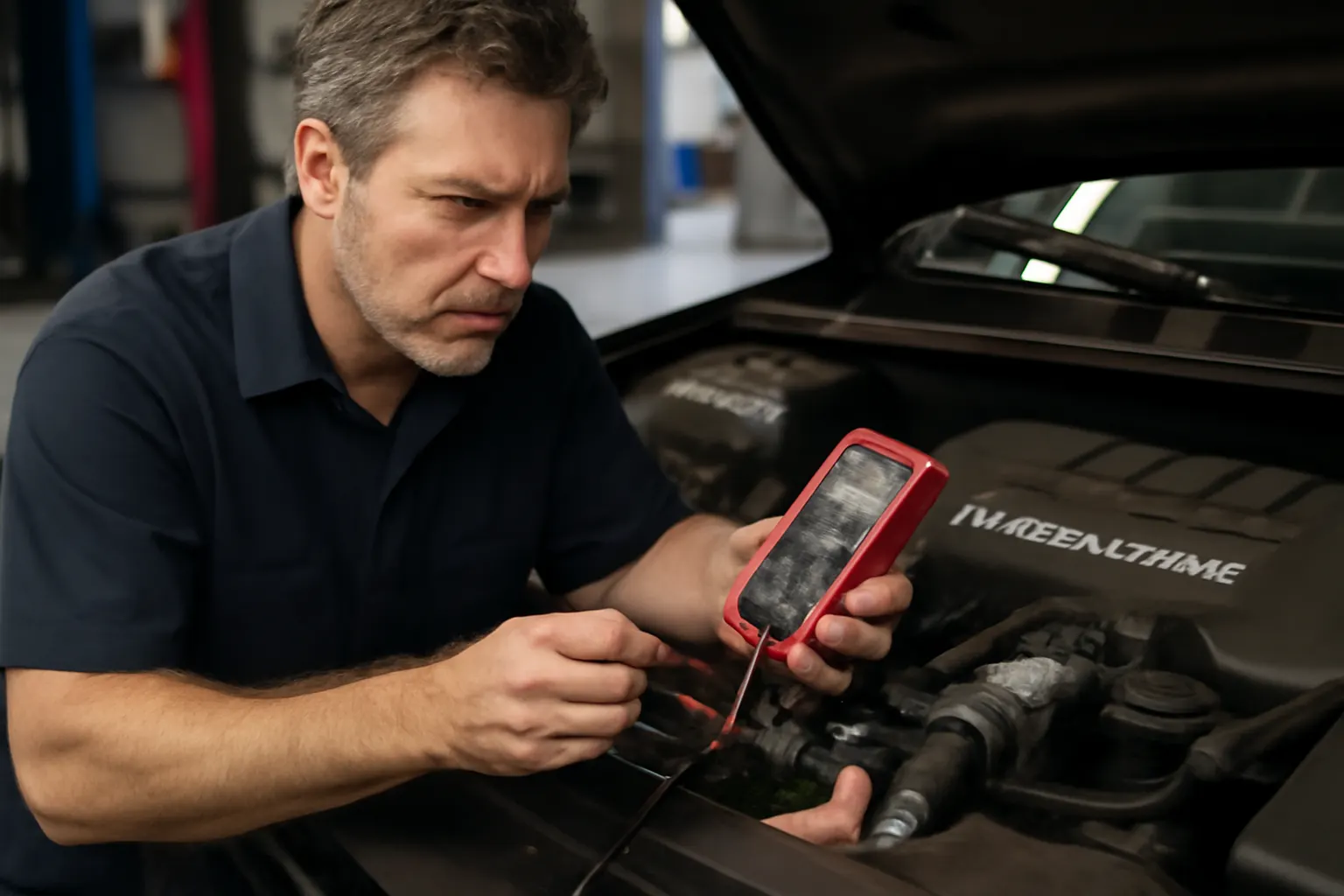
Diagnosing Common Oldsmobile Electrical Issues
Electrical issues in Oldsmobile vehicles are among the most persistent and frustrating problems faced by owners and restorers. Whether you’re troubleshooting a non-functional power window, an intermittent ignition module, or a mysterious battery drain, knowing where to start can save hours of guesswork and prevent costly misdiagnoses. This in-depth guide from AutoPartEx provides an immediate troubleshooting roadmap for the most common Oldsmobile electrical faults, explains the underlying complexities, and offers expert-backed diagnostic and repair strategies tailored to Oldsmobile models and their unique heritage.
Read More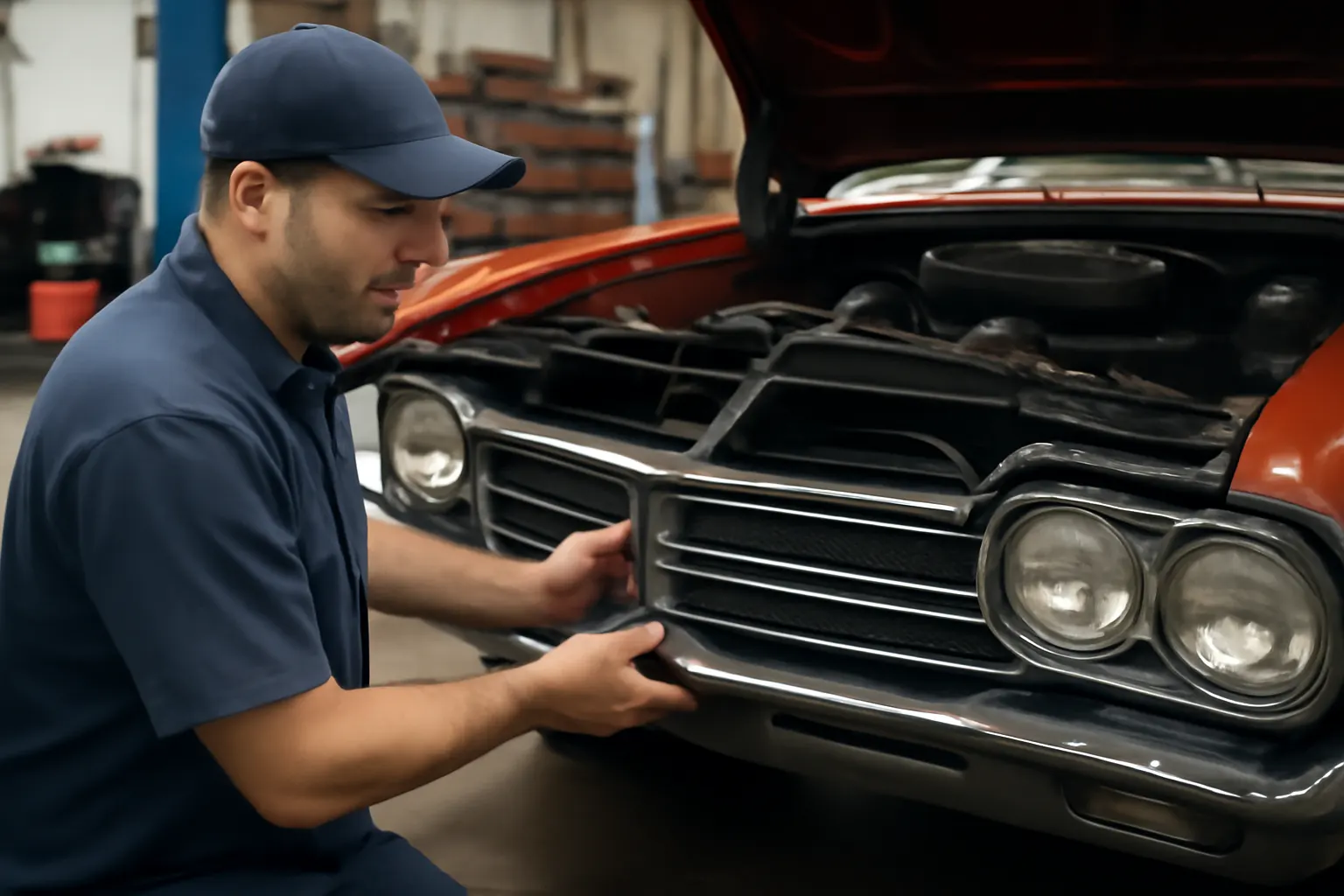
Restoring a Classic Oldsmobile: Sourcing Tips
The difference between a show-stopping Oldsmobile restoration and a problematic one often comes down to parts sourcing. Using the wrong components can compromise safety, reduce authenticity, and lead to expensive rework. Genuine or high-quality replacement parts ensure structural integrity, correct function, and compliance with modern safety standards as outlined by the National Highway Traffic Safety Administration (NHTSA). Oldsmobile, as part of General Motors, shares many components with other GM brands.
Read More
How to Identify Genuine Oldsmobile Parts
The most reliable method for identifying genuine Oldsmobile parts is to inspect for original equipment manufacturer (OEM) identifiers. Oldsmobile, as a division of General Motors, utilized specific casting numbers, engineering part numbers, and logo stamps throughout its production history. GM or Oldsmobile Rocket Logo: Many parts, especially engine and drivetrain components, are stamped or cast with the GM or Oldsmobile “Rocket” insignia. Casting Numbers: Numeric codes indicating the part’s engineering revision, production batch, and sometimes the intended model year.
View Guide