
Oldsmobile Auto Parts
Essential Considerations for Oldsmobile Auto Parts Buyers
When sourcing Oldsmobile auto parts, many buyers focus on price or availability, overlooking crucial steps that can affect safety and long-term value. This guide highlights a vital but often missed consideration: verifying recalls and understanding part origins. By following evidence-based practices and using official resources, Oldsmobile owners can make more confident, informed choices—whether maintaining a daily driver or restoring a classic.
Advertisement
No Products Found
We're currently updating our inventory for Oldsmobile parts.
Please check back soon or contact us for specific part availability.
Advertisement
More Oldsmobile parts
Filtering for OldsmobileBrowse nearby Oldsmobile inventory without leaving this page. Use search to filter by price, part number, or city.
No Data Available
Please check back soon when more inventory is available for this part.
Advertisement
Why Oldsmobile Owners Should Look Beyond Price and Availability
Many Oldsmobile enthusiasts and daily drivers alike begin their parts search with a simple question: what’s the best deal available? While cost and inventory are important, there’s a crucial consideration that often gets overlooked—ensuring the part is not only compatible, but also safe and free from outstanding recalls. This step is especially relevant for vehicles no longer in production, where aftermarket and salvage options abound. Ignoring this aspect can lead to unnecessary risks, missed safety updates, or compatibility headaches down the road.
It’s easy to assume that any part labeled for an Oldsmobile will work for your specific model and year. However, the reality is more complex. Differences in trim, production changes, and even regional variations mean that not every part will fit or function as intended. Additionally, the rise of online marketplaces has increased the availability of both genuine and non-genuine parts, making it even more important to verify what you’re buying. This is especially true for components that affect vehicle safety or performance.
Another commonly overlooked step is checking for open recalls related to your Oldsmobile or the part in question. Even if your car is decades old, there may be unresolved safety campaigns that could impact your purchase or repair decision. The National Highway Traffic Safety Administration (NHTSA) provides a VIN-based lookup tool that can reveal whether your specific vehicle has any outstanding recalls. This process is quick, free, and can prevent future headaches or hazards. By starting your parts search with these considerations, you lay the groundwork for a safer and more reliable repair or restoration.
Understanding the Risks: Compatibility, Recalls, and Part Origins
Oldsmobile vehicles, especially those from discontinued model lines, present unique challenges when it comes to sourcing replacement parts. The diversity of Oldsmobile’s lineup over the decades means that even within a single model year, parts can vary significantly. This complexity is compounded by the fact that many original equipment manufacturer (OEM) parts are no longer produced, leading buyers to choose between aftermarket, remanufactured, or salvage options. Each of these comes with its own set of risks and considerations, particularly regarding fitment and long-term reliability.
One significant risk is the potential for installing a part that has been subject to a safety recall. Recalls are issued when a component is found to pose an unreasonable safety risk or fails to meet minimum safety standards. For Oldsmobile owners, especially those with older vehicles, it’s easy to assume that all recalls have been addressed, or that they don’t apply to replacement parts. However, as the NHTSA explains, recalls can remain open for years and may affect both vehicles and individual components sourced from other vehicles or suppliers NHTSA: Vehicle Recalls.
Another challenge is distinguishing between genuine Oldsmobile parts and those that are remanufactured, rebuilt, or salvaged. While salvage parts can offer cost savings, they come from previously used vehicles and may not have been inspected or refurbished. Remanufactured or rebuilt parts are reconditioned, but the quality can vary depending on the supplier. Without clear documentation or provenance, buyers risk installing parts that could fail prematurely or introduce new issues. The Federal Trade Commission (FTC) advises consumers to ask about the origin and condition of parts, especially when safety or reliability is at stake FTC: Auto Repair Basics.
The process of verifying compatibility is further complicated by the lack of standardized part numbers across different suppliers. Aftermarket parts may claim to fit a range of Oldsmobile models, but subtle differences in design or specification can lead to installation problems or suboptimal performance. This is particularly true for critical systems such as brakes, suspension, or electrical components, where even minor deviations can have significant consequences. Without access to detailed fitment data or expert advice, buyers may inadvertently select an incompatible part.
For those restoring classic Oldsmobiles, the stakes are even higher. Authenticity is often a top priority, but sourcing genuine parts can be difficult and expensive. The temptation to use non-original or modified components is strong, yet this can affect the vehicle’s value and performance. Moreover, older vehicles may have been subject to recalls that were never addressed, especially if they changed hands multiple times. Checking the vehicle’s history and consulting recall databases becomes an essential step in the restoration process.
Finally, the lack of a standard warranty on many replacement parts—especially used or salvage components—means that buyers bear much of the risk if something goes wrong. The FTC emphasizes the importance of understanding warranty terms and getting them in writing, but this is not always possible with every seller or part type. As a result, Oldsmobile owners must be diligent in their research, documentation, and communication with suppliers to minimize the risk of costly mistakes or unsafe repairs.
A Practical Guide to Sourcing Safe and Compatible Oldsmobile Parts
To navigate the complexities of Oldsmobile parts sourcing, start by gathering your vehicle’s exact information: model, year, trim, and VIN. The VIN is especially valuable, as it can be used to check for open recalls and verify compatibility with specific parts. The NHTSA’s VIN lookup tool allows you to see if your vehicle has any outstanding safety recalls, which is a crucial first step before purchasing or installing any replacement part NHTSA: Vehicle Recalls. This process is straightforward: locate your 17-character VIN on the lower left of your windshield or on your registration card, and enter it into the NHTSA database.
Once you’ve confirmed there are no open recalls affecting your vehicle or the part you intend to replace, focus on identifying the correct part type. Decide whether you need a genuine Oldsmobile part, a quality aftermarket alternative, or if a remanufactured or salvage part is acceptable. Each option has trade-offs in terms of cost, availability, and assurance of fitment. For critical systems—such as brakes, steering, or airbags—prioritize new or OEM components whenever possible. For less critical items, remanufactured or salvage parts may offer a reasonable balance of cost and function, but always verify their condition and provenance.
Request detailed documentation from the seller, including part numbers, compatibility lists, and, if possible, photographs of the actual item. Compare these details with your vehicle’s requirements and consult resources like the How to Identify Genuine Oldsmobile Parts guide. If you’re unsure, don’t hesitate to ask the seller for clarification or seek advice from a trusted mechanic familiar with Oldsmobile vehicles. The FTC recommends getting a written repair estimate and a completed repair order, listing the work performed, parts used, and associated costs FTC: Auto Repair Basics.
For expensive or complex repairs, consider obtaining a second opinion from a repair shop or parts specialist. Ask whether the technician has experience with Oldsmobile models and inquire about their familiarity with the specific part or system in question. This step can help you avoid common pitfalls, such as purchasing an incompatible or substandard component. The FTC also advises comparing shop recommendations with the manufacturer’s maintenance schedule, which you can find in your owner’s manual or through the Oldsmobile Maintenance Intervals by Model resource.
When evaluating used or salvage parts, request information about the donor vehicle, including its VIN and service history if available. This can help you assess whether the part was subject to any recalls or known issues. Some sellers may also provide limited warranties or return policies, but these vary widely. Always ask for terms in writing and keep records of your purchase and communication. If the seller cannot provide adequate documentation or seems evasive, consider looking elsewhere.
For those restoring classic Oldsmobiles, authenticity and provenance are key. Use the Restoring a Classic Oldsmobile: Sourcing Tips guide to learn about reputable sources for genuine parts and strategies for verifying originality. Keep in mind that some rare or discontinued parts may only be available as remanufactured or salvage items. In these cases, prioritize suppliers with a track record of quality and transparency. Document every step of your restoration, including part numbers, sources, and any modifications made.
Electrical components deserve special attention due to their complexity and the potential for compatibility issues. Consult the Diagnosing Common Oldsmobile Electrical Issues guide for troubleshooting tips and advice on sourcing the right parts. Electrical systems often changed mid-year or between trims, so double-check part numbers and specifications before purchasing. If possible, test the component before installation or have a qualified technician perform the work.
Finally, maintain a record of all repairs, parts purchases, and recall checks. This documentation not only helps with future maintenance but can also enhance the value of your Oldsmobile if you decide to sell. By following these practical steps and leveraging official resources, you can minimize risks and ensure your Oldsmobile remains safe, reliable, and enjoyable for years to come.
What Official Guidance and Case References Show About Oldsmobile Parts Sourcing
The National Highway Traffic Safety Administration (NHTSA) provides the most authoritative resource for vehicle recall information in the United States. Their recall lookup tool allows consumers to search for open recalls by VIN, license plate, or by make, model, and year. For Oldsmobile owners, this means you can quickly determine if your specific vehicle—or a donor vehicle for salvage parts—has any unresolved safety issues. The NHTSA emphasizes that recall information is continuously updated, and some recalls may not appear if they are over 15 years old or if the manufacturer has not yet identified all affected VINs. This underscores the importance of checking the database regularly, especially when sourcing parts for older or classic Oldsmobile models NHTSA: Vehicle Recalls.
The NHTSA also outlines the recall process, from initial consumer complaints to manufacturer action and remedy. They clarify that most recalls are initiated voluntarily by manufacturers, who are required to notify registered owners and offer a free repair, replacement, refund, or—in rare cases—repurchase. However, this process only applies to vehicles and parts still within the recall period and registered with the manufacturer. For Oldsmobile vehicles, especially those no longer in production, owners may not receive direct notifications. Therefore, proactive recall checks become essential, particularly when purchasing used or salvage parts that may have originated from a recalled vehicle NHTSA: Vehicle Recalls.
The Federal Trade Commission (FTC) provides general consumer guidance for auto repairs and parts purchases. Their recommendations include obtaining a written repair estimate, asking about the origin and condition of replacement parts, and understanding the differences between new, remanufactured, and salvage components. The FTC explicitly states that there is no standard warranty on repairs or replacement parts, and coverage should always be confirmed in writing. This advice is particularly relevant for Oldsmobile owners, who frequently encounter a mix of part types and sellers with varying policies FTC: Auto Repair Basics.
The FTC further advises comparing shop recommendations with the manufacturer’s maintenance schedule and seeking a second opinion for expensive or complicated repairs. This is especially important for Oldsmobile vehicles, where parts availability and compatibility can vary widely. By following these steps, owners can avoid unnecessary or inappropriate repairs, and ensure that the parts installed meet the required standards for safety and performance. The FTC’s guidance is not specific to Oldsmobile, but it provides a solid framework for evaluating any auto repair or parts purchase FTC: Auto Repair Basics.
It’s important to note that neither the NHTSA nor the FTC provides technical specifications, fitment guarantees, or endorsements of specific sellers. Their role is to inform consumers about safety, recall processes, and best practices for purchasing and installing auto parts. For Oldsmobile owners, this means that while official resources can help identify potential risks and guide decision-making, the responsibility for verifying compatibility and quality ultimately rests with the buyer. Using resources like the How to Identify Genuine Oldsmobile Parts guide can further reduce uncertainty.
The NHTSA’s recall database includes Oldsmobile among its listed manufacturers, but searching by make and model yields only general recall information. To determine if a specific part or vehicle is affected, a VIN-based search is necessary. This distinction is critical for buyers considering salvage or remanufactured parts, as the original vehicle’s recall status may not be immediately apparent from the part alone. The NHTSA also notes that some recalls may not be visible if they have already been repaired or if the vehicle is more than 15 years old, except in cases where extended coverage is offered NHTSA: Vehicle Recalls.
The FTC’s guidance on part types—new, remanufactured, and salvage—highlights the importance of understanding what you’re buying. Salvage parts, for example, come from another vehicle without alteration and may not have been inspected or refurbished. Remanufactured or rebuilt parts are reconditioned, but the quality can vary. For Oldsmobile owners, especially those restoring classics or maintaining older models, this means balancing cost, authenticity, and reliability. The FTC’s advice to get all terms in writing and to ask about the technician’s experience with your make and model is especially pertinent when dealing with non-OEM or used components FTC: Auto Repair Basics.
Take the Next Step: Source Oldsmobile Parts Confidently
Sourcing Oldsmobile auto parts doesn’t have to be a gamble. By checking for open recalls, verifying part origins, and following trusted consumer guidance, you can make informed decisions that protect your vehicle’s safety, value, and performance. Use official resources and keep thorough records of your purchases and repairs. For more detailed guidance, explore the linked Oldsmobile resources and consult with experienced professionals. Your diligence today ensures your Oldsmobile remains roadworthy and enjoyable for years to come.
References
- NHTSA: Vehicle Recalls
- FTC: Auto Repair Basics
References
- NHTSA: Vehicle Recalls - NHTSA, accessed 2026-11-01
- FTC: Auto Repair Basics - FTC, accessed 2026-11-01
Related Guides & Articles

How to Identify Genuine Oldsmobile Parts
The most reliable method for identifying genuine Oldsmobile parts is to inspect for original equipment manufacturer (OEM) identifiers. Oldsmobile, as a division of General Motors, utilized specific casting numbers, engineering part numbers, and logo stamps throughout its production history. GM or Oldsmobile Rocket Logo: Many parts, especially engine and drivetrain components, are stamped or cast with the GM or Oldsmobile “Rocket” insignia. Casting Numbers: Numeric codes indicating the part’s engineering revision, production batch, and sometimes the intended model year.
View Guide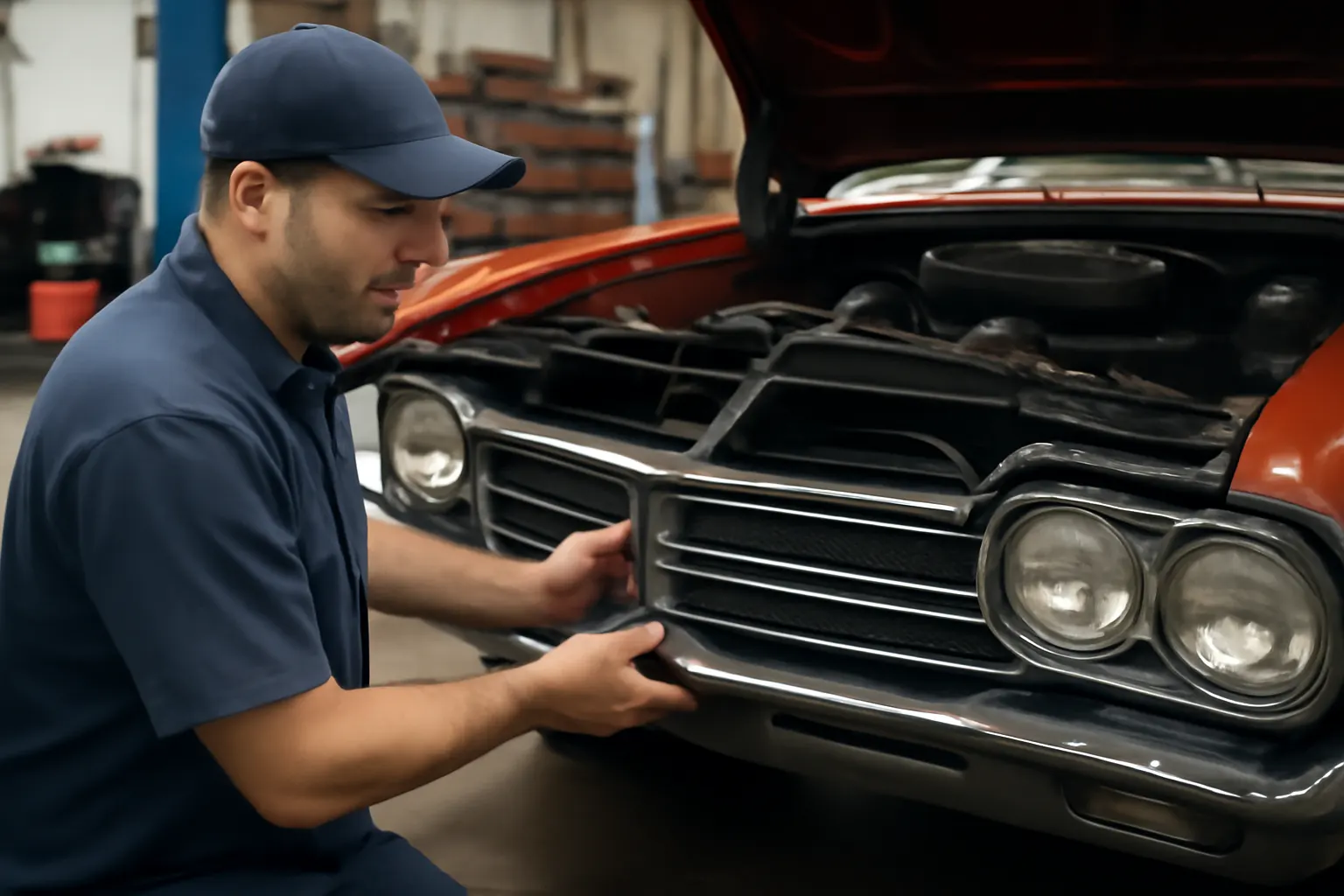
Restoring a Classic Oldsmobile: Sourcing Tips
The difference between a show-stopping Oldsmobile restoration and a problematic one often comes down to parts sourcing. Using the wrong components can compromise safety, reduce authenticity, and lead to expensive rework. Genuine or high-quality replacement parts ensure structural integrity, correct function, and compliance with modern safety standards as outlined by the National Highway Traffic Safety Administration (NHTSA). Oldsmobile, as part of General Motors, shares many components with other GM brands.
Read More
Oldsmobile Maintenance Intervals by Model
For most Oldsmobile models, routine maintenance divides into mileage-based and time-based intervals. While specifics vary by model and year, the following general schedule applies to the vast majority of Oldsmobile vehicles: Engine Oil & Filter: Every 3,000–5,000 miles or 6 months (conventional oil); up to 7,500 miles for synthetics on select late models. Transmission Fluid & Filter: Every 30,000–50,000 miles. Coolant/Antifreeze: Inspect every 12 months; replace every 2–5 years depending on fluid type. Brake Fluid: Replace every 2 years.
View Guide
Diagnosing Common Oldsmobile Electrical Issues
Electrical issues in Oldsmobile vehicles are among the most persistent and frustrating problems faced by owners and restorers. Whether you’re troubleshooting a non-functional power window, an intermittent ignition module, or a mysterious battery drain, knowing where to start can save hours of guesswork and prevent costly misdiagnoses. This in-depth guide from AutoPartEx provides an immediate troubleshooting roadmap for the most common Oldsmobile electrical faults, explains the underlying complexities, and offers expert-backed diagnostic and repair strategies tailored to Oldsmobile models and their unique heritage.
Read More