Infiniti G35 Auto Parts
Essential Guidance for Infiniti G35 Auto Parts Buyers
Infiniti G35 owners often focus on performance and style, but one critical aspect is frequently overlooked: the importance of verifying part compatibility and safety before any repair or upgrade. With a wide variety of aftermarket and salvage parts available, understanding how to protect your investment and ensure reliability is essential. This guide walks you through practical steps, supported by trusted sources, for making informed decisions about G35 auto parts and service.
Advertisement
0 Infiniti G35 Auto Parts
No Products Found
We're currently updating our inventory for Infiniti G35 parts.
Please check back soon or contact us for specific part availability.
More Infiniti G35 options
Filtering for Infiniti G35Browse nearby inventory for this model without leaving the page. Use search to filter by price, part number, or city.
No Data Available
Please check back soon when more inventory is available for this part.
Advertisement
Why Part Selection for Your Infiniti G35 Deserves a Closer Look
When considering repairs or upgrades for your Infiniti G35, it’s easy to get caught up in the excitement of performance gains or aesthetic improvements. Yet, many owners underestimate the significance of verifying the compatibility and safety of replacement parts. An overlooked detail—such as a mismatched sensor or a non-compliant airbag module—can lead to more than just inconvenience; it can compromise the safety and value of your vehicle. This is especially true for models like the G35, which have a loyal following and a robust aftermarket scene.
Many G35 enthusiasts and everyday drivers alike may not realize that even minor differences between model years or trim levels can affect part fitment. For example, a brake caliper or control arm from a different production year may look identical but have subtle variations that impact installation or performance. This is why a careful approach to parts selection is critical, whether you’re sourcing components from a dealership, an online retailer, or a salvage yard. The risk of ending up with incompatible or substandard parts is higher than most expect.
Beyond fitment, there is the matter of safety recalls and regulatory compliance. Replacement parts, especially those sourced from salvage vehicles, may carry unresolved recall issues or fail to meet current safety standards. Owners who overlook these considerations can inadvertently introduce new risks or legal complications. Understanding how to check for recalls and verify part history is a crucial, yet often neglected, step in maintaining your Infiniti G35’s reliability and safety.
The Hidden Risks of Overlooking G35 Part Compatibility and Recall Status
One of the most common pitfalls Infiniti G35 owners face is assuming that all parts labeled for their model will fit and function correctly. The reality is that the G35’s production run included several updates, mid-cycle changes, and regional variations. For instance, a component designed for a 2004 coupe may not be fully compatible with a 2006 sedan, even though both wear the G35 badge. This complexity can lead to misordered parts, wasted time, and even failed repairs if not addressed proactively.
The problem extends beyond mere inconvenience. Installing incompatible or unverified parts can result in operational issues, such as dashboard warning lights, erratic engine performance, or compromised braking. In some cases, the use of incorrect parts has led to more severe consequences, including safety system malfunctions. For example, airbag modules or seatbelt pretensioners sourced from salvage vehicles may have unresolved recall defects, posing a direct risk to occupants.
A further complication arises from the prevalence of aftermarket and salvage parts in the G35 community. While these options can offer significant cost savings, they also introduce uncertainty regarding the part’s history, prior usage, and recall status. Salvage parts, in particular, may come from vehicles that were subject to recalls or accidents, and there is often no guarantee that the underlying issue has been addressed. Without a systematic approach to verification, owners may unwittingly install components with hidden defects.
Many owners also misunderstand the recall process itself. According to the National Highway Traffic Safety Administration (NHTSA), recall information tied to a specific vehicle is only available through a VIN search, not by generic make and model alone. This means that even if a part appears to be compatible based on catalog listings, it may still be subject to an unresolved recall that does not appear in general search results. This nuance is critical for anyone sourcing used or aftermarket parts for their G35.
The consequences of ignoring these details can be significant. Beyond immediate safety concerns, unresolved recalls or improper repairs can affect the resale value of your Infiniti G35 and may even result in legal liability if a defect leads to an accident. Insurance companies may also deny claims if it is found that a non-compliant or recalled part contributed to a loss. These are not hypothetical risks but real-world outcomes documented in consumer safety guidance.
Given these challenges, it is clear that a more diligent approach is needed when selecting and installing parts for your Infiniti G35. Owners must go beyond surface-level checks and take advantage of available resources to verify part compatibility, recall status, and overall safety. This requires a combination of technical diligence, informed questioning, and the use of official tools and documentation.
A Step-by-Step Guide to Safe and Effective G35 Parts Selection
Start by identifying the precise year, trim, and body style of your Infiniti G35. This information is essential because even minor differences between production runs can affect part compatibility. Use your vehicle’s 17-character VIN, typically found on the lower left of the windshield or on your registration card, to confirm these details. This step ensures you are searching for parts that are specifically engineered for your vehicle’s configuration.
Before purchasing any replacement part—new, aftermarket, or salvage—conduct a recall check using the NHTSA’s VIN lookup tool. This tool allows you to determine if your specific vehicle has any outstanding recalls that may affect the component in question. Remember, searching by year, make, and model provides only general recall information, not details tied to your individual vehicle. Always use the VIN for the most accurate results, especially when dealing with safety-critical components like airbags or brakes.
When considering salvage or used parts, request documentation regarding the donor vehicle’s recall and repair history. Salvage yards and reputable sellers should be able to provide the VIN of the source vehicle, allowing you to perform your own recall check. If the seller cannot provide this information, consider it a red flag and seek alternatives. This is particularly important for parts related to safety systems, as unresolved recalls can carry over to the replacement component.
For complex or expensive repairs, the Federal Trade Commission (FTC) recommends obtaining a written repair estimate that details the condition to be repaired, the parts needed, and anticipated labor charges. Consider seeking a second opinion, especially for major repairs or when using non-OEM parts. Ask the technician about their experience with Infiniti G35 models and whether they have previously worked with the specific part or system in question. This can help avoid costly mistakes and ensure a higher standard of workmanship.
Distinguish between new, remanufactured, and salvage parts. New parts offer the highest assurance of compatibility and safety but may come at a premium. Remanufactured or rebuilt components can provide a balance of cost and reliability, provided they come from reputable sources with clear documentation. Salvage parts, while economical, should be chosen with extra caution and only when their history can be verified. Always request a completed repair order listing the work performed, parts installed, costs, and odometer readings for your records.
Compare any shop’s recommendations with the manufacturer’s maintenance schedule found in your owner’s manual. If a shop suggests additional services or parts replacements beyond the recommended intervals, ask for a clear explanation and supporting evidence. This helps prevent unnecessary expenses and ensures that your G35 receives only the care it truly requires. Document all service and parts replacements to maintain a clear maintenance history, which can be valuable for future resale or warranty claims.
When evaluating aftermarket parts, research the manufacturer’s reputation and look for independent reviews or certifications. Some aftermarket options may offer performance enhancements but could lack the rigorous testing and quality control of OEM parts. Weigh the benefits and risks carefully, especially for components that affect safety or emissions compliance. If in doubt, consult with a specialist familiar with Infiniti G35 models to assess whether a particular aftermarket part is a suitable choice.
Finally, keep abreast of updates from regulatory agencies and manufacturers. Sign up for recall alerts via the NHTSA’s SaferCar app or email notifications. This proactive approach ensures you are promptly informed of any new recalls or safety issues affecting your G35 or its components. Staying informed and organized is the best way to protect your investment and enjoy the full performance and reliability your Infiniti G35 has to offer.
What the Experts and Official Sources Say About G35 Parts and Recalls
The National Highway Traffic Safety Administration (NHTSA) provides a comprehensive framework for vehicle recall management and consumer safety. According to NHTSA, recall information specific to a vehicle is best obtained through a VIN-based search, not by general model or year alone. This distinction is crucial for Infiniti G35 owners because it means that even if a part appears to fit based on catalog data, it may still be subject to an unresolved recall that only shows up in a VIN search. The NHTSA emphasizes the importance of regular recall checks and registering your vehicle to receive timely notifications NHTSA: Vehicle Recalls.
NHTSA’s recall process involves several stages, beginning with consumer complaints and progressing through investigations, analysis, and ultimately, recall management. Manufacturers are required to notify registered owners by mail and offer a remedy, such as repair or replacement, at no cost. However, this process depends on accurate owner registration and timely communication. For Infiniti G35 owners sourcing parts from salvage vehicles, it is vital to ensure that any replacement component is not subject to an outstanding recall, as the responsibility for addressing such issues may shift to the new owner NHTSA: Vehicle Recalls.
The NHTSA also notes that recall searches by VIN will not display recalls that have already been repaired or those more than 15 years old, except in cases where manufacturers offer extended coverage. This limitation means that buyers of older G35 models or those using salvage parts must exercise additional diligence. If a part comes from a vehicle with an unresolved recall, it may not be apparent unless the donor vehicle’s VIN is checked. This reinforces the need for thorough documentation and verification when purchasing used components NHTSA: Vehicle Recalls.
The Federal Trade Commission (FTC) offers general guidance on auto repairs, emphasizing the importance of written estimates, clear documentation, and understanding the differences between new, remanufactured, and salvage parts. The FTC advises consumers to ask whether technicians have experience with their specific make and model, which is particularly relevant for Infiniti G35 owners given the model’s unique engineering and potential for mid-cycle changes. This advice helps ensure that repairs are performed correctly and that parts are properly matched to the vehicle FTC: Auto Repair Basics.
According to the FTC, there is no standard warranty on repairs, and coverage can vary widely depending on the shop and the type of part used. This means that Infiniti G35 owners should always request written confirmation of any warranty or guarantee offered with a replacement part or repair service. Salvage parts, in particular, may not come with any warranty, increasing the importance of verifying their condition and history before installation. The FTC’s guidance underscores the value of a cautious and informed approach to parts selection FTC: Auto Repair Basics.
Neither the NHTSA nor the FTC provides vehicle-specific technical specifications or failure rates for Infiniti G35 components. Instead, their published guidance focuses on consumer rights, safety verification, and best practices for parts selection and repair documentation. This means that G35 owners should not assume that a part is safe or compatible based solely on catalog listings or seller assurances. Instead, they should follow the recommended steps for verification and documentation outlined by these agencies.
In summary, the available evidence from NHTSA and FTC highlights the importance of using VIN-based recall checks, demanding clear documentation from sellers and repair shops, and understanding the limitations of aftermarket and salvage parts. While these sources do not provide specific failure cases for the Infiniti G35, they establish a strong foundation for a diligent, evidence-based approach to parts selection and vehicle maintenance. By following these expert-backed steps, G35 owners can minimize risk and maximize the reliability and safety of their vehicle.
Take the Next Step Toward Reliable G35 Ownership
Protect your Infiniti G35 by making informed, evidence-based decisions about parts and repairs. Start by verifying your vehicle’s VIN, checking for outstanding recalls, and demanding clear documentation from sellers and repair shops. Use trusted resources like the NHTSA and FTC to guide your choices, and don’t hesitate to seek expert advice when evaluating aftermarket or salvage parts. Your diligence today ensures lasting performance, safety, and peace of mind for every mile ahead.
References
- NHTSA: Vehicle Recalls
- FTC: Auto Repair Basics
References
- NHTSA: Vehicle Recalls - NHTSA, accessed 2026-11-01
- FTC: Auto Repair Basics - FTC, accessed 2026-11-01
Related Guides & Articles
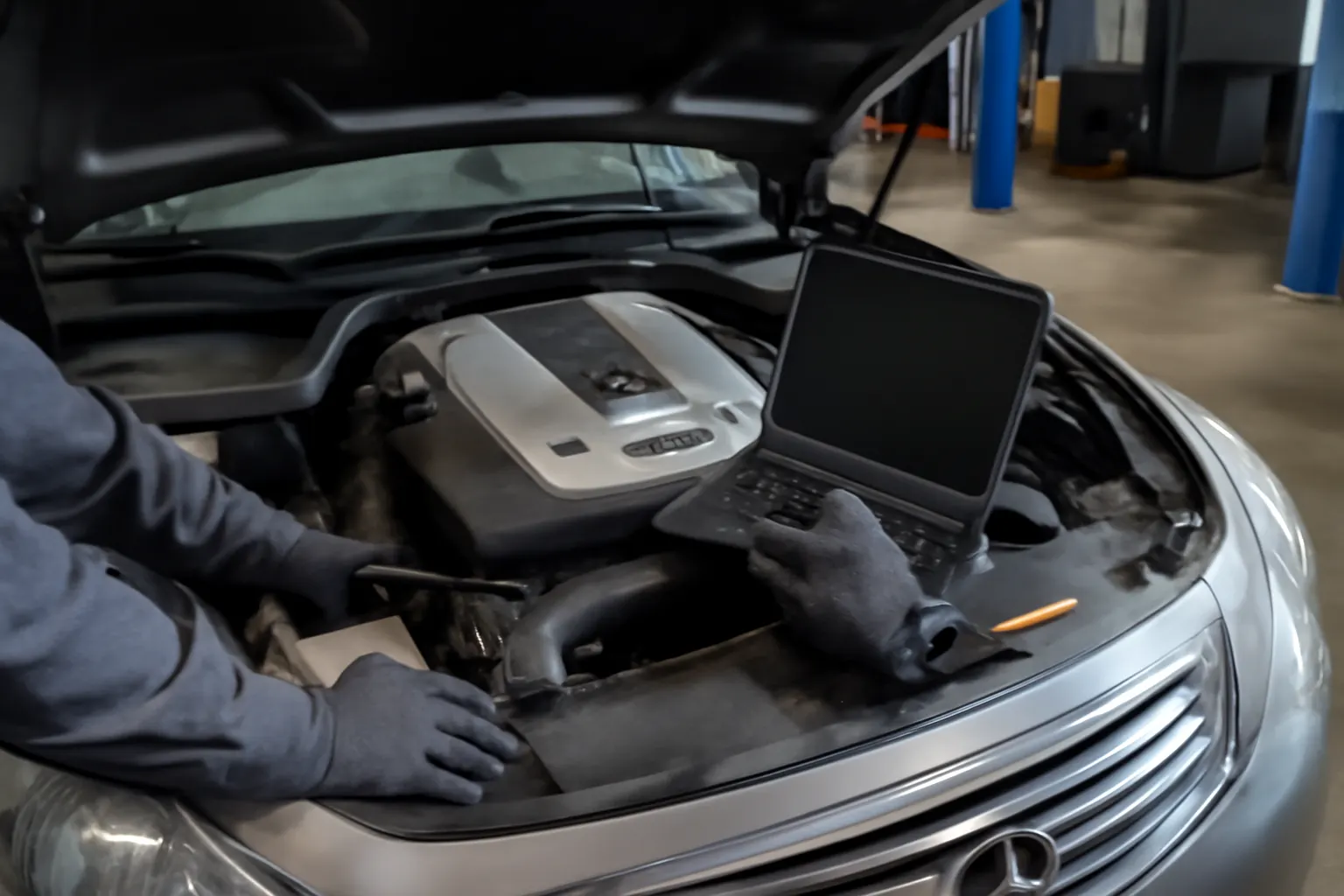
Infiniti G35/G37 Maintenance Essentials
Infiniti’s G35 and G37 models have earned a reputation for performance, refinement, and reliability. However, these vehicles—like any high-performance platform—require precise, scheduled maintenance and proactive part replacement to operate at their best. This comprehensive guide delivers the critical service intervals, identifies common failure points, and provides expert tips for keeping your Infiniti G35 or G37 running at peak performance for years to come.
Read More
Infiniti OEM vs Aftermarket: Fitment, Quality, and Value
For most Infiniti owners prioritizing safety, reliability, and guaranteed fit, OEM parts are the gold standard. They are designed, tested, and certified for your specific Infiniti model, ensuring seamless integration and manufacturer-backed quality. Aftermarket parts, however, can offer cost savings, wider availability, and sometimes even performance enhancements—provided you choose reputable brands and verify fitment carefully. Bottom Line: OEM parts: Best for precise fit, original performance, and maintaining vehicle value.
View Guide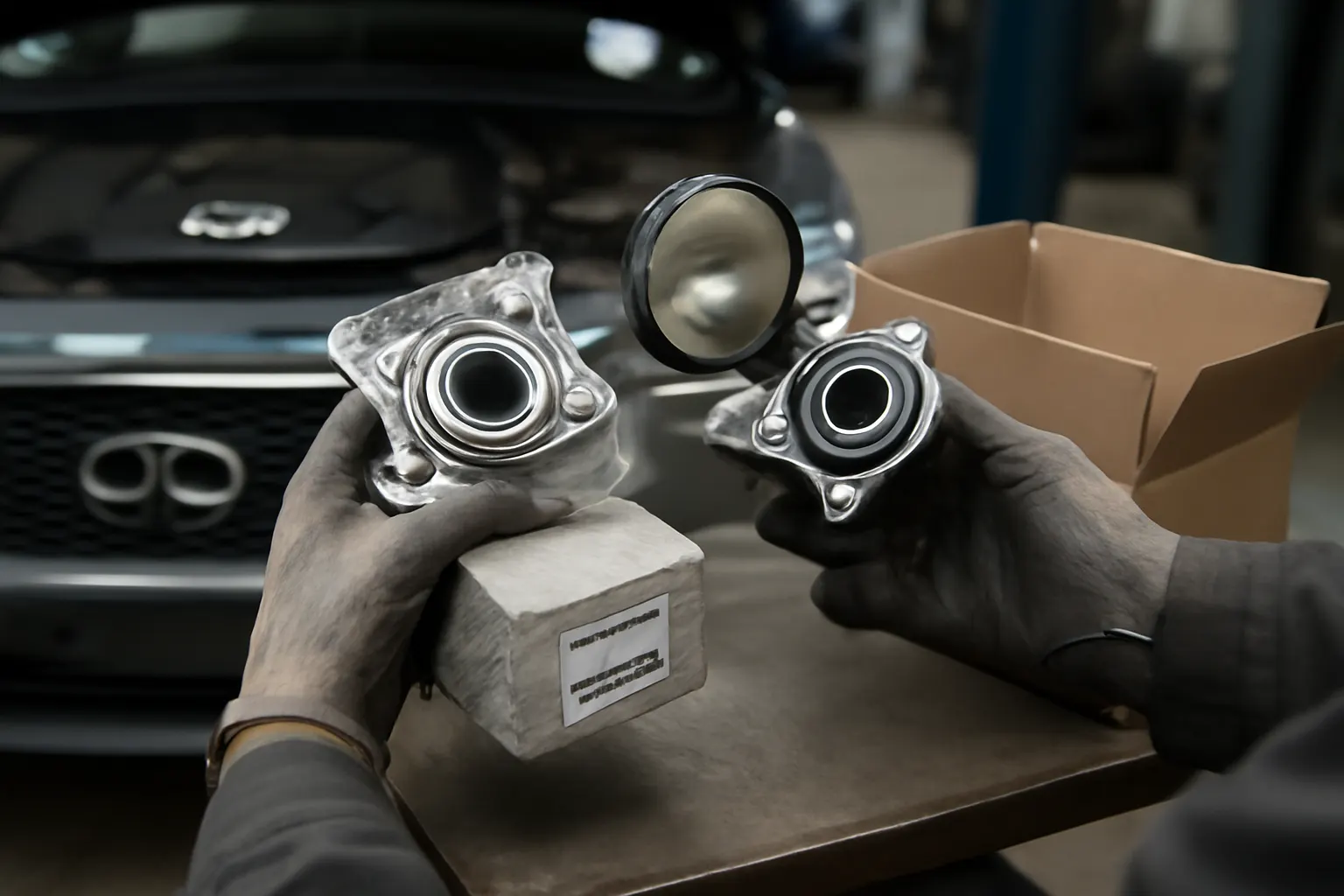
Detecting Counterfeit Infiniti Parts: A Practical Approach
Counterfeit Infiniti parts are an increasingly common—and dangerous—threat to vehicle safety, performance, and long-term value. Whether you’re a DIY Infiniti owner or a professional technician, knowing how to quickly identify fake components can save you from costly repairs, compromised safety, and voided warranties. This guide provides a practical, step-by-step approach to detecting counterfeit Infiniti auto parts using visual inspections, packaging cues, and part number verification.
Read More
Infiniti Brake System Replacement Guide
Replacing the brake system on your Infiniti G, Q, or QX model is a critical maintenance task that directly impacts safety, performance, and long-term reliability. This comprehensive AutoPartEx guide delivers an immediate, actionable walkthrough for Infiniti brake system replacement—including step-by-step removal and installation, torque specifications, brake fluid selection, and sensor calibration. Whether you're an experienced DIYer or a professional technician, the following procedures ensure your Infiniti’s braking system meets or exceeds factory safety and performance standards.
View Guide