
Infiniti Auto Parts
Infiniti OEM & Aftermarket Auto Parts | Technical Fitment, Authenticity, and Sourcing Guide
Infiniti, Nissan’s luxury automotive division, has set benchmarks in engineering, design, and technology since its debut in 1989. Renowned for blending performance and refinement, Infiniti vehicles require precise parts compatibility and demand a high standard of component quality. Whether maintaining a G35, Q50, or QX80, correct OEM and high-quality aftermarket parts are crucial for preserving Infiniti’s driving dynamics and reliability.
Many Infiniti owners are unaware of the hidden challenges surrounding replacement parts. Counterfeit components, misidentified fitment, and scarcity for older or limited-production models can undermine both safety and performance. Outdated or incorrectly sourced parts—often found on generic marketplaces—risk premature wear or unexpected system faults, especially with Infiniti’s advanced electronics and proprietary drivetrains.
Infiniti’s engineering philosophy emphasizes tailored compatibility and high-grade materials. Each model generation, from the early Q45’s VH-series V8 to the variable-compression VC-Turbo engines in newer QX50s, has unique requirements. For example, brake rotor sizes, sensor calibration, and transmission programming differ not only between models but even across trim levels and production years. Non-OEM or ill-matched parts may trigger warning lights, degrade fuel efficiency, or void service intervals.
To ensure correct fitment and lasting performance, research every Infiniti part by VIN, model, and year. Cross-reference current service bulletins and utilize AutoPartEx’s Infiniti Brake System Replacement Guide and Infiniti Parts Articles for in-depth technical advice and platform-specific sourcing tips. Only select components verified for OEM specification—such as certified brake pads, sensors, and suspension parts—to maintain Infiniti’s performance. For rare or discontinued items, leverage AutoPartEx’s Infiniti OEM Parts Category to connect with specialty suppliers and authenticators.
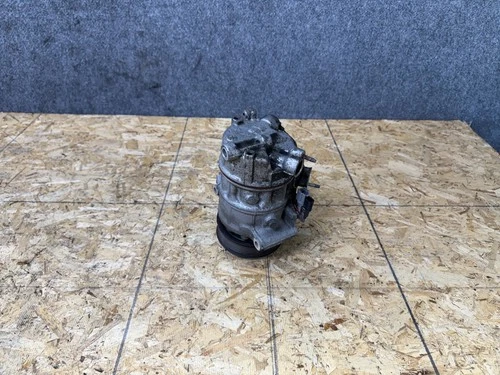
More Infiniti parts
Filtering for InfinitiBrowse nearby Infiniti inventory without leaving this page. Use search to filter by price, part number, or city.
No Data Available
Please check back soon when more inventory is available for this part.
Engineering Excellence & Technical Specifications
Central to Infiniti’s philosophy is the integration of robust engineering and high-grade materials. Chassis components often feature reinforced steel and aluminum, while powertrains are engineered for both responsiveness and longevity. Infiniti’s emphasis on advanced driver assistance and infotainment systems means that electronic modules and wiring harnesses are often model-specific. This high degree of technical integration requires parts that meet or exceed original specifications. For example, the G35’s brake rotors demand a specific carbon content and heat treatment, while Q50’s Direct Adaptive Steering relies on precision-calibrated sensors. Using generic or uncertified components can disrupt system harmonization and lead to cascading issues across interconnected modules.
Parts availability for Infiniti vehicles varies significantly by model and year. While current models like the Q50 and QX60 benefit from a steady supply of OEM and aftermarket parts, older or less common models can pose sourcing challenges. Discontinued models such as the J30 or M45 often require sourcing through specialty suppliers or salvage networks. For rare trims like the G37 IPL, even minor components—like unique bodywork or specific suspension bushings—may be limited in stock or subject to long lead times. Owners should anticipate potential delays and factor in additional research when planning major repairs or restorations.
Counterfeit parts present a genuine threat to Infiniti owners, from compromised performance to safety hazards. Common targets include spark plugs, ignition coils, and air filters. These counterfeits are frequently sold through unverified online channels and may lack essential safety features or correct material composition. Authentic Infiniti parts feature manufacturer markings, anti-counterfeit holograms, and specific packaging cues. Careful inspection of barcodes, serial numbers, and supplier credentials is critical. Buyers should cross-check part numbers against official Nissan/Infiniti databases and utilize trusted platforms like AutoPartEx for authentication and sourcing confidence.
A robust sourcing strategy for Infiniti parts involves a multi-step verification process. Start with a complete VIN lookup to ensure model-year compatibility, and consult technical service bulletins for known part revisions or supersessions. Use AutoPartEx’s Infiniti Brake System Replacement Guide and Infiniti OEM Parts Category tools for detailed fitment references and supplier vetting. When replacing components critical to performance or safety—such as brake pads, control arms, or engine sensors—prioritize OE-grade or certified aftermarket options. Adhering to manufacturer-recommended intervals (e.g., 30,000 miles for filters and fluids) and using specialized diagnostic equipment can prevent post-installation issues. Always document purchases and installation details to support future service or warranty needs.
Infiniti Parts & Service Information
Brake Pad and Rotor Replacement
Replace Infiniti brake pads and rotors every 30,000 miles or when worn below minimum thickness. Always use OE-grade or certified aftermarket components. Consult AutoPartEx’s technical guides for correct torque values and bedding procedures.
Sensor Diagnostics and Replacement
Diagnose sensor-related errors (ABS, MAF, airbag) using an OBD-II scanner. Verify part numbers and connector types before replacement. Use only authentic or certified sensors to ensure compatibility with Infiniti’s advanced electronics.
Timing Chain Service
Infiniti VQ-series engines may require timing chain inspection or replacement at high mileage. Always use OE timing kits and specialized tools. Follow factory procedures for tensioning and camshaft alignment to avoid engine damage.
Electronic Module Programming
When replacing ECUs or control modules, use model-specific programming tools to match firmware versions. Confirm compatibility by VIN and consult technical bulletins for calibration procedures.
References
- Vehicle, Car Seat, Tire, and Equipment Recalls - National Highway Traffic Safety Administration, accessed 2024-06-06Supports parts authenticity checks, recall awareness, and model-specific technical bulletins.
- Fuel Efficiency - United States Department of Energy, accessed 2024-06-06Supports fuel system design, efficiency standards, and engineering requirements.
- Materials Technologies - United States Department of Energy, accessed 2024-06-06Supports use of advanced materials, engineering philosophy, and manufacturing quality.
Related Guides & Articles

Infiniti Brake System Replacement Guide
Step-by-step technical walkthrough for Infiniti G, Q, and QX brake system replacement, including torque specs, fluid selection, and sensor calibration. Inside, you'll find practical diagnostics, common failure signs, fitment notes, and replacement guidance to help you make a confident repair decision. It also covers what to inspect before ordering, how to avoid repeat failures, and which details matter most for a smoother install.
View Guide
Detecting Counterfeit Infiniti Parts: A Practical Approach
Learn how to spot and avoid fake Infiniti auto parts with practical visual checks, packaging cues, and part number verification. Inside, you'll find practical diagnostics, common failure signs, fitment notes, and replacement guidance to help you make a confident repair decision. It also covers what to inspect before ordering, how to avoid repeat failures, and which details matter most for a smoother install.
Read More
Infiniti OEM vs Aftermarket: Fitment, Quality, and Value
Compare Infiniti OEM and aftermarket parts, review common compatibility pitfalls, and get sourcing recommendations for your model family. Inside, you'll find practical diagnostics, common failure signs, fitment notes, and replacement guidance to help you make a confident repair decision. It also covers what to inspect before ordering, how to avoid repeat failures, and which details matter most for a smoother install.
View Guide
Infiniti G35/G37 Maintenance Essentials
Critical service intervals, common failure points, and expert tips for keeping your Infiniti G35 or G37 running at peak performance. Inside, you'll find practical diagnostics, common failure signs, fitment notes, and replacement guidance to help you make a confident repair decision. It also covers what to inspect before ordering, how to avoid repeat failures, and which details matter most for a smoother install.
Read More