Detecting Counterfeit Infiniti Parts: A Practical Approach
Counterfeit Infiniti parts are an increasingly common—and dangerous—threat to vehicle safety, performance, and long-term value. Whether you’re a DIY Infiniti owner or a professional technician, knowing how to quickly identify fake components can save you from costly repairs, compromised safety, and voided warranties. This guide provides a practical, step-by-step approach to detecting counterfeit Infiniti auto parts using visual inspections, packaging cues, and part number verification. For a comprehensive overview of Infiniti parts sourcing, fitment, and authenticity, visit our Infiniti OEM & Aftermarket Auto Parts | Technical Fitment, Authenticity, and Sourcing Guide.
Why Counterfeit Infiniti Parts Are a Critical Issue
Counterfeit parts are not just a nuisance—they’re a real hazard. The National Highway Traffic Safety Administration (NHTSA) has highlighted how fake components can lead to equipment failure, reduced crash protection, and increased risk of injury or death [^1]. For Infiniti vehicles, where precision engineering and strict material standards are key, even a small deviation in part quality can have significant consequences.
The problem is not confined to obscure online sellers. Counterfeiters have become adept at mimicking OEM packaging and markings, making it increasingly difficult to distinguish fakes from genuine Infiniti parts, even for experienced buyers. This means that every Infiniti owner or technician must be vigilant—especially when purchasing parts outside of authorized dealer channels.
The Hidden Risks of Counterfeit Infiniti Parts
While the immediate concern is part failure, the hidden risks of counterfeit Infiniti parts extend further:
- Safety Hazards: Substandard materials or poor manufacturing can compromise braking, steering, suspension, and airbag systems.
- Performance Loss: Fake parts may not fit correctly or function as designed, leading to reduced fuel efficiency, diminished ride quality, and premature wear.
- Financial Loss: Inferior parts can cause collateral damage to other vehicle systems, resulting in more expensive repairs.
- Regulatory Issues: Non-compliant parts may violate safety standards and can be subject to recall or legal penalties.
- Warranty Voids: Use of counterfeit or non-genuine components can void manufacturer warranties, leaving you unprotected.
Understanding these risks underscores why rigorous detection and verification are essential for every Infiniti owner and technician.
How Counterfeit Parts Enter the Infiniti Market
Counterfeit Infiniti parts infiltrate the market through a variety of channels:
- Unregulated Online Marketplaces: E-commerce platforms often lack stringent seller verification, allowing counterfeiters to list fake parts alongside genuine ones.
- Unauthorized Distributors: Some brick-and-mortar stores or smaller online retailers may unknowingly (or knowingly) source from gray-market suppliers.
- Direct-to-Consumer Sales: Social media and classified ads are increasingly used to market fake parts directly to buyers.
These avenues make it easy for counterfeiters to distribute low-quality components that closely mimic the appearance of legitimate Infiniti parts, complicating detection.
Immediate Visual Checks: Identifying Obvious Fakes
The first line of defense against counterfeit Infiniti parts is a thorough visual inspection. Here’s what to look for:
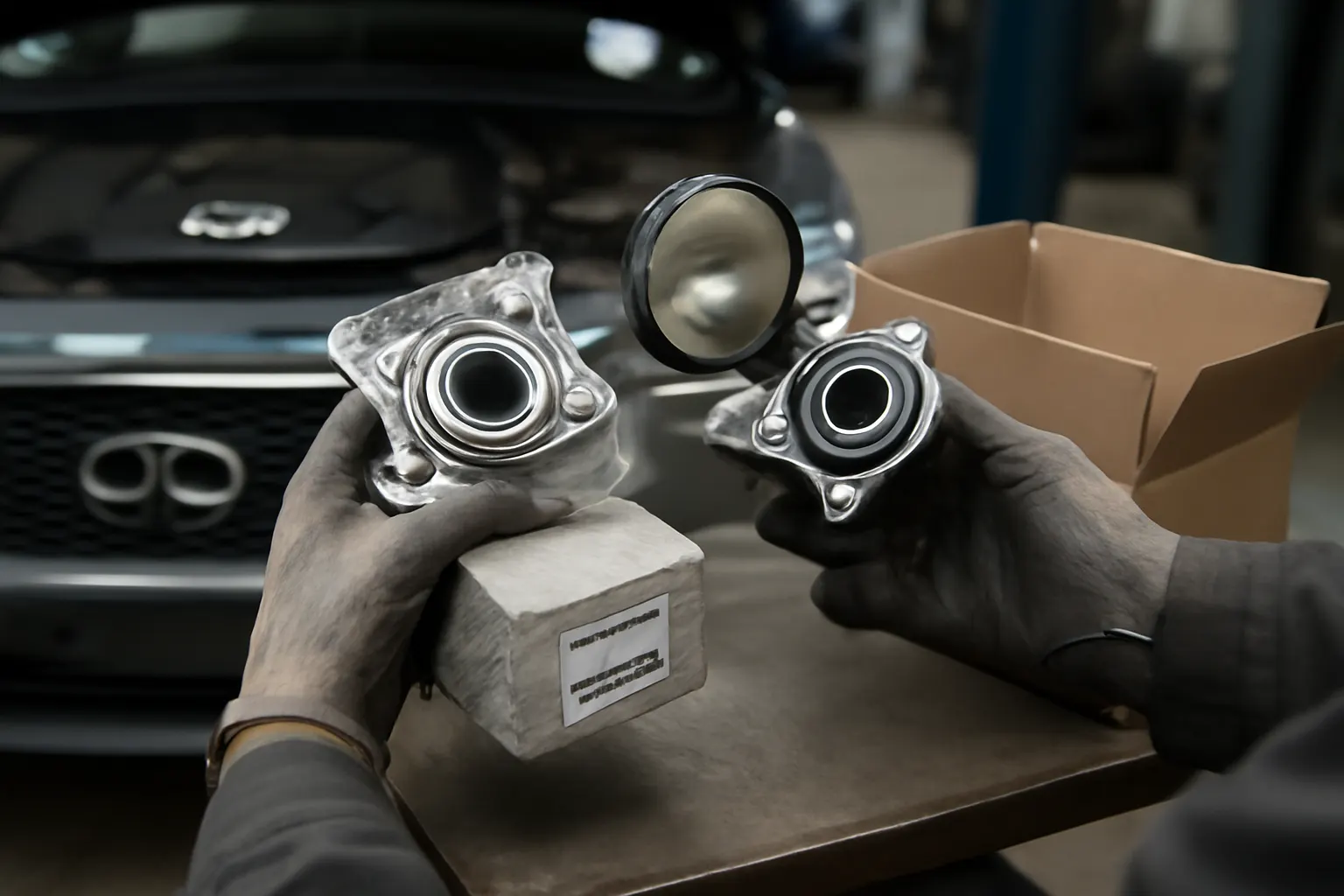
- Material Quality: Genuine Infiniti parts use high-grade materials specified by the manufacturer. Counterfeits often substitute with lighter, weaker, or poorly finished materials. Check for inconsistent color, rough edges, or unusually light weight.
- Casting and Machining Marks: Authentic parts typically have clean, precise casting or machining. Look for excess flash, incomplete machining, or irregular surfaces that indicate substandard manufacturing.
- Brand Logos and Markings: Examine Infiniti logos, part numbers, and certification marks. Counterfeits may feature slight typographical errors, fuzzy printing, or incorrect font styles.
- Assembly Quality: Check for loose components, uneven welds, or poorly fitted fasteners.
Quick Checklist: Visual Inspection of Infiniti Parts
| Genuine Infiniti Part | Counterfeit Warning Signs |
|---|---|
| High-quality, consistent finish | Dull, inconsistent, or rough finish |
| Precise, clear markings | Blurry, misspelled, or off-center |
| Sturdy, weighty feel | Lightweight, flimsy materials |
| Clean welds and seams | Sloppy or uneven assembly |
Packaging and Labeling: Subtle Cues to Authenticity
Packaging is a frequent giveaway for counterfeit Infiniti parts. Genuine Infiniti parts are packaged to strict standards, even down to the box color, label placement, and security features.
Key Packaging Cues
- Box Quality and Printing: OEM Infiniti packaging uses high-quality cardboard with sharp, professional printing. Counterfeits may arrive in thin, flimsy boxes with faded or pixelated graphics.
- Security Seals: Many authentic parts include tamper-evident seals, holographic stickers, or unique barcodes. If the seal is missing, broken, or appears generic, be wary.
- Label Details: Infiniti OEM labels include accurate part numbers, barcodes, and manufacturer information. Counterfeit labels may omit details or display incorrect formatting.
Always compare packaging against a known genuine example or reference images from the Infiniti OEM Parts Category.
Part Number Verification: Your Best Defense
The most reliable way to confirm Infiniti part authenticity is through part number verification. Every genuine Infiniti part is assigned a unique number, which can be cross-referenced with official catalogs or your vehicle’s service manual.
How to Verify Part Numbers
- Obtain the Full Part Number: Check the part itself and the packaging for a complete, legible part number.
- Cross-Reference with Official Catalogs: Use Infiniti’s official online parts catalog or consult a trusted dealer.
- Watch for Subtle Errors: Counterfeiters may use part numbers that are nearly correct—look for swapped digits, missing letters, or extra characters.
- Check for NHTSA Compliance: Some safety-critical components can be cross-checked for recall status or compliance through the NHTSA Equipment Database.
If in doubt, contact Infiniti customer service or your local dealer for verification.
Diagnostic Clues: When the Part Is Already Installed
Sometimes, counterfeit parts are only discovered after installation, when performance or reliability issues arise. Be alert for these diagnostic red flags:
- Fitment Problems: Poor alignment, gaps, or the need for excessive force during installation are signs of incorrect dimensions or inferior design.
- Premature Failure: Unusual noises, rapid wear, or repeated malfunctions indicate substandard materials or construction.
- Warning Lights: Electronics (e.g., sensors, ECUs) that trigger dashboard alerts may be counterfeit or incompatible with Infiniti’s vehicle systems.
- Performance Loss: Noticeable decreases in braking, steering, or engine response can signal the presence of fake components.
If you experience any of these symptoms after a recent parts replacement, re-inspect the component and consult a trusted Infiniti technician.
Materials and Engineering: Why Counterfeits Fall Short
Infiniti’s engineering standards are built on rigorous material selection and advanced manufacturing technologies. According to the U.S. Department of Energy, modern vehicles rely on high-strength steels, aluminum alloys, composites, and precision electronics to achieve safety and efficiency benchmarks [^2][^3]. Counterfeiters rarely have access to these materials or processes.
- Structural Parts: Genuine Infiniti structural components (e.g., control arms, subframes) undergo extensive testing for crashworthiness and durability. Counterfeits may use low-grade steel or castings prone to fracture.
- Electronic Components: OEM sensors and modules are engineered for precise calibration and electromagnetic compatibility. Fake electronics often lack proper shielding or use inferior chips, leading to erratic behavior.
- Brake and Suspension: Infiniti brake pads, rotors, and suspension parts must meet strict friction, wear, and fatigue standards. Counterfeits may use recycled or untested materials, resulting in unpredictable stopping distances or handling.
This technical gap is why even visually convincing counterfeits can fail catastrophically under real-world conditions.
Sourcing Infiniti Parts Safely: Where to Buy
The best way to avoid counterfeit parts is to source exclusively from reputable, authorized channels. Here’s how to protect your investment:
- Authorized Infiniti Dealers: Purchasing from official Infiniti dealerships guarantees OEM authenticity and proper fitment.
- Certified Parts Distributors: Some independent retailers are authorized by Infiniti and adhere to strict sourcing protocols.
- AutoPartEx Trusted Sellers: Our marketplace rigorously vets suppliers to ensure genuine, high-quality Infiniti parts for every model and year.
Avoid purchasing from unknown online sellers, auction sites, or overseas vendors unless you can verify their legitimacy.
Buying Checklist: Ensuring Infiniti Part Authenticity
Before finalizing any Infiniti parts purchase, run through this checklist:
- Confirm Seller Credentials: Are they an authorized Infiniti dealer or a certified distributor?
- Inspect Packaging: Does the box have correct branding, seals, and part numbers?
- Match Part Numbers: Cross-check the part number with an official catalog.
- Review Return Policy: Reputable sellers offer clear return and warranty policies.
- Request Documentation: Ask for invoices, certificates of authenticity, or proof of sourcing if in doubt.
- Check for Recalls: Use the NHTSA Recalls Database to ensure the part is not subject to safety recalls.
Installation and Fitment: Avoiding Issues with Counterfeit Parts
Proper fitment is crucial for Infiniti’s advanced engineering—from brake systems to suspension components. Counterfeit parts often fail to meet Infiniti’s dimensional and material standards, leading to installation headaches and performance issues.
Installation Red Flags
- Forcing Fit: If a part requires excessive force, modification, or doesn’t align with mounting points, it’s likely not genuine.
- Missing Hardware or Instructions: OEM Infiniti parts come with all necessary fasteners and clear installation guides. Counterfeits may omit these, increasing the risk of improper installation.
- Unusual Torque Specs: Fasteners that strip easily or fail to hold torque may be made from inferior materials.
For detailed fitment and installation guidance, see our Infiniti Brake System Replacement Guide and Infiniti OEM vs Aftermarket: Fitment, Quality, and Value.
Maintenance Implications: Protecting Your Infiniti Investment
Counterfeit parts can sabotage your Infiniti’s long-term reliability and resale value. Here’s how to safeguard your maintenance schedule:
- Track Part Replacements: Keep meticulous records of every part installed, including invoices and part numbers.
- Schedule Regular Inspections: Have a trusted Infiniti specialist inspect critical systems (brakes, suspension, electronics) for signs of counterfeit components.
- Monitor Performance Trends: Sudden changes in fuel economy, handling, or system warnings may indicate fake or failing parts.
Proactive maintenance with verified components is essential to maintaining Infiniti’s premium performance and safety standards.
Advanced Detection: Technology and Industry Resources
The automotive industry is adopting advanced tools to combat counterfeiting:
- QR Codes and RFID Tags: Some newer Infiniti parts include scannable codes or embedded chips to verify authenticity.
- Online Verification Portals: Infiniti and some major parts suppliers offer online tools to check part numbers and serial codes.
- Industry Standards: Organizations like SAE International maintain rigorous testing and documentation standards for automotive components 1.
Stay informed about new verification features and leverage these resources for every high-value or safety-critical Infiniti part purchase.
AutoPartEx Commitment: Trusted Infiniti Parts Sourcing
At AutoPartEx, our mission is to help you source, verify, and install only the highest-quality Infiniti OEM and aftermarket parts. Our platform connects you with vetted suppliers and provides technical fitment data, authenticity checks, and expert installation guidance. For a full range of Infiniti parts and technical resources, browse our Infiniti OEM Parts Category or consult our Infiniti G35/G37 Maintenance Essentials for model-specific tips.
Take Expert Action: Stay Informed, Stay Protected
Counterfeit Infiniti parts are a persistent threat—but with the right knowledge and vigilance, you can protect your vehicle, your safety, and your investment. Always inspect parts carefully, verify part numbers, and source only from trusted channels. If you suspect a counterfeit, report it to Infiniti, your dealer, or the NHTSA to help safeguard the community.
For more technical fitment, authenticity, and sourcing guidance, rely on AutoPartEx as your expert resource for Infiniti parts and maintenance.
References
- Vehicle Safety and Equipment – National Highway Traffic Safety Administration
- Fuel Efficiency – United States Department of Energy
- Materials Technologies – United States Department of Energy
- SAE Standards – SAE International
- Vehicle, Car Seat, Tire, and Equipment Recalls – National Highway Traffic Safety Administration