
Fiat 600 Auto Parts
What to Know Before Buying Fiat 600 Replacement Parts
Classic cars like the Fiat 600 offer unique joys and challenges. Before buying parts, it’s easy to overlook crucial steps that protect your investment and safety. Understanding how to verify fitment, check for recalls, and document repairs can save you time, money, and headaches. This guide walks you through practical steps and evidence-based advice for confidently selecting and servicing Fiat 600 components.
Advertisement
0 Fiat 600 Auto Parts
No Products Found
We're currently updating our inventory for Fiat 600 parts.
Please check back soon or contact us for specific part availability.
More Fiat 600 options
Filtering for Fiat 600Browse nearby inventory for this model without leaving the page. Use search to filter by price, part number, or city.
No Data Available
Please check back soon when more inventory is available for this part.
Advertisement
Why Fiat 600 Owners Should Look Beyond the Obvious When Sourcing Parts
Many Fiat 600 enthusiasts focus on finding the right part at the right price, but there’s a less obvious step that can make or break your restoration or repair: confirming the part’s fitment and safety status. While the thrill of tracking down rare components is part of the classic car experience, overlooking technical compatibility or recall status can lead to wasted effort, unexpected expenses, or even safety hazards. This is especially true with vintage models, where records may be incomplete and aftermarket options abound.
Owners often assume that any part labeled for the Fiat 600 will fit their specific year or variant. However, subtle differences between model years, regional versions, and production runs can affect compatibility. Furthermore, the global nature of the Fiat 600’s history means that parts may be sourced from various markets, each with its own standards and specifications. This complexity demands a more careful approach to parts selection than with newer, more standardized vehicles.
Another overlooked consideration is the safety and recall status of the part or vehicle. Even though the Fiat 600 is a classic, it’s not immune to safety recalls or technical bulletins that may affect critical components. Checking for outstanding recalls or known issues—especially when using used or salvage parts—can prevent costly mistakes and ensure your vehicle remains safe to drive. Taking these extra steps up front builds trust in your repair process and helps preserve the value and reliability of your Fiat 600.
Understanding the Real Risks: Compatibility and Safety in Fiat 600 Repairs
The main challenge with sourcing Fiat 600 parts lies in the vehicle’s long production history and global reach. Produced from the mid-1950s through the late 1960s, and assembled in multiple countries, the Fiat 600 saw numerous technical updates and market-specific variations. This means that a component that fits an early Italian-built 600 may not work with a later Spanish or South American model. Even within the same production year, running changes in wiring, mounting points, or mechanical design can create headaches for restorers and mechanics alike.
Beyond fitment, safety is a critical concern. Classic cars lack many of the passive and active safety features found in modern vehicles, making it even more important that every replacement part functions as intended. A mismatched brake cylinder, incorrect steering linkage, or poorly fitting suspension component can compromise handling or braking performance. In some cases, using the wrong part can lead to accelerated wear or outright failure, putting both vehicle and occupants at risk.
The issue is compounded when using salvage or used parts. While these can be cost-effective and sometimes the only option for rare components, their history is often unknown. Salvage parts may come from vehicles that were involved in accidents, exposed to harsh conditions, or subject to previous recalls. Without proper documentation, it’s difficult to verify whether a used part is safe or suitable for your specific Fiat 600 variant.
Documentation gaps are another risk. Many classic Fiat 600s have changed hands multiple times, and original service records, recall notices, or technical bulletins may be missing. This makes it harder for owners to know whether a particular issue has already been addressed, or if their vehicle is still subject to an outstanding recall. It also complicates efforts to establish a reliable maintenance history, which is important for both safety and resale value.
The abundance of aftermarket and reproduction parts adds another layer of complexity. Not all replacement parts are manufactured to the same standards, and some may lack critical features or tolerances required for proper operation. Even reputable suppliers can occasionally mislabel parts, especially for vehicles with as many variants as the Fiat 600. Relying solely on catalog listings or seller assurances can lead to disappointment if the part doesn’t fit or function correctly.
Finally, regulatory and safety recall information for classic vehicles like the Fiat 600 may not be as accessible or comprehensive as for modern cars. Some recalls or safety campaigns may not appear in current databases, especially for international models or recalls older than 15 years. This makes it essential for owners to take an active role in researching their vehicle’s history and verifying the status of any parts they intend to install, rather than assuming that all relevant issues have already been addressed.
How to Select, Verify, and Document Fiat 600 Replacement Parts
Start by gathering detailed information about your specific Fiat 600. Record the chassis number, production year, country of assembly, and any known modifications. This information is crucial when communicating with parts suppliers or searching catalogs, as it helps filter out incompatible options. If you’re unsure about your vehicle’s exact specifications, consult the owner’s manual, factory service literature, or reputable Fiat enthusiast forums for guidance.
When shopping for parts, request clear identification numbers, photographs, and measurements from the seller. Compare these details with your existing components or factory diagrams whenever possible. For critical systems—such as brakes, steering, or suspension—consider removing the old part and matching it directly to the replacement before final installation. This extra step can prevent costly returns and ensure a proper fit.
For used or salvage parts, ask the supplier for documentation regarding the part’s origin, mileage, and condition. Reputable sellers should be able to provide a written description or even photographs of the donor vehicle. If possible, request information about any recalls or technical bulletins that may have affected that specific component. This is especially important for safety-related parts, as recalls may not be widely publicized for older or imported vehicles.
Always check for outstanding recalls or safety notices before installing any major component. The National Highway Traffic Safety Administration (NHTSA) offers a VIN lookup tool that allows you to search for open recalls by entering your vehicle’s unique identification number. While this tool is primarily focused on vehicles registered in the US and may not cover all international or vintage models, it’s a valuable first step in identifying known safety issues. If your Fiat 600 was imported or is a non-US model, consult manufacturer archives or classic car clubs for additional recall information.
Before authorizing repairs, obtain a written estimate from your mechanic or shop. The estimate should clearly identify the condition to be repaired, the parts needed, and the anticipated labor charges. For complex or expensive repairs, consider seeking a second opinion, especially if the shop is unfamiliar with classic Fiats. Ask whether the technician has experience with the Fiat 600, as specialized knowledge can make a significant difference in both diagnosis and repair quality.
After the repair or part installation, request a completed repair order that lists all work performed, parts used, costs, and the vehicle’s odometer reading. This documentation is essential for maintaining an accurate service history, which can improve resale value and help diagnose future issues. If you use a mix of new, remanufactured, or salvage parts, note the source and condition of each component for future reference.
Compare any shop-recommended services with the maintenance schedule outlined in your Fiat 600’s owner manual. If extra work is proposed, ask the shop to explain why it’s necessary and whether it’s supported by the manufacturer’s guidelines. This helps prevent unnecessary expenses and ensures that your vehicle receives only the care it actually needs. If the manual is unavailable, seek advice from marque experts or established restoration guides.
Finally, understand that there is no universal warranty on repairs or replacement parts, especially for classic vehicles. Clarify the terms of any warranty or return policy before purchasing or authorizing work. Get all coverage details in writing, and keep copies for your records. This protects you in case of premature part failure or disputes over workmanship, and helps set realistic expectations for classic car ownership.
What the Evidence Shows About Fiat 600 Parts, Recalls, and Repairs
The National Highway Traffic Safety Administration (NHTSA) provides a comprehensive recall lookup tool that allows owners to check for open recalls by entering their vehicle’s VIN. According to the NHTSA’s official guidance, this tool displays unrepaired recalls associated with a specific VIN, but it does not show recalls that have already been addressed or those more than 15 years old, except in rare cases where manufacturers offer extended coverage. For the Fiat 600, which is well over 15 years old, most recalls may not appear in the current NHTSA database. However, this does not mean that no recalls ever existed for the model. Owners are encouraged to check regularly and consult additional resources, especially for imported or specialty vehicles. The NHTSA emphasizes that recall information for international vehicles may be limited, so classic Fiat 600 owners should supplement their search with manufacturer archives or club resources NHTSA: Vehicle Recalls.
NHTSA’s recall process involves several steps: complaints from owners, investigations, analysis, and, if warranted, recall management. If a safety-related defect is identified, the manufacturer is required to announce and remedy the defect, typically by repairing, replacing, or refunding the affected part. For classic vehicles like the Fiat 600, the likelihood of an active recall is low due to the age of the vehicle, but the process demonstrates the importance of reporting any safety concerns and checking for historical issues. Owners who experience safety problems with their Fiat 600 can still file a complaint with NHTSA, which helps build a public record and may inform future investigations, even if a formal recall is unlikely for such an old model NHTSA: Vehicle Recalls.
The NHTSA also notes that recall information may not cover all small manufacturers or specialty vehicles, and that license plate searches may yield incomplete or outdated results. For the Fiat 600, especially those imported from outside the US or assembled by regional manufacturers, it’s possible that some recalls or technical bulletins were never registered with US authorities. This highlights the need for owners to be proactive in researching their vehicle’s history and to consult multiple sources—including manufacturer records, enthusiast clubs, and classic car registries—for the most complete picture of potential safety issues NHTSA: Vehicle Recalls.
The Federal Trade Commission (FTC) provides general consumer advice for auto repairs that applies to Fiat 600 owners as well. The FTC recommends obtaining a written repair estimate that identifies the condition to be repaired, the parts needed, and anticipated labor charges. For expensive or complicated repairs, the FTC advises seeking a second opinion and asking whether the technician has experience with the same make or model. This is particularly relevant for Fiat 600s, where specialized knowledge can help avoid misdiagnosis or improper installation. The FTC also distinguishes between new, remanufactured, and salvage parts, noting that salvage parts come from another vehicle without alteration and may have unknown histories FTC: Auto Repair Basics.
According to the FTC, after any repair, owners should obtain a completed repair order listing the work performed, parts used, costs, and odometer readings. This documentation is vital for maintaining an accurate service history, which is especially important for classic vehicles with limited parts availability and complex provenance. The FTC also advises following the manufacturer’s recommended maintenance schedule and comparing any shop recommendations with those guidelines. This helps prevent unnecessary repairs and ensures that the vehicle receives only the care it needs, based on its actual usage and condition FTC: Auto Repair Basics.
The FTC further cautions that there is no standard warranty on repairs, and that owners should understand any coverage offered and get it in writing. For Fiat 600 owners, this means clarifying the terms of any warranty or return policy before purchasing parts or authorizing repairs. Classic cars often involve a mix of new, remanufactured, and salvage parts, each with its own potential risks and benefits. By documenting all transactions and understanding warranty limitations, owners can protect themselves from unexpected costs or disputes over workmanship FTC: Auto Repair Basics.
Neither the NHTSA nor the FTC provides vehicle-specific technical specifications, failure rates, or repair outcomes for the Fiat 600. Instead, their guidance emphasizes the importance of careful documentation, proactive research, and clear communication with parts suppliers and repair shops. For Fiat 600 owners, this means taking extra care to verify fitment, check for safety issues, and keep thorough records of all repairs and part replacements. By following these evidence-based practices, owners can maximize the reliability and value of their classic Fiat 600, even in the absence of detailed technical data or active recalls.
Take the Next Step Toward Reliable Fiat 600 Ownership
Owning and maintaining a Fiat 600 is a rewarding journey that requires diligence and attention to detail. By thoroughly verifying parts compatibility, checking for outstanding recalls, and documenting every repair, you can safeguard your investment and enjoy your classic with confidence. Explore our Fiat 600 parts catalog for carefully selected components, and reach out with your vehicle details for personalized assistance. Stay proactive, keep excellent records, and let your passion for the Fiat 600 drive every step of your restoration or maintenance project.
References
- NHTSA: Vehicle Recalls
- FTC: Auto Repair Basics
References
- NHTSA: Vehicle Recalls - NHTSA, accessed 2026-11-01
- FTC: Auto Repair Basics - FTC, accessed 2026-11-01
Related Guides & Articles
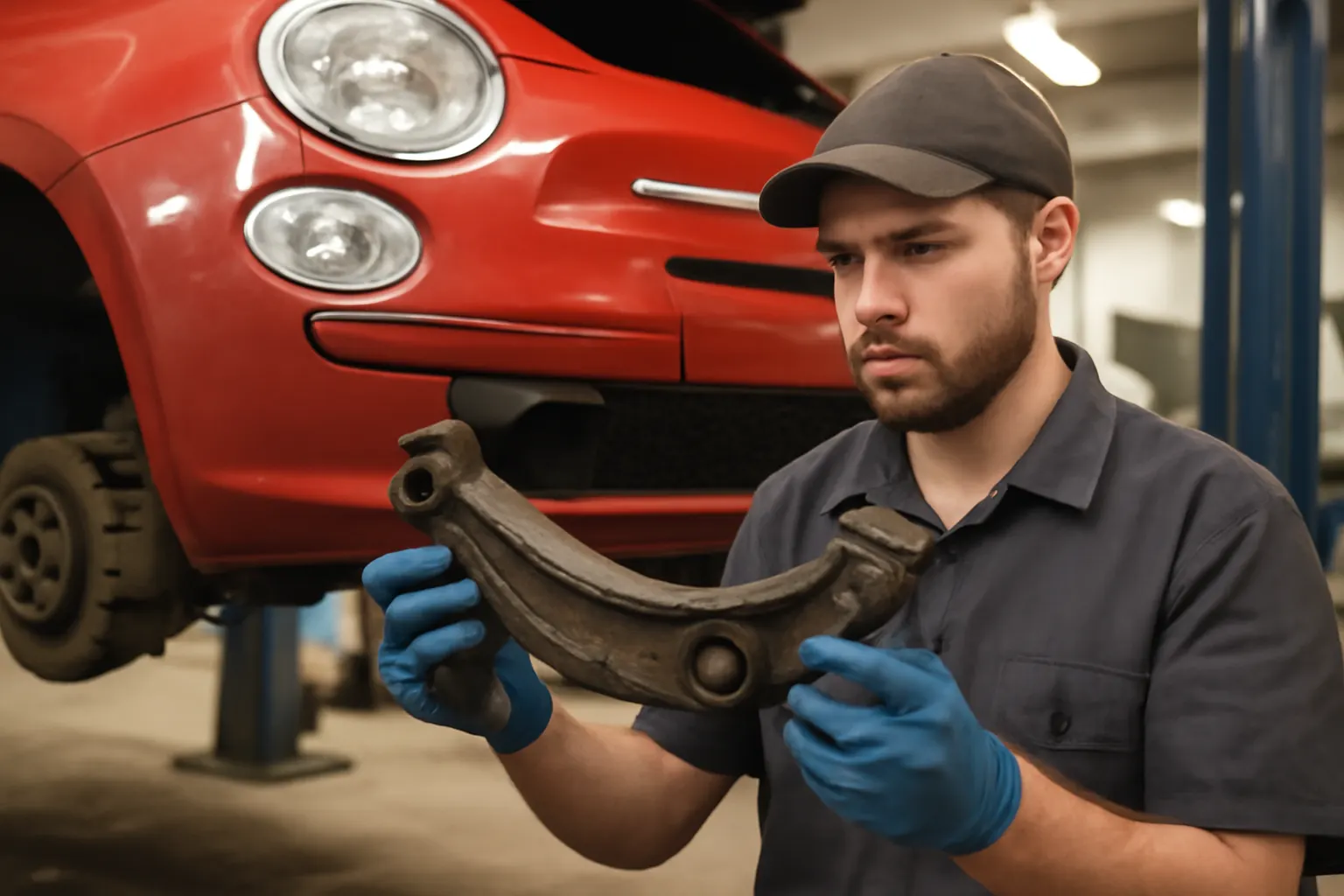
Counterfeit Fiat Parts: Risks and Real-World Failures
Counterfeit and subpar aftermarket parts are a growing threat to Fiat owners, causing everything from engine breakdowns to compromised safety systems. This article delivers practical guidance, real-world case studies, and expert strategies to help you identify, avoid, and resolve the dangers of counterfeit Fiat components—safeguarding your investment and your safety from the very first mile.
Read More
Fiat Maintenance Schedules: Model-by-Model Analysis
Fiat vehicles are celebrated for their Italian heritage, clever engineering, and city-friendly design. But to extract the best performance, reliability, and value from any Fiat, it’s vital to follow a precise maintenance schedule tailored to your specific model. This in-depth guide delivers actionable, model-by-model Fiat maintenance intervals and expert recommendations for timing belts, spark plugs, fluid changes, and more—so you can keep your Fiat running at its best and avoid costly surprises.
Read More
Fiat Vs Alfa Parts Differences
Fiat and Alfa Romeo share a significant amount of engineering and component architecture, especially in models like the Alfa Mito, which is built on Fiat’s Small platform. However, beneath the surface, there are critical differences in parts, diagnostics, and repair strategies that can impact everything from daily maintenance to advanced troubleshooting. Understanding these distinctions is essential for effective repairs, safe operation, and optimal performance—whether you’re a seasoned technician or a dedicated Alfa enthusiast.
Read More
Fiat Model Fitment Compatibility Explained
Achieving perfect fitment for your Fiat is not just about matching a part number—it's about understanding the intricacies of chassis codes, VIN decoding, and the nuanced evolution of Fiat models across generations and markets. Whether you’re replacing a suspension component, upgrading brakes, or sourcing a replacement engine part, this guide delivers the essential knowledge to ensure compatibility, prevent costly mistakes, and maintain your Fiat’s performance and safety.
View Guide