Fiat 500 Auto Parts
Essential Considerations for Fiat 500 Auto Parts Selection
When maintaining or repairing your Fiat 500, it’s easy to overlook critical steps that ensure both safety and value. Many owners focus on price or availability, but understanding how to verify part compatibility, recall status, and repair documentation can make a significant difference. This guide highlights often-missed considerations and provides practical steps for confidently selecting and installing parts for your Fiat 500. For more focused reading, explore Counterfeit Fiat Parts: Risks and Real-World Failures and Fiat Maintenance Schedules: Model-by-Model Analysis.
Many Fiat 500 owners searching for replacement parts focus primarily on price or convenience, often missing a crucial aspect: proper part verification. While it’s tempting to assume that any part labeled for a Fiat 500 will fit and perform as intended, the reality is more complicated. Variations in model years, trim levels, and regional specifications can all affect compatibility. Overlooking these subtle differences may lead to wasted time, unnecessary expenses, or even safety issues down the line.
Another commonly overlooked consideration is the potential impact of open recalls or unresolved safety issues. Even a high-quality part may not address an underlying manufacturer defect or a component subject to a recall. Without checking the recall status of your specific Fiat 500, you could inadvertently install a part that doesn’t resolve a critical safety concern. This is especially important given the evolving nature of recall databases and the unique vehicle identification number (VIN) system used to track them.
Additionally, many owners underestimate the importance of documentation and repair records when sourcing parts. Failing to obtain a written estimate or a detailed repair order can make it difficult to track what has been replaced, which parts were used, and whether the work aligns with recommended maintenance schedules. These records are not just for your peace of mind—they can impact future resale value and help identify recurring issues. Taking these steps ensures you’re not just fixing a problem temporarily but maintaining the long-term integrity of your Fiat 500.
Replacing parts on your Fiat 500 without thorough verification introduces several risks that can affect both safety and performance. One of the most significant dangers is the installation of incompatible or incorrect parts. Even among Fiat 500 models, differences in engine configurations, electrical systems, and body styles can mean that a part fitting one variant may not work for another. This is particularly true for components like engines, transmissions, and electronic modules, where even minor discrepancies can have major consequences.
Advertisement
64 Fiat 500 Auto Parts


Advertisement
More Fiat 500 options
Filtering for Fiat 500Browse nearby inventory for this model without leaving the page. Use search to filter by price, part number, or city.
No Data Available
Please check back soon when more inventory is available for this part.
Advertisement
Why Overlooking Part Verification Can Cost Fiat 500 Owners
Many Fiat 500 owners searching for replacement parts focus primarily on price or convenience, often missing a crucial aspect: proper part verification. While it’s tempting to assume that any part labeled for a Fiat 500 will fit and perform as intended, the reality is more complicated. Variations in model years, trim levels, and regional specifications can all affect compatibility. Overlooking these subtle differences may lead to wasted time, unnecessary expenses, or even safety issues down the line.
Another commonly overlooked consideration is the potential impact of open recalls or unresolved safety issues. Even a high-quality part may not address an underlying manufacturer defect or a component subject to a recall. Without checking the recall status of your specific Fiat 500, you could inadvertently install a part that doesn’t resolve a critical safety concern. This is especially important given the evolving nature of recall databases and the unique vehicle identification number (VIN) system used to track them.
Additionally, many owners underestimate the importance of documentation and repair records when sourcing parts. Failing to obtain a written estimate or a detailed repair order can make it difficult to track what has been replaced, which parts were used, and whether the work aligns with recommended maintenance schedules. These records are not just for your peace of mind—they can impact future resale value and help identify recurring issues. Taking these steps ensures you’re not just fixing a problem temporarily but maintaining the long-term integrity of your Fiat 500.

Understanding the Real Risks in Fiat 500 Parts Replacement
Replacing parts on your Fiat 500 without thorough verification introduces several risks that can affect both safety and performance. One of the most significant dangers is the installation of incompatible or incorrect parts. Even among Fiat 500 models, differences in engine configurations, electrical systems, and body styles can mean that a part fitting one variant may not work for another. This is particularly true for components like engines, transmissions, and electronic modules, where even minor discrepancies can have major consequences.
Another risk is failing to address open recalls or manufacturer defects. According to the National Highway Traffic Safety Administration (NHTSA), recalls are issued when a vehicle or component presents an unreasonable safety risk or fails to meet minimum safety standards. If your Fiat 500 is subject to a recall, simply replacing a part without addressing the underlying issue may leave your vehicle unsafe. Furthermore, recall status is specific to each VIN, and not all vehicles of the same model year may be affected. Overlooking this step can result in missed safety repairs and potential liability.
Documentation is another area where owners often fall short. The Federal Trade Commission (FTC) emphasizes the importance of obtaining a written repair estimate and a completed repair order. Without these documents, it becomes challenging to verify what work was performed, which parts were used, and whether the repairs align with manufacturer recommendations. This lack of documentation can complicate future diagnostics and may affect warranty coverage or resale value.
The complexity of modern vehicles like the Fiat 500 means that even routine repairs can involve multiple interconnected systems. For example, replacing an engine component may require recalibration of sensors or updates to the vehicle’s computer systems. Failing to follow proper procedures or using non-compatible parts can trigger warning lights, reduce fuel efficiency, or even cause further mechanical damage. These complications highlight the importance of both technical accuracy and thorough record-keeping.
Another challenge is the distinction between new, remanufactured, and salvage parts. The FTC notes that salvage parts come from other vehicles without alteration, while remanufactured parts are rebuilt to meet specific standards. Choosing the wrong type of part can affect performance, longevity, and warranty coverage. For Fiat 500 owners, understanding these differences and confirming the source and condition of each part is essential for reliable repairs.
Finally, relying solely on catalog listings or seller claims can be misleading. A part listed as compatible with the Fiat 500 may not account for mid-year changes, regional variations, or special editions. The only way to ensure proper fitment is to cross-reference the part number with your vehicle’s VIN and consult official manufacturer resources or trusted repair professionals. Skipping this step can lead to returns, delays, and additional labor costs, undermining the efficiency and value of your repair efforts.
Practical Steps for Selecting and Installing Fiat 500 Parts
The first step in any Fiat 500 repair or maintenance project is to accurately identify your vehicle using the VIN. This 17-character number, typically found on the lower left of the windshield or on your registration card, is the key to unlocking precise information about your car’s build, equipment, and recall status. Before purchasing any part, use the VIN to verify compatibility with your specific model and year. This reduces the risk of ordering incorrect components and ensures a smoother installation process.
Next, check for open recalls using your VIN through the NHTSA’s online database. This step is crucial because recalls are not always announced for every vehicle of a particular model year. By entering your VIN, you can determine whether your Fiat 500 has any unresolved safety issues that should be addressed before or during your repair. If a recall is present, contact your local Fiat dealership to arrange for the necessary repairs, which are typically performed at no cost to you. Addressing recalls promptly helps maintain your vehicle’s safety and compliance with federal regulations.
When selecting parts, consider the differences between new, remanufactured, and salvage components. New parts are manufactured to original specifications and typically offer the highest reliability. Remanufactured or rebuilt parts are restored to meet specific standards and can provide a cost-effective alternative with comparable performance. Salvage parts, sourced from other vehicles, may offer savings but come with greater variability in condition and lifespan. For critical components—such as engines, transmissions, or safety systems—prioritize new or remanufactured parts from reputable suppliers.
Obtain a written repair estimate before authorizing any work. The FTC recommends that this estimate clearly identify the condition to be repaired, the parts required, and the anticipated labor charges. For complex or expensive repairs, consider seeking a second opinion, especially if you are unfamiliar with the shop’s reputation or expertise with Fiat vehicles. This approach helps you compare costs, evaluate different repair strategies, and avoid unnecessary or duplicate services.
Ensure that the technician or shop performing the repair has experience with Fiat 500 models. Ask about their familiarity with your specific year and trim, as even minor differences can affect the repair process. Well-qualified technicians are more likely to spot potential issues, follow proper procedures, and use compatible parts. Don’t hesitate to request references or examples of previous Fiat 500 repairs to gauge the shop’s expertise.
After the repair is completed, request a detailed repair order that lists all parts used, the work performed, total costs, and your vehicle’s odometer reading. This document serves as a record for future reference, warranty claims, and resale purposes. It also helps you track maintenance intervals and identify patterns in recurring issues. Store these records in a safe place and update them with each subsequent repair or service.
Compare the shop’s recommendations with the maintenance schedule provided in your Fiat 500 owner’s manual. If additional services are proposed, ask for an explanation and supporting evidence. This step ensures that you are not paying for unnecessary work and that your vehicle receives the care it actually needs. Following the manufacturer’s schedule helps maintain optimal performance and may prevent costly repairs down the road.
Finally, inspect the parts before installation, especially if you are using salvage or remanufactured components. Check for visible damage, wear, or discrepancies in part numbers. If possible, compare the replacement part side-by-side with the original to confirm compatibility. Taking these precautions helps prevent installation errors and ensures a successful repair. If you encounter any uncertainty, consult with a trusted technician or refer to official Fiat resources for guidance.
What Published Guidance Reveals About Fiat 500 Parts and Repairs
The National Highway Traffic Safety Administration (NHTSA) provides detailed guidance on how recalls are managed and why checking recall status is essential for every vehicle owner. According to the NHTSA, recalls are issued when a manufacturer or the agency determines that a vehicle or component poses an unreasonable safety risk or fails to meet minimum safety standards. The NHTSA emphasizes that recall status is specific to each vehicle’s VIN, not just the model or year. This means that even if your Fiat 500 falls within a certain production range, only a VIN lookup will confirm whether your car is affected by an open recall. Owners are encouraged to check for recalls at least twice a year and to act promptly if a recall is found. This guidance does not assert that all Fiat 500s are recalled, but it underscores the importance of individualized verification for safety and compliance NHTSA: Vehicle Recalls.
The NHTSA also outlines the process by which recalls are initiated and managed. Complaints from owners are the first step in identifying potential safety defects, which may then lead to investigations and, if warranted, official recalls. Once a recall is announced, manufacturers are required to notify registered owners by mail and offer a remedy—typically repair, replacement, or refund—at no cost. The NHTSA monitors recall completion rates and ensures that manufacturers follow through with effective solutions. This process ensures that safety-related defects are addressed systematically, but it also means that owners must stay informed and proactive. Relying solely on catalog listings or seller claims is insufficient; only a VIN-based recall check provides authoritative information for your specific Fiat 500 NHTSA: Vehicle Recalls.
The Federal Trade Commission (FTC) offers consumer-oriented advice on auto repairs, emphasizing the importance of documentation and transparency. The FTC recommends obtaining a written repair estimate that details the condition to be repaired, the parts needed, and anticipated labor charges. After the repair, a completed repair order should list all work performed, parts used, costs, and odometer readings. This documentation is crucial for tracking repairs, verifying warranty coverage, and supporting future resale. The FTC’s advice is general and not specific to the Fiat 500, but it establishes best practices for any vehicle owner seeking reliable repairs and clear records FTC: Auto Repair Basics.
The FTC also distinguishes between new, remanufactured, and salvage parts. New parts are manufactured to original specifications and generally offer the highest reliability. Remanufactured or rebuilt parts are restored to meet certain standards, providing a balance between cost and performance. Salvage parts, sourced from other vehicles, may vary in condition and are typically not altered before resale. The FTC advises consumers to understand the source and condition of each part, as this can affect performance, longevity, and warranty eligibility. For Fiat 500 owners, this means carefully evaluating the type of part selected for each repair and seeking clarification from the seller or installer as needed FTC: Auto Repair Basics.
Neither the NHTSA nor the FTC provides technical specifications or compatibility guarantees for any specific Fiat 500 part. Instead, they recommend using official manufacturer resources, the VIN, and professional expertise to verify fitment and suitability. For example, the NHTSA’s recall lookup tool allows owners to search by VIN for open recalls, but it does not confirm whether a particular aftermarket or salvage part is appropriate for a given vehicle. Similarly, the FTC’s guidance on repair documentation and part selection is intended to help consumers make informed decisions, not to serve as a substitute for technical verification or professional diagnosis NHTSA: Vehicle Recalls; FTC: Auto Repair Basics.
The evidence also highlights the importance of comparing shop recommendations with the manufacturer’s maintenance schedule. The FTC advises consumers to follow the schedule provided in the owner’s manual and to question any additional services proposed by the repair shop. This approach helps prevent unnecessary repairs and ensures that maintenance is tailored to your vehicle’s actual needs. For Fiat 500 owners, this means using the official maintenance schedule as the baseline and seeking explanations for any deviations. This practice supports both cost-effective maintenance and long-term vehicle reliability FTC: Auto Repair Basics.
In summary, the published guidance from both the NHTSA and FTC establishes a framework for safe, informed, and effective auto repairs. While neither source provides Fiat 500-specific technical data or repair outcomes, they offer clear steps for verifying recall status, selecting appropriate parts, and maintaining thorough documentation. By following these recommendations, Fiat 500 owners can minimize risks, ensure compliance with safety standards, and preserve the value and reliability of their vehicles. When in doubt, consult with a qualified technician or use official manufacturer resources to confirm part compatibility and repair procedures.
Take the Next Step Toward Confident Fiat 500 Repairs
Whether you’re sourcing a replacement engine, addressing a recall, or planning routine maintenance, taking the time to verify compatibility, check recall status, and document your repairs pays long-term dividends. Use your Fiat 500’s VIN to access authoritative information, consult trusted professionals, and keep thorough records for every job. For more guidance or to browse available Fiat 500 parts, visit our dedicated Fiat 500 catalog and take control of your vehicle’s care today.
References
- NHTSA: Vehicle Recalls
- FTC: Auto Repair Basics
References
- NHTSA: Vehicle Recalls - NHTSA, accessed 2026-11-01
- FTC: Auto Repair Basics - FTC, accessed 2026-11-01
Related Guides & Articles
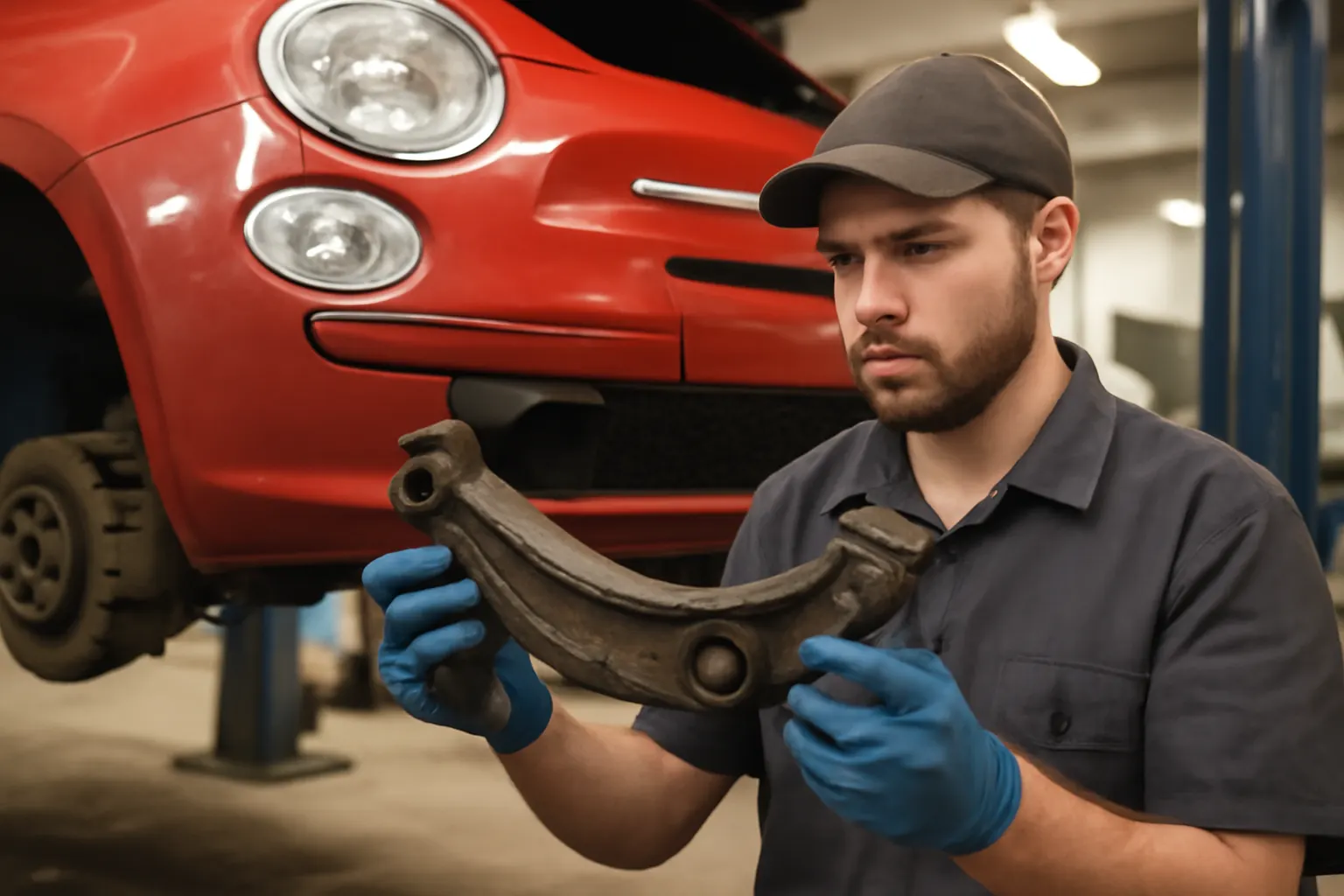
Counterfeit Fiat Parts: Risks and Real-World Failures
Counterfeit and subpar aftermarket parts are a growing threat to Fiat owners, causing everything from engine breakdowns to compromised safety systems. This article delivers practical guidance, real-world case studies, and expert strategies to help you identify, avoid, and resolve the dangers of counterfeit Fiat components—safeguarding your investment and your safety from the very first mile.
Read More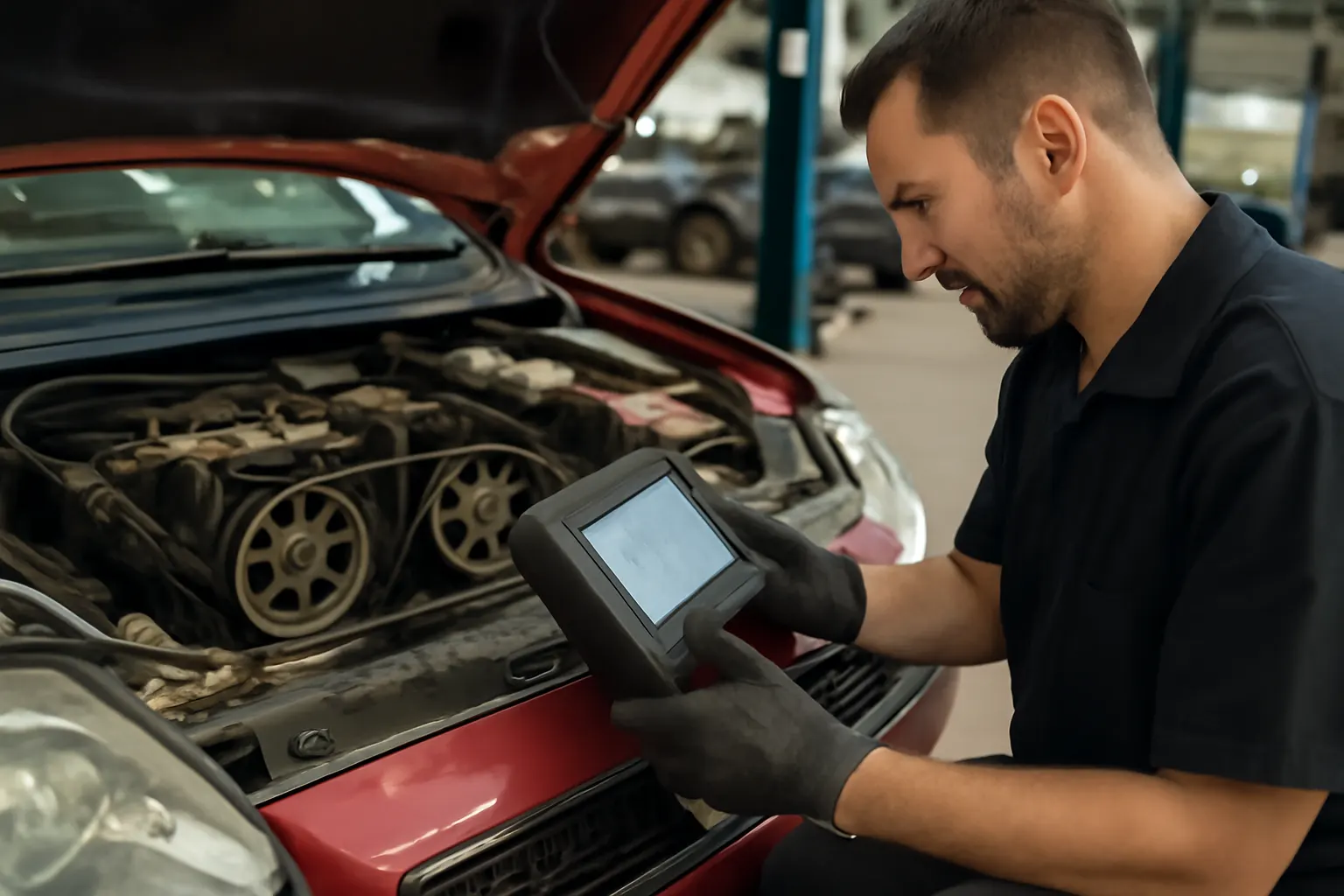
Fiat Maintenance Schedules: Model-by-Model Analysis
Fiat vehicles are celebrated for their Italian heritage, clever engineering, and city-friendly design. But to extract the best performance, reliability, and value from any Fiat, it’s vital to follow a precise maintenance schedule tailored to your specific model. This in-depth guide delivers actionable, model-by-model Fiat maintenance intervals and expert recommendations for timing belts, spark plugs, fluid changes, and more—so you can keep your Fiat running at its best and avoid costly surprises.
Read More
Fiat Vs Alfa Parts Differences
Fiat and Alfa Romeo share a significant amount of engineering and component architecture, especially in models like the Alfa Mito, which is built on Fiat’s Small platform. However, beneath the surface, there are critical differences in parts, diagnostics, and repair strategies that can impact everything from daily maintenance to advanced troubleshooting. Understanding these distinctions is essential for effective repairs, safe operation, and optimal performance—whether you’re a seasoned technician or a dedicated Alfa enthusiast.
Read More
Fiat Model Fitment Compatibility Explained
Achieving perfect fitment for your Fiat is not just about matching a part number—it's about understanding the intricacies of chassis codes, VIN decoding, and the nuanced evolution of Fiat models across generations and markets. Whether you’re replacing a suspension component, upgrading brakes, or sourcing a replacement engine part, this guide delivers the essential knowledge to ensure compatibility, prevent costly mistakes, and maintain your Fiat’s performance and safety.
View Guide