
Chevy TrailBlazer Engine Wiring Harness Parts
Chevy TrailBlazer Engine Wiring Harness: What to Know Before You Buy
Engine wiring harness issues on the Chevy TrailBlazer can cause elusive electrical problems, yet many owners overlook the importance of proper diagnosis and part selection. Knowing what to check, how to compare harnesses, and which questions to ask can save time and prevent costly mistakes. This guide walks you through the practical steps, technical context, and trusted resources for choosing and verifying a replacement engine wiring harness for your TrailBlazer.
Advertisement
16 Chevy TrailBlazer Engine Wiring Harness Parts


Advertisement
More Engine Wiring Harness options for Chevy TrailBlazer
Filtering for Chevy TrailBlazer • Engine Wiring HarnessBrowse nearby inventory for this model and category without leaving the page.
No Data Available
Please check back soon when more inventory is available for this part.
Advertisement
The Overlooked Role of the Engine Wiring Harness
Most Chevy TrailBlazer owners rarely think about the engine wiring harness—until something goes wrong. This complex assembly of wires, connectors, and protective sheathing is essential for delivering electrical power and signals to critical engine components. Yet, when electrical issues arise, the harness is often not the first suspect. Many drivers focus on sensors, batteries, or alternators, overlooking the harness as a potential source of trouble. This oversight can lead to repeated repairs, unnecessary part replacements, or persistent drivability problems that seem to defy explanation.
Why does the engine wiring harness get so little attention? One reason is its hidden location and the assumption that wiring is durable and maintenance-free. Unlike visible components, harness problems may not present obvious symptoms until they cause major disruptions. Issues such as intermittent stalling, misfires, or non-start conditions can all be traced back to wiring faults. However, these symptoms are often attributed to other parts, leading to frustration and wasted effort. Recognizing the harness’s importance is the first step toward effective troubleshooting and repair.
Another overlooked consideration is the complexity of harness compatibility and installation. Not all harnesses are interchangeable, even within the same model year. Differences in engine options, emissions equipment, and electrical accessories can affect fitment. Selecting the wrong harness can result in installation headaches or even new electrical issues. Understanding the specific needs of your TrailBlazer and the harness’s role in the vehicle’s electrical system is crucial for a successful repair. This guide aims to clarify these factors and help you make informed decisions when replacing your engine wiring harness.

Understanding Engine Wiring Harness Issues in the TrailBlazer
Electrical problems in the Chevy TrailBlazer can manifest in various ways, from dashboard warning lights to engine performance issues. The engine wiring harness is a central component that connects sensors, actuators, and the engine control module (ECM). When this harness develops faults—such as broken wires, corroded connectors, or damaged insulation—the resulting symptoms can be unpredictable. Owners may notice intermittent engine stalls, rough idling, or failure to start, all of which can be traced to wiring problems. However, these symptoms often overlap with other common issues, making diagnosis challenging.
The complexity of the TrailBlazer’s electrical system adds to the difficulty. Multiple harnesses may be present, each serving different subsystems. The main engine harness is responsible for critical functions like fuel injection, ignition timing, and emissions control. If any section of the harness is compromised, it can disrupt communication between the ECM and engine components. This can trigger diagnostic trouble codes (DTCs) or cause the vehicle to enter limp mode. Unfortunately, standard diagnostic tools may not always pinpoint wiring faults, leading technicians to replace sensors or modules unnecessarily.
Environmental factors also contribute to harness failure. Exposure to heat, moisture, road debris, and engine fluids can degrade wiring over time. In regions with harsh winters or high humidity, corrosion at connectors is a common culprit. Rodent damage is another risk, as animals may chew through insulation, causing shorts or open circuits. TrailBlazer owners who frequently drive off-road or in adverse conditions should be especially vigilant for wiring issues. Preventive inspection and timely repairs can help avoid unexpected breakdowns.
Another challenge is the variation in wiring harness designs across different TrailBlazer model years and engine configurations. Even small differences in connector shapes, pin counts, or wire colors can prevent a harness from working correctly. Aftermarket and salvage harnesses may not always match the original equipment, leading to compatibility issues. Without careful cross-referencing of part numbers and visual inspection, it’s easy to end up with a harness that doesn’t fit or function as intended. This makes the selection process more involved than many owners anticipate.
Compounding the problem is the lack of standardized repair procedures for harness faults. While some issues can be repaired by splicing wires or replacing connectors, extensive damage often requires replacing the entire harness. This is a labor-intensive process that may involve removing intake manifolds, engine covers, or other components to access hidden sections of wiring. Inadequate documentation or unclear service manuals can further complicate the job, especially for DIYers or independent shops without model-specific experience.
Finally, owners may be unaware of the importance of documenting repairs and verifying the source of replacement parts. Salvage harnesses, for example, come from other vehicles and may have unknown histories or hidden defects. Without a written repair order and clear records, it’s difficult to track what work was done or which parts were used. This can create problems if further electrical issues arise or if the vehicle changes hands. Proper documentation and communication with repair professionals are essential for long-term reliability and resale value.
How to Select, Diagnose, and Replace a TrailBlazer Engine Wiring Harness
When facing electrical issues that may involve the engine wiring harness, the first step is a thorough diagnosis. Begin by visually inspecting the harness for obvious signs of damage: look for frayed wires, melted insulation, corroded connectors, or evidence of rodent activity. Pay special attention to areas near heat sources, moving parts, or places where the harness passes through bulkheads. If you find any damage, note the location and extent, as this will inform your repair or replacement strategy.
Next, use a multimeter to check for continuity and resistance in suspect wires. This can help identify open circuits or shorts that may not be visible. If the harness is still installed in the vehicle, disconnect the battery before probing connectors to avoid accidental shorts. Compare your findings with wiring diagrams specific to your TrailBlazer’s year and engine configuration. If you lack access to factory diagrams, consider consulting a professional or using reputable online resources. Accurate identification of wire colors and pin locations is crucial for effective troubleshooting.
If the damage is localized and the harness is otherwise in good condition, it may be possible to repair the affected section. Use high-quality wire, heat-shrink tubing, and OEM-style connectors to ensure a reliable fix. However, if multiple wires are damaged, connectors are corroded, or the harness has been previously spliced in several places, replacement is usually the better option. Salvage harnesses can be a cost-effective solution, but verify their condition and compatibility before purchase. New or remanufactured harnesses offer greater peace of mind but may be more expensive.
When selecting a replacement harness, match the part number, connector types, and wire colors to your original. Even within the same model year, variations exist based on engine size, emissions equipment, and optional features. If buying from a salvage yard or online marketplace, request detailed photographs and compare them to your existing harness. Ask about the donor vehicle’s year, engine code, and mileage. This information can help ensure compatibility and avoid surprises during installation.
Before installing the replacement harness, clean all mating surfaces and connectors. Apply dielectric grease to prevent future corrosion and ensure good electrical contact. Route the harness carefully to avoid contact with hot or moving parts, and secure it with factory-style clips or ties. Double-check all connections before reassembling engine components. If possible, perform a continuity check on the installed harness to verify that all circuits are intact and properly connected.
After installation, clear any stored diagnostic trouble codes and start the engine. Monitor for warning lights, abnormal engine behavior, or new fault codes. If problems persist, recheck the harness installation and connector seating. In some cases, additional troubleshooting may be needed to rule out other electrical or mechanical issues. Keep a record of the repair, including part numbers, installation date, and any observations made during the process. This documentation can be valuable for future maintenance or warranty claims.
For complex or expensive repairs, the Federal Trade Commission (FTC) recommends obtaining a written estimate and considering a second opinion. Ask whether the technician has experience with the Chevy TrailBlazer and engine wiring harness replacement. Clarify whether the part is new, remanufactured, or salvage, as this affects both cost and expected lifespan. Always request a completed repair order listing the work performed, parts installed, and associated costs. This protects your interests and provides a clear record for future reference FTC: Auto Repair Basics.
Finally, verify that the harness you install is not subject to an active safety recall. The National Highway Traffic Safety Administration (NHTSA) provides a VIN lookup tool to check for open recalls on specific vehicles. While this does not guarantee that your TrailBlazer or a particular harness is recalled, it is a useful step for peace of mind. If you receive a recall notice, follow the manufacturer’s instructions and contact a dealer for free repairs. Regularly checking for recalls and safety bulletins is a best practice for all vehicle owners NHTSA: Vehicle Recalls.
Published Guidance and Evidence for Harness Selection and Repair
The Federal Trade Commission’s “Auto Repair Basics” offers practical advice for consumers facing complex repairs like engine wiring harness replacement. The FTC emphasizes the importance of written repair estimates, especially for expensive or complicated work. This guidance is not specific to the Chevy TrailBlazer but applies broadly to all vehicle repairs. The FTC also distinguishes between new, remanufactured, and salvage parts, noting that salvage parts are sourced from other vehicles without modification. This distinction is critical when considering a used engine wiring harness, as buyers should understand the part’s origin and condition before installation FTC: Auto Repair Basics.
The FTC further advises consumers to ask whether technicians have experience with the same make or model. For TrailBlazer owners, this means verifying that the shop or individual performing the repair is familiar with the vehicle’s specific wiring layout and common failure points. The FTC’s recommendation to get a completed repair order—including parts, labor, and odometer readings—helps ensure transparency and accountability. This documentation is especially important for major electrical repairs, as it provides a record in case of future issues or resale questions FTC: Auto Repair Basics.
NHTSA’s vehicle recall database is a valuable resource for identifying safety recalls related to engine wiring harnesses or related electrical components. By searching with the vehicle’s VIN, owners can determine if their TrailBlazer is subject to an open recall. However, searching by year, make, and model yields only general recall information and does not confirm that a specific vehicle or harness is affected. NHTSA clarifies that the VIN lookup will not show recalls that have already been repaired or that are more than 15 years old, except in rare cases. This means that while the tool is useful, it is not a guarantee of harness safety or compatibility NHTSA: Vehicle Recalls.
NHTSA also outlines the process for reporting safety problems and initiating recalls. If multiple owners report similar electrical issues, NHTSA may open an investigation and, if warranted, recommend a recall. Manufacturers are then required to notify owners and provide a remedy, such as repair or replacement, at no cost. This process ensures that widespread safety defects are addressed, but it does not cover isolated incidents or non-safety-related problems. Owners should remain proactive in monitoring for symptoms and reporting concerns, as this contributes to overall vehicle safety NHTSA: Vehicle Recalls.
Neither the FTC nor NHTSA provides technical specifications or detailed repair procedures for the TrailBlazer engine wiring harness. Instead, their guidance focuses on consumer rights, transparency, and safety. This means that TrailBlazer owners must rely on factory service manuals, wiring diagrams, and reputable parts suppliers for technical details. When comparing harnesses, buyers should request detailed photographs, part numbers, and donor vehicle information to ensure a correct match. This approach is consistent with the FTC’s advice to seek a second opinion and verify the technician’s experience with the specific vehicle.
The evidence does not establish a standard warranty or guarantee for engine wiring harnesses, whether new, remanufactured, or salvage. The FTC explicitly states that there is no standard warranty on repairs and advises consumers to understand coverage and get it in writing. This underscores the importance of clear communication with sellers and repair shops regarding return policies, part condition, and any offered guarantees. Buyers should not assume that a harness will fit or function correctly without verification, especially when purchasing used or aftermarket parts FTC: Auto Repair Basics.
Finally, the NHTSA recall process highlights the importance of regular safety checks and proactive maintenance. While a recall may provide a free remedy for known defects, most engine wiring harness issues are not subject to recall and must be addressed by the owner or repair professional. Registering your vehicle with NHTSA and checking for recalls twice a year is recommended. This habit, combined with thorough documentation and careful part selection, forms the foundation of reliable electrical repairs for the Chevy TrailBlazer NHTSA: Vehicle Recalls.
Take the Next Step for Reliable TrailBlazer Repairs
If you suspect engine wiring harness issues in your Chevy TrailBlazer, don’t leave the outcome to chance. Begin with a careful inspection, document your findings, and compare replacement options using part numbers and detailed photos. Consult trusted resources, ask questions about the harness’s origin and condition, and verify compatibility before purchase. For major repairs, follow the FTC’s guidance: get a written estimate, confirm technician experience, and keep a complete repair record. Regularly check for NHTSA recalls and stay proactive about electrical maintenance. Your attention to detail now can prevent future headaches and keep your TrailBlazer running smoothly.
References
- NHTSA: Vehicle Recalls
- FTC: Auto Repair Basics
References
- NHTSA: Vehicle Recalls - NHTSA, accessed 2026-11-01
- FTC: Auto Repair Basics - FTC, accessed 2026-11-01
Related Guides & Articles

How to Spot Counterfeit Chevy Parts
Counterfeit Chevy parts can jeopardize your vehicle's safety, reliability, and performance. Whether you're shopping for a replacement alternator, brake pads, or sensors, identifying fakes before you buy is crucial. This guide delivers immediate visual clues, packaging tips, and real-world examples to help you confidently distinguish genuine from counterfeit Chevy components—protecting both your investment and your safety.
Read More
Chevy Service Intervals Explained
Build a Chevrolet maintenance plan from the correct owner’s manual, service history and dashboard messages. Learn how oil-life reminders differ from oil-pressure warnings, how mileage and elapsed time affect a service decision, and why gasoline and electric vehicles need different schedules. Use the checklist to discuss a clear, itemized plan with your repairer.
View Guide
Engine Wiring Harness Diagnostics
Modern Toyota engines rely on complex wiring harnesses to ensure precise communication between sensors, actuators, and the vehicle’s ECU. When electrical faults arise, accurate and efficient diagnostics of the engine wiring harness are essential. The fastest route to reliable Toyota performance is a systematic diagnostic approach—combining continuity testing, thermal imaging, and connector troubleshooting—to pinpoint issues before they escalate into major drivability or safety problems.
Read More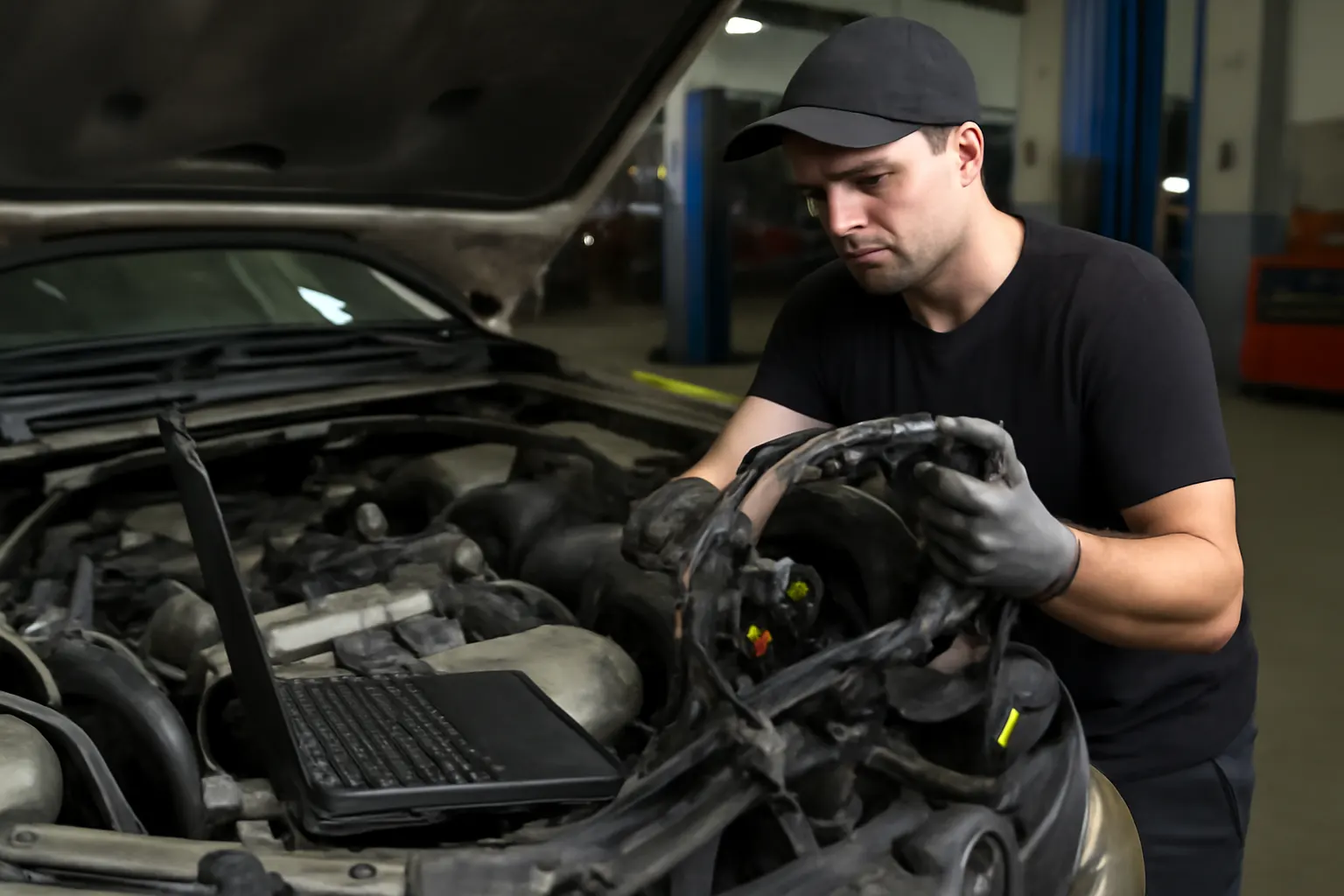
How to Replace an Engine Wiring Harness: Pro Tips
The engine wiring harness is the critical link between your vehicle’s electronic control unit (ECU) and every sensor, actuator, and engine management component. As vehicles grow more complex, harnesses have evolved to handle hundreds of connections, multiple data protocols, and increasingly sensitive signals. When a harness fails—due to age, heat, abrasion, rodent damage, or corrosion—engine performance, safety, and even fuel efficiency can suffer dramatically. According to the U.S.
Read More