
Chevy Corvette Valance, Front Parts
Front Valance Replacement Tips for Chevy Corvette Owners
Many Chevy Corvette owners overlook the importance of the front valance until damage occurs. This component not only contributes to the vehicle’s iconic look but also protects underbody elements. Understanding how to assess, select, and replace a front valance ensures both aesthetics and function are maintained. This guide walks you through the key considerations, supported by trusted consumer and regulatory sources, to help you make informed decisions for your Corvette.
Advertisement
2 Chevy Corvette Valance, Front Parts

Advertisement
More Valance, Front options for Chevy Corvette
Filtering for Chevy Corvette • Valance, FrontBrowse nearby inventory for this model and category without leaving the page.
No Data Available
Please check back soon when more inventory is available for this part.
Advertisement
Why the Front Valance Deserves Your Attention
The front valance on a Chevy Corvette often goes unnoticed—until it’s damaged. Positioned low on the vehicle, it shields critical underbody components from road debris, curbs, and the elements. Many drivers focus on more visible or mechanical parts, but the valance plays a vital role in both protection and aerodynamics. Failing to consider its condition can lead to more significant and expensive repairs down the line.
Aesthetic appeal is a hallmark of the Corvette, and the front valance is integral to its sleek profile. Even minor scrapes or cracks can detract from the car’s appearance, potentially affecting resale value. Owners who take pride in maintaining their Corvette’s showroom look should pay close attention to this component. Its condition often reflects the overall care given to the vehicle.
Beyond looks, a compromised valance can expose sensitive parts like radiators, air intakes, or suspension elements to damage. This exposure may not be immediately obvious, but over time it can result in performance issues or costly repairs. Recognizing the importance of the front valance is the first step toward proactive Corvette maintenance and preservation.

Common Issues and Risks with Corvette Front Valances
Front valances are particularly vulnerable to damage due to their location. Everyday driving hazards—such as speed bumps, potholes, and parking curbs—can easily result in scrapes, cracks, or complete breakage. For Corvette owners, whose vehicles often have lower ground clearance, the risk is even higher. Ignoring minor damage can lead to more severe problems as cracks spread or mounting points weaken.
A damaged valance can compromise airflow beneath the vehicle, affecting cooling and stability. Corvette engineers design the valance to channel air efficiently, helping to maintain optimal engine temperatures and aerodynamic performance. When the valance is bent or broken, these benefits are diminished, potentially leading to overheating or decreased handling precision at speed.
Safety is another consideration. While the valance itself is not a primary safety device, its protective role is significant. It shields brake lines, oil pans, and other underbody components from debris and impact. If the valance is missing or damaged, these parts become vulnerable, increasing the risk of secondary failures or even accidents in extreme cases.
Repairing or replacing a front valance can be more complicated than it appears. The part must fit precisely to maintain the vehicle’s structure and appearance. Poorly fitting aftermarket or salvage parts may not align correctly, leading to rattles, gaps, or further damage. Corvette owners should be cautious when selecting replacement parts, ensuring compatibility with their specific model year and trim.
There is also the issue of part sourcing. Salvage valances, while often less expensive, may have hidden damage or wear that isn’t immediately visible. New or remanufactured parts can vary in quality and finish. Understanding the differences between these options is crucial for making a sound investment in your vehicle’s upkeep.
Finally, regulatory and safety considerations come into play. While the front valance is not typically subject to recall, any part that affects vehicle safety or compliance should be checked against official databases. Owners should be aware of how to verify whether their vehicle or part has been subject to a recall or investigation, ensuring peace of mind and legal compliance.
Selecting, Inspecting, and Replacing Your Corvette’s Front Valance
When it comes time to address a damaged or missing front valance, start with a thorough inspection. Look for visible cracks, bends, or missing fasteners. Run your hand along the lower edge to feel for rough spots or separations that may not be obvious visually. Pay close attention to how the valance attaches to the bumper and undercarriage, as loose or broken mounts can signal the need for replacement rather than repair.
If the damage is minor—such as superficial scrapes—sanding and refinishing may restore the appearance. However, structural cracks, deep gouges, or mounting failures typically require full replacement. Before purchasing a new part, verify your Corvette’s exact year, model, and trim, as fitment can vary even within the same generation. Use your vehicle identification number (VIN) to confirm compatibility with catalog listings or seller databases.
Compare options between new, remanufactured, and salvage valances. New parts offer the best assurance of fit and finish, but may be more costly. Remanufactured or reconditioned options can provide a balance of value and quality, as they are restored to original specifications. Salvage parts are the most affordable, but require careful inspection for hidden damage or excessive wear, as noted in FTC consumer guidance FTC: Auto Repair Basics.
When selecting a replacement, request a written estimate from your repair shop or parts supplier. The estimate should detail the condition to be repaired, the recommended part, and anticipated labor costs. For expensive or complex jobs, consider seeking a second opinion or comparing estimates from multiple sources. This approach is especially important for specialty vehicles like the Corvette, where part quality and fitment are critical.
Ask your technician or parts supplier about their experience with Corvettes and the specific generation you own. Proper installation is key to ensuring the new valance aligns correctly and maintains the vehicle’s integrity. If you are considering a salvage part, request photos and a detailed description before purchase, and inspect the part in person if possible. Salvage parts should be free of major cracks, warping, or missing mounting hardware.
After installation, inspect the fit and finish carefully. The valance should sit flush with adjacent panels, without gaps or misalignments. Check that all fasteners are secure and that the part does not rattle or move under light pressure. Take the vehicle for a short drive and listen for unusual noises that could indicate improper installation or hidden issues.
Keep records of the repair or replacement, including the source of the part, installation details, and any warranties provided by the shop or supplier. This documentation can be valuable for future maintenance, resale, or warranty claims. The FTC recommends obtaining a completed repair order listing all work performed, parts used, and costs incurred FTC: Auto Repair Basics.
Finally, periodically inspect the new valance for signs of wear or damage, especially after impacts or rough road conditions. Regular checks help catch problems early, preventing more extensive damage to the vehicle’s underbody. Proactive maintenance of the front valance is a small investment that pays dividends in both appearance and protection for your Chevy Corvette.
What Trusted Sources Reveal About Valance Repairs and Selection
The Federal Trade Commission’s guidance on auto repairs underscores the importance of obtaining a written estimate that details the condition to be repaired, the parts needed, and anticipated labor charges. This recommendation is especially relevant for Corvette owners considering a front valance replacement, as the cost and complexity can vary widely depending on the part’s source and the vehicle’s model year. The FTC also advises consumers to seek a second opinion for expensive or complicated repairs, highlighting the value of comparison shopping and informed decision-making FTC: Auto Repair Basics.
The FTC distinguishes between new, remanufactured, and salvage parts, noting that salvage parts come from another vehicle without alteration. For Corvette front valances, this means that a salvage part may be an affordable option, but buyers should be aware that these parts could have hidden damage or wear. The FTC does not provide specific failure rates or endorse any particular supplier, but their guidance stresses the importance of inspecting salvage parts thoroughly before purchase or installation FTC: Auto Repair Basics.
Additionally, the FTC recommends that consumers get a completed repair order listing all work performed, parts used, costs, and odometer readings. This documentation is crucial for Corvette owners, as it provides a record of the repair or replacement that can be referenced for future maintenance or resale. The guidance does not guarantee that any particular part will fit or perform to OEM standards, but it does establish best practices for ensuring transparency and accountability in the repair process FTC: Auto Repair Basics.
The National Highway Traffic Safety Administration (NHTSA) provides a recall lookup tool that allows owners to check if their specific vehicle or equipment has been subject to a safety recall. While the front valance is not typically a recall item, this resource is valuable for verifying whether related components or mounting hardware have been identified as safety risks. The NHTSA site explains that searching by VIN provides the most accurate results, and that recall information is continuously updated NHTSA: Vehicle Recalls.
NHTSA’s recall process involves several steps, starting with consumer complaints and progressing through investigations and recall management. For Corvette owners, understanding this process is important if they suspect a defect or safety issue with their front valance or related parts. NHTSA emphasizes that manufacturers are required to notify owners of recalls and provide remedies such as repair, replacement, or refund. However, the presence of a recall in the database does not confirm that a specific vehicle is affected; owners must check their individual VIN for definitive information NHTSA: Vehicle Recalls.
Neither the FTC nor NHTSA provides technical specifications or service intervals for front valances. Instead, they offer general consumer protection advice and resources for verifying part quality, compatibility, and safety. Corvette owners are encouraged to follow manufacturer maintenance schedules and to compare shop recommendations with official guidance, asking for justification when extra service is proposed. This approach ensures that repairs are necessary and appropriate for the vehicle’s condition FTC: Auto Repair Basics.
In summary, the evidence from trusted consumer and regulatory sources supports a careful, documented approach to front valance repair and replacement. While no specific statistics or case studies are provided for Corvette valances, the general principles of inspection, documentation, and verification apply. Owners should leverage available tools and guidance to make informed decisions, ensuring both the safety and appearance of their vehicle are maintained over time.
Take the Next Step for Your Corvette’s Front Valance
If your Chevy Corvette’s front valance shows signs of damage or wear, don’t wait for minor issues to become major problems. Begin by inspecting your vehicle, gathering estimates, and consulting trusted sources for part selection and repair guidance. Use your VIN to verify compatibility and check for recalls. By following these steps and keeping thorough records, you’ll protect both the look and performance of your Corvette for years to come.
References
- NHTSA: Vehicle Recalls
- FTC: Auto Repair Basics
References
- NHTSA: Vehicle Recalls - NHTSA, accessed 2026-11-01
- FTC: Auto Repair Basics - FTC, accessed 2026-11-01
Related Guides & Articles

How to Spot Counterfeit Chevy Parts
Counterfeit Chevy parts can jeopardize your vehicle's safety, reliability, and performance. Whether you're shopping for a replacement alternator, brake pads, or sensors, identifying fakes before you buy is crucial. This guide delivers immediate visual clues, packaging tips, and real-world examples to help you confidently distinguish genuine from counterfeit Chevy components—protecting both your investment and your safety.
Read More
Chevy Service Intervals Explained
Build a Chevrolet maintenance plan from the correct owner’s manual, service history and dashboard messages. Learn how oil-life reminders differ from oil-pressure warnings, how mileage and elapsed time affect a service decision, and why gasoline and electric vehicles need different schedules. Use the checklist to discuss a clear, itemized plan with your repairer.
View Guide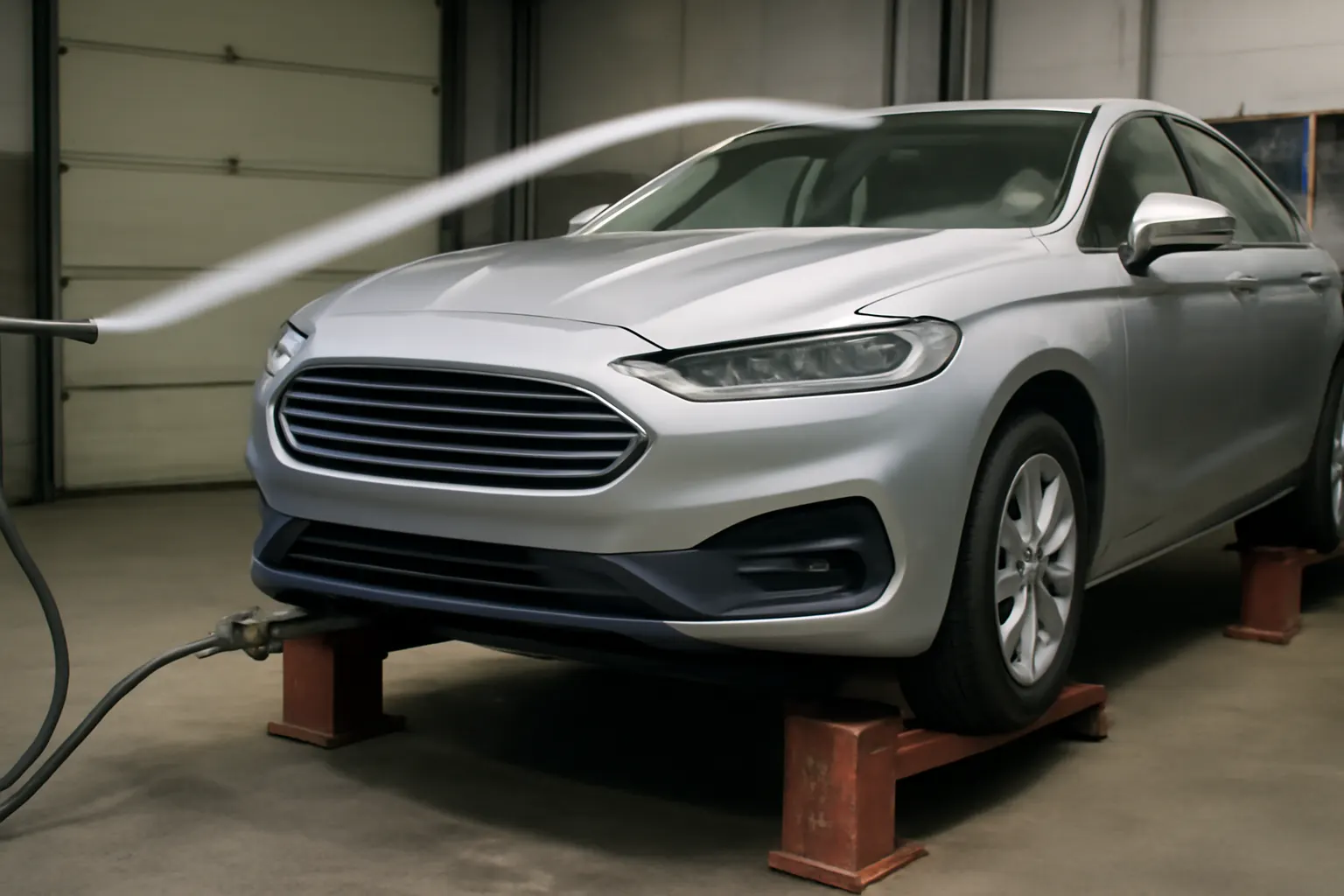
The Role of Aerodynamics in Modern Vehicle Design
Aerodynamics is at the heart of modern vehicle engineering. From the aggressive lines of a sports car to the subtle curves beneath an everyday sedan, aerodynamic design shapes how a vehicle performs, how much fuel it consumes, and even how safe it is on the road. One of the most critical—yet often overlooked—components in this equation is the front valance panel.
Read More
Front Valance Replacement: Real-World Shop Advice
When your vehicle’s front valance panel is damaged, prompt and precise replacement is critical—not just for looks, but for safety, aerodynamics, and fuel efficiency. This guide offers a professional mechanic’s perspective on diagnosing, removing, and replacing front valance panels, with a focus on practical shop techniques, real-world pitfalls, and expert tips.
Read More