
Chevy Corvette Radiator Parts
Chevy Corvette Radiator: Selection, Issues, and Evidence-Based Advice
Radiator performance is crucial for your Chevy Corvette’s reliability, yet many owners overlook subtle signs of cooling system issues. Whether you’re considering a replacement or want to understand the selection process, knowing what to look for can save time and prevent future trouble. This guide highlights often-missed factors, explains the technical context, and provides practical, evidence-based steps to help you make informed radiator decisions for your Corvette.
Advertisement
74 Chevy Corvette Radiator Parts


Advertisement
More Radiator options for Chevy Corvette
Filtering for Chevy Corvette • RadiatorBrowse nearby inventory for this model and category without leaving the page.
No Data Available
Please check back soon when more inventory is available for this part.
Advertisement
Why Radiator Considerations Are Often Overlooked in Corvettes
Many Chevy Corvette owners focus on performance upgrades or exterior enhancements, while the radiator’s role in maintaining optimal engine temperature receives less attention. This oversight can lead to missed early warning signs of cooling inefficiency, which may not be immediately obvious during regular driving. The radiator is a silent workhorse, crucial for dissipating heat generated by the powerful Corvette engine, especially in high-performance or older models. Without a properly functioning radiator, even the most meticulously maintained Corvette risks overheating and subsequent engine damage.
It’s easy to assume that a radiator will last the lifetime of the vehicle, or that any replacement part labeled for a Corvette will fit and perform identically. However, subtle differences in radiator design, materials, and condition—especially with salvage or used parts—can significantly affect cooling performance. Owners may not realize that even minor leaks, internal blockages, or degraded fins can compromise the entire cooling system. These issues often develop gradually, making them harder to detect until a critical failure occurs.
Another commonly overlooked factor is the impact of driving conditions and maintenance habits on radiator longevity. Corvettes driven in hot climates, subjected to track use, or maintained with infrequent coolant changes may experience accelerated radiator wear. Understanding these nuances and recognizing the radiator as a vital, wear-prone component is the first step toward preventing costly repairs and ensuring consistent performance. Awareness of these often-missed considerations can help Corvette owners take proactive measures before problems escalate.

Understanding Radiator Issues in the Chevy Corvette
The radiator in a Chevy Corvette is engineered to handle high thermal loads, but its performance can degrade over time due to several factors. Corrosion, scale buildup, and physical damage from road debris are common culprits that reduce the radiator’s efficiency. When the radiator’s ability to transfer heat diminishes, the engine may run hotter than intended, increasing the risk of overheating and potential engine damage. Early symptoms can include fluctuating temperature gauges, visible coolant leaks, or steam from under the hood, but these signs are not always immediately apparent.
A key challenge for Corvette owners is distinguishing between normal wear and a developing radiator problem. Because the cooling system is a closed loop, small leaks or blockages may not produce obvious symptoms until the issue becomes severe. For example, a partially clogged radiator may still allow enough coolant flow under light driving conditions but fail during high-load situations such as spirited driving or hot weather. This can lead to intermittent overheating that is difficult to diagnose without a thorough inspection.
Another issue arises from the variety of radiator options available for the Corvette, including new, remanufactured, and salvage units. Each type comes with its own set of considerations regarding quality, fitment, and longevity. Salvage radiators, for instance, are sourced from other vehicles and may have unknown histories or hidden damage. Remanufactured units are rebuilt to varying standards, and new radiators may differ in material or design from the original equipment. This diversity complicates the selection process and increases the risk of an unsuitable replacement.
Compatibility is another concern, as not all radiators labeled for the Chevy Corvette will fit every model year or engine configuration. Differences in mounting points, hose connections, and cooling capacity can lead to installation challenges or suboptimal performance. Owners who purchase radiators based solely on generic listings may encounter fitment issues that delay repairs and increase costs. Verifying compatibility through reliable sources and detailed comparison is essential to avoid these pitfalls.
The risk of purchasing a radiator with an undisclosed defect is heightened when buying used or salvage parts. Without a clear history or thorough inspection, it’s difficult to assess internal corrosion, previous repairs, or subtle warping that could affect performance. Even reputable sellers may not guarantee the condition of salvage radiators beyond a basic visual check. This uncertainty underscores the importance of careful evaluation and, when possible, seeking documentation or warranty coverage for the part.
Finally, the consequences of radiator failure extend beyond immediate engine overheating. A compromised radiator can lead to cascading issues within the cooling system, such as water pump strain, head gasket failure, or transmission overheating in models with integrated transmission coolers. These secondary problems can significantly increase repair costs and vehicle downtime. Recognizing the interconnected nature of the cooling system highlights why prompt attention to radiator issues is critical for Corvette owners.
Practical Steps for Selecting and Diagnosing a Corvette Radiator
When considering a radiator replacement for your Chevy Corvette, the first step is to accurately identify your vehicle’s year, engine type, and any unique cooling requirements. Use your VIN to verify the exact model and configuration, as this information is essential for matching the correct radiator. The National Highway Traffic Safety Administration (NHTSA) recommends using the VIN for recall checks and part compatibility, ensuring you address any outstanding safety issues before proceeding with repairs. This step also helps avoid purchasing an incompatible or recalled radiator component.
Next, conduct a thorough inspection of your current radiator and cooling system. Look for visible signs of leakage, corrosion, or physical damage to the radiator core and tanks. Check the condition of the radiator fins, as bent or clogged fins can reduce airflow and cooling efficiency. Inspect all hoses and connections for signs of wear or seepage. If you notice any coolant residue or unexplained drops in coolant level, further investigation is warranted. Documenting these findings will help you communicate effectively with repair shops or parts suppliers.
If you’re considering a used or salvage radiator, request detailed information about the part’s origin, mileage, and any prior repairs. The Federal Trade Commission (FTC) advises consumers to distinguish between new, remanufactured, and salvage parts, noting that salvage radiators come from another vehicle without alteration. Ask the seller for a written estimate or description of the radiator’s condition, including any visible or tested defects. Whenever possible, request photographs of the actual part, not just stock images, to verify its condition before purchase.
For expensive or complicated repairs, the FTC recommends seeking a second opinion. Consult a technician or shop experienced with Chevy Corvettes to assess the condition of your existing radiator and confirm the suitability of potential replacements. Ask about their experience with your specific model and request a written repair estimate that details the parts, labor, and anticipated costs. Comparing estimates from multiple sources can help you identify discrepancies and ensure you’re making an informed decision.
Review the manufacturer’s maintenance schedule in your Corvette’s owner manual and compare it with shop recommendations. The FTC emphasizes following the maintenance intervals specified for your driving conditions and questioning any additional services proposed by the shop. This approach helps you avoid unnecessary repairs and ensures your radiator replacement aligns with the vehicle’s actual needs. If the shop suggests replacing related components—such as hoses, thermostat, or coolant—ask for a clear explanation and supporting evidence.
Before finalizing your purchase, verify the warranty or return policy for the radiator. The FTC notes that there is no standard warranty on repairs or parts, so it’s important to understand the coverage offered and get it in writing. Clarify whether the warranty covers both parts and labor, and what conditions might void the coverage. This step is especially important when purchasing salvage or remanufactured radiators, where the risk of defects may be higher.
After installation, obtain a completed repair order that lists all work performed, parts used, costs, and the vehicle’s odometer reading. Keep this documentation for your records, as it may be required for warranty claims or future maintenance. Monitor your Corvette’s temperature gauge and coolant level closely in the weeks following the repair, watching for any signs of recurring issues. Promptly address any abnormal readings or leaks to prevent further damage.
Finally, register your vehicle and check for recalls twice a year using the NHTSA’s online tools or the SaferCar app. Staying informed about potential safety recalls affecting your Corvette’s radiator or cooling system components ensures you receive timely notifications and free remedies if a manufacturer defect is identified. Regular recall checks are a proactive way to safeguard your investment and maintain your Corvette’s performance and safety.
Published Guidance and Evidence for Corvette Radiator Decisions
The National Highway Traffic Safety Administration (NHTSA) provides a comprehensive framework for identifying vehicle-specific recalls and safety issues. Their recall lookup tool, accessible by VIN, allows Corvette owners to determine if their vehicle or its components—such as the radiator—are subject to an open recall. According to the NHTSA, searching by VIN yields the most precise results, revealing any unrepaired recalls that require manufacturer action. This process ensures that safety-related radiator defects are addressed at no cost to the owner, provided the recall is active and applicable to the specific vehicle. However, the NHTSA also notes that not all recalls may be immediately visible, and recalls older than 15 years may not appear in the system. Thus, while the NHTSA tool is invaluable for identifying active recalls, it does not confirm the presence or absence of a radiator defect in every Corvette, nor does it guarantee part compatibility. Owners should supplement recall checks with direct inspection and consultation with qualified technicians. NHTSA: Vehicle Recalls
The Federal Trade Commission (FTC) offers detailed consumer guidance on auto repair practices, emphasizing the importance of written estimates and clear documentation. The FTC distinguishes between new, remanufactured, and salvage parts, explaining that salvage radiators are sourced from other vehicles without alteration. This distinction is critical for Corvette owners considering used or recycled radiators, as the condition and history of these parts can vary widely. The FTC advises obtaining a written description of the part’s condition and comparing multiple repair estimates, especially for complex or costly repairs. This approach helps consumers make informed choices and reduces the risk of purchasing a radiator with undisclosed defects. However, the FTC’s guidance is general and does not provide vehicle-specific technical specifications or guarantee the quality of individual parts. FTC: Auto Repair Basics
The NHTSA’s recall process involves several stages, from complaint screening to investigation and recall management. If multiple owners report similar radiator issues, the NHTSA may open an investigation to determine if a safety-related defect exists. Should a defect be confirmed, the manufacturer is required to notify owners and provide a remedy, such as repair or replacement, at no charge. This process underscores the importance of reporting radiator problems to the NHTSA, as collective owner feedback can prompt investigations and lead to broader corrective action. However, not all radiator issues result in recalls, and many cooling system failures are due to age, wear, or environmental factors rather than manufacturing defects. Thus, while the NHTSA process offers a pathway for addressing systemic problems, individual radiator failures may still require owner-initiated repair and replacement. NHTSA: Vehicle Recalls
The FTC’s recommendations on preventive maintenance highlight the value of following the manufacturer’s service schedule as outlined in the owner manual. For Corvette owners, adhering to these intervals ensures that radiator inspections and coolant changes occur at appropriate times, reducing the risk of undetected wear or failure. The FTC also advises questioning any shop recommendations that exceed the manufacturer’s guidelines, helping owners avoid unnecessary or premature radiator replacements. This evidence-based approach promotes cost-effective maintenance and extends the lifespan of the cooling system. However, the FTC does not specify service intervals or replacement criteria for Corvette radiators, so owners must rely on the manual and professional advice for vehicle-specific guidance. FTC: Auto Repair Basics
The NHTSA’s recall database covers a wide range of manufacturers, including Chevrolet, and provides transparency regarding known safety issues. While the database is a valuable resource for identifying active recalls, it does not confirm that every Corvette radiator is free from defects or that a particular replacement part is suitable. The NHTSA explicitly states that recall information is based on manufacturer submissions and may not include all recent or international recalls. Owners are encouraged to check the database regularly and to use their VIN for the most accurate results. This ongoing vigilance helps Corvette owners stay informed about potential safety risks but does not replace the need for direct inspection and verification of replacement parts. NHTSA: Vehicle Recalls
The FTC’s advice on repair documentation and warranty coverage is particularly relevant when selecting a radiator for the Corvette. The FTC notes that there is no standard warranty on repairs or parts, and coverage can vary significantly between sellers. Obtaining written documentation of the warranty terms, as well as a completed repair order listing all work performed, is essential for protecting the owner’s interests. This documentation is especially important when purchasing salvage or remanufactured radiators, where the risk of defects may be higher. However, the FTC does not guarantee that any specific seller or part will offer a warranty, so Corvette owners must clarify these details before completing a purchase. FTC: Auto Repair Basics
Both the NHTSA and FTC emphasize the importance of proactive consumer action in maintaining vehicle safety and reliability. Regular recall checks, thorough inspection of replacement parts, and clear communication with repair shops are all evidence-based steps that reduce the risk of radiator-related problems in the Chevy Corvette. While these agencies provide valuable frameworks and consumer protections, they do not offer vehicle-specific technical data or guarantee the outcome of any individual repair. Corvette owners must combine published guidance with careful evaluation and professional advice to ensure optimal radiator performance and long-term vehicle health. NHTSA: Vehicle Recalls; FTC: Auto Repair Basics
Take the Next Step for Your Corvette’s Cooling System
If you’re considering a radiator replacement or want to ensure your Chevy Corvette’s cooling system is in top condition, start by gathering your vehicle’s VIN and reviewing the NHTSA recall database for any outstanding issues. Consult your owner manual for maintenance intervals and compare multiple repair estimates, focusing on clear documentation and warranty terms. Whether you choose a new, remanufactured, or salvage radiator, prioritize evidence-based decision-making and professional advice to safeguard your Corvette’s performance and longevity.
References
- NHTSA: Vehicle Recalls
- FTC: Auto Repair Basics
References
- NHTSA: Vehicle Recalls - NHTSA, accessed 2026-11-01
- FTC: Auto Repair Basics - FTC, accessed 2026-11-01
Related Guides & Articles

How to Spot Counterfeit Chevy Parts
Counterfeit Chevy parts can jeopardize your vehicle's safety, reliability, and performance. Whether you're shopping for a replacement alternator, brake pads, or sensors, identifying fakes before you buy is crucial. This guide delivers immediate visual clues, packaging tips, and real-world examples to help you confidently distinguish genuine from counterfeit Chevy components—protecting both your investment and your safety.
Read More
Chevy Service Intervals Explained
Build a Chevrolet maintenance plan from the correct owner’s manual, service history and dashboard messages. Learn how oil-life reminders differ from oil-pressure warnings, how mileage and elapsed time affect a service decision, and why gasoline and electric vehicles need different schedules. Use the checklist to discuss a clear, itemized plan with your repairer.
View Guide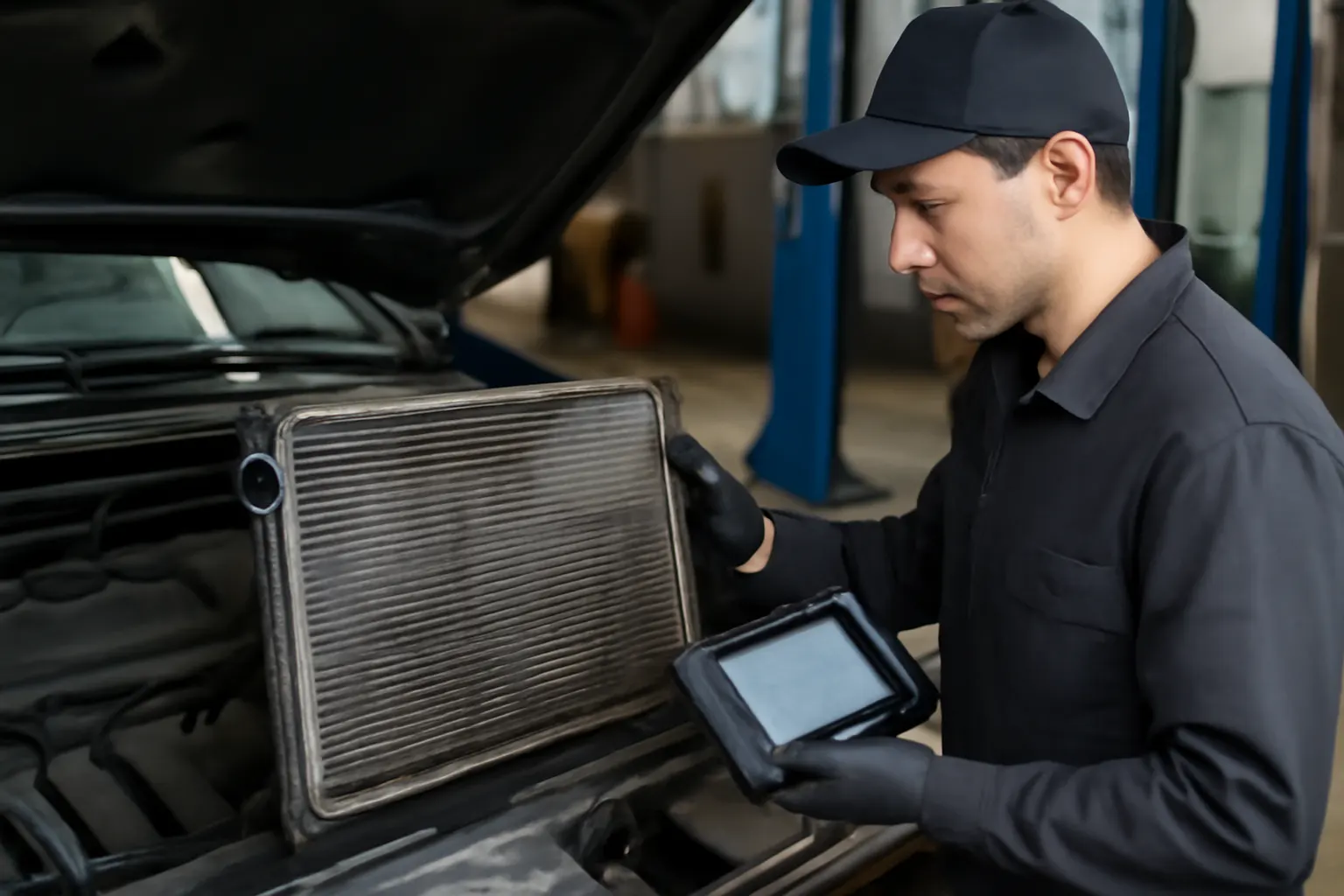
Diagnosing Overheating: Is Your Radiator the Culprit?
Overheating is one of the most alarming and potentially damaging issues that can strike any vehicle, whether you drive a daily commuter or a high-performance machine. The radiator sits at the heart of your engine’s cooling system, and its health directly impacts engine longevity, fuel efficiency, and safety. But when your temperature gauge climbs into the red, is the radiator always to blame—or could the problem lie elsewhere?
Read More
How Radiator Air Shutters Improve Fuel Economy
Radiator air shutters, also known as active grille shutters, are a critical yet often overlooked technology that can significantly enhance your vehicle’s fuel economy by optimizing aerodynamics and thermal management. By dynamically controlling airflow through the radiator and engine bay, these shutters reduce drag, improve engine efficiency, and contribute to lower fuel consumption—especially at highway speeds. If you’re interested in maximizing your vehicle’s efficiency or troubleshooting cooling and airflow issues, understanding radiator air shutter systems is essential.
Read More