Diagnosing Overheating: Is Your Radiator the Culprit?
Overheating is one of the most alarming and potentially damaging issues that can strike any vehicle, whether you drive a daily commuter or a high-performance machine. The radiator sits at the heart of your engine’s cooling system, and its health directly impacts engine longevity, fuel efficiency, and safety. But when your temperature gauge climbs into the red, is the radiator always to blame—or could the problem lie elsewhere? In this comprehensive guide, the AutoPartEx Technical Editorial Team walks you through how to recognize radiator failure, distinguish it from other cooling system faults, and take decisive action for safe, reliable driving.
If you’re new to radiator systems or want a broader understanding of how all cooling components interact, see our master overview: Radiator Systems: The Heart of Engine Cooling and Thermal Management.
Immediate Answer: The Signs Pointing to Radiator Trouble
When your vehicle overheats, it’s critical to act quickly—but not all signs of overheating originate from the radiator. Here’s how to spot the telltale symptoms that your radiator is at fault:
- Steam or coolant leaking from the front of the engine bay
- Rapidly rising temperature gauge, especially at idle
- Visible coolant pooling beneath the radiator area
- Rusty or discolored coolant in the reservoir
- Cracked or swollen radiator tanks or hoses
- Coolant odor inside or around the vehicle
While these symptoms strongly suggest radiator involvement, a systematic diagnosis is essential to avoid unnecessary part replacements and ensure your engine’s safety.
The Hidden Problem: Overheating Isn’t Always a Radiator Issue
It’s a common misconception that any overheating event means the radiator is bad. In reality, the cooling system is a network involving the water pump, thermostat, cooling fans, heater core, hoses, and more. Issues with these components can mimic radiator failure, leading to misdiagnosis and wasted repair costs.
Why does this matter?
Replacing a radiator when the real culprit is a stuck thermostat, a failed fan, or a leaking hose won’t resolve your overheating—and can even mask the true problem until more damage is done. Accurate diagnosis protects your engine and your wallet.
Expanding the Problem: How Cooling System Failures Overlap
1. Similar Symptoms, Different Causes
Overheating symptoms often overlap between components:
| Symptom | Possible Causes |
|---|---|
| Steam from engine bay | Radiator leak, hose rupture, blown head gasket |
| High temp at idle | Radiator clog, fan failure, low coolant |
| Coolant under car | Radiator, water pump, hose, or reservoir leak |
| Heater not working | Low coolant, air lock, heater core blockage |
| Fluctuating temp gauge | Thermostat sticking, air in system, sensor fault |
2. The Role of Modern Materials
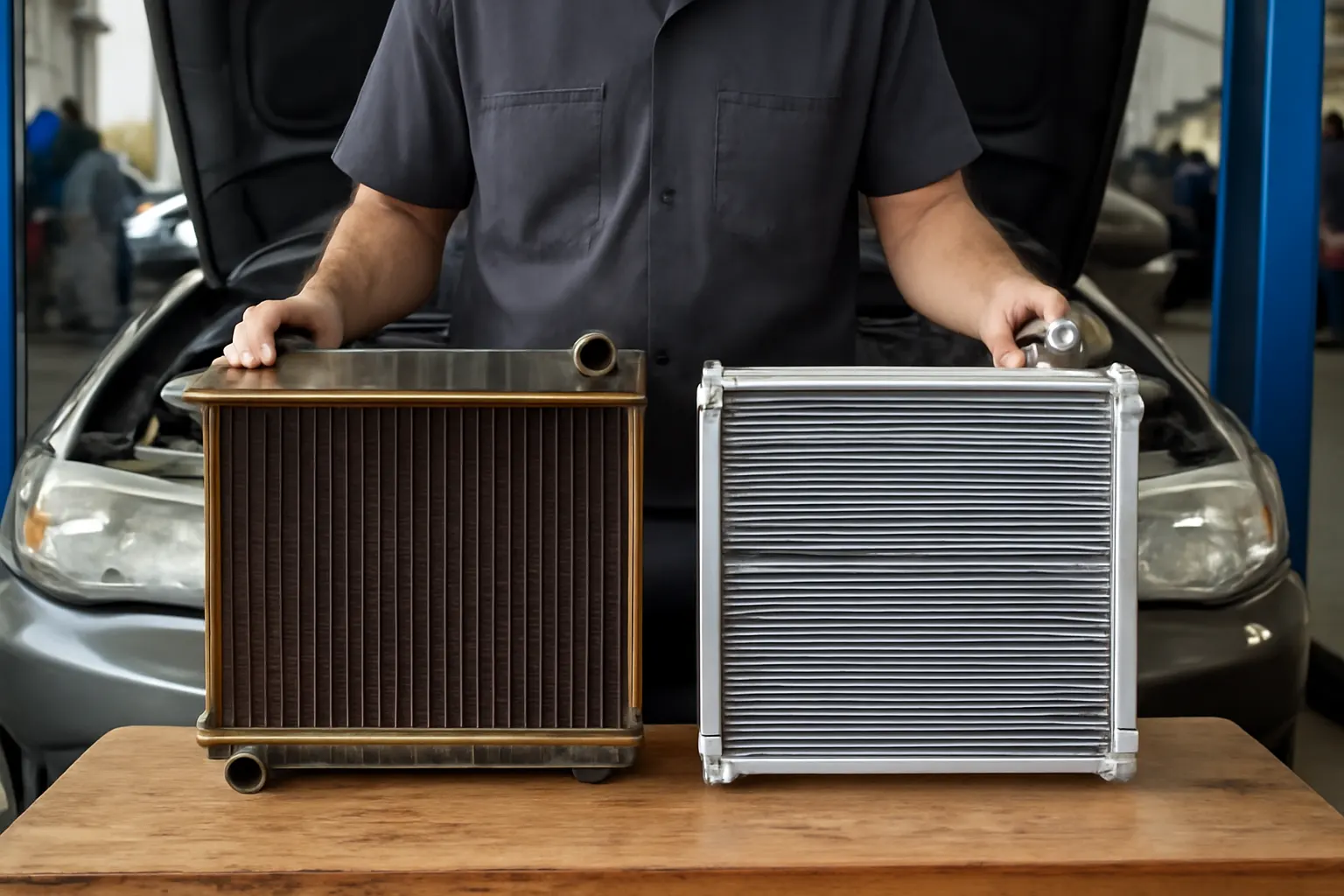
Today’s radiators use lightweight aluminum cores and plastic end tanks, which provide improved performance and weight savings per Materials Technologies guidance from the Department of Energy. However, these materials are more susceptible to cracking and aging than traditional copper-brass designs. A failed plastic tank may leak only under pressure, making diagnosis more challenging.
3. Fuel Efficiency and Engine Longevity
A compromised cooling system reduces fuel efficiency and accelerates engine wear. According to the US Department of Energy, proper thermal management is essential for optimal combustion and minimal emissions. An overheating engine can warp cylinder heads, degrade oil, and ultimately cause catastrophic failure—making prompt, accurate diagnosis vital.
Step-by-Step: How to Diagnose If Your Radiator Is the Culprit
A methodical approach saves time and unnecessary expense. Here’s a staged process for home or shop diagnosis:
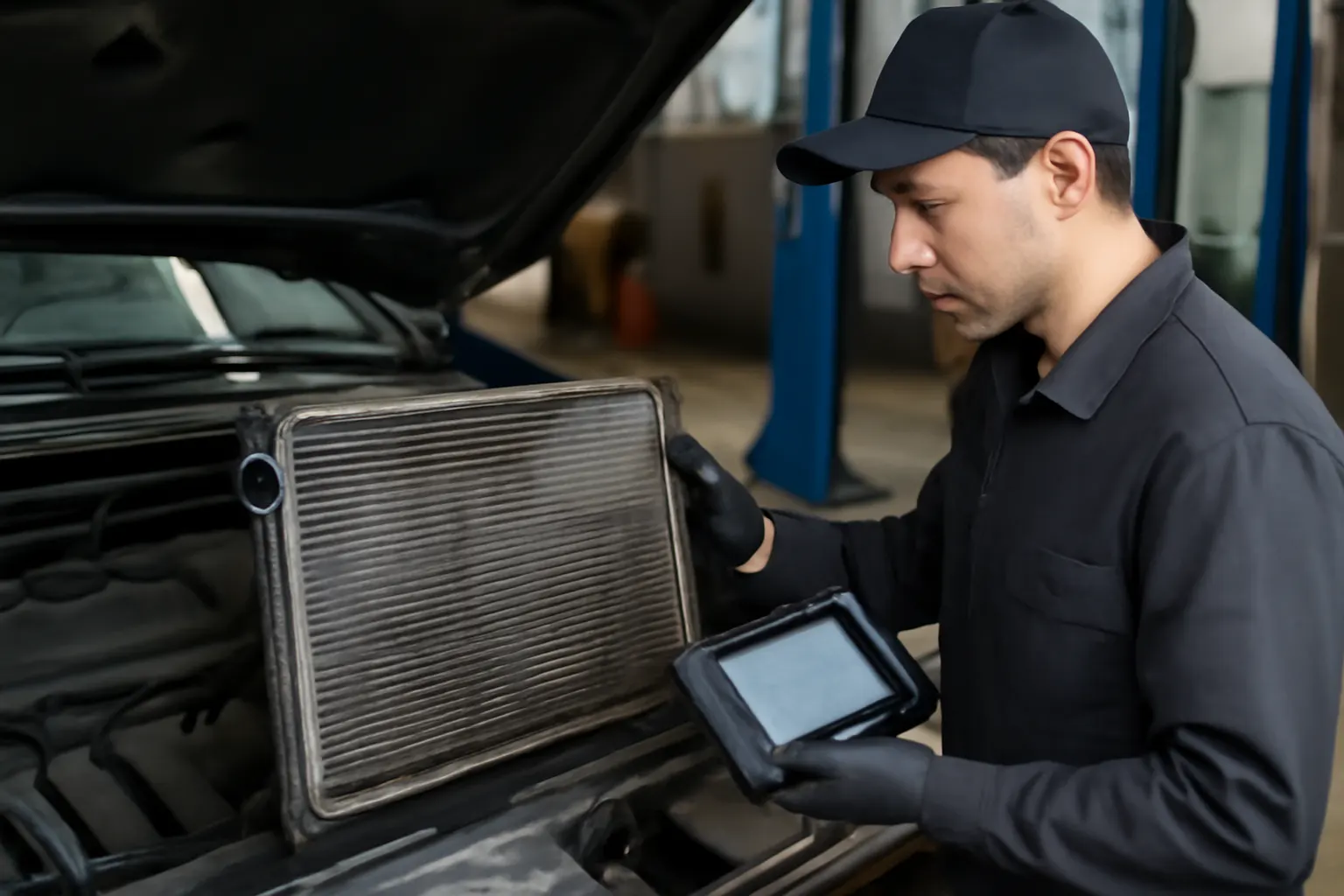
1. Visual Inspection
- Check for leaks: Look for wet spots, drips, or stains on and around the radiator and hoses.
- Inspect coolant color: Rusty, milky, or sludgy coolant indicates internal corrosion or mixing of fluids.
- Examine radiator fins: Bent, clogged, or damaged fins reduce cooling efficiency.
- Assess tanks and seams: Cracks in plastic end tanks or at seams are common failure points.
2. Pressure Testing
A cooling system pressure tester can reveal leaks not visible under normal conditions. Pump the system to its rated pressure (typically 13-16 psi for most vehicles) and check for drops in pressure or emerging leaks.
3. Coolant Flow Check
With the engine cool, remove the radiator cap and start the engine. As the engine warms, observe coolant flow once the thermostat opens. Weak or absent flow may indicate an internal clog or water pump issue.
4. Temperature Differential
Carefully (using an infrared thermometer), measure the inlet and outlet temperatures of the radiator. A large temperature difference (greater than 30°F/17°C) may indicate blockage; a small difference can signal poor heat transfer or low coolant.
5. Fan and Thermostat Operation
Ensure electric or clutch fans engage as temperatures rise, and confirm the thermostat opens at the specified temperature. These are common non-radiator causes of overheating.
Common Radiator Failure Modes and Their Symptoms
Understanding how radiators fail can help you pinpoint the issue faster:
1. Leaking Seams or Tanks
- Symptoms: Coolant loss, visible drips, steam, low reservoir level.
- Causes: Age, vibration, thermal cycling, impact damage.
2. Internal Clogging
- Symptoms: Overheating at highway speeds, poor heater performance, temperature fluctuations.
- Causes: Old coolant, scale buildup, stop-leak products, mixing incompatible coolants.
3. Damaged Fins
- Symptoms: Overheating at low speeds or idle, fan cycling frequently.
- Causes: Road debris, corrosion, aggressive cleaning.
4. Cap Failure
- Symptoms: Boiling over at lower temperatures, coolant loss without visible leaks.
- Causes: Worn or incorrect radiator cap failing to hold pressure.
Checklist: Is It Really the Radiator?
Before replacing your radiator, work through this diagnostic checklist:
Radiator Diagnostic Checklist
- Is coolant leaking from the radiator itself (not hoses or water pump)?
- Are the radiator fins clogged, bent, or severely corroded?
- Does the radiator have cracked or swollen end tanks?
- Is the coolant rusty, sludgy, or milky in appearance?
- Does the radiator cap seal tightly and hold pressure?
- When running, is there proper coolant flow visible in the radiator?
- Is there a significant temperature difference between inlet and outlet tanks?
- Have you ruled out thermostat, fan, and water pump issues?
- Has the system been pressure tested for hidden leaks?
- Are there bubbles in the coolant (possible head gasket failure)?
If you answer “yes” to several of these, your radiator is likely the issue. If not, continue diagnosing adjacent components.
Cooling System Components That Can Mimic Radiator Failure
1. Thermostat
A stuck-closed thermostat blocks coolant flow, causing rapid overheating. A stuck-open thermostat can cause overcooling and poor heater output.
2. Water Pump
A failed or slipping water pump impeller reduces coolant circulation, leading to overheating even with a healthy radiator.
3. Cooling Fans
Electric or mechanical fans that fail to engage at the proper temperature render the radiator ineffective at idle or low speeds.
4. Hoses and Clamps
Aged, cracked, or loose hoses can leak or collapse under suction, starving the radiator of coolant flow.
5. Heater Core
A leaking or clogged heater core can introduce air into the system, disrupt coolant flow, or mimic radiator leaks by dripping coolant inside the cabin.
The Impact of Modern Radiator Materials and Technology
Today’s radiators are engineered for lighter weight and higher efficiency, but these advances come with unique diagnostic considerations:
- Aluminum cores: Excellent heat transfer but susceptible to internal clogging from neglected coolant.
- Plastic tanks: Lighter and less expensive, but more prone to cracking from heat and pressure cycles.
- Composite seals: Improved sealing but degrade with age and exposure to coolant additives.
For a technical deep dive into how radiator materials have evolved and what that means for diagnostics and longevity, explore Radiator Technology: From Copper-Brass to Modern Aluminum.
When and How to Replace a Failing Radiator
If your diagnosis confirms radiator failure, prompt replacement is critical for engine health. Here’s how to approach the job:
1. Sourcing the Correct Radiator
- OEM vs Aftermarket: Match the core size, hose connections, and mounting points precisely.
- Material selection: Choose aluminum/plastic for weight savings, or copper-brass for restorations and heavy-duty applications.
- Transmission cooler lines: If equipped, ensure the new radiator supports integrated transmission coolers.
2. Installation Tips
- Drain coolant completely and dispose of it responsibly.
- Replace all rubber hoses and clamps at the same time.
- Flush the system to remove old coolant and debris.
- Install new thermostat and radiator cap for best results.
- Bleed air from the system after refill to prevent airlocks.
For a detailed, hands-on walkthrough, see our Radiator Replacement: Step-by-Step DIY Guide.
Maintenance to Prevent Future Overheating
Routine maintenance is the best defense against cooling system failure. Follow this schedule:
- Coolant flush: Every 2-5 years or as recommended by your vehicle’s manufacturer.
- Hose and clamp inspection: At every oil change.
- Radiator cap replacement: Every 3-5 years or when signs of wear appear.
- Fan and thermostat check: Annually, or if overheating symptoms arise.
- Radiator fin cleaning: Remove debris seasonally with low-pressure air or water.
Our Cooling System Maintenance Checklist offers a detailed, printable guide to keep your system in peak condition.
Fuel Efficiency, Safety, and Regulatory Considerations
A properly functioning radiator isn’t just about avoiding breakdowns—it’s essential for fuel efficiency and compliance with safety standards. According to the US Department of Energy, thermal management directly affects combustion efficiency and emissions. Meanwhile, the National Highway Traffic Safety Administration emphasizes the importance of maintaining all cooling system components for vehicle safety and reliability.
Ignoring radiator or cooling system issues can risk engine failure, loss of control, or even fire. Always address overheating promptly and use parts that meet or exceed SAE Standards for quality and safety.
When to Seek Professional Help
While many radiator issues are within reach of skilled DIYers, some scenarios call for a professional:
- Persistent overheating after radiator replacement
- Signs of head gasket failure (white smoke, bubbles in coolant, milky oil)
- Complex modern vehicles with integrated cooling modules
- Vehicles under warranty or with manufacturer recalls
Professional shops have specialized tools (block testers, thermal cameras, advanced pressure testers) and access to technical service bulletins or recall notices. For some manufacturers, such as Acura or AMC, OEM diagnostic procedures may be required.
AutoPartEx: Your Partner in Cooling System Confidence
At AutoPartEx, we understand that radiator and cooling system issues can be both frustrating and intimidating. That’s why we provide not only quality replacement radiators and components, but also the expert guidance and technical resources you need for a successful repair—whether you’re a first-time DIYer or a seasoned technician.
Explore our full range of Radiator Systems: The Heart of Engine Cooling and Thermal Management and related components, and access detailed guides to every stage of diagnosis, maintenance, and installation.
Key Takeaways: Diagnosing Overheating with Confidence
- Overheating can have many causes—don’t assume it’s always the radiator.
- Systematic diagnosis saves time, money, and prevents engine damage.
- Modern radiators offer efficiency but require careful handling and maintenance.
- Use quality parts that meet regulatory standards for safety and performance.
- Leverage expert resources like AutoPartEx for the right information and products.
References
- Fuel Efficiency — United States Department of Energy
- Materials Technologies — United States Department of Energy
- Vehicle Safety and Equipment — National Highway Traffic Safety Administration