Radiator Technology: From Copper-Brass to Modern Aluminum
Radiator technology stands at the crossroads of tradition and innovation in automotive engineering. From the robust copper-brass units of the early 20th century to today’s lightweight, high-efficiency aluminum designs, the evolution of radiator materials and constructions has transformed engine cooling, vehicle performance, and maintenance. If you’re a driver, technician, or enthusiast wondering how these changes impact your vehicle or repair choices, understanding the journey of radiator technology is essential. This article provides a comprehensive, technical, and practical exploration of radiator evolution, with actionable guidance for diagnosis, sourcing, and installation—grounded in industry standards and authoritative sources. For a broader look at cooling system fundamentals, see our Radiator Systems: The Heart of Engine Cooling and Thermal Management category page.
The Immediate Answer: Why Radiator Materials Matter
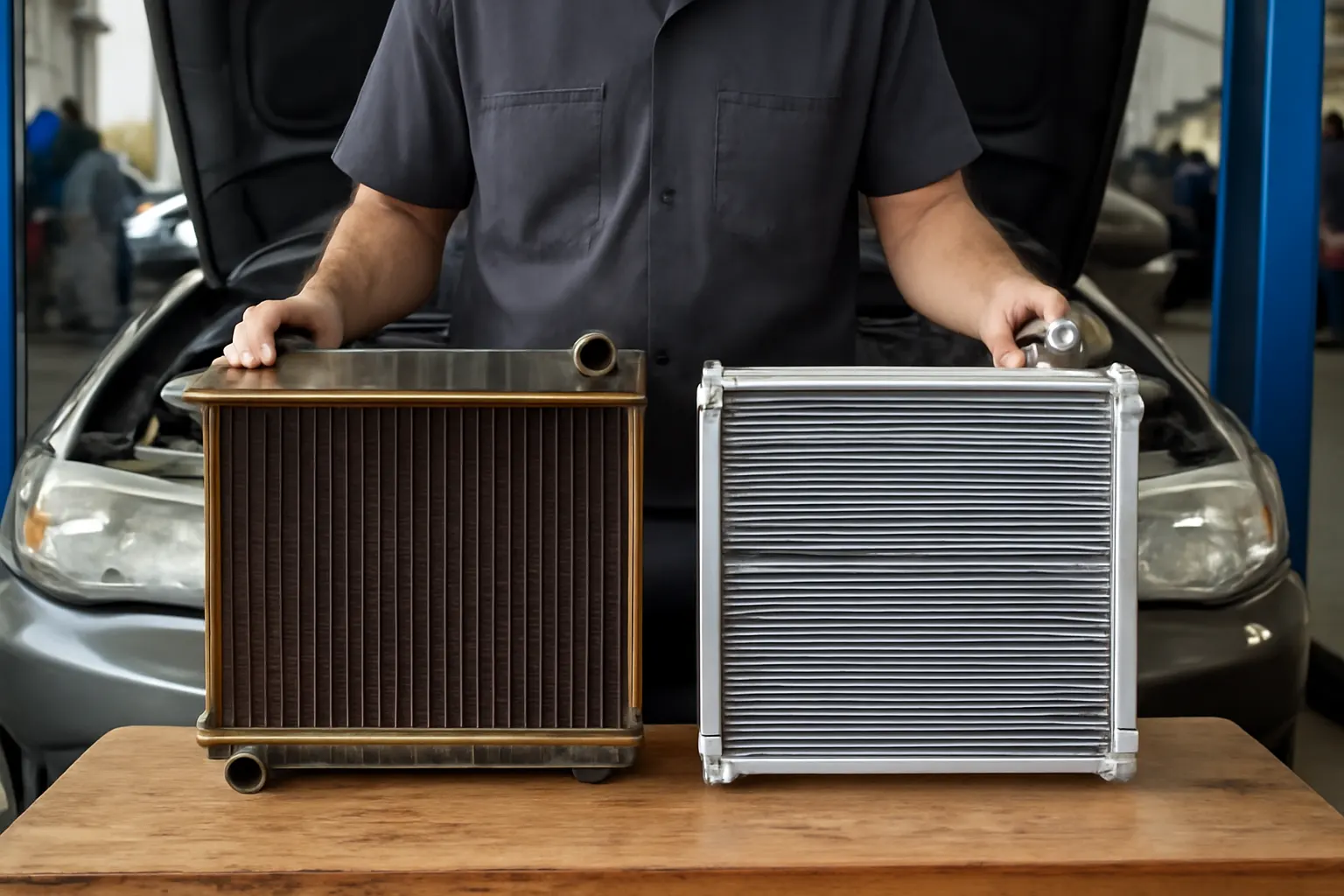
The choice of radiator material—copper-brass, aluminum, or hybrid—directly affects engine cooling performance, weight, corrosion resistance, cost, and ease of repair. Copper-brass radiators, once the industry standard, offer excellent thermal conductivity and repairability but are heavier and more prone to corrosion. Modern aluminum radiators are lighter, more corrosion-resistant, and enable compact, high-efficiency designs, aligning with today’s performance and fuel economy standards. Selecting the right radiator technology for your vehicle depends on application, budget, and longevity expectations.
The Hidden Problem: Underestimating Radiator Evolution Risks
Many owners and even some technicians overlook the critical impact radiator material has on vehicle performance, fuel efficiency, and long-term maintenance. Using outdated or incompatible materials can lead to:
- Overheating and engine damage
- Reduced fuel economy
- Costly corrosion and leaks
- Difficulties sourcing or repairing obsolete designs
- Compromised compliance with modern standards (such as those set by SAE International)
A lack of awareness about these issues can result in misdiagnosis, premature part failure, and unnecessary expenses—making informed radiator selection and maintenance more important than ever.
From Copper-Brass to Aluminum: A Timeline of Radiator Innovation
The Copper-Brass Era: Strengths and Limitations
Copper-brass radiators dominated automotive cooling from the earliest days of motoring through the 1980s. Their popularity stemmed from several key advantages:
- High Thermal Conductivity: Copper conducts heat nearly twice as efficiently as aluminum, allowing for rapid heat transfer from coolant to air.
- Ease of Repair: Soldered joints and robust materials made field repairs feasible, especially important in remote or motorsport settings.
- Customizability: Brass tanks and copper fins could be fabricated into various shapes for unique vehicle applications.
However, copper-brass radiators also presented notable drawbacks:
- Weight: Copper and brass are significantly heavier than aluminum, increasing overall vehicle mass and negatively impacting fuel efficiency (US Department of Energy).
- Corrosion Susceptibility: Exposure to road salts and moisture led to internal and external corrosion, reducing service life.
- Cost: Rising copper prices and labor-intensive soldering increased manufacturing costs.
The Aluminum Revolution: Lightweight and Efficient
By the late 1980s and early 1990s, automotive engineers sought lighter, more durable, and cost-effective solutions. Aluminum emerged as the material of choice due to several advantages:
- Lightweight Construction: Aluminum radiators weigh up to 60% less than comparable copper-brass units, directly improving fuel economy and handling (US Department of Energy).
- Corrosion Resistance: Aluminum forms a protective oxide layer, making it more resistant to corrosion and ideal for modern cooling system fluids.
- Manufacturing Advances: Brazed aluminum cores with plastic or aluminum tanks allow for automated, high-volume production and complex fin designs that maximize surface area and airflow.
- Compatibility with High-Pressure Systems: Aluminum radiators withstand higher pressures, supporting the increased operating temperatures of modern engines.
Despite these benefits, aluminum radiators have their own challenges:
- Repair Difficulty: Aluminum is harder to repair in the field; specialized welding or epoxy is often required.
- Potential for Electrolysis: Improper grounding or coolant chemistry can accelerate internal corrosion through electrolysis, especially in mixed-metal systems.
Technical Deep Dive: How Radiator Materials Impact Performance
Thermal Conductivity and Cooling Efficiency
Thermal conductivity is a radiator’s core performance metric. Copper’s superior conductivity (approximately 401 W/m·K) theoretically gives it an edge over aluminum (237 W/m·K). However, real-world efficiency depends on more than just material:
- Fin Density and Tube Design: Modern aluminum radiators use thinner tubes and denser fins, increasing surface area for heat exchange and offsetting lower conductivity.
- Airflow Dynamics: Aluminum’s lighter weight allows for larger, more efficient cores without excessive mass.
- Coolant Flow: Advanced aluminum radiators are designed for optimal coolant distribution, minimizing hotspots.
Weight Reduction and Vehicle Efficiency
Weight savings are critical for fuel economy and vehicle dynamics. According to the US Department of Energy, reducing vehicle weight by 10% can improve fuel economy by 6–8%. Aluminum’s lower density enables significant radiator weight reduction, especially important in front-heavy vehicles or those with tight packaging constraints.
Corrosion and Longevity
Corrosion is a leading cause of radiator failure. Copper-brass radiators are susceptible to both galvanic and chemical corrosion, particularly when exposed to modern, long-life coolants not formulated for older metals. Aluminum’s corrosion resistance, especially when paired with compatible coolants and proper maintenance, extends service life and reduces the risk of catastrophic leaks.
The Problem Expansion: Real-World Challenges in Radiator Selection
Compatibility with Modern Engines and Coolants
Modern engines operate at higher temperatures and pressures, demanding radiators that can withstand increased stress. Many older copper-brass radiators are not rated for the pressures found in today’s cooling systems. Furthermore, the shift to organic acid technology (OAT) and hybrid organic acid technology (HOAT) coolants can accelerate corrosion in copper-brass units if not properly matched.
Sourcing and Fitment Issues
As manufacturers transition to aluminum, copper-brass radiators are becoming harder to source, particularly for late-model vehicles. Aftermarket options may be limited, and fitment can be problematic if mounting points or hose connections differ. Conversely, classic car restorers may face challenges finding authentic copper-brass units or must rely on custom fabrication.
Repairability and Service Considerations
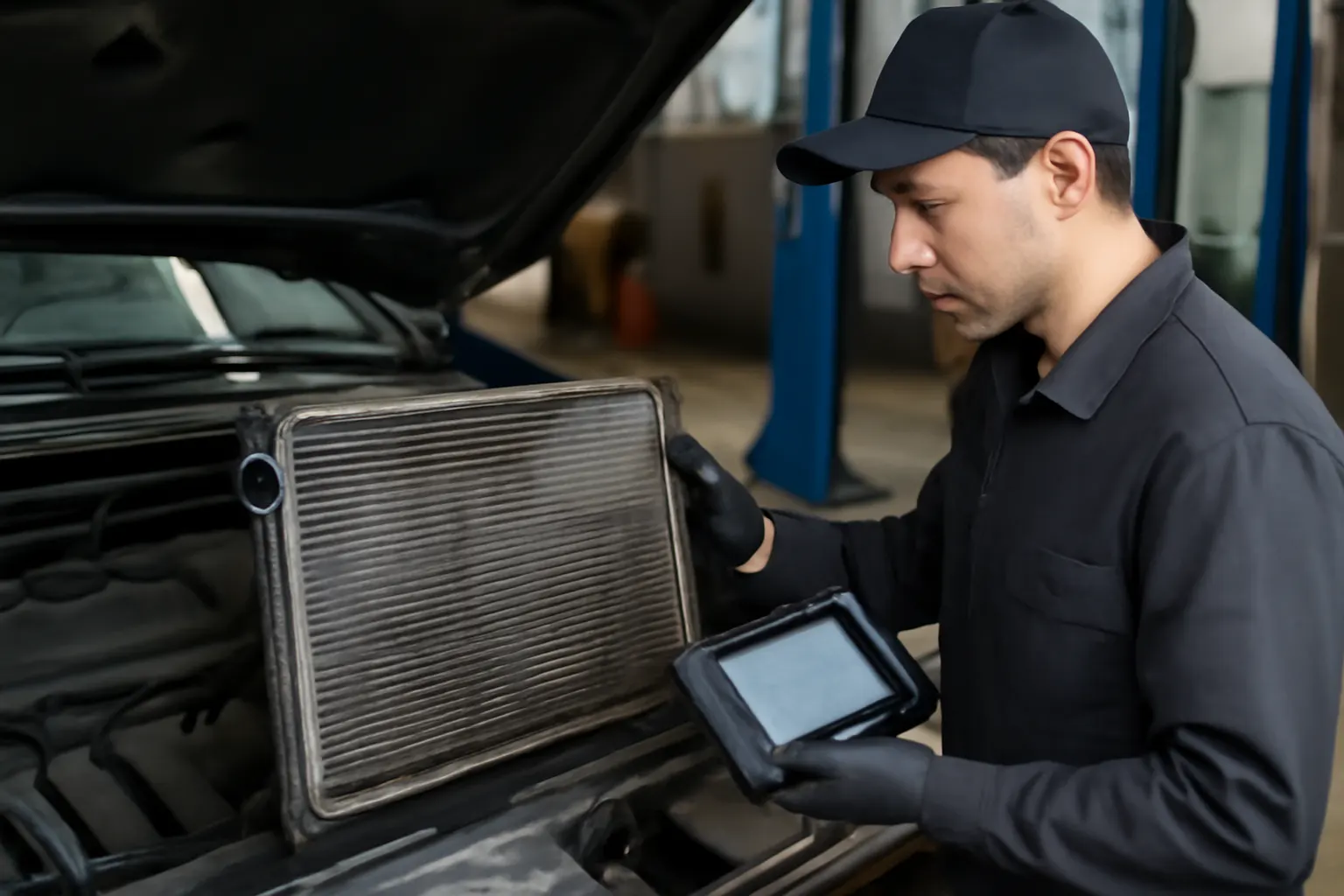
While copper-brass radiators can often be repaired with soldering, aluminum units typically require specialized TIG welding or epoxy. This difference affects roadside repair feasibility and long-term ownership costs. Additionally, plastic end tanks on many modern radiators are prone to cracking, necessitating entire radiator replacement rather than repair.
Solution Path: Diagnosing, Sourcing, and Maintaining the Right Radiator
Diagnostic Checklist: Is Your Radiator Up to the Task?
Use this checklist to assess whether your current radiator meets your vehicle’s needs:
| Diagnostic Step | Copper-Brass Radiator | Aluminum Radiator |
|---|---|---|
| Visual Inspection | Check for green/blue corrosion, leaks at soldered joints | Look for white powdery deposits, cracks in plastic tanks, or tube leaks |
| Pressure Test | Ensure system holds pressure (verify against vehicle spec) | Same as left, but note higher pressure ratings for modern systems |
| Coolant Compatibility | Use conventional (IAT) coolant; avoid OAT/HOAT unless specified | Use OAT/HOAT as specified by manufacturer |
| Weight and Fitment | Heavier; may affect handling in performance vehicles | Lighter; often requires different mounting brackets |
| Repairability | Solder leaks; replace core/tank as needed | TIG weld or epoxy for small leaks; replace if major damage |
If your radiator fails any of these checks, consult our Diagnosing Overheating: Is Your Radiator the Culprit? guide for further troubleshooting.
Sourcing the Right Radiator: What to Look For
When sourcing a replacement radiator, consider:
- Material Compatibility: Match radiator material to engine and coolant type. For modern vehicles, aluminum is typically required.
- OEM vs. Aftermarket: OEM radiators ensure fitment and compliance with manufacturer standards, but quality aftermarket options may offer improved cooling or durability.
- SAE Standards Compliance: Look for radiators tested to SAE International standards for pressure, vibration, and thermal cycling.
- Core Dimensions and Mounting: Confirm core size, thickness, and mounting point compatibility with your vehicle.
- Tank Material: Plastic tanks are common in OEM aluminum radiators, but all-aluminum units are available for performance or heavy-duty use.
Installation and Maintenance Best Practices
Proper installation and maintenance are crucial for radiator longevity:
- Flush the Cooling System: Always flush old coolant and debris before installing a new radiator to prevent contamination and corrosion.
- Use Compatible Coolant: Fill with the manufacturer-recommended coolant (IAT for copper-brass, OAT/HOAT for aluminum unless otherwise specified).
- Pressure Test After Installation: Ensure the system holds pressure and check for leaks at hose connections and tanks.
- Inspect Hoses and Clamps: Replace any worn or cracked hoses and use new clamps to prevent leaks.
- Monitor for Air Pockets: Bleed the cooling system to remove trapped air, which can cause overheating or hot spots.
- Regular Maintenance: Inspect the radiator and cooling system at every oil change, looking for signs of leaks, corrosion, or damage.
For a full installation walkthrough, see our Radiator Replacement: Step-by-Step DIY Guide.
Modern Radiator Designs: Beyond Material Choice
Multi-Row and High-Efficiency Cores
Advances in manufacturing have enabled the development of multi-row cores and high-efficiency fin designs. These innovations allow aluminum radiators to achieve or exceed the cooling capacity of older, heavier copper-brass units, even in demanding applications such as racing or towing.
Integrated Transmission and Oil Coolers
Many modern radiators incorporate built-in transmission or engine oil coolers, streamlining underhood packaging and improving reliability. These integrated designs require precise material compatibility and manufacturing tolerances—another reason why SAE standards are critical in radiator selection (SAE International).
Modular and Hybrid Radiators
Some manufacturers now offer hybrid radiators using aluminum cores with copper or brass tanks, aiming to balance conductivity, weight, and repairability. While less common, these units serve specialized needs in motorsport and heavy-duty applications.
Radiator Technology and Fuel Efficiency
The transition to aluminum radiators is closely linked to broader automotive trends in weight reduction and fuel economy. According to the US Department of Energy, every pound saved in vehicle weight translates to measurable gains in efficiency, reduced emissions, and improved handling. Modern radiators, as part of the vehicle’s overall lightweighting strategy, play a direct role in meeting stringent regulatory and performance targets.
Diagnosing Radiator Problems: Common Failure Modes by Material
Copper-Brass Radiator Failures
- Solder Joint Leaks: Often visible as greenish stains or coolant seepage.
- Core Corrosion: Internal rust or scale buildup, especially with incompatible coolants.
- Tank Separation: Soldered brass tanks can detach from the core due to vibration or stress.
Aluminum Radiator Failures
- Tube Leaks: Result from high-pressure spikes or manufacturing defects.
- Plastic Tank Cracking: Common in OEM units; often requires full replacement.
- Electrolysis Damage: Pitting inside tubes due to stray electrical currents, especially in poorly grounded vehicles.
Routine inspections and adherence to maintenance schedules are the best defense against these issues. For a comprehensive checklist, visit our Cooling System Maintenance Checklist.
Buying Guide: Choosing the Right Radiator for Your Vehicle
Key Factors to Consider
- Vehicle Application: Daily driver, classic restoration, motorsport, or heavy-duty use.
- Material Preference: Balance weight, repairability, and corrosion resistance.
- Budget: OEM replacements may be more expensive, but aftermarket units can offer performance upgrades at lower cost.
- Warranty and Support: Choose reputable brands with solid warranties and technical support.
- Installation Complexity: Consider whether installation is a DIY project or requires professional service.
Where to Buy
AutoPartEx offers a curated selection of radiators for all major vehicle makes, including Acura, AMC, and Alfa, with expert guidance on fitment and compatibility. Our parts meet or exceed SAE and OEM standards, ensuring reliable performance and long service life.
The Expert Action: Mastering Radiator Technology with AutoPartEx
Radiator technology has come a long way, but successful cooling system management requires more than just picking the right material. Expert technicians and serious enthusiasts should:
- Stay updated on SAE standards and manufacturer technical bulletins for evolving radiator requirements
- Use purpose-built diagnostic tools for pressure testing and leak detection
- Maintain meticulous records of coolant type, service intervals, and repairs
- Invest in quality replacement parts from trusted sources, such as AutoPartEx, to ensure fit, function, and durability
By understanding the interplay of materials, design, and maintenance, you can maximize vehicle performance, prevent costly breakdowns, and extend the life of your cooling system. For a deep dive into the full cooling system, explore our Radiator Systems: The Heart of Engine Cooling and Thermal Management section.