
Chevy Corvette Hood Latch Parts
Chevy Corvette Hood Latch: Selection, Diagnosis, and Evidence
Many Chevy Corvette owners overlook the hood latch until a problem arises, but understanding its role and the right steps for replacement can save time and hassle. This guide highlights what to consider before buying a new latch, how to approach diagnosis, and what published evidence actually supports about hood latch repairs for your Corvette.
Advertisement
84 Chevy Corvette Hood Latch Parts


Advertisement
More Hood Latch options for Chevy Corvette
Filtering for Chevy Corvette • Hood LatchBrowse nearby inventory for this model and category without leaving the page.
No Data Available
Please check back soon when more inventory is available for this part.
Advertisement
Why Hood Latch Condition Matters More Than You Think
It’s easy to take the hood latch on your Chevy Corvette for granted—until it stops working as expected. Most drivers rarely interact with this component, yet it plays a crucial role in safety and convenience. A faulty hood latch can lead to unexpected issues, from annoying rattles to serious safety concerns if the hood opens while driving. The hood latch isn’t just a simple catch; it’s a critical part of your Corvette’s front-end assembly, holding the hood securely closed and ensuring access for maintenance. Overlooking its condition can result in more than just inconvenience.
Many Corvette owners focus on high-performance upgrades or visible cosmetic improvements, but the hood latch is a less glamorous yet essential part of everyday reliability. If your hood doesn’t close or open smoothly, or if you notice the latch sticking or failing to engage, it’s time to pay attention. Early signs of latch wear often go unnoticed until they escalate into more serious problems. By understanding how this component works and the risks of neglect, you can avoid bigger headaches down the road.
Choosing the right replacement hood latch involves more than matching a part number. Differences in latch design, material quality, and fitment can impact both safety and the ease of future maintenance. Corvette models have evolved over the years, and not all latches are interchangeable. Before you buy or attempt a repair, it’s important to learn what to look for, how to confirm compatibility, and which sources provide reliable guidance. This article walks you through these overlooked but important steps, so you can make an informed decision for your Corvette.

Understanding Hood Latch Issues in the Chevy Corvette
The hood latch on a Chevy Corvette is subject to repeated stress every time the hood is opened and closed. Over years of use, the latch mechanism can develop problems such as sticking, failing to engage, or even breaking entirely. These issues can stem from worn springs, bent levers, or corrosion within the latch assembly. If left unaddressed, a malfunctioning latch can compromise the safety of your vehicle, as the hood may not stay securely closed during operation. Recognizing the signs of latch failure early is key to preventing more serious complications.
Symptoms of a failing hood latch can be subtle at first. You might notice increased resistance when pulling the release lever or hear unusual noises when closing the hood. In some cases, the hood may not close flush with the fenders, or it might pop open unexpectedly. These warning signs indicate that the latch is not functioning as intended, and continued use can accelerate wear or cause damage to adjacent components. Ignoring these symptoms can lead to more expensive repairs and potential safety risks.
Corvette owners sometimes assume that all hood latches are the same or that a generic replacement will suffice. However, differences in model years, body styles, and latch designs mean that not every latch will fit or function correctly. Using an incompatible part can result in improper hood alignment or unreliable locking. It’s essential to verify the specific requirements for your Corvette’s generation and trim level before purchasing a replacement latch. Consulting vehicle documentation and reputable sources can help clarify these differences.
Another challenge is distinguishing between a latch that needs adjustment and one that requires complete replacement. Sometimes, the issue may be due to misalignment of the hood or wear in the latch cable. A thorough inspection can reveal whether the latch itself is at fault or if related components are contributing to the problem. This diagnostic step is often overlooked, but it’s critical for choosing the right repair approach and avoiding unnecessary part replacements.
Environmental factors also play a role in hood latch longevity. Exposure to moisture, road salt, and temperature fluctuations can accelerate corrosion and weaken latch components. Corvettes that are driven year-round or stored outdoors may experience more rapid latch deterioration than those kept in controlled environments. Regular inspection and maintenance can help catch corrosion or wear before it leads to failure, but many owners are unaware of this preventive step.
Finally, there is the issue of safety recalls and manufacturer communications. While some vehicle models have experienced hood latch recalls due to safety concerns, not all Corvettes are affected. It’s important to check for any outstanding recalls using your vehicle’s VIN, as recommended by the National Highway Traffic Safety Administration (NHTSA). However, a recall lookup only confirms whether your specific vehicle is subject to a manufacturer-acknowledged defect; it does not diagnose individual latch problems or guarantee that a replacement part will resolve all issues. This distinction is crucial when planning your repair strategy.
Practical Steps for Diagnosing and Replacing Your Hood Latch
Start your hood latch repair process with a careful inspection. Open the hood and examine the latch mechanism for visible signs of wear, corrosion, or misalignment. Check the latch operation by slowly closing the hood and observing whether it catches securely. If the latch feels sticky or fails to engage, clean the assembly with a suitable lubricant and test again. Sometimes, debris or old grease can cause temporary sticking, which can be resolved with cleaning. However, persistent issues after cleaning often indicate internal wear or damage.
Next, assess the hood release cable and handle. A stretched or frayed cable can cause the latch to malfunction, even if the latch itself is in good condition. Pull the release lever and observe the movement of the cable at the latch end. If there is excessive slack or delayed response, the cable may need adjustment or replacement. Confirm that the cable is routed correctly and free of kinks or obstructions, as improper routing can hinder latch operation. Addressing cable issues can sometimes restore full latch function without replacing the latch itself.
If the latch assembly shows clear signs of damage—such as broken springs, bent levers, or severe corrosion—replacement is the safest option. When selecting a new hood latch, use your Corvette’s year, model, and trim level to verify compatibility. Avoid assuming that parts labeled “Corvette” will fit all generations; check manufacturer part numbers and compare the latch design to your original. Reputable sellers often provide detailed photographs and application charts to help confirm fitment. If in doubt, consult your owner’s manual or a trusted repair professional.
When purchasing a replacement latch, consider the type of part offered. New, remanufactured, and salvage (used) latches each have their pros and cons. New latches typically offer the longest service life and the latest design improvements, but may be more expensive. Remanufactured or rebuilt latches are refurbished to restore function, but quality can vary depending on the supplier. Salvage latches are removed from other vehicles and may show signs of prior use. The Federal Trade Commission (FTC) recommends asking about the source and condition of the part, and requesting a written repair estimate before proceeding FTC: Auto Repair Basics.
Installation of a new hood latch generally involves removing the old latch, cleaning the mounting area, and aligning the new latch according to manufacturer specifications. Follow any included instructions carefully, and use the correct hardware to avoid misalignment. After installation, test the latch multiple times to ensure smooth operation and secure engagement. Adjust the hood stops or latch position as needed to achieve proper fit. If you encounter difficulty during installation, seek assistance from a technician familiar with Corvette repairs.
Document the repair by keeping a copy of the purchase receipt, installation instructions, and any warranty information provided by the seller. The FTC advises obtaining a completed repair order listing the work performed, parts used, and associated costs FTC: Auto Repair Basics. This documentation can be valuable if issues arise later or if you need to verify the repair for resale or insurance purposes. Always clarify warranty coverage before completing the purchase, as policies vary between sellers and part types.
After replacing the hood latch, monitor its operation during routine use. Pay attention to any changes in hood alignment, latch engagement, or release lever feel. Regularly inspect the latch for signs of new wear or corrosion, especially if your Corvette is exposed to harsh weather or road conditions. Early detection of problems can prevent recurrence and extend the life of your new latch. Incorporate latch inspection into your regular maintenance routine, alongside checks of other critical components.
If you are unsure about any step in the diagnosis or replacement process, don’t hesitate to seek a second opinion. The FTC recommends consulting a technician with experience on your specific make and model FTC: Auto Repair Basics. A professional assessment can help avoid unnecessary part replacements and ensure that the repair addresses the root cause of the issue. Investing in expert advice upfront can save time, money, and frustration in the long run.
What Published Evidence Actually Establishes About Hood Latch Repairs
The National Highway Traffic Safety Administration (NHTSA) provides a comprehensive recall lookup tool that allows vehicle owners to check for open recalls using their VIN or by searching by year, make, and model NHTSA: Vehicle Recalls. This resource is valuable for identifying whether your specific Chevy Corvette is subject to a manufacturer-announced recall affecting the hood latch or related components. However, the NHTSA database does not confirm that every Corvette hood latch is defective, nor does it guarantee that a replacement part will resolve all issues. Instead, it provides general recall information and highlights the importance of checking for unresolved safety campaigns before proceeding with repairs.
According to the NHTSA, a recall is initiated when a manufacturer or the agency determines that a vehicle or component poses an unreasonable safety risk or fails to meet minimum safety standards NHTSA: Vehicle Recalls. Most recalls are voluntary, and manufacturers are required to notify registered owners and offer a remedy, typically at no cost. For the Chevy Corvette, checking the NHTSA database with your VIN is the most reliable way to determine if your vehicle’s hood latch is covered by an active recall. If no recall is listed, the absence of a recall does not mean the latch is immune to wear or failure; it simply means no widespread safety defect has been identified for your specific vehicle and component.
The NHTSA also clarifies that recall lookups by VIN will not display recalls that have already been repaired or those more than 15 years old, except in special cases NHTSA: Vehicle Recalls. This means that even if your Corvette had a hood latch recall in the past, the database may not show it if the repair was completed or if the recall is outdated. Owners should keep records of any past recall repairs and consult their service history when diagnosing latch issues. This helps distinguish between new problems and previously addressed defects, ensuring that repairs are targeted appropriately.
The Federal Trade Commission (FTC) offers general consumer advice for auto repairs, emphasizing the importance of obtaining a written repair estimate, understanding the type of replacement part being used, and verifying the technician’s experience with your vehicle make and model FTC: Auto Repair Basics. While the FTC does not provide Corvette-specific technical data, its guidance is directly relevant to hood latch repairs. For example, the FTC recommends comparing shop recommendations with the manufacturer’s maintenance schedule and asking for clarification if additional services are proposed. This approach helps ensure that repairs are necessary and that parts are selected appropriately for your Corvette.
The FTC distinguishes between new, remanufactured, and salvage parts, noting that salvage parts are removed from other vehicles without alteration FTC: Auto Repair Basics. This distinction is important when choosing a replacement hood latch for your Corvette. New parts may offer the greatest reliability, while remanufactured or salvage latches can be more affordable but may vary in quality. The FTC advises getting warranty terms in writing, as there is no standard warranty for repairs. This means buyers should ask sellers about return policies and coverage before purchasing a latch, especially if opting for a used or rebuilt part.
Neither the NHTSA nor the FTC provides technical specifications, service intervals, or documented failure rates for the Chevy Corvette hood latch. As a result, owners must rely on direct inspection, comparison of part numbers, and consultation with qualified repair professionals to confirm fitment and suitability. The absence of published statistics or case studies means that buyers should exercise caution when interpreting anecdotal reports or seller claims. Instead, focus on gathering concrete evidence of compatibility and condition before committing to a purchase or repair.
In summary, published evidence supports a careful, evidence-based approach to hood latch repairs on the Chevy Corvette. Use the NHTSA recall database to check for unresolved safety issues, follow FTC guidance for repair documentation and part selection, and consult experienced technicians when needed. While no source guarantees a particular repair outcome, these resources provide a solid foundation for making informed decisions and minimizing the risk of unnecessary or ineffective repairs.
Take the Next Step Toward a Reliable Hood Latch Repair
If you’re ready to address a hood latch issue on your Chevy Corvette, start by confirming your vehicle’s recall status using the NHTSA database and gathering detailed information about your model and year. Carefully inspect your current latch and related components, and compare available replacement options for compatibility and warranty coverage. Consult trusted repair professionals for advice if needed, and document your repair for future reference. By following these steps and relying on published evidence, you can ensure a safe, effective, and lasting hood latch repair for your Corvette.
References
- NHTSA: Vehicle Recalls
- FTC: Auto Repair Basics
References
- NHTSA: Vehicle Recalls - NHTSA, accessed 2026-11-01
- FTC: Auto Repair Basics - FTC, accessed 2026-11-01
Related Guides & Articles

How to Spot Counterfeit Chevy Parts
Counterfeit Chevy parts can jeopardize your vehicle's safety, reliability, and performance. Whether you're shopping for a replacement alternator, brake pads, or sensors, identifying fakes before you buy is crucial. This guide delivers immediate visual clues, packaging tips, and real-world examples to help you confidently distinguish genuine from counterfeit Chevy components—protecting both your investment and your safety.
Read More
Chevy Service Intervals Explained
Build a Chevrolet maintenance plan from the correct owner’s manual, service history and dashboard messages. Learn how oil-life reminders differ from oil-pressure warnings, how mileage and elapsed time affect a service decision, and why gasoline and electric vehicles need different schedules. Use the checklist to discuss a clear, itemized plan with your repairer.
View Guide
Toyota Hood Latch Oem Vs Aftermarket
OEM Toyota Hood Latches are engineered, tested, and manufactured to Toyota’s original specifications, ensuring optimal fit, finish, and safety compliance. They are supplied under Toyota part numbers, often with a record of part number supersessions for various model years. Aftermarket Hood Latches are produced by third-party manufacturers and may vary in design, materials, and quality. While many are direct-fit replacements, some may lack the precise tolerances, corrosion resistance, or safety certifications of genuine Toyota components.
Read More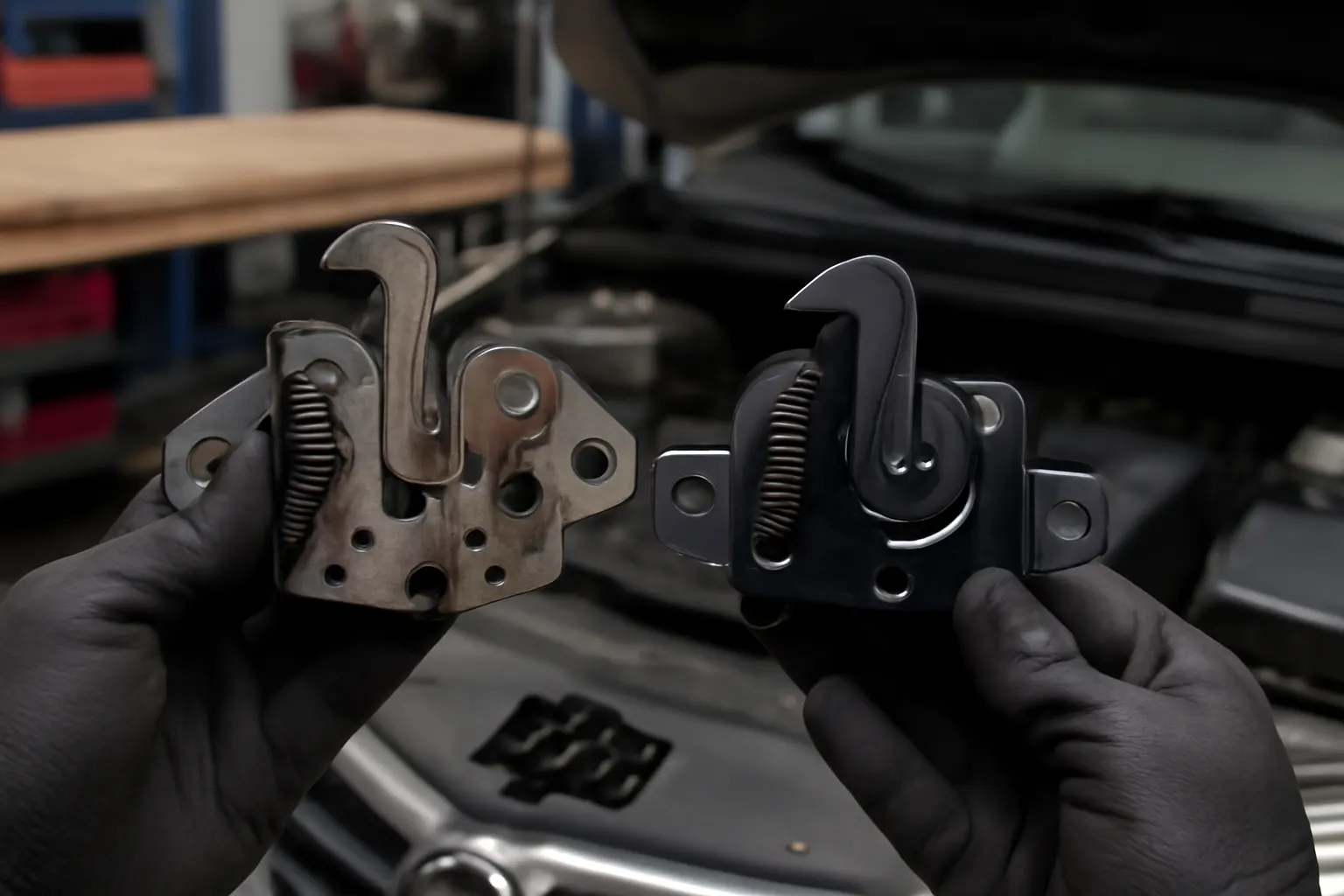
OEM vs Aftermarket Hood Latches: What You Need to Know
When it comes to replacing a hood latch, the decision between OEM (Original Equipment Manufacturer) and aftermarket options can be more significant than many drivers realize. The hood latch is a critical safety component that ensures your vehicle’s hood remains securely closed during operation—failure can result in catastrophic safety hazards.
Read More