
Chevy Corvette Engine Cradle Parts
Chevy Corvette Engine Cradle: Selection and Evidence Guide
When considering major structural repairs on a Chevy Corvette, the engine cradle often goes overlooked—yet its condition can determine the safety and longevity of your vehicle. Whether you’re restoring a classic or maintaining a daily driver, understanding how to evaluate and select the right engine cradle is crucial. This guide walks through practical steps, supported by published evidence, to help you make an informed decision.
Advertisement
367 Chevy Corvette Engine Cradle Parts


Advertisement
More Engine Cradle options for Chevy Corvette
Filtering for Chevy Corvette • Engine CradleBrowse nearby inventory for this model and category without leaving the page.
No Data Available
Please check back soon when more inventory is available for this part.
Advertisement
Why Engine Cradle Condition Matters More Than You Think
Many Chevy Corvette owners focus on visible performance upgrades or routine maintenance, often overlooking the engine cradle’s critical role. The engine cradle is the structural framework that supports the engine and transmission, connecting them securely to the chassis. Its integrity directly affects vehicle alignment, handling, and even crash safety. Yet, because it’s hidden beneath the vehicle, problems can go unnoticed until they become severe or lead to costly repairs.
The engine cradle’s exposure to road debris, moisture, and corrosive agents means it can deteriorate over time, especially in regions with harsh winters or salted roads. Rust, cracks, or deformation may compromise the cradle’s strength, leading to subtle handling issues or, in extreme cases, catastrophic engine support failure. Owners who only address surface-level symptoms risk missing these deeper structural concerns.
Addressing engine cradle health isn’t just about preventing breakdowns; it’s about preserving the Corvette’s performance and structural integrity. Ignoring this component can result in misdiagnosed suspension or drivetrain issues, wasted repair costs, or even safety hazards. Recognizing the cradle’s importance is the first step toward smarter, safer Corvette ownership.

Understanding Engine Cradle Risks in the Chevy Corvette
The Chevy Corvette’s performance pedigree demands that every structural component functions flawlessly. The engine cradle, sometimes referred to as a subframe or crossmember, is tasked with supporting not only the engine and transmission but also absorbing and distributing dynamic loads from acceleration, braking, and cornering. If the cradle is compromised, it can introduce a cascade of problems affecting drivability and safety.
Common issues with engine cradles include corrosion, metal fatigue, and impact damage. Corrosion is particularly insidious, as it often starts internally or in hidden areas, progressing until the metal’s strength is significantly reduced. Fatigue cracks can develop over time, especially in vehicles subjected to high-performance driving or rough road conditions. Impact damage may result from collisions or improper lifting during service.
Symptoms of engine cradle problems can be subtle. Owners might notice vague steering, uneven tire wear, clunking noises, or shifting engine positions. These symptoms are easily mistaken for suspension or alignment issues, leading to ineffective repairs if the cradle is not inspected. In some cases, a failing cradle can cause alignment settings to drift, making it impossible to maintain proper handling.
The complexity of the Corvette’s design means that engine cradle replacement is not a trivial task. It requires careful selection of compatible parts, precise installation, and often, the transfer of suspension and drivetrain components. Missteps in this process can introduce new issues, such as improper fitment or compromised safety. That’s why understanding the cradle’s role and potential failure modes is essential before proceeding with repairs.
In the used parts market, engine cradles are often salvaged from donor vehicles. While this can provide cost savings, it also introduces variability in condition and compatibility. Salvage cradles may have hidden damage or corrosion, and not all sellers provide detailed inspection reports. Buyers must be diligent in evaluating the part’s history, visual condition, and any available documentation before making a purchase.
Finally, regulatory and safety considerations play a role in engine cradle selection. Recalls and defect investigations, as tracked by agencies like the NHTSA, can inform buyers about known issues affecting specific model years or components. However, a recall database does not guarantee that a particular vehicle or part is affected or covered. Owners must use these resources as part of a broader evaluation process, not as definitive proof of defect or suitability.
How to Select and Evaluate a Replacement Engine Cradle
Selecting the right engine cradle for your Chevy Corvette involves more than matching part numbers. Begin by confirming the exact year, model, and trim of your Corvette, as cradle designs can vary significantly between generations and even within the same production year. Use your vehicle’s VIN to verify compatibility when consulting with sellers or searching databases. This step helps avoid costly returns or installation setbacks.
Inspect the replacement cradle thoroughly, whether new or salvaged. Look for signs of corrosion, cracks, or previous repairs, especially in mounting points and welds. If purchasing from a salvage yard or online marketplace, request high-resolution photographs from multiple angles. Some sellers provide inspection reports or documentation on the donor vehicle’s mileage and accident history, which can be valuable in assessing part longevity.
Ask the seller about the cradle’s origin. Salvage cradles, as defined by the FTC, are taken from another vehicle without alteration. While this can be cost-effective, it also means the part’s history is not always transparent. Compare the condition and price of salvage cradles to new or remanufactured options, weighing the trade-offs in terms of cost, expected lifespan, and potential for hidden defects. Always request a written repair estimate or purchase agreement detailing the part’s condition and any return policy.
When installing the cradle, ensure that all mounting hardware and bushings are in good condition or replaced as needed. The cradle must be torqued to manufacturer specifications to maintain structural alignment. If you are not experienced with suspension and drivetrain disassembly, consider hiring a technician with specific Corvette experience. The FTC recommends confirming the technician’s familiarity with your make and model to avoid installation errors that could compromise safety or performance.
After installation, have a professional alignment performed. Even minor deviations in cradle positioning can affect suspension geometry and tire wear. Request a completed repair order listing all work performed, parts used, and odometer readings, as advised by the FTC. This documentation is essential for future maintenance and can support warranty claims or resale value.
Monitor for any post-installation issues, such as new noises, changes in handling, or fluid leaks. These could indicate improper installation or an undetected defect in the replacement cradle. If problems arise, seek a second opinion before authorizing additional repairs. The FTC suggests comparing shop recommendations with the manufacturer’s maintenance schedule and asking for justification if extra services are proposed.
Stay informed about recalls or defect investigations relevant to your Corvette’s engine cradle. The NHTSA provides a searchable database by VIN or model year, but recall coverage is not universal. Some recalls may not apply to all vehicles, and not all defects are subject to recall. Register your vehicle with the manufacturer and check for updates periodically to ensure you receive any safety notifications.
Finally, keep all documentation related to the cradle replacement, including photographs, invoices, and correspondence with sellers or repair shops. This record can be invaluable if issues arise later or if you decide to sell the vehicle. Transparency about major structural repairs builds trust with future buyers and helps maintain your Corvette’s value.
Published Evidence and Consumer Guidance for Engine Cradle Replacement
The Federal Trade Commission’s guidance on auto repair practices provides foundational advice for consumers navigating complex repairs like engine cradle replacement. According to the FTC, it’s essential to obtain a written repair estimate that identifies the condition to be repaired, the specific parts needed, and anticipated labor charges. This approach helps Corvette owners avoid misunderstandings and ensures that both the part and labor are clearly documented before work begins. The FTC also recommends comparing shop recommendations to the manufacturer’s maintenance schedule and seeking a second opinion for expensive or complicated repairs—a prudent step given the engine cradle’s critical role in vehicle safety and performance FTC: Auto Repair Basics.
The FTC distinguishes between new, remanufactured, and salvage parts, noting that salvage parts come from another vehicle without alteration. For Corvette owners considering a salvage engine cradle, this means the part’s condition and history are especially important. The FTC does not guarantee the fitment or performance of salvage parts, nor does it imply any standard warranty. Buyers are advised to request detailed information about the part’s origin, condition, and any available warranty coverage in writing before purchase. This guidance underscores the need for due diligence when selecting a used engine cradle FTC: Auto Repair Basics.
The National Highway Traffic Safety Administration (NHTSA) offers a recall lookup tool that enables vehicle owners to check for open recalls by VIN or model year. While this resource is valuable for identifying known safety defects, it does not confirm that a particular Chevy Corvette or engine cradle is subject to a recall. The NHTSA database provides general recall, investigation, and complaint information, but recall coverage may vary by vehicle and is not comprehensive for all parts or manufacturers. Owners should use this tool as part of a broader evaluation process, not as definitive proof of defect or eligibility for free repairs NHTSA: Vehicle Recalls.
NHTSA’s recall process involves multiple steps, including screening of complaints, investigation, and recall management. If a safety-related defect is identified in a particular component, such as an engine cradle, the manufacturer is required to notify owners and offer a remedy. However, most recall decisions are made voluntarily by manufacturers, and not all defects result in a recall. The NHTSA monitors the effectiveness of recalls but does not guarantee that every affected part will be covered or that all VINs will be immediately identified. This means Corvette owners must remain proactive in monitoring recall information and should not assume coverage based solely on model or part type NHTSA: Vehicle Recalls.
The FTC’s recommendation to get a completed repair order listing all work performed, parts used, and odometer readings is particularly relevant for engine cradle replacement. This documentation provides a clear record of the repair, which can be useful for warranty claims, resale, or future maintenance. The FTC also advises consumers to understand the coverage and terms of any warranty offered on parts or labor, as there is no standard warranty for repairs. This highlights the importance of clarifying warranty terms with the seller or repair shop before authorizing work FTC: Auto Repair Basics.
Neither the FTC nor NHTSA provides technical specifications or detailed fitment data for specific engine cradles. Instead, they offer consumer protection frameworks and general best practices for repair and part selection. Corvette owners must therefore rely on a combination of manufacturer documentation, seller-provided information, and independent inspection to ensure compatibility and quality. When in doubt, consulting a technician with experience in Corvette repairs can help bridge the gap between general consumer guidance and the specific requirements of your vehicle FTC: Auto Repair Basics.
In summary, published evidence from the FTC and NHTSA supports a cautious, documentation-driven approach to engine cradle replacement. While these agencies provide valuable consumer protection resources, they do not guarantee part compatibility, repair outcomes, or warranty coverage for specific Chevy Corvette models. Owners should use these resources to inform their decision-making, supplementing them with thorough inspection, clear documentation, and professional expertise as needed NHTSA: Vehicle Recalls, FTC: Auto Repair Basics.
Take the Next Step Toward a Reliable Corvette Repair
If you’re considering an engine cradle replacement for your Chevy Corvette, start by gathering your vehicle’s VIN and researching compatible parts. Request detailed photographs and documentation from sellers, and consult with a technician experienced in Corvette repairs. Use trusted resources like the NHTSA recall database and FTC repair guidelines to inform your decisions, but rely on direct inspection and documentation for final verification. For more information, explore our dedicated Chevy Corvette Engine Cradle page or contact a reputable repair professional to ensure your Corvette remains safe, strong, and ready for the road ahead.
References
- NHTSA: Vehicle Recalls
- FTC: Auto Repair Basics
References
- NHTSA: Vehicle Recalls - NHTSA, accessed 2026-11-01
- FTC: Auto Repair Basics - FTC, accessed 2026-11-01
Related Guides & Articles

How to Spot Counterfeit Chevy Parts
Counterfeit Chevy parts can jeopardize your vehicle's safety, reliability, and performance. Whether you're shopping for a replacement alternator, brake pads, or sensors, identifying fakes before you buy is crucial. This guide delivers immediate visual clues, packaging tips, and real-world examples to help you confidently distinguish genuine from counterfeit Chevy components—protecting both your investment and your safety.
Read More
Chevy Service Intervals Explained
Build a Chevrolet maintenance plan from the correct owner’s manual, service history and dashboard messages. Learn how oil-life reminders differ from oil-pressure warnings, how mileage and elapsed time affect a service decision, and why gasoline and electric vehicles need different schedules. Use the checklist to discuss a clear, itemized plan with your repairer.
View Guide
Engine Cradle Installation Tips
Installing a Toyota engine cradle—also known as a subframe—is a critical job that directly affects vehicle safety, ride quality, and drivetrain alignment. Whether you’re a seasoned technician or an advanced DIYer, understanding the right procedures, torque specifications, and alignment steps is essential for a safe, durable, and efficient installation. In this comprehensive guide, the AutoPartEx Technical Editorial Team delivers expert installation tips, discusses common pitfalls, and provides a detailed checklist to ensure your Toyota engine cradle installation is performed to the highest standards.
Read More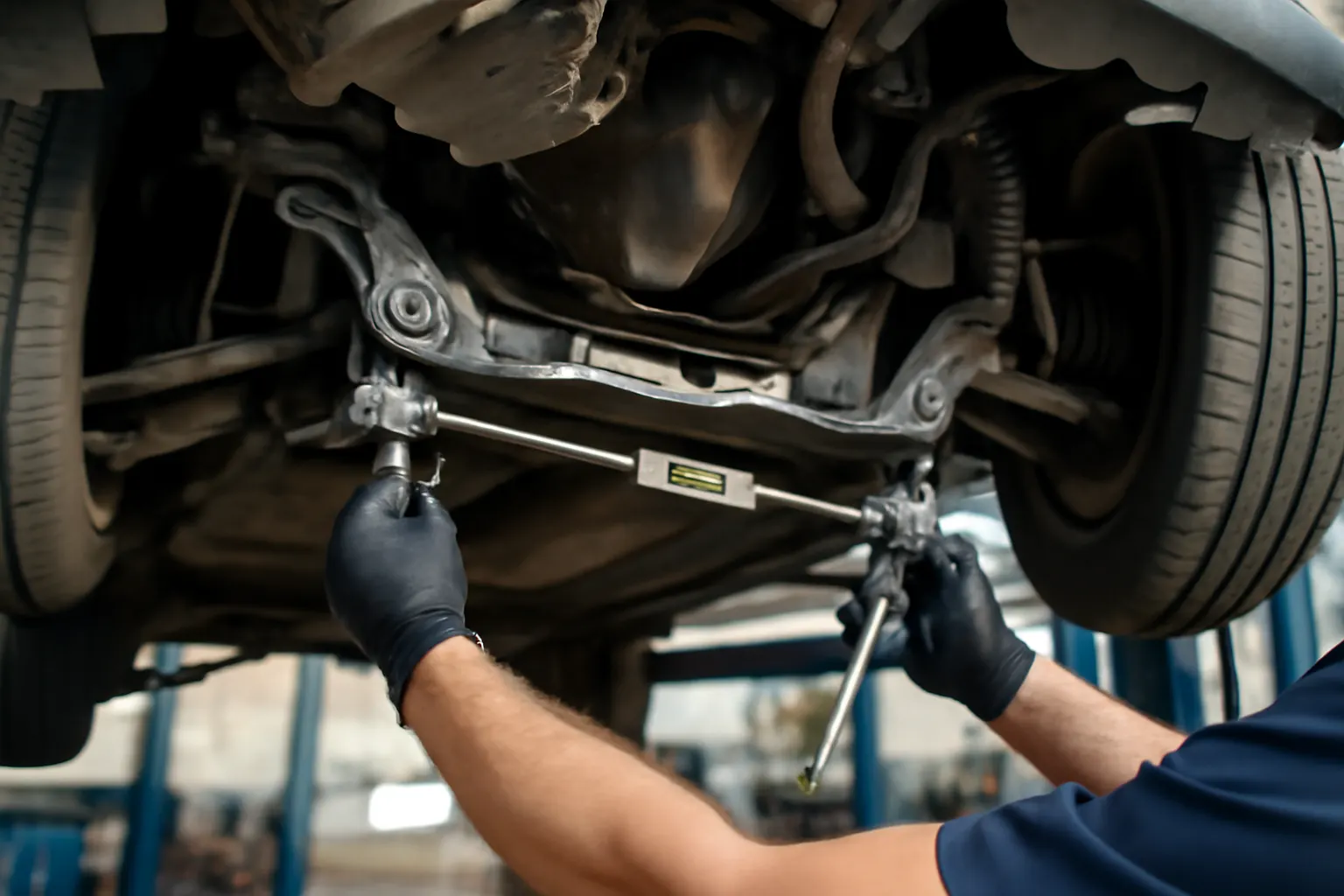
Why Engine Cradle Alignment Matters for Suspension and Steering
Engine cradle alignment is not just a technical detail—it’s a foundational element for maintaining precise suspension geometry and responsive steering in modern vehicles. When the engine cradle (or subframe) is properly aligned, it ensures that all connected suspension and steering components operate as designed, delivering optimal handling, safety, and tire wear. Conversely, misalignment can unleash a cascade of issues, from poor steering response to accelerated component wear and compromised safety.
Read More