
BMW 128i Alternator Parts
BMW 128i Alternator: Selection, Diagnosis, and Evidence
Alternator issues in the BMW 128i rarely announce themselves in obvious ways, often leaving owners puzzled by subtle electrical symptoms. Recognizing the overlooked signals and understanding the alternator’s role is crucial before deciding on a replacement. This guide explores what sets alternator problems apart, how to approach diagnosis, and the evidence supporting each step, empowering you to make informed decisions about your BMW 128i’s charging system.
Advertisement
6 BMW 128i Alternator Parts


Advertisement
More Alternator options for BMW 128i
Filtering for BMW 128i • AlternatorBrowse nearby inventory for this model and category without leaving the page.
No Data Available
Please check back soon when more inventory is available for this part.
Advertisement
Why Alternator Issues in the BMW 128i Are Often Overlooked
Most BMW 128i owners focus on obvious warning lights or battery problems, rarely considering the alternator until a breakdown occurs. However, subtle signs of alternator trouble can emerge long before complete failure. These include dimming headlights, erratic electrical behavior, or unexplained battery drain. Overlooking these early indicators can lead to more costly repairs and inconvenient roadside emergencies. Recognizing the alternator’s role in your BMW’s electrical system is essential to prevent being caught off guard by a silent but critical component.
A common misconception is that a new battery solves all electrical issues. In reality, the alternator is responsible for charging the battery and powering electrical systems while the engine runs. If the alternator underperforms, even a brand-new battery will eventually lose its charge. This misunderstanding can lead to repeated battery replacements without addressing the underlying problem. Owners who only react to a dead battery may miss the opportunity for a simpler, earlier fix.
Alternator problems can also be masked by other electrical symptoms, such as flickering dashboard lights or intermittent accessory failures. These issues are often misattributed to fuses, wiring, or the battery itself. By the time the alternator is identified as the culprit, additional components may have suffered from low voltage or irregular current. Early attention to the alternator’s health can save both time and money, making it a vital but frequently overlooked element in BMW 128i maintenance.

Understanding the BMW 128i Alternator’s Role and Failure Patterns
The alternator in the BMW 128i is more than just a battery charger—it is the heart of the vehicle’s electrical system. It generates electricity to run all electrical accessories and keeps the battery at optimal charge. When the alternator begins to fail, the entire charging system is compromised, leading to cascading electrical issues. These can range from minor annoyances, like dim interior lights, to critical failures such as engine stalling or loss of power steering. Recognizing the alternator’s central function is key to diagnosing and preventing broader electrical problems.
Alternator failures rarely happen suddenly. Instead, they typically develop over time as internal components wear out. In the BMW 128i, slip rings—also known as collector rings—are part of the rotor and allow electrical field currents to pass through while rotating. Wear or contamination of these slip rings can reduce alternator output, causing inconsistent charging and unpredictable electrical behavior. Owners who are unaware of these gradual changes may not associate them with alternator health until a major malfunction occurs.
Other factors can accelerate alternator wear in the BMW 128i. High electrical demand from aftermarket accessories, frequent short trips, or harsh driving conditions can all put additional strain on the charging system. Over time, this can lead to increased heat and mechanical stress on alternator components, hastening their decline. Understanding these contributing factors helps owners recognize when their driving habits may be affecting alternator longevity.
It is also important to distinguish alternator problems from other electrical faults. For example, a failing battery, corroded terminals, or a faulty voltage regulator can mimic alternator symptoms. This overlap can complicate diagnosis, especially if multiple issues develop simultaneously. A systematic approach to troubleshooting is necessary to avoid unnecessary part replacements and ensure the true cause is addressed.
Owners may encounter conflicting advice when seeking help for electrical issues. Some repair shops may recommend immediate alternator replacement based on symptoms alone, while others may suggest further testing. The Federal Trade Commission (FTC) advises consumers to obtain a written repair estimate and consider a second opinion for complex repairs. This helps ensure that the recommended solution is based on evidence rather than guesswork, reducing the risk of unnecessary expenses FTC: Auto Repair Basics.
Finally, it is worth noting that not all alternator problems are covered by recalls or manufacturer campaigns. The National Highway Traffic Safety Administration (NHTSA) provides a recall lookup tool, but this only identifies open recalls for specific vehicles based on VIN or license plate. General recall information for the BMW 128i does not guarantee that your vehicle—or its alternator—is affected by a known defect. Owners should use this tool as a supplement to, not a replacement for, thorough diagnosis NHTSA: Vehicle Recalls.
Practical Steps for Selecting and Diagnosing a BMW 128i Alternator
A careful, step-by-step approach is essential when addressing potential alternator issues in your BMW 128i. Begin with a thorough visual inspection of the charging system, as recommended by Denso, a leading alternator manufacturer. This includes checking for loose or corroded battery terminals, damaged wiring, and obvious signs of wear on the alternator housing or pulley. A clean and secure electrical connection is vital for accurate testing and reliable operation [https://www.densoautoparts.com/charging-system-diagnosis/].
Before focusing on the alternator itself, always perform a performance test of the battery. A weak or failing battery can produce symptoms similar to alternator problems, such as slow cranking or dim lights. By confirming the battery’s condition first, you can avoid replacing a functional alternator unnecessarily. Use a digital multimeter to measure battery voltage with the engine off and running; significant drops may indicate charging issues rather than battery failure [https://www.densoautoparts.com/charging-system-diagnosis/].
Next, conduct a charging system test with the engine running. Measure the voltage at the battery terminals; a healthy alternator should produce between 13.5 and 14.5 volts under normal conditions. If the voltage is below this range, the alternator may not be providing sufficient charge. Conversely, excessively high voltage can indicate a faulty voltage regulator, which may be integrated into the alternator assembly on some BMW 128i models.
If test results suggest alternator trouble, develop a diagnostic plan before proceeding with repairs. Denso emphasizes the importance of planning to ensure that all potential causes are considered and addressed systematically. This may involve checking the alternator’s slip rings, brushes, and internal bearings for wear or damage. In some cases, specialized diagnostic tools can be used to test alternator output and identify specific component failures [https://www.densoautoparts.com/reference-charging-system-troubleshooting/].
When selecting a replacement alternator, consider whether a new, remanufactured, or salvage part best fits your needs. The FTC distinguishes between these options: new parts are unused, remanufactured or rebuilt parts have been restored to working condition, and salvage parts are taken from another vehicle without alteration. Each has its own advantages and potential drawbacks in terms of cost, reliability, and warranty coverage FTC: Auto Repair Basics.
Ask your repair shop or seller about the origin and condition of the alternator being offered. For expensive or complicated repairs, the FTC recommends seeking a second opinion and ensuring that the technician has experience with your specific make and model. Request a written repair estimate that details the condition to be repaired, required parts, and anticipated labor charges. This documentation helps prevent misunderstandings and provides recourse if problems arise later FTC: Auto Repair Basics.
After installation, obtain a completed repair order listing the work performed, parts used, costs, and odometer readings. This record is important for future reference and warranty claims, especially if you have chosen a remanufactured or salvage alternator. Keep in mind that there is no universal warranty on repairs, so clarify any coverage with the seller and get it in writing. Following the manufacturer’s maintenance schedule, as outlined in your owner’s manual, can help prevent future alternator issues and extend the life of your charging system.
If you are considering a used alternator, such as one from a salvage yard, request information about the donor vehicle’s mileage, service history, and any available testing results. Visual inspection for corrosion, worn slip rings, or damaged connectors can provide clues about the alternator’s condition. Compare multiple options and ask why a particular part is recommended over others. This evidence-based approach ensures that your replacement alternator meets the needs of your BMW 128i and reduces the risk of premature failure.
What the Published Evidence Establishes About BMW 128i Alternator Service
Bosch, a major alternator manufacturer, explains that slip rings—also called collector rings—are a critical part of the alternator rotor, allowing electrical field currents to pass through while rotating. This detail is directly relevant to the BMW 128i, as worn or contaminated slip rings can reduce alternator output and cause erratic charging. The Bosch source does not specify BMW models or years, but it establishes the general importance of slip rings in alternator function and highlights a potential failure point that should be checked during diagnosis [https://www.boschautoparts.com/w/how-it-works-alternator-slip-rings-or-collector-rings].
Denso, another leading alternator manufacturer, emphasizes the necessity of performing a visual inspection and battery performance test before inspecting the charging system. This step is universally applicable and ensures that symptoms attributed to the alternator are not actually caused by a weak or failing battery. The Denso guidance does not mention the BMW 128i specifically, but it provides a critical procedural step that applies to all modern vehicles, including this model [https://www.densoautoparts.com/charging-system-diagnosis/].
Denso further advises that proper vehicle diagnosis requires a plan before starting. This means systematically considering all possible causes of charging system problems, rather than jumping to conclusions based on symptoms alone. The Denso reference is not model-specific, but its emphasis on diagnostic planning helps prevent unnecessary alternator replacements and ensures that the true cause of electrical issues is identified [https://www.densoautoparts.com/reference-charging-system-troubleshooting/].
The Federal Trade Commission (FTC) provides general consumer guidance on auto repairs, recommending that owners obtain a written repair estimate, ask about technician experience, and consider a second opinion for expensive or complex repairs. The FTC distinguishes new, remanufactured, and salvage parts, noting that salvage parts come from another vehicle without alteration. While this advice is not specific to the BMW 128i, it informs best practices for alternator selection and repair, helping buyers make informed decisions and avoid common pitfalls FTC: Auto Repair Basics.
The NHTSA recall lookup tool offers a way to check for open recalls on a specific BMW 128i by VIN or license plate. However, NHTSA’s documentation clarifies that searching by model alone provides only general recall information and does not confirm whether a particular vehicle or alternator is affected by a known defect. This means that while recall searches are useful, they are not a substitute for thorough diagnosis or evidence-based repair decisions NHTSA: Vehicle Recalls.
FTC guidance also underscores the importance of a completed repair order, which should list the work performed, parts used, costs, and odometer readings. This documentation is crucial for warranty claims and future reference, especially when using remanufactured or salvage alternators. The FTC does not guarantee the quality or fitment of any particular part, so it is up to the buyer to verify compatibility and coverage before making a purchase FTC: Auto Repair Basics.
None of the cited sources provide statistics, failure rates, or documented repair cases specific to the BMW 128i alternator. As a result, buyers should focus on comparing available parts, requesting evidence of condition and testing, and following published diagnostic steps. By relying on published technical guidance and consumer advice, owners can make informed choices and reduce the risk of unnecessary repairs or premature alternator failure.
Take the Next Step Toward Reliable Charging System Service
If you suspect alternator trouble in your BMW 128i, start with a careful inspection and battery test, then follow a systematic diagnostic plan. Use the evidence-based steps and consumer guidance outlined here to compare replacement options, verify part condition, and document your repair. For more details, explore the BMW 128i Alternator page or consult a trusted technician with experience on your specific model. Taking these steps now can help you avoid unexpected breakdowns and ensure your BMW’s electrical system remains dependable.
References
- https://www.boschautoparts.com/w/how-it-works-alternator-slip-rings-or-collector-rings
- https://www.densoautoparts.com/charging-system-diagnosis/
- https://www.densoautoparts.com/reference-charging-system-troubleshooting/
- NHTSA: Vehicle Recalls
- FTC: Auto Repair Basics
References
- https://www.boschautoparts.com/w/how-it-works-alternator-slip-rings-or-collector-rings - https, accessed 2026-11-01
- https://www.densoautoparts.com/charging-system-diagnosis/ - https, accessed 2026-11-01
- https://www.densoautoparts.com/reference-charging-system-troubleshooting/ - https, accessed 2026-11-01
- NHTSA: Vehicle Recalls - NHTSA, accessed 2026-11-01
- FTC: Auto Repair Basics - FTC, accessed 2026-11-01
Related Guides & Articles

Bmw 1 Series Service Intervals Article
The BMW 1 Series, and especially the 128i platform, demands a precise approach to service intervals to ensure longevity, peak performance, and safety. If you're seeking the definitive schedule for maintenance tasks—oil changes, brake fluid flushes, cooling system upkeep, and more—this deep dive covers every interval, what to check, and why following the right schedule matters.
Read More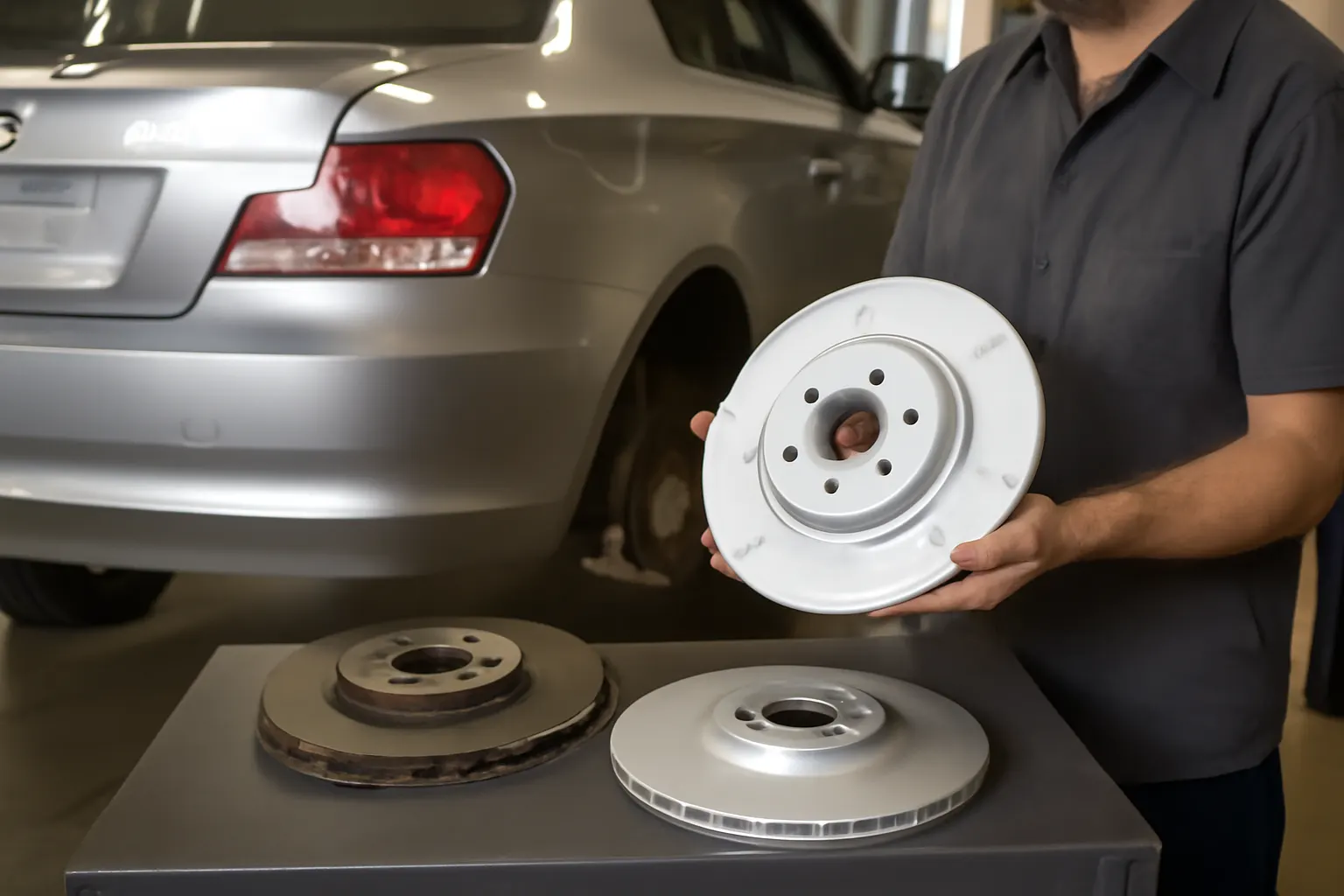
Bmw 128i Oe Vs Aftermarket
When maintaining or upgrading your BMW 128i, choosing between OE (Original Equipment) and aftermarket parts is a pivotal decision that impacts reliability, performance, and cost. This guide gives you a clear, technical comparison of OE and aftermarket options for the 128i, so you can ensure every repair delivers the fit, durability, and value your BMW deserves. For a broader look at model-specific parts and technical resources, visit the BMW 128i Auto Parts & Technical Resource Center.
Read More
Bmw 128i Cooling Guide
Beneath the hood, the BMW 128i’s cooling system is more complex than many realize. Unlike older models, the N52 uses an electric water pump, a thermally managed thermostat, and a plastic expansion tank. These components are engineered for efficiency but are notorious for their susceptibility to wear and failure, especially as the vehicle ages.
View Guide
Bmw 128i Vin Fitment
How do you guarantee the auto parts you order for your BMW 128i will fit the first time? The answer: always use your Vehicle Identification Number (VIN) to confirm part compatibility before buying. This guide details why VIN fitment is essential for the BMW 128i, how to decode your VIN, the hidden risks of skipping this step, and how to use VIN-based fitment tools to avoid costly mistakes.
View Guide