
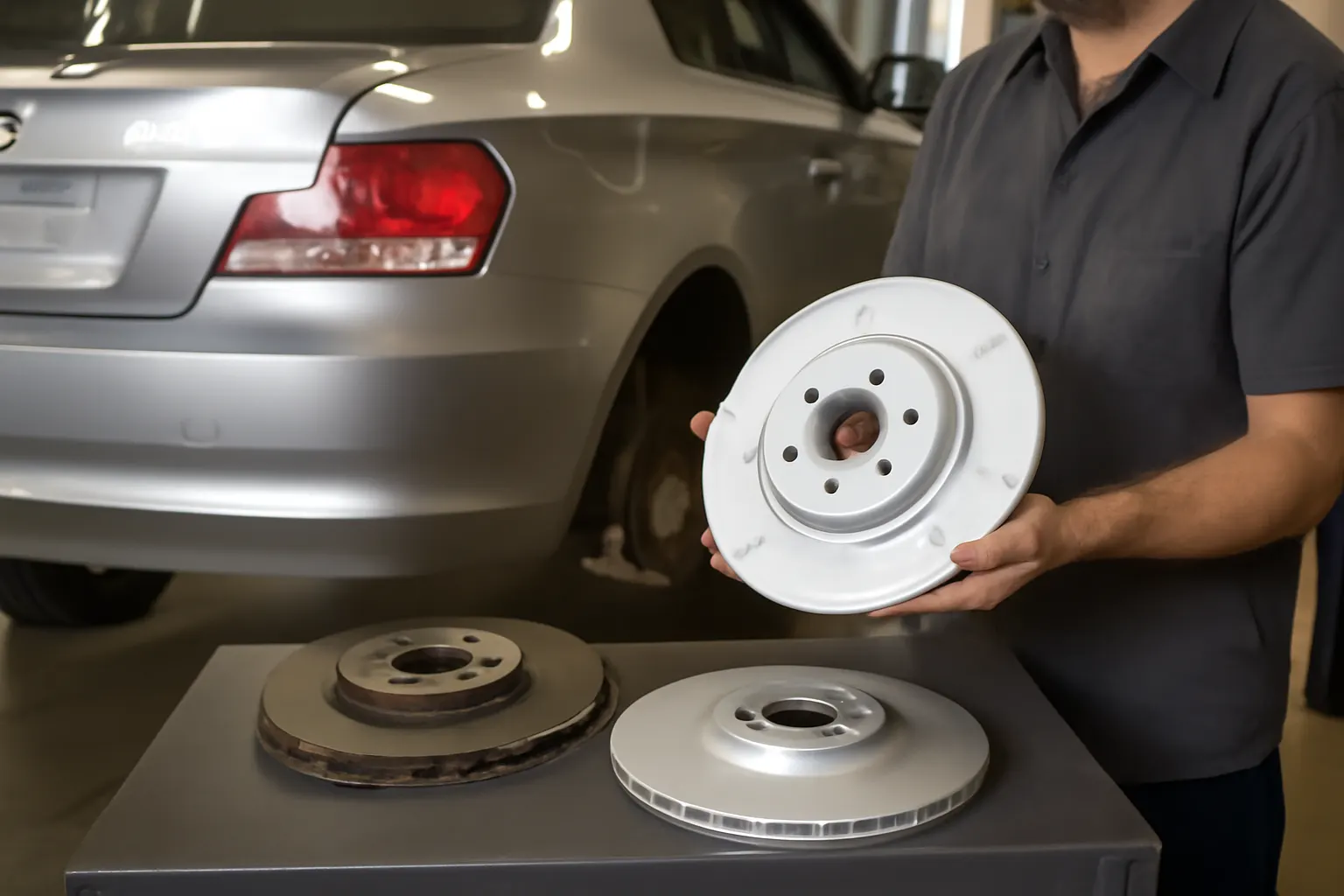
Bmw 128i Oe Vs Aftermarket
When maintaining or upgrading your BMW 128i, choosing between OE (Original Equipment) and aftermarket parts is a pivotal decision that impacts reliability, performance, and cost. This guide gives you a clear, technical comparison of OE and aftermarket options for the 128i, so you can ensure every repair delivers the fit, durability, and value your BMW deserves. For a broader look at model-specific parts and technical resources, visit the BMW 128i Auto Parts & Technical Resource Center.
Immediate Answer: OE vs Aftermarket for BMW 128i
OE parts are manufactured or approved by BMW specifically for your 128i, guaranteeing precise fitment and tested performance. Aftermarket parts, made by third-party companies, offer a wide range of choices—some matching or exceeding OE quality, others prioritizing cost savings or unique features. The best choice depends on your repair goals, budget, and expectations for long-term reliability. For critical systems (brakes, safety, engine internals), OE or high-quality aftermarket parts are safest. For non-critical repairs or upgrades, premium aftermarket parts can provide excellent value and even performance improvements.
The Hidden Problem: Not All Parts Are Created Equal
The OE vs aftermarket debate isn’t just about price or branding—it’s about risk management, vehicle safety, and long-term ownership costs. Many 128i owners assume aftermarket parts are always cheaper or that OE parts are always superior. In reality, the market is nuanced:
- Aftermarket quality varies dramatically. Some parts meet or exceed OE specs; others may compromise on materials, fitment, or longevity.
- OE parts aren't immune to recalls or flaws. Even BMW-supplied components can be subject to manufacturing defects or design issues.
- Incorrect part selection can cause cascading failures. A poorly fitting component can stress other systems, leading to repeat repairs or even safety hazards.
- Warranty and insurance implications. Some insurers or extended warranties may require OE parts for coverage.
Understanding these hidden risks is crucial before making your parts selection.
Deeper Technical Explanation: What OE and Aftermarket Really Mean
OE (Original Equipment) Parts
OE parts are made by the original manufacturer (BMW or its authorized suppliers) and are identical to the components installed when your 128i left the factory. They meet BMW’s strict quality, performance, and safety standards, and are often the benchmark for fitment and longevity. OE parts are distributed through BMW dealerships and authorized resellers.
Advantages:
- Guaranteed fit and function
- Backed by BMW quality control and testing
- Consistent with vehicle safety and emissions standards
Potential Drawbacks:
- Higher cost
- Limited customization or performance options
Aftermarket Parts
Aftermarket parts are produced by third-party companies, ranging from major international brands to small independent manufacturers. The best aftermarket brands rigorously test their parts to meet or exceed OE specifications, sometimes offering enhanced materials or designs. Lower-tier aftermarket parts may cut corners on quality or omit critical features.
Advantages:
- Wider price and performance range
- Options for customization or upgrades (e.g., performance brakes, lightweight components)
- Potential for cost savings
Potential Drawbacks:
- Variable quality and fitment
- Possible compatibility issues
- May not always meet BMW’s engineering standards
Regulatory and Technical Standards
Both OE and reputable aftermarket parts are subject to safety and materials regulations. The National Highway Traffic Safety Administration (NHTSA) sets minimum equipment standards, while organizations like SAE International establish technical benchmarks for testing and performance. The U.S. Department of Energy also researches materials technologies and efficiency impacts, which influence modern automotive component design.
Key Criteria: Fit, Durability, and Value
When comparing OE and aftermarket parts for your BMW 128i, focus on three core criteria:
- Fit: Does the part match BMW’s original specifications for dimensions, mounting points, and connectors?
- Durability: Is the component engineered to withstand the stresses, temperatures, and wear cycles of your specific model?
- Value: Does the part offer the right balance of upfront cost, longevity, and performance for your ownership goals?
Fitment: Why Precision Matters
The 128i’s engineering tolerances are tight, especially in critical systems like the cooling system, suspension, and drivetrain. Even a few millimeters of misalignment can cause vibration, leaks, or accelerated wear. OE parts are guaranteed to fit, while high-quality aftermarket brands often provide precise fitment guides. Always check compatibility using your VIN—see our Bmw 128i Vin Fitment guide for best practices.
Durability: Materials and Testing
BMW OE components are subjected to extensive lifecycle and environmental testing. Aftermarket manufacturers may use different materials or manufacturing methods. The U.S. Department of Energy highlights that advanced materials can improve weight and durability, but only when properly engineered (DOE Materials Technologies). Choose aftermarket brands that publish their testing data or comply with SAE standards.
Value: Upfront Cost vs. Total Cost of Ownership
While aftermarket parts can save money upfront, inferior quality may lead to more frequent replacements or collateral damage. Conversely, some premium aftermarket upgrades (like performance brakes or radiators) can offer better longevity or driving dynamics than OE. Evaluate total cost of ownership, not just sticker price.
Common BMW 128i Parts: OE vs Aftermarket Analysis
Braking System
- OE: BMW brake pads and rotors are optimized for balance between stopping power, noise, and dust.
- Aftermarket: Premium brands (e.g., Akebono, Brembo) offer low-dust or performance-oriented options. Budget brands may wear faster or squeal.
Cooling System
- OE: Factory water pumps, thermostats, and radiators are engineered for specific thermal loads.
- Aftermarket: Some brands use upgraded materials (e.g., aluminum radiators) for improved heat dissipation. Poorly designed units may leak or fail prematurely. For more detail, see our Bmw 128i Cooling Guide.
Suspension
- OE: Stock shocks and bushings preserve BMW’s ride and handling characteristics.
- Aftermarket: Options range from OE-equivalent to fully adjustable coilovers. Quality varies; cheap components can introduce noise or degrade handling.
Engine Components
- OE: Critical for sensors, gaskets, and timing components—BMW’s electronics and tolerances are specific.
- Aftermarket: Reputable brands may offer improved materials (e.g., performance camshafts), but poor-quality sensors can trigger check engine lights or limp mode.
Filters and Maintenance Items
- OE: Air, oil, and cabin filters are designed for optimal flow and filtration.
- Aftermarket: Many brands match OE quality, but low-cost options may compromise filtration or fit.
Safety, Recalls, and Regulatory Considerations
Safety Standards
All replacement parts must meet federal safety standards. The NHTSA oversees regulations for critical equipment such as lighting, airbags, and brakes. However, enforcement is primarily at the manufacturer level—some aftermarket parts may not be as rigorously tested as OE components.
Recalls
Both OE and aftermarket parts can be subject to recalls. Always check for open recalls on your BMW 128i and any parts you plan to install using the NHTSA recall database.
Insurance and Warranty Implications
Some insurers require OE parts for accident repairs, especially for newer vehicles. Extended warranties may also specify OE-only replacements. Check your policy and warranty terms before choosing aftermarket alternatives.
Installation and Diagnostic Considerations
Installation Complexity
- OE parts typically install with minimal adjustment, using factory hardware.
- Aftermarket parts may require slight modifications or additional hardware. Poorly fitting parts can increase labor time and risk of installation errors.
Diagnostics and Compatibility
Modern BMWs, including the 128i, rely on sophisticated sensors and control modules. Using non-OE sensors or electronic components can trigger diagnostic trouble codes (DTCs) or cause system malfunctions. Always verify compatibility and be prepared to scan and clear codes after installation.
Checklist: Ensuring Proper Part Selection
Before purchasing, use this checklist to minimize risks:
| Step | Action | Why It Matters |
|---|---|---|
| 1 | Check your 128i’s VIN | Ensures exact model, year, and option compatibility |
| 2 | Compare OE and aftermarket part numbers | Confirms interchangeability |
| 3 | Review manufacturer specs and certifications | Look for SAE, ISO, or TUV marks |
| 4 | Read user and professional reviews | Real-world feedback on fit and longevity |
| 5 | Confirm return/exchange policies | Safeguards against incorrect orders |
| 6 | Inspect part upon delivery | Check for damage, missing hardware, or mismatched connectors |
| 7 | Test fit before full installation | Prevents costly mistakes or system damage |
| 8 | Scan for diagnostic codes after install | Ensures all systems recognize the new part |
Performance and Efficiency Impacts
Fuel Efficiency
The U.S. Department of Energy notes that component design and material selection can significantly affect vehicle efficiency. For example, lightweight aftermarket wheels or improved intake components can reduce rolling resistance or improve airflow. On the other hand, poorly designed parts can increase drag, friction, or weight, reducing your 128i’s fuel economy.
Long-Term Performance
Performance aftermarket parts can enhance your 128i’s acceleration, braking, or handling—but only if they’re properly engineered and installed. Mismatched or low-quality parts can degrade ride quality, introduce noise/vibration, or even cause safety issues.
Sourcing Tips: Where to Buy OE and Quality Aftermarket Parts
OE Parts
- BMW Dealerships: Direct source for genuine BMW parts, often with warranty support.
- Authorized Online Retailers: Ensure they list BMW part numbers and offer VIN-based lookup.
- AutoPartEx: Curated selection of OE and OE-equivalent parts for the 128i.
Aftermarket Parts
- Reputable Brands: Research brands with proven track records in the BMW community.
- Professional Distributors: Look for suppliers who offer tech support and clear return policies.
- Community Recommendations: BMW forums and enthusiast sites can be valuable resources for identifying reliable aftermarket options.
Red Flags
- Extremely low prices compared to OE
- Lack of technical documentation or certifications
- Vague or generic fitment claims
Maintenance Scheduling and Service Intervals
Regardless of part choice, follow BMW’s recommended service intervals to maximize longevity and performance. For guidance on oil changes, inspections, and component replacements, see our Bmw 1 Series Service Intervals Article.
Maintenance Best Practices
- Use OE or high-quality aftermarket fluids and filters
- Inspect critical systems (brakes, cooling, suspension) at each service
- Replace worn components proactively to avoid collateral damage
VIN-Based Fitment: Eliminating Guesswork
BMW’s part catalog is complex, with frequent mid-year changes and option-dependent variations. Always use your 128i’s VIN to confirm exact compatibility. Our Bmw 128i Vin Fitment guide explains how to decode your VIN and match the right parts for your car.
Common VIN-Related Pitfalls
- Ordering parts for the wrong production month/year
- Overlooking option-specific components (e.g., sport package suspension)
- Ignoring engine or transmission variations
Expert Solution Path: How to Choose the Right Part Every Time
- Define your priorities: Is your goal reliability, performance, cost savings, or customization?
- Research part options: Compare OE and aftermarket specifications, reviews, and certifications.
- Confirm fitment: Use your VIN and consult fitment guides.
- Buy from trusted sources: Avoid unknown sellers or ultra-cheap listings.
- Inspect on arrival: Check for quality, completeness, and correct part numbers.
- Install carefully: Follow BMW or manufacturer instructions; use proper tools and torque specs.
- Test and verify: Scan for codes, road test, and re-inspect after initial use.
AutoPartEx Positioning: Your BMW 128i Parts Resource
At AutoPartEx, our mission is to empower BMW owners and technicians with the technical expertise and curated parts selection needed for every stage of 128i ownership. Whether you’re sourcing OE components for a stock restoration or exploring premium aftermarket upgrades, our resources, fitment tools, and support team help you make informed decisions. For comprehensive parts diagrams, service tips, and technical guides, start at our BMW 128i Auto Parts & Technical Resource Center.
Conclusion: OE vs Aftermarket—The Informed BMW 128i Owner’s Choice
The OE vs aftermarket debate for your BMW 128i isn’t about loyalty to a brand—it’s about matching the right part to your needs, budget, and standards for safety and performance. OE parts offer peace of mind, especially for critical systems, while high-quality aftermarket options can provide compelling value and unique enhancements. The key is to research thoroughly, confirm fitment, and source components from trusted suppliers.
With the right approach, you can enjoy confident repairs, optimized performance, and a rewarding 128i ownership experience—no matter which parts path you choose.