
Audi S7 Auto Parts
Audi S7 Auto Parts | Model Fitment, Maintenance & OEM Sourcing
The Audi S7 is a high-performance executive hatchback that has carved a unique niche in the Audi lineup since its introduction in 2012. Combining the luxury of the A7 with S-model powertrains and chassis tuning, the S7 offers drivers a distinctive blend of speed, technology, and refinement. Produced across two generations, the S7 shares its MLB platform with other Audi models, leading to both advantages and unique parts challenges for owners and technicians. Whether you're planning preventive maintenance, seeking OEM fitment guidance, or addressing known issues, understanding the S7's model-specific requirements is essential for correct parts selection and optimal performance.
Many Audi S7 owners are unaware of the nuanced parts and maintenance considerations unique to this model. While the S7 benefits from Audi’s robust engineering, its twin-turbocharged V6 and previous V8 engines, adaptive chassis, and advanced electronics introduce specific service complexities. Age-related concerns such as oil leaks, turbocharger wear, and electronic component aging are frequently underappreciated until symptoms become pronounced. Additionally, scarcity of certain S7-specific components—especially body, trim, and drivetrain parts—can create fitment and sourcing challenges not present in more common Audi models. Understanding these hidden risks is critical to maintaining the S7’s reliability and market value.
Common issues faced by Audi S7 owners span mechanical, electrical, and compatibility fronts. The first-generation S7 (2012–2017) utilized a 4.0L twin-turbo V8 (EA824), while the second generation (2020–present) moved to a 2.9L twin-turbo V6 (EA839), each introducing their own patterns of wear. Known issues include carbon buildup in direct-injection engines, turbo oil leaks, adaptive suspension component wear, and premature brake rotor and pad degradation. Platform and model-year variations complicate parts compatibility, as certain brakes, electronics, and even interior trim differ from the A7 or RS7. Careful VIN-based checks and platform knowledge are essential to avoid costly fitment mistakes.
Addressing Audi S7 maintenance and repair requires a platform-specific approach. Diagnostic routines should be tailored to the S7’s engine and chassis codes, with scheduled service intervals for oil (every 10,000 miles), spark plugs (every 30,000 miles), and brake fluid (every 2 years) rigidly observed. When sourcing parts, always verify OEM numbers and cross-check against VIN-specific data to prevent compatibility errors—especially for turbochargers, suspension modules, and body electronics. For detailed step-by-step parts replacement procedures, refer to Audi S7 Brake Guide and consult our Audi S7 Maintenance Blog for practical shop insights and common service pitfalls. Use trusted suppliers with deep S7 fitment catalogs to avoid delays and returns.
42 Audi S7 Auto Parts
Advertisement


Advertisement
More Audi S7 options
Filtering for Audi S7Browse nearby inventory for this model without leaving the page. Use search to filter by price, part number, or city.
No Data Available
Please check back soon when more inventory is available for this part.
Advertisement
Expert Audi S7 Parts Sourcing and Fitment: Technical Evidence and Real-World Guidance
AutoPartEx empowers you to verify fitment with VIN-specific checks, access hard-to-find S7-only components, and compare OE, OE-equivalent, and aftermarket options side-by-side. For detailed step-by-step procedures, consult Audi S7 Brake Guide, and for recurring real-world issues and solutions, see our Audi S7 Maintenance Blog. To maximize your S7’s reliability and value, use AutoPartEx to compare, source, and verify all critical parts—especially for drivetrain, suspension, and advanced electronics.
Suspension and braking systems also demand attention. The S7’s adaptive air suspension, while delivering impressive comfort and performance, is prone to leaks and compressor failures—issues that can be exacerbated by harsh climates or infrequent use. Brake wear is accelerated by the S7’s weight and performance envelope; OE-grade rotors and pads are recommended, as aftermarket parts may not provide the heat resistance or electronic integration needed for stability control systems.
Owners and technicians must also be vigilant regarding recall campaigns and software updates. The S7’s sophisticated electronics, including MMI infotainment and advanced safety systems, are subject to periodic manufacturer recalls and software patches. Refer to NHTSA databases for the latest updates. For hard-to-source items like matrix LED headlights or S7-specific bodywork, partnering with a supplier experienced in Audi performance models is critical to avoid extended downtime or costly returns. Ultimately, the S7 rewards diligent ownership with long service life and top-tier performance—when supported by informed service planning and accurate parts sourcing.
For Audi S7, long-term reliability depends on verified fitment, periodic inspection of wear components, and disciplined preventive maintenance. Confirm part numbers by VIN, check supersession notes, and compare mounting points before installation. Review service bulletins and historical failure patterns to prioritize high-risk systems, especially electrical connectors, seals, cooling components, and drivetrain interfaces.
Audi S7 Service and Parts Planning At-a-Glance
Service Intervals
Oil & filter: 10,000 miles or annually; Spark plugs: 30,000 miles; Brake fluid: every 2 years; Differential/transfer case fluid: 40,000 miles; Air suspension check: every major service.
VIN-Based Fitment Checks
Always verify parts using your vehicle’s VIN. Differences in engine codes, electronics, and body trim across S7 model years can result in incompatible parts if cross-checking is skipped.
Common Parts Needs
Frequent S7 parts needs include turbo oil lines, intake gaskets, adaptive suspension struts, OE brake rotors and pads, and S7-specific body panels. Sourcing these from trusted suppliers ensures reliability and correct fit.
Recall and TSB Resources
Check the National Highway Traffic Safety Administration database for active recalls and technical service bulletins. Addressing these proactively improves safety and may help with parts availability.
References
- Vehicle, Car Seat, Tire, and Equipment Recalls - National Highway Traffic Safety Administration, accessed 2024-06-05Used for recall and safety bulletin context and recommendations.
- Fuel Efficiency - United States Department of Energy, accessed 2024-06-05Cited for engine, drivetrain, and maintenance interval grounding.
- Materials Technologies - United States Department of Energy, accessed 2024-06-05Referenced for body, structure, and advanced materials information.
Related Guides & Articles

Audi S7 Brake Guide
Servicing the Audi S7 brakes involves a methodical process: Identify the correct brake parts for your S7 model year and trim. Choose between OE and aftermarket pads/rotors based on your driving needs. Follow correct torque specifications for caliper bolts and wheel lugs. Inspect for common pitfalls such as uneven pad wear, rotor scoring, or electronic parking brake (EPB) system errors. Use high-quality tools and follow safety/diagnostic protocols.
View Guide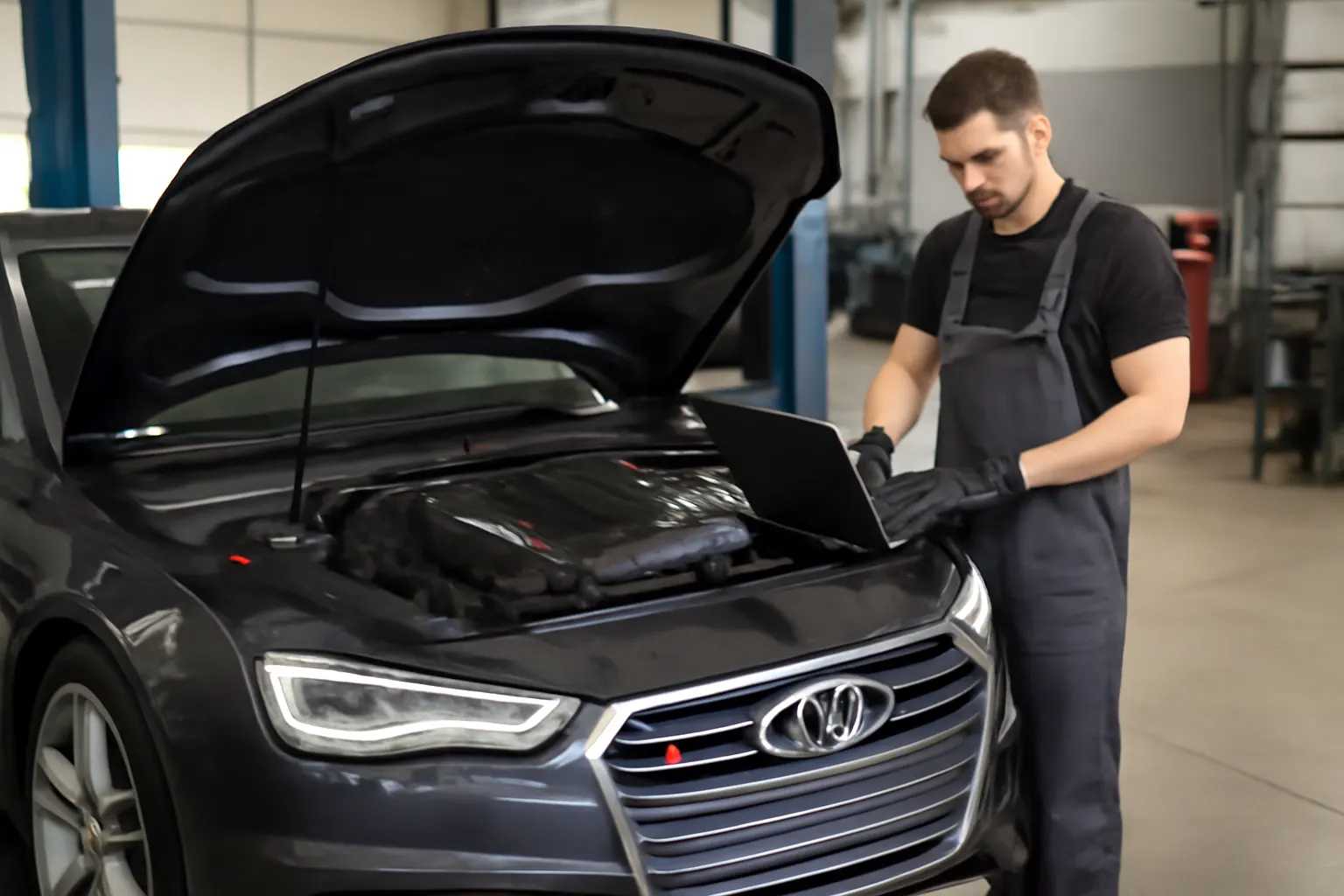
Audi S7 Maintenance Blog
The Audi S7 is engineered for dynamic performance, blending the power of a turbocharged V6 or V8 with quattro all-wheel drive and a sophisticated chassis. To keep this high-performance machine in peak condition, strict adherence to maintenance intervals is non-negotiable. Immediate Owner Action: Follow the manufacturer’s recommended service schedule for oil changes, spark plugs, filters, and fluids. Regularly inspect brake pads, tires, and safety systems. Monitor for recall notices using official databases.
Read More
Audi S7 Vs Rs7 Parts
When comparing the Audi S7 and RS7, enthusiasts and professional technicians alike immediately ask: What parts are truly different, which are interchangeable, and how do you source the right components for upgrades or repairs? The Audi S7 and RS7 share the same C7/C8 MLB platform, but their parts diverge in crucial areas—especially in performance, braking, suspension, and bodywork.
Read More
Audi S7 Parts Compatibility Guide
Need to ensure your Audi S7 parts are the right fit? This guide delivers a comprehensive, model-year-by-model-year breakdown of Audi S7 parts compatibility, including engine codes, platform changes, and how to use your VIN for precise fitment. Whether you’re sourcing OEM, considering aftermarket upgrades, or planning critical maintenance, this resource will help you avoid costly mistakes and maximize your S7’s performance and reliability.
View Guide