
Audi R8 Auto Parts
Audi R8 Parts & Service Fitment Guide
The Audi R8 is a flagship supercar from Audi, first launched in 2006 and produced across multiple generations with close ties to Audi’s motorsport heritage. Sharing much of its architecture with the Lamborghini Huracán, the R8 is renowned for its naturally aspirated V8 and V10 engines, mid-engine layout, and advanced quattro all-wheel-drive system. Whether you’re maintaining a first-generation manual V8 or upgrading a late-model V10 Performance, sourcing the right parts for the R8 requires precise compatibility awareness, due to platform evolution and low production volumes. This page provides a technical deep dive into Audi R8 parts fitment, service planning, and risk mitigation for both daily drivers and enthusiasts.
Despite its supercar status, the Audi R8 hides several maintenance and fitment risks not immediately obvious to new owners or general repair shops. Many components—ranging from carbon-ceramic brakes to aluminum subframes—are model-specific, with limited interchangeability even between R8 generations or powertrain variants. Age-related wear can affect specialty items such as magnetic ride dampers, carbon fiber panels, and proprietary electronics. Scarcity of certain parts, particularly for early model years or rare trims, can lead to extended downtime or forced use of non-OEM substitutes. Additionally, subtle differences in engine mounts, driveshafts, and control modules based on engine type (V8 vs V10) or drivetrain (RWD vs quattro) can lead to costly errors if not properly diagnosed during parts sourcing.
Common issues unique to the Audi R8 include failures of the magnetic ride suspension, premature clutch wear (especially on manual or early R-Tronic models), and the need for exact-match carbon-ceramic brake components. The vehicle’s aluminum space frame, while providing rigidity and weight savings, poses unique repair and diagnostic challenges—improperly sourced body panels or subframe parts can compromise structural integrity. Differences between the 4.2L V8 and 5.2L V10 engines, as well as between manual and dual-clutch (S-Tronic) transmissions, mean components like flywheels, sensor arrays, and drivetrain mounts must be precisely matched to VIN and build date. Even seemingly universal items like oxygen sensors or control arms may have multiple supersessions or specific fitments across the R8’s production span, requiring careful cross-referencing.
Model-specific diagnostics for the Audi R8 should always begin with a VIN-based compatibility check, as many parts have running changes or are exclusive to certain model years and engine/drivetrain pairings. Utilize authoritative databases and consult parts diagrams to confirm fitment before ordering, especially for high-value or safety-critical items like brakes and suspension. When planning major service intervals—such as 30,000-mile spark plug changes or 60,000-mile transmission servicing—source OEM or OE-equivalent components and verify all associated hardware is included. For guidance on R8 drivetrain differences and service best practices, explore Audi R8 Drivetrain Compatibility Guide and Audi R8 Maintenance Intervals. For a breakdown of Audi R8 platform evolution and parts sourcing strategies, see Audi R8 Platform Evolution. Always cross-reference part numbers and consult trusted supplier channels to avoid common pitfalls in R8 ownership.
Filter Audi R8 Parts
Other Audi Models
54 Audi R8 Auto Parts


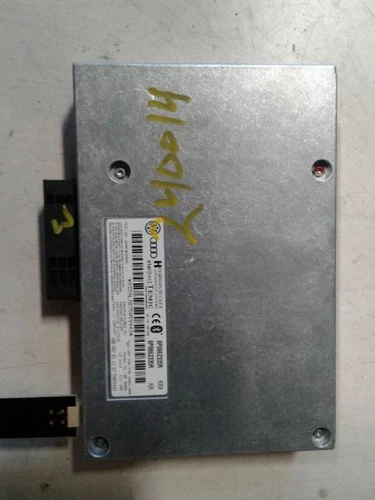


More Audi R8 options
Filtering for Audi R8Browse nearby inventory for this model without leaving the page. Use search to filter by price, part number, or city.
No Data Available
Please check back soon when more inventory is available for this part.
Expert Specs, Shop Signals, and Your AutoPartEx Advantage
For deeper technical insight, see Audi R8 Drivetrain Compatibility Guide for drivetrain/fitment breakdowns and Audi R8 Platform Evolution for model evolution details. To avoid costly returns and downtime, verify every part number and fitment detail with authoritative resources before purchase. Use AutoPartEx to compare genuine and OE-equivalent Audi R8 parts, access up-to-date fitment databases, and source hard-to-find items with confidence.
Critical wear items include the magnetic ride dampers, which can leak or lose damping ability—replacement costs are significant, and aftermarket options may not match OEM calibration. Carbon-ceramic brakes, standard or optional depending on trim, deliver exceptional performance and longevity but are highly sensitive to installation errors and must be replaced in matched sets to maintain ABS and stability system function. Aluminum suspension arms and subframes should be inspected for cracks or impact damage, especially on cars subjected to track use. Electronics, such as the body control module, headlight assemblies, and infotainment units, are VIN-specific and often not interchangeable even within the same production year.
Parts scarcity is a growing challenge for early R8s, with certain trim-specific pieces—such as manual gearshift linkages, interior carbon fiber, or limited-edition wheels—becoming difficult to source. When planning major service, reference manufacturer service intervals and obtain a complete list of required parts and hardware. Always verify fitment using detailed parts diagrams and cross-reference superseded part numbers. For collision repairs, ensure replacement panels and subframes are sourced from reputable suppliers and double-check compatibility to preserve the car’s structural integrity and safety systems. The R8’s close relationship with Lamborghini platforms means some mechanical parts may appear similar but differ in material, calibration, or mounting—a point of caution for cross-shopping used or aftermarket components.
Audi R8: Key Service and Fitment Facts
VIN-Based Parts Verification
Always use your Audi R8’s full VIN when sourcing parts to ensure compatibility, especially for brakes, suspension, and electronics. Mid-cycle updates and special editions often change part numbers.
Service Interval Planning
Adhere to Audi’s recommended intervals: oil/filter every 10,000 miles, spark plugs at 30,000 miles, and S-Tronic fluid/filter between 40,000–60,000 miles. Early R-Tronic and manual models may need more frequent clutch attention.
Critical Wear Items
Monitor magnetic ride dampers (often failing by 40,000–60,000 miles), carbon-ceramic brakes (check rotor thickness/runout), and aluminum suspension arms for fatigue—especially on track-driven cars.
Parts Sourcing Tips
For rare or discontinued parts, leverage trusted suppliers and cross-reference OEM part numbers. Use AutoPartEx to compare listings and ensure correct fitment before purchase.
References
- Vehicle, Car Seat, Tire, and Equipment Recalls - National Highway Traffic Safety Administration, accessed 2024-06-01Used for recall context, model-specific risk, and parts safety guidance
- Fuel Efficiency - United States Department of Energy, accessed 2024-06-01Engine, drivetrain, and service interval context for performance vehicles
- Materials Technologies - United States Department of Energy, accessed 2024-06-01Aluminum and carbon fiber structural background, repair considerations
Related Guides & Articles

Audi R8 Drivetrain Compatibility
Explore the nuances of Audi R8 drivetrain technology, including differences between V8, V10, quattro, and RWS models—plus critical fitment tips. Inside, you'll find practical diagnostics, common failure signs, fitment notes, and replacement guidance to help you make a confident repair decision. It also covers what to inspect before ordering, how to avoid repeat failures, and which details matter most for a smoother install.
View Guide
Audi R8 Maintenance Intervals
A comprehensive look at Audi R8 maintenance intervals, common failure points, and service planning for both first- and second-generation models. Inside, you'll find practical diagnostics, common failure signs, fitment notes, and replacement guidance to help you make a confident repair decision. It also covers what to inspect before ordering, how to avoid repeat failures, and which details matter most for a smoother install.
Read More
Audi R8 Platform Evolution
How the Audi R8 platform evolved: material innovations, parts updates, and what it means for parts sourcing and repairs. Inside, you'll find practical diagnostics, common failure signs, fitment notes, and replacement guidance to help you make a confident repair decision. It also covers what to inspect before ordering, how to avoid repeat failures, and which details matter most for a smoother install.
Read More
Audi R8 Oem Fitment Verification
Step-by-step guide to verifying Audi R8 OEM part compatibility, including VIN decoding and cross-referencing best practices. Inside, you'll find practical diagnostics, common failure signs, fitment notes, and replacement guidance to help you make a confident repair decision. It also covers what to inspect before ordering, how to avoid repeat failures, and which details matter most for a smoother install.
View Guide