
Audi Q7 Auto Parts
Audi Q7 Auto Parts & Maintenance Guide
The Audi Q7 stands as the flagship SUV in Audi's luxury lineup, launched globally in 2005 and continuously refined through multiple generations. Built on the Volkswagen Group's MLB platform, the Q7 embodies Audi's approach to full-size utility, advanced engineering, and sophisticated comfort. For owners and technicians, sourcing precise Q7 parts is essential: not only to preserve its driving dynamics and safety standards, but to handle the model's evolving engine and drivetrain configurations. This page equips you with authoritative insight into Q7-specific parts needs, maintenance strategies, and compatibility considerations.
While the Audi Q7 is lauded for its engineering, many owners remain unaware of the nuanced maintenance and fitment risks unique to this model. The Q7's complex electronics, adaptive air suspension, and multi-material body structure can introduce hidden service requirements as the vehicle ages—such as module-specific battery drain, sensor calibration drift, and corrosion at aluminum-steel junctions. Moreover, with the Q7’s production spanning from naturally aspirated V6/V8 engines to turbocharged and hybrid powertrains, critical differences in parts compatibility arise across model years. Scarcity of certain OEM components, especially for first-generation models (2007–2015), further complicates sourcing. Overlooking these subtleties can lead to incorrect part selection, fitment headaches, and avoidable service costs.
As the Q7 fleet matures, recurring issues have surfaced: air suspension compressor failures, timing chain stretch (notably on V6 engines), transfer case faults, and MMI infotainment glitches. Drivetrain and platform variations—such as quattro all-wheel drive system revisions and introduction of plug-in hybrid (PHEV) variants—mean that parts are not universally interchangeable even within a single generation. Specific brake, suspension, and electronic modules may differ by VIN, trim, or market. Compatibility checks go beyond superficial dimensions; for example, sensor connectors, software versions, and even fastener types can shift across years. Ignoring these details risks fitment failures, system errors, or diminished performance.
Effective Q7 maintenance begins with model-specific diagnostics and disciplined service planning. Utilize VIN-based lookup to identify exact engine, transmission, and option codes before sourcing parts. Consult authoritative maintenance intervals: for example, Audi recommends timing chain inspection every 80,000–100,000 miles, and brake fluid replacement every two years. When sourcing components—such as control arms, filters, or MMI modules—prioritize OEM or OEM-equivalent parts to preserve function and value. For in-depth troubleshooting, see Audi Q7 Common Issues Guide and for a primer on Audi electronic module fitment, review Audi Electronics Fitment Article. Rely on trusted suppliers to avoid counterfeit or ill-fitting components, and always confirm compatibility using manufacturer part numbers.
Filter Audi Q7 Parts
Other Audi Models
350 Audi Q7 Auto Parts


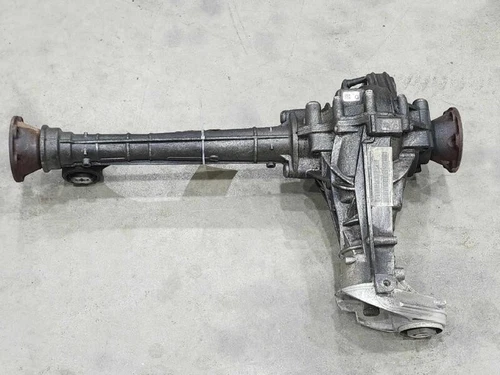

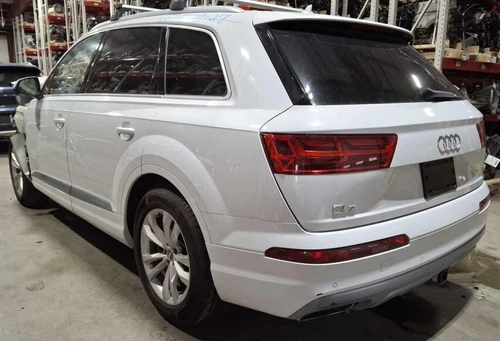
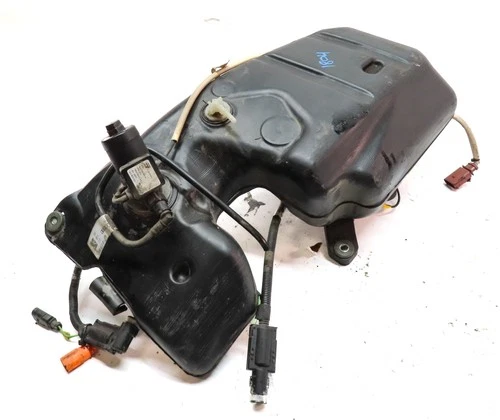


More Audi Q7 options
Filtering for Audi Q7Browse nearby inventory for this model without leaving the page. Use search to filter by price, part number, or city.
No Data Available
Please check back soon when more inventory is available for this part.
Expert Audi Q7 Parts Sourcing, Diagnostics, and Service—Actionable Steps
For Audi Q7, long-term reliability depends on verified fitment, periodic inspection of wear components, and disciplined preventive maintenance. Confirm part numbers by VIN, check supersession notes, and compare mounting points before installation. Review service bulletins and historical failure patterns to prioritize high-risk systems, especially electrical connectors, seals, cooling components, and drivetrain interfaces.
For Audi Q7, long-term reliability depends on verified fitment, periodic inspection of wear components, and disciplined preventive maintenance. Confirm part numbers by VIN, check supersession notes, and compare mounting points before installation. Review service bulletins and historical failure patterns to prioritize high-risk systems, especially electrical connectors, seals, cooling components, and drivetrain interfaces.
Audi Q7 Service & Parts Quick Reference
Q7 Service Intervals
Oil changes: 10,000 miles; brake fluid: every 2 years; transmission fluid: 60,000 miles; timing chain inspection: 80,000–100,000 miles; air suspension: inspect at 70,000 miles.
Common Replacement Parts
Brake pads/rotors, air/cabin filters, control arms, air suspension compressors, MMI modules, window regulators, spark plugs, and battery.
Parts Compatibility Tips
Always use your Q7’s VIN and engine code to confirm part fitment. Cross-reference part numbers and check for updates in Audi technical service bulletins.
Platform/Evolution Notes
First-gen (2007–2015): V6/V8 engines, more steel components; second-gen (2016+): turbocharged/hybrid options, aluminum-intensive body, advanced electronics.
References
- Vehicle, Car Seat, Tire, and Equipment Recalls - National Highway Traffic Safety Administration, accessed 2024-06-01Covers manufacturer recalls and known equipment issues affecting Audi Q7 models.
- Fuel Efficiency - United States Department of Energy, accessed 2024-06-01Provides factual basis for Q7 engine, drivetrain, and efficiency evolution.
- Materials Technologies - United States Department of Energy, accessed 2024-06-01Supports technical background on Q7 body structure, platform, and material changes.
Related Guides & Articles

Audi Q7 Common Issues
Explore the most frequent Audi Q7 maintenance problems, from air suspension faults to timing chain stretch. Learn how to identify, diagnose, and resolve the top owner-reported issues. Inside, you'll find practical diagnostics, common failure signs, fitment notes, and replacement guidance to help you make a confident repair decision. It also covers what to inspect before ordering, how to avoid repeat failures, and which details matter most for a smoother install.
View Guide
Audi Electronics Fitment
A deep dive into Audi’s electronic module architecture and fitment best practices. Essential reading for anyone replacing Q7 infotainment, climate, or driver-assist electronics. Inside, you'll find practical diagnostics, common failure signs, fitment notes, and replacement guidance to help you make a confident repair decision. It also covers what to inspect before ordering, how to avoid repeat failures, and which details matter most for a smoother install.
Read More
Audi Mlb Platform Parts
How Audi’s MLB platform shapes Q7 parts compatibility, maintenance intervals, and upgrade options. Platform-specific insights for owners and technicians. Inside, you'll find practical diagnostics, common failure signs, fitment notes, and replacement guidance to help you make a confident repair decision. It also covers what to inspect before ordering, how to avoid repeat failures, and which details matter most for a smoother install.
Read More
Audi Q7 Air Suspension
A comprehensive guide to Q7 air suspension service and repair. Covers compressor, air spring, and leveling sensor replacement across all Audi Q7 generations. Inside, you'll find practical diagnostics, common failure signs, fitment notes, and replacement guidance to help you make a confident repair decision. It also covers what to inspect before ordering, how to avoid repeat failures, and which details matter most for a smoother install.
View Guide