
Audi Q5 Auto Parts
Audi Q5 Parts & Maintenance: Model-Specific Service and Fitment Guidance
The Audi Q5 is a premium compact SUV that has been a cornerstone of Audi’s global lineup since its introduction in 2008. Built on Volkswagen Group’s longitudinal MLB platform, the Q5 is renowned for blending German engineering, luxury, and utility, making it a popular choice among discerning drivers. With a wide range of turbocharged gasoline, diesel, and hybrid powertrains available across multiple generations, the Q5’s complexity and evolving technology demand model-specific expertise when it comes to maintenance, repairs, and parts sourcing. This page delivers comprehensive Audi Q5 parts guidance, covering common service needs, fitment precision, and proven solutions for every generation.
Many Q5 owners and technicians are unaware of the model-specific risks that can affect part fitment, long-term reliability, and maintenance efficiency. The Q5’s modular platform means that parts compatibility can vary sharply between model years, engine options, and even trim levels. Components like brakes, suspension arms, sensors, and electronics often have unique part numbers that don’t cross over with other Audi or Volkswagen models, making DIY repairs and even routine service more complex. Age-related issues, such as rubber bushing degradation, cooling system leaks, and electronic sensor failures, can emerge as Q5s enter their second decade of service. Scarcity of certain OEM or high-quality aftermarket parts for earlier generations raises additional challenges for keeping these vehicles in prime condition.
Common issues faced by Q5 owners include timing chain tensioner wear (especially on early 2.0T FSI engines), PCV and rear main seal leaks, water pump failures, and electronic component aging. The Q5’s drivetrain options—including quattro all-wheel drive, 2.0T and 3.0T gasoline engines, and TDI and plug-in hybrid (PHEV) variants—require distinct service intervals and parts. Platform updates and mid-cycle refreshes have introduced revised parts and incompatible assemblies, so even visually similar Q5s may require different brake pads, control arms, or modules. Incorrect part selection is a leading cause of return rates and service delays in independent shops and dealership service bays.
Optimizing Audi Q5 maintenance starts with accurate VIN-based diagnostics and detailed service records. Use trusted parts catalogs and fitment guides—such as those found on Audi Q5 Fitment Guide—to confirm every component’s compatibility before ordering. For common repairs like timing chain kits, PCV valves, water pumps, or suspension bushings, refer to Audi Q5 DIY Maintenance for step-by-step guides and torque specifications. When sourcing parts for unusual trims (like SQ5 or Q5 TDI), cross-reference OE part numbers, production date splits, and technical service bulletins. For advanced diagnostics, invest in a scan tool that supports Audi-specific modules to pinpoint sensor, ABS, and electronic issues. These practices reduce comebacks, ensure safe operation, and extend the Q5’s service life.
Filter Audi Q5 Parts
Other Audi Models
433 Audi Q5 Auto Parts


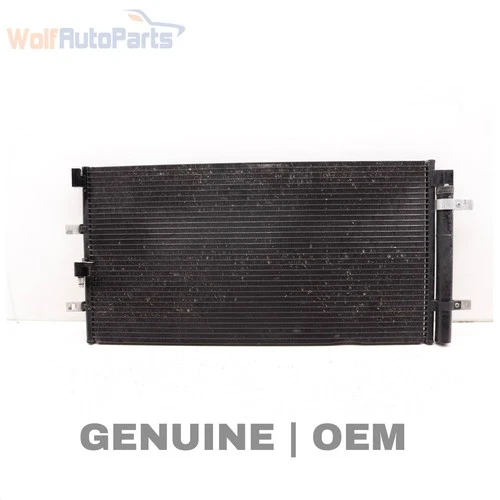


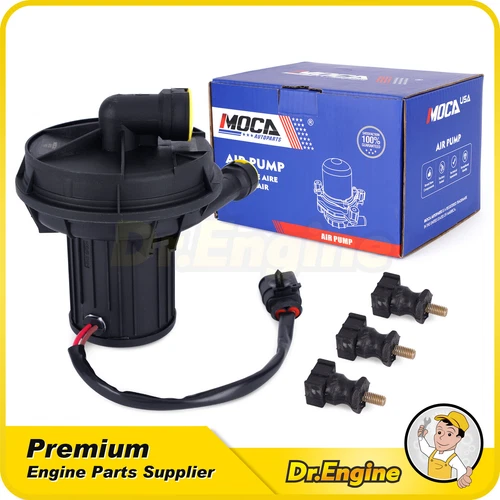

More Audi Q5 options
Filtering for Audi Q5Browse nearby inventory for this model without leaving the page. Use search to filter by price, part number, or city.
No Data Available
Please check back soon when more inventory is available for this part.
Expert Audi Q5 Parts Strategy: Technical Evidence, Service Insights, and AutoPartEx Solutions
For Audi Q5, long-term reliability depends on verified fitment, periodic inspection of wear components, and disciplined preventive maintenance. Confirm part numbers by VIN, check supersession notes, and compare mounting points before installation. Review service bulletins and historical failure patterns to prioritize high-risk systems, especially electrical connectors, seals, cooling components, and drivetrain interfaces.
For Audi Q5, long-term reliability depends on verified fitment, periodic inspection of wear components, and disciplined preventive maintenance. Confirm part numbers by VIN, check supersession notes, and compare mounting points before installation. Review service bulletins and historical failure patterns to prioritize high-risk systems, especially electrical connectors, seals, cooling components, and drivetrain interfaces.
Audi Q5 Fast Facts and Service References
Model Years Covered
Audi Q5 (8R): 2009–2017; Audi Q5 (FY): 2018–present. Includes SQ5, TDI, TFSI e, and MHEV variants.
Essential Service Intervals
Oil and filter: 5,000–10,000 miles; Spark plugs: 40,000–60,000 miles; Brake pads/rotors: 20,000–30,000 miles; Transmission/differential fluid: 40,000 miles.
Common High-Failure Parts
Timing chain tensioners, water pumps, PCV valves, suspension bushings, ignition coils, MMI modules, thermostat housings (especially plastic units).
VIN-Based Fitment
Always use the full 17-digit VIN to verify part compatibility, especially for mid-year changes, hybrid/SQ5 variants, and electronics.
References
- Vehicle, Car Seat, Tire, and Equipment Recalls - National Highway Traffic Safety Administration, accessed 2024-06-08Grounds recall, safety, and manufacturer-specific component data.
- Fuel Efficiency - United States Department of Energy, accessed 2024-06-08Supports technical coverage of engine, drivetrain, and efficiency-related parts.
- Materials Technologies - United States Department of Energy, accessed 2024-06-08Supports platform, construction, and materials-related Q5 content.
Related Guides & Articles

Audi Q5 Maintenance Schedule
Understand the most common Audi Q5 maintenance tasks, recommended service intervals, and parts needed for each generation. Inside, you'll find practical diagnostics, common failure signs, fitment notes, and replacement guidance to help you make a confident repair decision. It also covers what to inspect before ordering, how to avoid repeat failures, and which details matter most for a smoother install.
View Guide
Audi Q5 Engine Guide
Explore a detailed breakdown of Audi Q5 engine options, drivetrain differences, and how they impact parts compatibility. Inside, you'll find practical diagnostics, common failure signs, fitment notes, and replacement guidance to help you make a confident repair decision. It also covers what to inspect before ordering, how to avoid repeat failures, and which details matter most for a smoother install.
Read More
Audi Q5 Electronics Diagnostics
Learn how to diagnose and resolve common Audi Q5 electronic and sensor issues with step-by-step troubleshooting. Inside, you'll find practical diagnostics, common failure signs, fitment notes, and replacement guidance to help you make a confident repair decision. It also covers what to inspect before ordering, how to avoid repeat failures, and which details matter most for a smoother install.
Read More
Audi Q5 Brake Parts Fitment
Step-by-step guide to sourcing and installing high-quality brake parts for your Audi Q5, including fitment checks and torque specs. Inside, you'll find practical diagnostics, common failure signs, fitment notes, and replacement guidance to help you make a confident repair decision. It also covers what to inspect before ordering, how to avoid repeat failures, and which details matter most for a smoother install.
View Guide