
Audi A7 Auto Parts
Audi A7 Lift Gate and Cargo Hatch Trim: What to Know
Many Audi A7 owners overlook the importance of precise fitment and condition when replacing lift gate or cargo hatch trim panels. Understanding how to verify compatibility and assess part quality can prevent costly mistakes. This guide highlights essential steps and evidence-based resources for confidently selecting and installing a replacement trim panel, ensuring your Audi A7’s appearance and function are maintained.
133 Audi A7 Auto Parts
Advertisement
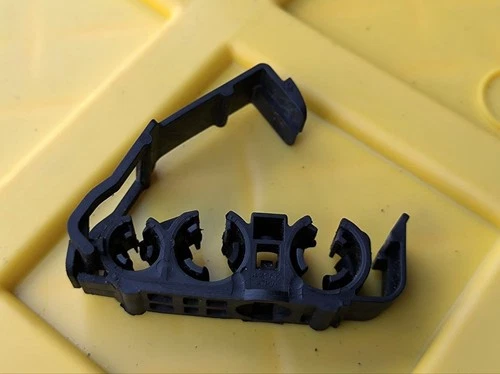
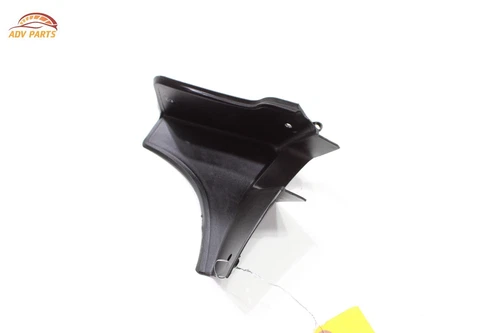

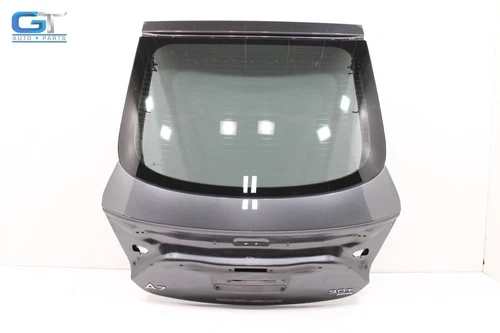

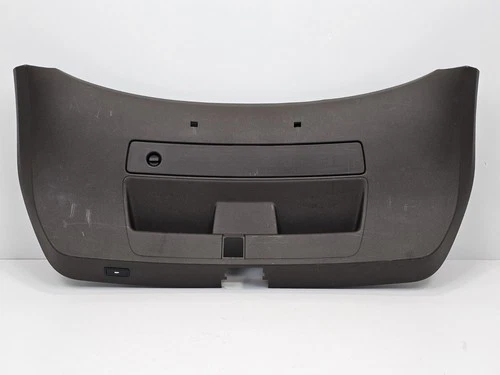












Advertisement
More Audi A7 options
Filtering for Audi A7Browse nearby inventory for this model without leaving the page. Use search to filter by price, part number, or city.
No Data Available
Please check back soon when more inventory is available for this part.
Advertisement
Why Lift Gate Trim Panel Fitment Matters for Your Audi A7
When considering a replacement lift gate or cargo hatch trim panel for your Audi A7, it’s easy to focus on cosmetic appearance or price alone. However, overlooking the precise fitment and compatibility details can lead to frustration, wasted time, and additional expenses. Many owners are unaware that even minor differences in model years, trim levels, or part numbers can affect whether a panel will install correctly and function as intended. This is especially true for components like the lift gate trim, which not only contributes to the vehicle’s aesthetics but also plays a role in protecting the cargo area and maintaining the integrity of the hatch mechanism.
Another commonly overlooked aspect is the condition and provenance of the replacement part. Salvaged or used panels may show signs of wear, previous repairs, or hidden damage that isn’t immediately visible in online listings. Without careful inspection or verification, buyers might receive a part that doesn’t match their expectations or needs additional work to fit or look right. This can be especially problematic for owners aiming to restore their Audi A7 to a like-new appearance or preserve resale value.
Finally, many Audi A7 owners are unaware of the resources available to help them verify part compatibility and safety. Manufacturer databases, VIN decoding guides, and official recall tools can provide crucial information before making a purchase. By taking advantage of these resources, you can avoid common pitfalls and ensure that your replacement lift gate or cargo hatch trim panel meets both your functional and aesthetic requirements.

Understanding the Challenges of Audi A7 Trim Panel Replacement
Replacing the lift gate or cargo hatch trim panel on an Audi A7 is not as simple as swapping out a generic part. The Audi A7, with its distinctive fastback design and premium materials, requires components that match its specific dimensions, mounting points, and finish. Even among vehicles of the same generation, subtle changes in design or manufacturing can lead to differences in how a trim panel fits or attaches. This means that a panel from a 2012 A7 may not be identical to one from a 2016 model, despite similar appearances.
Another complication arises from the variety of part numbers and revisions Audi uses throughout a model’s production run. For example, the part number 4G8867979A may denote a specific trim panel variant with unique features or finishes. Without confirming the exact part number against your vehicle’s VIN or build sheet, there’s a risk of ordering a panel that doesn’t align with your car’s original equipment. This can result in gaps, misaligned mounting points, or even interference with the hatch’s opening and closing mechanisms.
Condition is another critical factor. Salvaged panels, while often more affordable, may come with scratches, dents, or previous repairs that compromise their appearance or fit. Some may have been repainted or modified, making them unsuitable for direct installation. The quality of the mounting hardware and clips is also essential, as worn or damaged fasteners can lead to rattling, leaks, or premature failure of the trim panel.
Safety and recall considerations must also be taken into account. While trim panels themselves are not typically involved in safety recalls, the hatch assembly or related components could be. It’s important to check whether your specific Audi A7 has any outstanding recalls that might affect the lift gate or its associated hardware. Ignoring these checks could mean installing a panel onto a system that requires manufacturer attention, potentially voiding warranties or compromising safety.
The process of verifying compatibility and condition can be daunting, especially for those unfamiliar with Audi’s parts catalog or VIN decoding procedures. Many online sellers provide limited information or generic fitment claims, making it difficult to determine whether a listed part is truly suitable for your vehicle. This uncertainty can lead to returns, delays, and additional shipping costs, all of which can be avoided with proper research and verification.
Finally, installation itself presents challenges. The Audi A7’s lift gate trim panel is often secured with specialized clips and fasteners that may require specific tools or techniques for removal and installation. Improper handling can damage the new panel or the vehicle’s bodywork, leading to additional repairs. For these reasons, it’s essential to approach the replacement process with a clear understanding of the potential pitfalls and the steps needed to ensure a successful outcome.
Practical Steps for Selecting and Installing Audi A7 Lift Gate Trim
Begin your replacement process by gathering detailed information about your Audi A7. Locate your vehicle identification number (VIN), which is typically found on the lower left of your windshield or on your registration card. This 17-character code is crucial for verifying part compatibility, as it encodes your vehicle’s model year, trim, and build details. Use this VIN to cross-reference part numbers and ensure that any replacement trim panel matches your specific vehicle configuration. For more on decoding your VIN, see the Audi Vin Decoding guide.
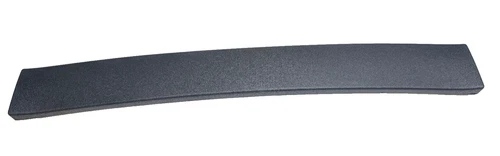
Next, consult trusted sources for part numbers and fitment details. Audi’s official parts catalog, dealership service departments, and reputable online databases can help you identify the correct lift gate trim panel for your model year and trim level. Pay close attention to part numbers—such as 4G8867979A—and verify that the seller’s listing matches your requirements. If a listing is vague or uses generic fitment claims, request additional information or photographs to confirm compatibility before purchasing.
When considering a used or salvage trim panel, request high-resolution photographs of the actual part, not just stock images. Look for signs of wear, scratches, dents, or previous repairs. Ask the seller about the part’s history, including whether it has been repainted or modified in any way. Inspect the condition of mounting clips and hardware, as these are critical for a secure and rattle-free installation. If possible, compare the part to your existing panel to ensure all mounting points and contours align.
Before proceeding with installation, check for any outstanding recalls or service campaigns related to your Audi A7’s lift gate or hatch assembly. Use the NHTSA VIN lookup tool or contact your local Audi dealer to verify that your vehicle is free of unrepaired recalls. This step is especially important if you are replacing the panel due to damage or malfunction, as underlying issues with the hatch mechanism could affect the new part’s performance or safety. See NHTSA: Vehicle Recalls for more information.
If you are not experienced with trim panel installation, consider seeking professional assistance. The Audi A7’s lift gate trim often requires careful removal of interior panels, disconnecting electrical connectors, and handling delicate clips. A professional technician with experience in Audi bodywork can ensure that the panel is installed correctly, minimizing the risk of damage to the new part or your vehicle. Always request a written repair estimate and completed repair order, as recommended by the FTC: Auto Repair Basics.
For those who prefer to handle the installation themselves, consult the Audi A7’s service manual or reputable online guides. Gather the necessary tools, including trim removal tools, screwdrivers, and replacement clips if needed. Work in a clean, well-lit area to avoid losing small fasteners or damaging the new panel. Take your time during removal and installation, following each step carefully to ensure a proper fit and finish.
After installation, inspect the fitment and operation of the lift gate. Check for even gaps, secure attachment, and smooth opening and closing of the hatch. Listen for any rattles or unusual noises that could indicate loose hardware. If you notice any issues, address them promptly to prevent further damage or wear. Document the installation process and keep records of the replacement part, including photographs and receipts, for future reference or resale purposes.
Finally, maintain your Audi A7’s lift gate and cargo area by keeping the trim panel clean and free of debris. Regularly inspect the panel and mounting hardware for signs of wear or damage, especially after heavy use or exposure to harsh weather. Promptly address any issues to preserve the appearance and function of your vehicle’s cargo area. For more on maintaining your Audi, consult the Audi Maintenance Intervals Guide.
Published Evidence and Resources for Audi A7 Trim Panel Replacement
The National Highway Traffic Safety Administration (NHTSA) provides a VIN lookup tool that allows owners to check for unrepaired recalls on their specific vehicle. According to NHTSA: Vehicle Recalls, searching by VIN reveals whether a particular Audi A7 has any outstanding safety recalls, including those related to the lift gate or hatch assembly. While the NHTSA database covers a wide range of manufacturers, including Audi, it does not confirm compatibility or condition of individual trim panels. Instead, it serves as a critical step in ensuring that your vehicle does not have unresolved safety issues before installing a replacement part.
The NHTSA also outlines the recall process, emphasizing the importance of addressing any manufacturer-identified defects before proceeding with repairs or part replacements. Owners are notified by mail if their vehicle is subject to a recall, and manufacturers are required to provide a remedy—often free of charge. This means that if your Audi A7’s lift gate or related hardware is involved in a recall, you should resolve the issue through the manufacturer before considering aftermarket or salvage parts. This approach helps maintain safety and compliance with federal regulations, as detailed in NHTSA: Vehicle Recalls.
The Federal Trade Commission (FTC) offers general guidance on auto repairs, including the importance of obtaining written estimates, understanding the difference between new, remanufactured, and salvage parts, and verifying the experience of technicians working on your vehicle. In FTC: Auto Repair Basics, the FTC advises consumers to request a completed repair order listing the work performed, parts used, and associated costs. While this guidance is not specific to the Audi A7 or its lift gate trim panel, it underscores the value of clear documentation and informed decision-making when selecting and installing replacement parts.
The FTC also highlights the distinctions between new, remanufactured, and salvage parts. Salvage parts, such as a used lift gate trim panel from another Audi A7, are taken from donor vehicles without alteration. While often more affordable, these parts may show signs of previous use or damage. The FTC recommends inspecting salvage parts carefully and understanding that there is no standard warranty on repairs involving such components. This reinforces the need for buyers to request detailed photographs and condition reports before purchasing a used trim panel, as outlined in FTC: Auto Repair Basics.
It is important to note that neither the NHTSA nor the FTC provides technical specifications or fitment guarantees for individual Audi A7 components. The NHTSA’s recall database is a valuable resource for identifying safety-related issues, but it does not confirm whether a specific trim panel will fit your vehicle. Similarly, the FTC’s repair advice is intended for general consumer protection and does not substitute for consulting manufacturer parts catalogs or experienced technicians when verifying compatibility. Buyers should use these resources in conjunction with direct part number verification and professional advice.
No published evidence in the supplied sources establishes a common failure pattern, recall, or widespread defect specific to Audi A7 lift gate or cargo hatch trim panels for any model year. While the NHTSA database includes Audi among its covered manufacturers, it does not list a recall specific to this component based on the information provided. Therefore, buyers should not assume that all Audi A7s are affected by a known issue with the lift gate trim. Instead, focus should be placed on verifying part numbers and condition for each individual vehicle and part.
In summary, the available published evidence supports a careful, research-driven approach to replacing the Audi A7’s lift gate or cargo hatch trim panel. Use the NHTSA VIN lookup to check for recalls, follow FTC recommendations for repair documentation and part inspection, and rely on manufacturer part numbers and professional advice to ensure a successful replacement. These steps, while not guaranteeing fitment or condition, provide a solid foundation for making informed decisions and avoiding common pitfalls.
Take the Next Step with Confidence
Whether you are restoring your Audi A7 or addressing damage to the cargo area, taking the time to verify part compatibility, check for recalls, and document your repair process will help ensure a successful outcome. Use the resources and evidence discussed here as your guide, and consult experienced professionals or trusted parts suppliers for additional support. Start your search for the right lift gate trim panel today, and keep your Audi A7 looking and functioning at its best.
References
- NHTSA: Vehicle Recalls
- FTC: Auto Repair Basics
References
- NHTSA: Vehicle Recalls - NHTSA, accessed 2026-11-01
- FTC: Auto Repair Basics - FTC, accessed 2026-11-01
Related Guides & Articles

Audi Maintenance Intervals Guide
Audi vehicles are engineered for precision, performance, and safety, but they rely on regular servicing to sustain these qualities. The maintenance interval schedule—detailed in your owner’s manual and summarized here—dictates when to replace critical fluids, inspect safety systems, and address wear components. Following this schedule: Reduces the risk of unexpected breakdowns and costly repairs. Ensures compliance with safety and equipment standards, as outlined by the National Highway Traffic Safety Administration (NHTSA).
View Guide
Audi Vin Decoding
If you need to order parts or perform diagnostics for your Audi A7, decoding your Vehicle Identification Number (VIN) is the fastest, most reliable way to ensure perfect compatibility. The VIN holds critical details about your Audi’s year, engine, body style, manufacturing plant, and unique features—information that can prevent costly mistakes when selecting Audi A7 Parts & Fitment Guide | AutoPartEx components or planning repairs.
Read More
Audi Stronic Transmission Service
Audi’s S-Tronic dual-clutch transmission (DCT) is a hallmark of the brand’s commitment to performance and driving engagement, especially in the A7 platform. To keep your Audi A7 shifting smoothly and reliably, regular S-Tronic transmission service—including fluid changes and filter replacements—is not just recommended, but essential. This article delivers immediate, actionable guidance for identifying, diagnosing, and addressing S-Tronic issues, with a focus on practical service strategies for A7 owners and enthusiasts.
Read More
Audi Body Panel Fitment
Sourcing and fitting Audi A7 body panels and trim pieces is a high-stakes process—whether you're restoring a luxury sedan to showroom condition after a collision or upgrading its appearance for resale. The difference between a seamless repair and a costly, unsightly mismatch comes down to understanding OEM-quality standards, material compatibility, and precise fitment techniques. This AutoPartEx guide delivers everything you need to know to source, verify, and install Audi A7 body panels with confidence.
View Guide