
Audi A5 Auto Parts
Audi A5 Parts & Maintenance Guide: Fitment, Issues, and Service Planning
The Audi A5 is a premium compact executive car, first introduced in 2007, renowned for its blend of performance, luxury, and design. Spanning multiple generations, the A5 has been offered in coupe, sportback, and cabriolet body styles with a diverse range of engines and drivetrains. The complexity and variety of the A5 lineup mean that owners and technicians must be vigilant about model-specific fitment, platform differences, and evolving parts requirements. This comprehensive guide provides a technical overview of A5 production, platform evolution, and best-practice sourcing for critical and consumable parts.
Many Audi A5 owners and independent workshops are unaware of the subtle but crucial maintenance and parts fitment challenges unique to this model. With the A5 sharing platforms with the A4, but featuring distinct bodywork, suspension tuning, and interior electronics, assuming interchangeability can lead to subtle mismatches or unexpected wear. Age-related risks, such as plastic intake manifold degradation, high-pressure fuel pump wear, and electronic module failures, often manifest before they become obvious. In addition, certain parts for older or limited-run A5 variants can be scarce or available only as remanufactured or aftermarket, complicating reliable repairs. These latent factors mean that proactive planning and precise parts selection are essential for long-term reliability.
Common issues with the Audi A5 include premature timing chain tensioner wear (especially on early 2.0 TFSI engines), oil consumption due to piston ring design, and electronic gremlins such as MMI (Multi Media Interface) display failures. The A5's engine and drivetrain variations—ranging from naturally aspirated 1.8L and 2.0L four-cylinders to 3.2L and 3.0L V6 options, as well as quattro AWD and FWD layouts—require careful attention when cross-referencing parts. Not all components, such as brake rotors, suspension arms, or cooling system modules, are interchangeable between variants or years. Service intervals for critical components like timing belts (on select diesel engines) or transmission fluid can vary, making it critical to verify model specifics before sourcing parts.
To address these challenges, thorough diagnostics and accurate VIN-based parts lookup are essential for the Audi A5. Utilize detailed service records and technical bulletins to anticipate common failure points, such as carbon buildup in direct injection engines or known recall campaigns. Sourcing OEM and verified aftermarket parts through trusted suppliers ensures proper fitment, especially when dealing with region-specific variants or mid-cycle updates. For in-depth repair planning, consult our Audi A5 Service Guide and detailed Audi Platform Differences Article to navigate drivetrain-specific maintenance and compatibility nuances. Use AutoPartEx fitment tools to cross-check part numbers and ensure you are installing components engineered for your exact model build.
Filter Audi A5 Parts
Other Audi Models
413 Audi A5 Auto Parts
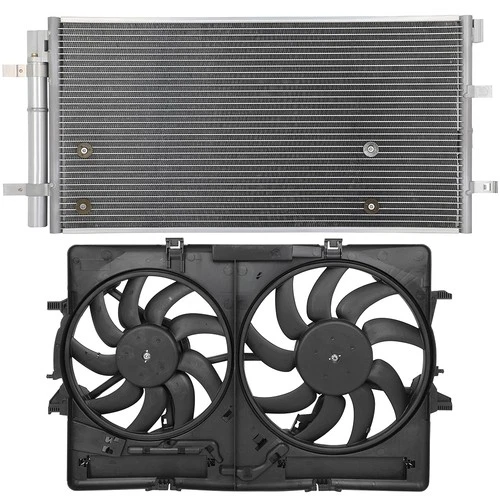


More Audi A5 options
Filtering for Audi A5Browse nearby inventory for this model without leaving the page. Use search to filter by price, part number, or city.
No Data Available
Please check back soon when more inventory is available for this part.
Expert Audi A5 Service: Specs, Case Study, and Fitment Assurance
AutoPartEx empowers A5 owners and technicians with deep model-specific fitment databases, technical guides, and platform comparison articles. Whether you are addressing a 30,000-mile brake fluid service, a 60,000-mile timing chain inspection, or sourcing rare cabriolet top components, use AutoPartEx to compare OEM and high-quality aftermarket parts, check real-time availability, and avoid costly compatibility errors. For in-depth technical guidance, review our Audi A5 Service Guide and Audi Platform Differences Article. To maintain long-term reliability and performance, verify fitment with AutoPartEx before you buy.
Parts scarcity becomes a factor for first-generation (B8) models, particularly for trim-specific interior elements, headlamps, and body moldings. In the case of MMI infotainment failures, shops report that exact part-number matching is necessary, as even minor hardware revisions can result in incompatibility with existing software or wiring harnesses. Owners should also be aware of recall campaigns for airbag modules and fuel system components—refer to the National Highway Traffic Safety Administration for up-to-date recall data.
Chassis components such as control arms, sway bar links, and bushings are subject to accelerated wear in regions with harsh winters due to road salt exposure. Regular inspection for play and corrosion is essential. Brake system maintenance is complicated by the variety of caliper and rotor sizes across trims and years; always consult the factory build sheet or use a VIN-based lookup. For cabriolet models, convertible top mechanisms require periodic lubrication and inspection, as failures can lead to expensive repairs if left unchecked. In summary, maintaining an Audi A5 to a high standard means respecting its engineering complexity and leveraging precise parts sourcing strategies.
For Audi A5, long-term reliability depends on verified fitment, periodic inspection of wear components, and disciplined preventive maintenance. Confirm part numbers by VIN, check supersession notes, and compare mounting points before installation. Review service bulletins and historical failure patterns to prioritize high-risk systems, especially electrical connectors, seals, cooling components, and drivetrain interfaces.
Audi A5 Practical Service Info
Engine Code Lookup
Record your Audi A5’s engine code (e.g., CAEB, CDNB, CREC) before ordering timing, fuel, or ignition parts. Differences in turbo, FSI, and TDI configurations may affect compatibility.
Transmission Fluid Service
Plan S tronic and automatic fluid changes every 40,000–60,000 miles. Use only fluids meeting Audi’s specifications to maintain shift quality and avoid warranty issues.
Brake System Fitment
Confirm caliper and rotor size by VIN and production month. A5 models differ by engine, trim, and market—incorrect parts may cause performance or installation issues.
Recall Check
Run your VIN through the NHTSA recall database before ordering safety-critical components. Modules, airbags, and fuel systems may be affected by active campaigns.
References
- Vehicle, Car Seat, Tire, and Equipment Recalls - National Highway Traffic Safety Administration, accessed 2024-06-01Official source for recall and safety campaign information relevant to Audi A5 models.
- Fuel Efficiency - United States Department of Energy, accessed 2024-06-01Reference for Audi A5 engine and drivetrain fuel economy and efficiency considerations.
- Materials Technologies - United States Department of Energy, accessed 2024-06-01Background on Audi A5 lightweight construction and materials technology evolution.
Related Guides & Articles

Audi A5 Service Guide
Get a step-by-step approach to maintaining your Audi A5, from oil changes to timing chain service. Avoid common pitfalls with our expert tips. Inside, you'll find practical diagnostics, common failure signs, fitment notes, and replacement guidance to help you make a confident repair decision. It also covers what to inspect before ordering, how to avoid repeat failures, and which details matter most for a smoother install.
View Guide
Audi Platform Differences
Explore key differences between Audi A5 platforms and how they affect parts compatibility, maintenance costs, and upgrade options. Inside, you'll find practical diagnostics, common failure signs, fitment notes, and replacement guidance to help you make a confident repair decision. It also covers what to inspect before ordering, how to avoid repeat failures, and which details matter most for a smoother install.
Read More
Audi A5 Vin Decoding
Learn how to decode your Audi A5 VIN for accurate parts ordering and uncover hidden trim or region-specific features. Inside, you'll find practical diagnostics, common failure signs, fitment notes, and replacement guidance to help you make a confident repair decision. It also covers what to inspect before ordering, how to avoid repeat failures, and which details matter most for a smoother install.
Read More
Audi A5 Oem Aftermarket Parts
Master the essentials of sourcing OEM vs. high-quality aftermarket parts for your Audi A5, including fitment checks and supplier selection. Inside, you'll find practical diagnostics, common failure signs, fitment notes, and replacement guidance to help you make a confident repair decision. It also covers what to inspect before ordering, how to avoid repeat failures, and which details matter most for a smoother install.
View Guide