
Saab Auto Parts
Saab Auto Parts: Informed Choices for Reliable Repairs
Saab owners face unique challenges when it comes to maintaining and repairing their vehicles, especially as these models age and genuine parts become less common. Understanding how to navigate recall information, compare part options, and work with qualified technicians can make a significant difference in reliability and cost. This guide highlights key considerations and evidence-based steps for Saab part selection and repair.
Advertisement
No Products Found
We're currently updating our inventory for Saab parts.
Please check back soon or contact us for specific part availability.
Advertisement
More Saab parts
Filtering for SaabBrowse nearby Saab inventory without leaving this page. Use search to filter by price, part number, or city.
No Data Available
Please check back soon when more inventory is available for this part.
Advertisement
Why Saab Owners Should Look Beyond the Obvious When Sourcing Parts
Many Saab enthusiasts focus on finding rare or genuine parts, but there’s an often-overlooked aspect: the importance of understanding recall status and the specific repair history of your own vehicle. While it’s tempting to assume that a part labeled for your Saab model is the right fit, compatibility and safety can hinge on more than just a catalog match. Owners who dig deeper—checking recall records, understanding part sourcing, and verifying technician experience—are better equipped to avoid costly missteps.
Another consideration that escapes many buyers is the difference between new, remanufactured, and salvage Saab parts. Each type can impact performance, longevity, and warranty coverage in distinct ways. While the allure of a lower price for a used part is strong, the long-term implications for reliability or safety are not always clear at the point of purchase. Taking time to investigate the origin and condition of a part can help Saab owners make smarter decisions.
Finally, many Saab owners overlook the significance of written documentation throughout the repair process. From initial estimates to completed repair orders, maintaining a clear paper trail helps protect your investment and ensures accountability. This level of diligence is especially important when working with specialty vehicles like Saab, where parts and expertise may be less common than for mainstream brands.
Understanding the Real Challenges in Saab Parts and Repairs
Saab vehicles, beloved for their unique engineering and driving experience, present a distinct set of challenges as the brand is no longer producing new cars. This reality affects parts availability, technician expertise, and the clarity of recall or service information. Owners may find themselves navigating a fragmented market of genuine, aftermarket, and salvaged components, each with different implications for fitment and reliability.
One major issue is the uncertainty about whether a particular Saab model is subject to an open safety recall. Unlike newer vehicles, where recall status is often communicated directly by the manufacturer, Saab owners must proactively check their vehicle identification number (VIN) against official databases. This step is crucial because a recall can affect not only the safety of the vehicle but also the suitability of replacement parts, especially for critical systems like airbags or brakes.
The process of identifying the right part for a Saab is further complicated by the existence of multiple part types—new, remanufactured, and salvage. Each comes with its own risks and benefits. For example, a salvage part may be the only available option for a discontinued component, but its history and condition are often unknown. Remanufactured parts may offer a balance between cost and reliability, but only if sourced from reputable suppliers with clear quality standards.
Technician expertise is another overlooked factor. Saab’s unique engineering means that not every mechanic is equipped to diagnose or repair these vehicles correctly. The Federal Trade Commission (FTC) specifically advises consumers to ask whether a technician has experience with their make and model before authorizing repairs, a recommendation that carries even more weight for Saab owners given the brand’s specialized systems FTC: Auto Repair Basics.
Documentation is essential but frequently neglected. Without a detailed written estimate and a completed repair order, Saab owners have little recourse if a part fails prematurely or if the repair does not resolve the original issue. This lack of documentation can also complicate future repairs or resale, as subsequent owners or technicians may lack a clear history of what has been done to the vehicle.
Finally, the absence of a standard warranty on repairs or replacement parts creates additional risk. The FTC notes that warranty coverage varies widely and must be confirmed in writing for each transaction. Saab owners, in particular, should be vigilant about understanding what, if any, warranty applies to the parts and labor they are purchasing, as assumptions about coverage can lead to unexpected expenses down the road FTC: Auto Repair Basics.
Practical Steps for Saab Owners: From Recall Checks to Repair Orders
The first step for any Saab owner considering a repair or part replacement is to check the vehicle’s recall status. The National Highway Traffic Safety Administration (NHTSA) provides a free VIN lookup tool that reveals whether a specific Saab is subject to any open recalls. This search is essential, as it not only highlights unresolved safety issues but also ensures that any replacement parts or repairs do not inadvertently bypass a critical manufacturer update NHTSA: Vehicle Recalls.
Once recall status is confirmed, Saab owners should gather as much information as possible about the required part. This includes identifying whether the part is available new, remanufactured, or as a salvage component. Each option should be evaluated for its source, condition, and any available warranty. For rare or discontinued Saab parts, it may be necessary to consult specialty suppliers or Saab-focused forums for recommendations on reputable sources.
When selecting a repair shop or technician, it’s important to verify Saab-specific experience. The FTC recommends asking directly about a technician’s familiarity with your make and model, and seeking a second opinion for complex or expensive repairs. This step helps ensure that diagnostic procedures and installation are performed correctly, reducing the risk of repeat failures or misdiagnosis FTC: Auto Repair Basics.
Before authorizing any work, request a written repair estimate that details the condition to be repaired, the parts to be used, and anticipated labor charges. This document serves as a reference point for both parties and can help prevent misunderstandings about the scope or cost of the repair. For Saab owners, this level of detail is especially important due to the variability in part availability and pricing.
During the repair process, maintain communication with the technician or shop, and request updates if any unexpected issues arise. If a substitute part is proposed, ask for a clear explanation of why it is being used and whether it meets or exceeds the original manufacturer’s specifications. This is particularly relevant for safety-critical components or systems unique to Saab vehicles.
After the repair is completed, obtain a detailed repair order that lists all work performed, parts installed, costs, and the vehicle’s odometer reading. This document not only serves as proof of the repair but also aids in future maintenance planning and can support warranty claims if issues arise later.
For ongoing reliability, Saab owners should follow the manufacturer’s maintenance schedule as outlined in the owner’s manual. Compare any shop recommendations with this schedule and ask for justification if additional services are proposed. This approach helps avoid unnecessary expenses and ensures that maintenance aligns with the vehicle’s actual needs FTC: Auto Repair Basics.
Finally, Saab owners should consider registering their vehicle with the NHTSA’s recall alert system or the SaferCar app. These tools provide timely notifications about new recalls or safety issues, helping owners stay ahead of potential problems and maintain the safety and value of their Saab NHTSA: Vehicle Recalls.
What the Evidence Shows About Saab Parts, Recalls, and Repairs
The NHTSA’s official recall process provides a clear framework for how safety issues are identified and addressed across all major vehicle brands, including Saab. According to the NHTSA, recalls are initiated when a manufacturer or the agency determines that a vehicle or component presents an unreasonable safety risk or fails to meet minimum standards. Owners are notified by mail, and manufacturers are required to offer a remedy, such as repair, replacement, or refund NHTSA: Vehicle Recalls. However, this process only applies to vehicles with open, unrepaired recalls and does not guarantee that every Saab part or model is currently affected. The NHTSA database is a vital resource for checking recall status but does not substitute for a professional inspection or guarantee of part fitment.
The NHTSA also clarifies that recall information is specific to each vehicle’s VIN and may not be complete for recently announced campaigns or older vehicles. For Saab owners, this means that checking recall status is not a one-time task; regular verification is necessary, especially as new information is added to the database over time. The NHTSA’s SaferCar app and recall alert system are recommended tools for staying informed about emerging safety issues NHTSA: Vehicle Recalls.
The FTC’s guidance on auto repairs emphasizes the importance of written documentation and clear communication between consumers and repair shops. The agency advises getting a written estimate, confirming technician experience with the specific make and model, and obtaining a completed repair order listing all work and parts used. This advice is particularly relevant for Saab owners, who often deal with rare or specialized components and may encounter shops with limited brand experience FTC: Auto Repair Basics.
The FTC further distinguishes between new, remanufactured, and salvage parts, noting that each type has different implications for reliability and warranty coverage. Salvage parts, for example, are sourced from other vehicles without alteration and may lack any warranty or clear history. Remanufactured or rebuilt parts may offer a middle ground but should be evaluated for quality and source. The FTC does not claim that any particular part type is superior for Saab vehicles but encourages consumers to ask questions and understand their options FTC: Auto Repair Basics.
Neither the NHTSA nor the FTC provides vehicle-specific technical specifications, repair intervals, or part failure rates for Saab models. Instead, they offer general frameworks for identifying safety issues, selecting parts, and working with repair professionals. Saab owners should supplement these resources with model-specific guides and expert forums, but always verify claims with official documentation or direct inspection.
The NHTSA’s recall lookup does not confirm that a particular Saab is recalled unless the VIN search indicates an open, unrepaired recall. General recall lists by make and model provide context but are not proof of an active issue for an individual vehicle. Owners should use the VIN-based search for the most accurate information and contact their local dealer or authorized repair shop for clarification if needed NHTSA: Vehicle Recalls.
The FTC’s advice on comparing shop recommendations with the manufacturer’s maintenance schedule is especially pertinent for Saab vehicles, where non-standard service intervals or parts substitutions may be proposed. Owners are encouraged to ask why extra services are recommended and to seek a second opinion for major repairs. This approach helps ensure that maintenance decisions are evidence-based and aligned with the vehicle’s actual requirements FTC: Auto Repair Basics.
Take Control of Your Saab’s Reliability and Safety
Saab ownership rewards those who approach repairs and parts selection with diligence and evidence. Start by checking your recall status, insist on written documentation, and work with technicians who understand your vehicle’s unique needs. Use official resources like the NHTSA recall database and FTC repair guidance to inform your decisions, and don’t hesitate to seek a second opinion for complex repairs. By following these steps, you can keep your Saab running safely and reliably for years to come.
References
- NHTSA: Vehicle Recalls
- FTC: Auto Repair Basics
References
- NHTSA: Vehicle Recalls - NHTSA, accessed 2026-11-01
- FTC: Auto Repair Basics - FTC, accessed 2026-11-01
Related Guides & Articles

Saab Maintenance Intervals & DIY Inspection Guide
Saab vehicles reward attentive owners with long-term reliability, safety, and driving satisfaction. The most effective way to maximize the life of your Saab is to follow a maintenance schedule tailored to its unique engineering—while learning how to perform key DIY inspections between service intervals. This comprehensive guide delivers a model-agnostic Saab maintenance interval roadmap, plus hands-on inspection techniques to help you identify wear before it becomes a costly repair.
View Guide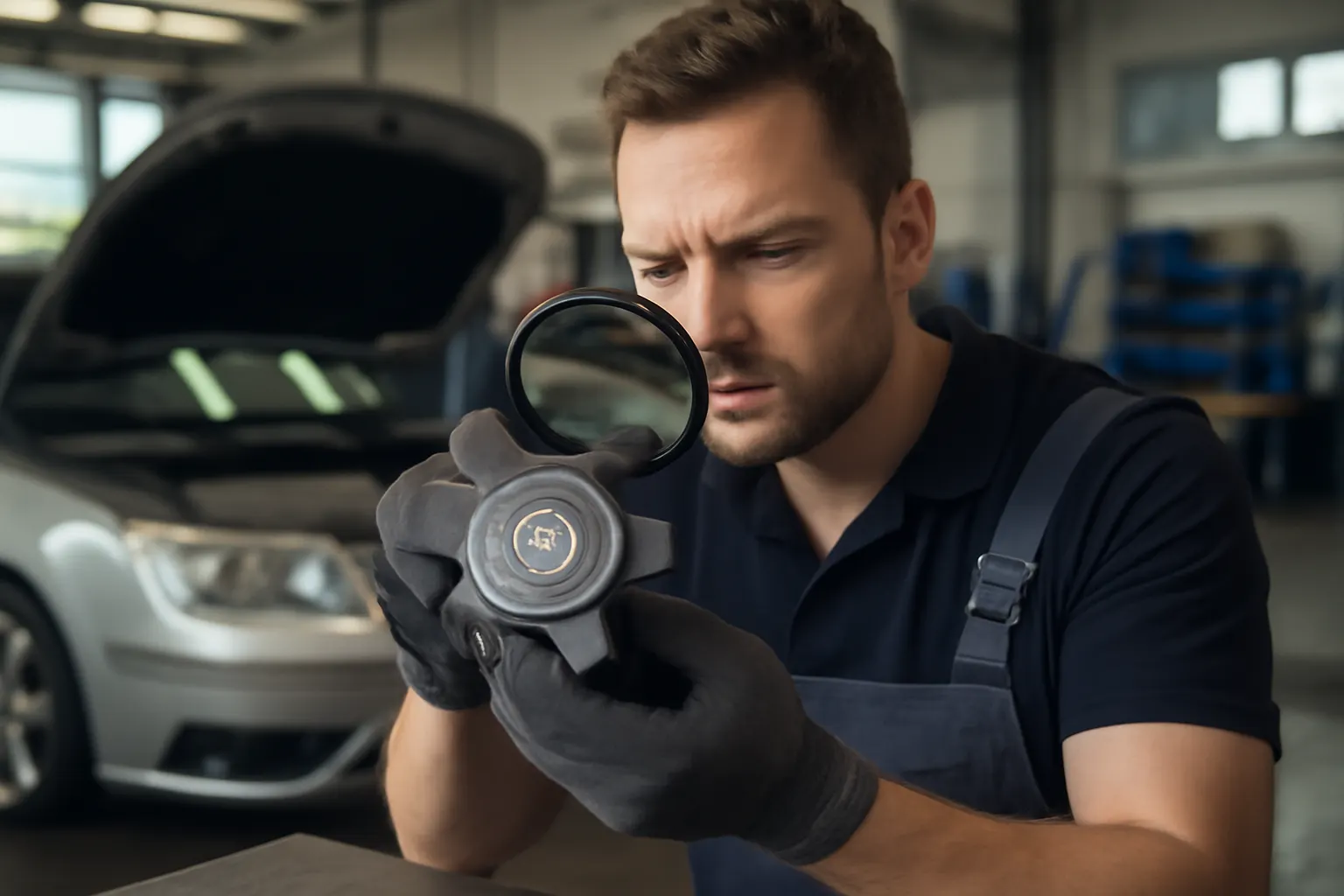
How to Identify Genuine Saab Parts in 2024
The influx of counterfeit auto parts has never posed a greater risk to Saab owners and restorers. In 2024, identifying genuine Saab parts is not just a matter of pride—it’s vital for safety, reliability, and maintaining the Swedish marque’s unique engineering legacy. This comprehensive AutoPartEx guide delivers actionable techniques, up-to-date resources, and professional insights for reliably distinguishing authentic Saab components in today’s complex aftermarket.
Read More
Saab Engine Diagnostics: Common Codes and Fixes
When your Saab’s check engine light illuminates, the onboard diagnostics system (OBD-II) stores one or more codes that pinpoint potential issues. Here are the most frequently encountered Saab engine codes, their likely causes, and quick-fix approaches: Saab’s engineering pedigree brings unique diagnostic challenges. Unlike many mainstream brands, Saab’s turbocharged engines, Trionic engine management, and specialized sensors mean that generic OBD-II code readers may not reveal the full picture.
View Guide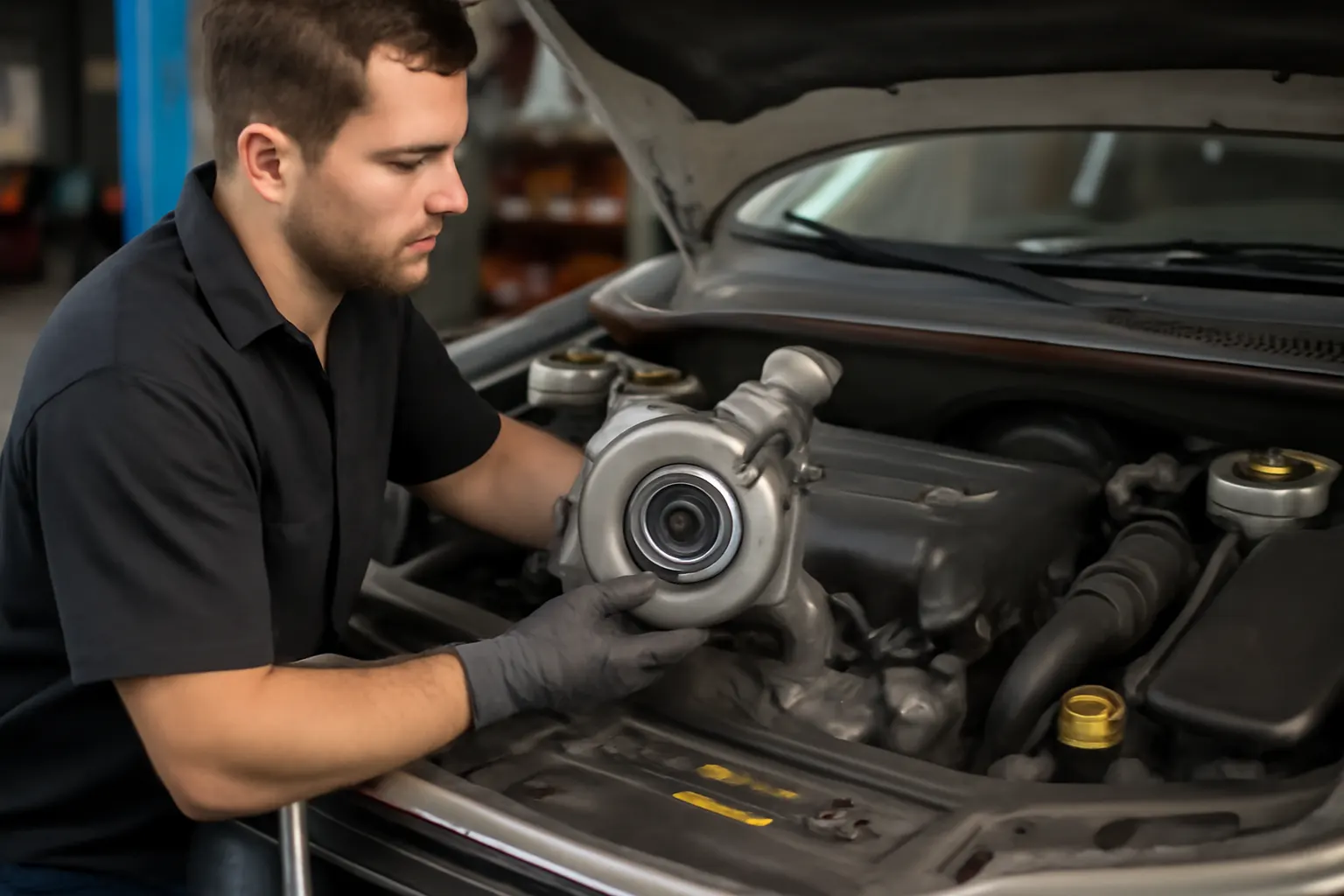
Saab Turbocharger Replacement: Pitfalls & Expert Tips
Turbocharged Saabs are legendary for their blend of Scandinavian engineering and exhilarating performance. If your Saab’s turbocharger is failing or you’re considering an upgrade, you’re facing one of the most technically demanding and impactful maintenance jobs on these vehicles. This comprehensive guide delivers immediate answers, exposes the most common pitfalls, and arms you with expert technical advice and step-by-step guidance for a successful Saab turbocharger replacement.
Read More