How to Identify Genuine Saab Parts in 2024
The influx of counterfeit auto parts has never posed a greater risk to Saab owners and restorers. In 2024, identifying genuine Saab parts is not just a matter of pride—it’s vital for safety, reliability, and maintaining the Swedish marque’s unique engineering legacy. This comprehensive AutoPartEx guide delivers actionable techniques, up-to-date resources, and professional insights for reliably distinguishing authentic Saab components in today’s complex aftermarket. For a deeper dive into Saab’s heritage and technical fitment, see our Saab Auto Parts: Heritage, Technical Fitment & Sourcing | AutoPartEx page.
The Immediate Answer: How to Spot Genuine Saab Parts
To identify genuine Saab parts in 2024, prioritize these steps:
- Verify part numbers and packaging against Saab’s official documentation and recognized supplier databases.
- Inspect quality markings: Genuine parts feature precise Saab or OEM branding, laser-etched part numbers, and consistent finish quality.
- Use reputable suppliers: Purchase only from authorized Saab dealers, trusted specialist retailers, or certified online platforms.
- Consult digital resources: Cross-reference with Saab’s official parts catalogs, VIN-specific fitment tools, and recall databases.
- Check for industry-standard certifications and compliance with safety and materials standards.
By applying these techniques, you can minimize the risk of counterfeit parts undermining your Saab’s performance, safety, and value.
The Hidden Problem: Counterfeit Saab Parts in the Modern Market
The global automotive parts market has seen an unprecedented surge in counterfeit and substandard components. Saab owners, especially those maintaining classic or late-model vehicles, face unique challenges:
- Discontinued OEM supply: Since Saab’s bankruptcy, fewer new original parts are manufactured, leading to increased reliance on aftermarket or NOS (new old stock) sources.
- Online marketplaces: The rise of online auto parts sales has made it easier for counterfeiters to distribute fake or misrepresented parts.
- Visual similarity: Many counterfeit parts closely mimic the appearance of genuine Saab components, making casual identification difficult.
Counterfeit parts are more than an economic nuisance—they can compromise safety-critical systems, undermine fuel efficiency, and cause premature wear or catastrophic failures.
Why Fake Saab Parts Are a Growing Threat
Safety and Performance Risks
Counterfeit parts often fail to meet the rigorous safety and materials standards set by Saab and regulatory bodies. For example, inferior brake pads, suspension components, or airbags may not perform to the specifications required by the National Highway Traffic Safety Administration, posing direct risks to vehicle occupants.
Economic and Heritage Impact
Installing non-genuine parts can reduce your Saab’s resale value and erode its historical authenticity. Enthusiasts and collectors increasingly demand documented originality, and improper parts can invalidate restoration efforts.
Technical Fitment and System Compatibility
Saab’s engineering—including turbocharging, unique chassis layouts, and electrical systems—demands precise component fitment. Non-genuine parts may cause compatibility issues, trigger diagnostic trouble codes, or degrade fuel efficiency, as outlined by the United States Department of Energy.
Understanding Genuine Saab Parts: OEM, OE, and Aftermarket
Before you can reliably identify genuine Saab components, it’s essential to understand the industry terminology:
- OEM (Original Equipment Manufacturer): Parts produced by the original supplier to Saab, identical to those installed at the factory.
- OE (Original Equipment): Parts supplied to Saab under their branding, sometimes made by third-party manufacturers to Saab’s specifications.
- Aftermarket: Parts made by independent companies, often to varying standards of quality and fitment. Some may be high-quality alternatives, but others are outright counterfeits or subpar copies.
Genuine Saab parts are always OEM or officially endorsed OE components. Aftermarket parts are only acceptable if sourced from reputable, certified manufacturers with proven track records.
The Anatomy of a Genuine Saab Part: Physical Indicators
1. Packaging and Labels
- Saab-branded boxes: Look for high-quality packaging with Saab’s logo, correct color schemes, and clear printing.
- Holograms and security seals: Many genuine Saab parts feature holographic stickers or tamper-evident seals.
- Barcode and part number: Every part should have a unique Saab part number and scannable barcode matching the official catalog.
2. Markings and Stamping
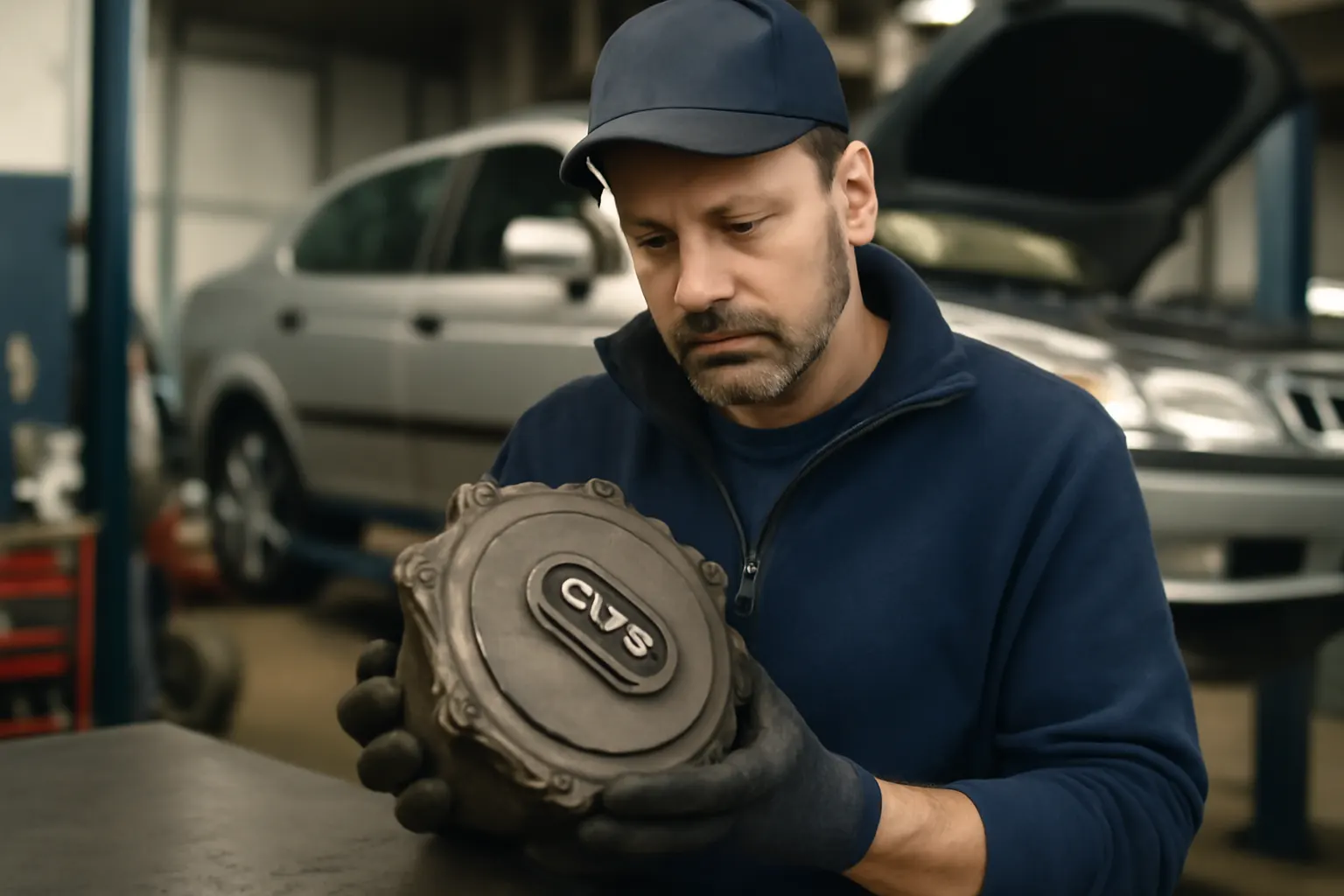
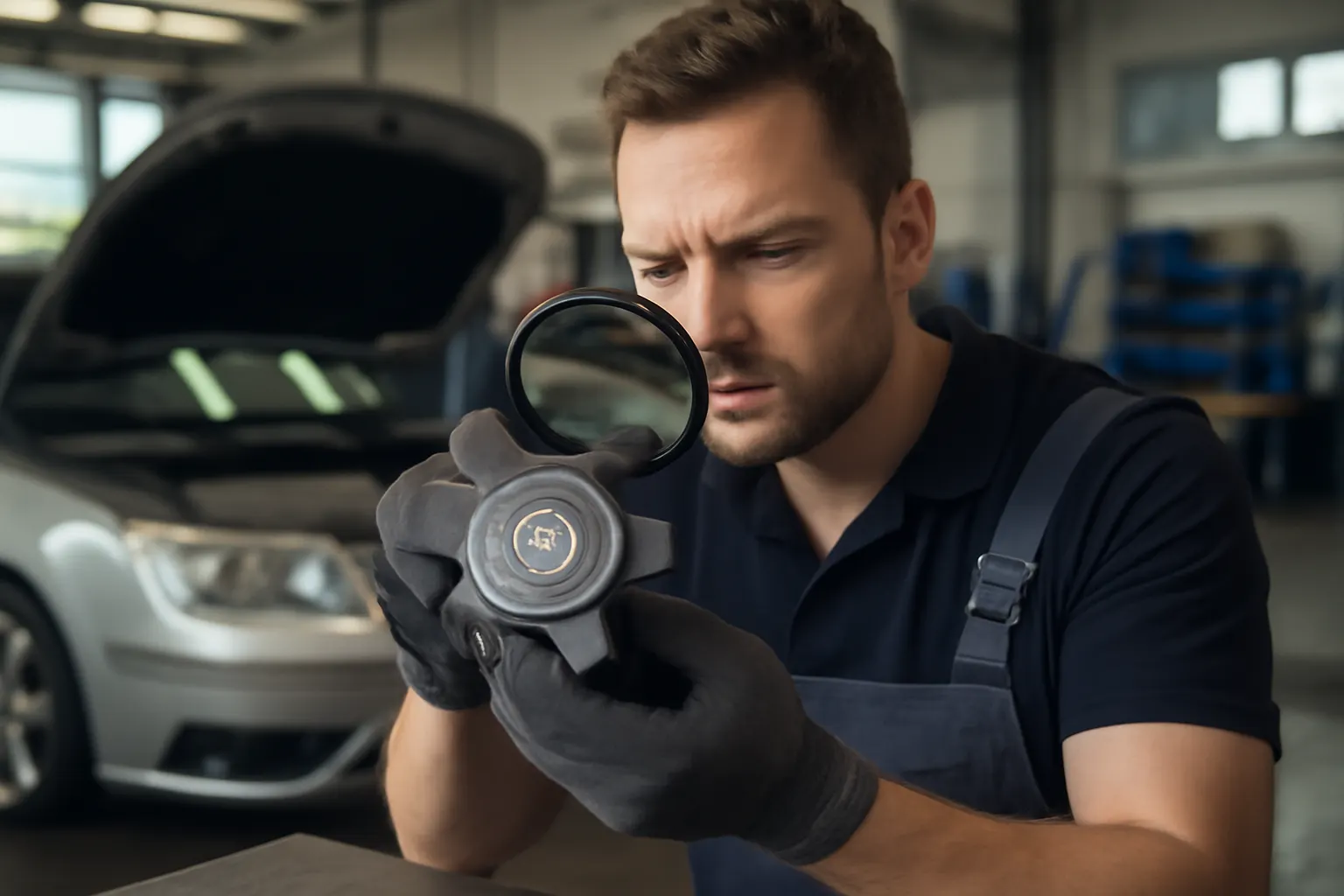
- Laser-etched part numbers: Genuine parts have crisp, permanent part numbers etched or stamped directly onto the component.
- Manufacturer codes: OEM supplier codes, such as “SKF,” “Valeo,” or “Bosch,” often appear alongside Saab branding.
- Country of origin: Authentic parts typically note their manufacturing origin (e.g., “Made in Sweden,” “Made in Germany”).
3. Material and Finish
- Consistent surface quality: Genuine components have uniform finishes, with no rough edges, casting flaws, or inconsistent paint.
- Weight and feel: Counterfeit parts may be lighter or feel less robust due to inferior materials—a concern highlighted by the DOE’s materials technologies research.
Digital Verification: Using Online Tools and Databases
Official Saab Parts Catalogs
The most reliable way to confirm a part’s authenticity is by cross-referencing its number and description in Saab’s official electronic parts catalog (EPC). Many trusted suppliers provide VIN-based lookup tools to ensure correct fitment.
Recall and Compliance Databases
- NHTSA recalls database: Search the NHTSA recalls portal for any Saab part or equipment recalls, which can help identify problematic counterfeit batches.
- SAE standards: Verify that replacement parts meet SAE International or equivalent regulatory standards for safety and performance.
Supplier Verification
- Authorized dealer lists: SaabParts.com and affiliated networks maintain lists of authorized retailers. Always check a supplier’s credentials before purchasing.
Common Counterfeit Saab Parts: What to Watch For
Certain categories of Saab parts are more frequently counterfeited due to high demand and critical function:
- Ignition cassettes and coils: Substandard electronics can cause misfires and engine damage.
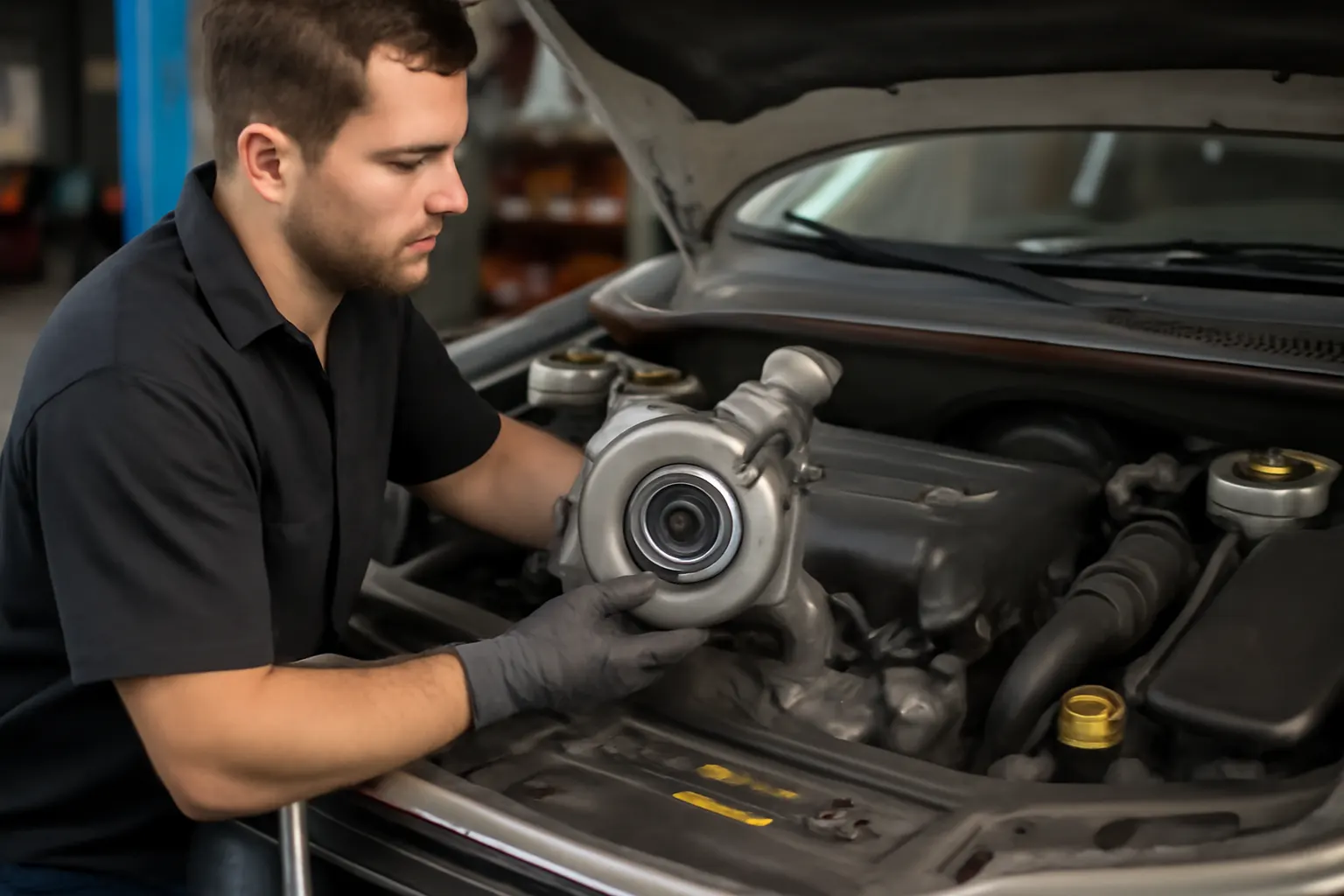
- Turbochargers: Inferior materials or incorrect tolerances can lead to catastrophic engine failure.
- Brake pads and rotors: Counterfeit friction materials may not meet safety standards.
- Sensors (ABS, MAF, O2): Non-genuine sensors can trigger persistent warning lights or degrade performance.
- Exterior emblems and trim: Cosmetic parts are easy targets for visual counterfeiting but can impact restoration authenticity.
For more on turbocharger pitfalls and expert replacement strategies, see our Saab Turbocharger Replacement: Pitfalls & Expert Tips.
Step-by-Step Checklist: Authenticating a Saab Part
Use this comprehensive checklist whenever you source a replacement Saab component:
Saab Genuine Parts Authentication Checklist
| Step | Action | What to Look For |
|---|---|---|
| 1 | Verify Part Number | Matches official Saab EPC and is not altered or obscured |
| 2 | Inspect Packaging | Saab branding, security hologram, barcode, no spelling errors |
| 3 | Examine Markings | Laser-etched/stamped numbers, OEM supplier codes, country of origin |
| 4 | Assess Material Quality | Consistent finish, correct weight, no casting flaws |
| 5 | Cross-Reference with VIN | Use online fitment tools to confirm compatibility |
| 6 | Check Supplier Credentials | Authorized Saab dealer or certified online retailer |
| 7 | Consult Recall Databases | Ensure part is not subject to NHTSA or manufacturer recall |
| 8 | Request Documentation | Ask for proof of origin or purchase from supplier |
| 9 | Compare Price | Beware prices significantly below market average |
| 10 | Review Return Policy | Reputable sellers offer clear return and warranty terms |
Diagnostic Implications: Risks of Installing Counterfeit Parts
Immediate and Long-Term Consequences
- Check engine lights and fault codes: Non-genuine parts often trigger persistent diagnostic trouble codes, leading to failed inspections and ongoing repair costs. Consult our Saab Engine Diagnostics: Common Codes and Fixes for troubleshooting.
- Premature wear or failure: Inferior materials can cause rapid deterioration, damaging adjacent systems (e.g., oil leaks from poor gaskets can harm turbochargers or exhaust systems).
- Safety system compromise: Counterfeit airbags, sensors, or brake components can fail in critical moments, endangering occupants.
Fuel Efficiency and Performance
Parts that do not meet Saab’s material and engineering standards can reduce fuel economy, as noted by the DOE’s vehicle technology research. For example, substandard oxygen sensors or fuel injectors can upset engine management, causing excessive fuel consumption.
Sourcing Genuine Saab Parts in 2024: Where and How
Trusted Channels
- Authorized Saab parts dealers: These suppliers maintain direct relationships with original manufacturers or Saab’s official parts program.
- Specialist Saab dismantlers: Reputable Saab-focused recyclers can provide tested used OEM parts, often with limited warranties.
- Certified online retailers: Look for platforms that offer VIN-based fitment verification and transparent sourcing information.
Red Flags for Counterfeit Sources
- Unusually low prices: If a deal seems too good to be true, it likely is.
- Lack of physical address or contact info: Reputable suppliers provide clear business details.
- No return or warranty policy: Avoid sellers unwilling to stand behind their products.
International Sourcing
Saab’s global following means genuine parts may be sourced internationally. Always check for import duties, authenticity guarantees, and compatibility with North American, European, or Asian models.
Maintenance Implications: Keeping Your Saab Authentic
Scheduled Inspections
Integrate regular part inspections into your maintenance routine. Use our Saab Maintenance Intervals & DIY Inspection Guide to schedule checks on high-risk components like ignition systems, brakes, and suspension.
Documentation and Record-Keeping
Maintain a detailed log of all parts installed, including part numbers, supplier invoices, and installation dates. This documentation supports resale value and simplifies future troubleshooting.
Fitment Verification
Before installation, always compare new parts with the originals for dimensions, connectors, and mounting points. Even minor discrepancies can signal a counterfeit or incorrect part.
Technical Fitment: Ensuring Compatibility in Saab’s Unique Systems
VIN-Based Fitment Tools
Leverage VIN-specific lookup tools provided by official and certified retailers. These systems ensure the selected part matches your Saab’s exact year, model, and trim.
Engineering Standards
Saab’s use of advanced materials and proprietary engineering (e.g., turbocharging, Trionic engine management, and safety systems) demands strict adherence to original specifications. Replacement parts should conform to established SAE standards for automotive systems.
Real-World Example
A common pitfall is fitting aftermarket ignition cassettes that visually resemble the original but lack proper internal circuitry. This can result in misfires, poor fuel economy, and even ECU damage.
The Role of Regulatory and Industry Standards
NHTSA and SAE Oversight
Parts installed on road vehicles must meet the safety and materials standards set by the National Highway Traffic Safety Administration and SAE International. Genuine Saab parts are engineered and tested to comply with these regulations.
Materials Technology
Authentic Saab parts utilize advanced materials for optimal strength, weight, and durability—critical for safety and performance. The DOE’s research on materials technologies underscores the risks of substituting inferior materials.
AutoPartEx Guidance: Your Partner in Saab Authenticity
AutoPartEx is dedicated to supporting Saab owners, restorers, and technicians with expert guidance, technical resources, and access to trusted parts suppliers. Our platform:
- Aggregates verified Saab parts listings from authorized suppliers and specialist dismantlers.
- Provides detailed fitment data to ensure technical compatibility.
- Offers editorial resources on maintenance, diagnostics, and restoration best practices.
For a full overview of available Saab categories, visit Saab Parts Categories.
Expert Action Steps: What to Do Next
- Audit your current parts inventory: Review past purchases and verify authenticity using the checklist above.
- Source future parts only from vetted suppliers: Use AutoPartEx and authorized Saab networks for peace of mind.
- Educate your shop or club: Share this guide and encourage best practices within your Saab community.
- Document everything: Keep records of all purchases, installations, and maintenance actions for your vehicle’s history.
- Stay informed: Monitor NHTSA recalls, SAE standards updates, and AutoPartEx editorial content for the latest in Saab parts authenticity.
By prioritizing authenticity and technical fitment, you protect your Saab’s performance, safety, and heritage—ensuring many more years of enjoyable, reliable motoring.