
Mitsubishi Auto Parts
How to Choose and Maintain Genuine Mitsubishi Auto Parts
Many Mitsubishi owners focus on brand reputation but overlook critical factors when selecting replacement parts. While Mitsubishi is known for reliable vehicles, neglecting recall checks or using non-genuine components can lead to safety or performance issues. Understanding these often-missed considerations is key to keeping your Mitsubishi running smoothly and avoiding costly surprises down the road. For more focused reading, explore Essential Mitsubishi Maintenance Intervals and Spotting Counterfeit Mitsubishi Parts.
When it comes to maintaining your Mitsubishi, most owners trust the brand’s reputation for reliability and longevity. However, relying solely on this reputation can sometimes mask important details about part selection and maintenance. Many drivers overlook the significance of verifying part authenticity or checking for manufacturer recalls, both of which can have a substantial impact on vehicle performance and safety. These overlooked details can make the difference between a smooth ride and unexpected breakdowns.
It’s easy to assume that all replacement parts labeled for Mitsubishi are created equal, but the reality is far more complex. The market is saturated with aftermarket, remanufactured, and even counterfeit components that may not meet the same standards as genuine Mitsubishi parts. This complexity is compounded by the evolving nature of vehicle recalls and the importance of adhering to manufacturer maintenance schedules. Failing to pay attention to these factors can result in subpar repairs, increased costs, or even safety risks.
Another often-missed consideration is the role of your vehicle’s unique identification number (VIN) in ensuring the compatibility and safety of replacement parts. The VIN not only identifies your specific Mitsubishi but also serves as a critical tool for checking recall status and verifying the correct components for your model and year. By understanding these nuances, Mitsubishi owners can make more informed decisions and protect their investment for the long term.
Selecting the right parts for your Mitsubishi involves more than just picking a component off the shelf. The automotive parts market is filled with options that vary widely in quality, origin, and compatibility. For Mitsubishi owners, this means navigating a landscape where genuine, remanufactured, and salvage parts are all available, each with its own set of advantages and drawbacks. The challenge is compounded by the presence of counterfeit parts, which can be difficult to distinguish from authentic ones without specialized knowledge or resources.
Vehicle recalls add another layer of complexity. Recalls are issued when a manufacturer or the National Highway Traffic Safety Administration (NHTSA) identifies a safety-related defect or failure to meet minimum safety standards. However, not all recalls are immediately visible to consumers, and some may not appear in databases if they are older than 15 years or have already been addressed. This means that even diligent owners can miss critical safety updates if they rely solely on general recall lists or outdated information.
Advertisement


Advertisement
More Mitsubishi parts
Filtering for MitsubishiBrowse nearby Mitsubishi inventory without leaving this page. Use search to filter by price, part number, or city.
No Data Available
Please check back soon when more inventory is available for this part.
Advertisement
Why Mitsubishi Owners Should Look Beyond Brand Reputation
When it comes to maintaining your Mitsubishi, most owners trust the brand’s reputation for reliability and longevity. However, relying solely on this reputation can sometimes mask important details about part selection and maintenance. Many drivers overlook the significance of verifying part authenticity or checking for manufacturer recalls, both of which can have a substantial impact on vehicle performance and safety. These overlooked details can make the difference between a smooth ride and unexpected breakdowns.
It’s easy to assume that all replacement parts labeled for Mitsubishi are created equal, but the reality is far more complex. The market is saturated with aftermarket, remanufactured, and even counterfeit components that may not meet the same standards as genuine Mitsubishi parts. This complexity is compounded by the evolving nature of vehicle recalls and the importance of adhering to manufacturer maintenance schedules. Failing to pay attention to these factors can result in subpar repairs, increased costs, or even safety risks.
Another often-missed consideration is the role of your vehicle’s unique identification number (VIN) in ensuring the compatibility and safety of replacement parts. The VIN not only identifies your specific Mitsubishi but also serves as a critical tool for checking recall status and verifying the correct components for your model and year. By understanding these nuances, Mitsubishi owners can make more informed decisions and protect their investment for the long term.

What Makes Mitsubishi Parts Selection Challenging?
Selecting the right parts for your Mitsubishi involves more than just picking a component off the shelf. The automotive parts market is filled with options that vary widely in quality, origin, and compatibility. For Mitsubishi owners, this means navigating a landscape where genuine, remanufactured, and salvage parts are all available, each with its own set of advantages and drawbacks. The challenge is compounded by the presence of counterfeit parts, which can be difficult to distinguish from authentic ones without specialized knowledge or resources.
Vehicle recalls add another layer of complexity. Recalls are issued when a manufacturer or the National Highway Traffic Safety Administration (NHTSA) identifies a safety-related defect or failure to meet minimum safety standards. However, not all recalls are immediately visible to consumers, and some may not appear in databases if they are older than 15 years or have already been addressed. This means that even diligent owners can miss critical safety updates if they rely solely on general recall lists or outdated information.
The VIN is a powerful tool for navigating these challenges, yet many owners do not realize its full potential. By using the VIN to check recall status and verify part compatibility, Mitsubishi owners can avoid the pitfalls of incorrect or unsafe repairs. However, this process requires regular attention and an understanding of how to interpret recall results and part catalogs. Without this diligence, it’s easy to overlook unresolved safety issues or order parts that do not fit or function as intended.
Counterfeit and non-genuine parts present a significant risk to Mitsubishi owners. These components may be marketed as compatible or even genuine but often fail to meet the manufacturer’s standards for quality and safety. Installing such parts can lead to poor fitment, reduced performance, or even hazardous situations on the road. Recognizing and avoiding counterfeit parts requires vigilance and access to reliable resources, such as official guides or trusted sellers.
Maintenance schedules are another source of confusion. While Mitsubishi provides detailed service intervals tailored to each model and driving condition, owners may receive conflicting advice from repair shops or online sources. Some shops may recommend unnecessary services, while others might overlook critical maintenance due to lack of familiarity with Mitsubishi’s specific requirements. This inconsistency can result in either wasted money or premature wear and failure of essential components.
Finally, the lack of standardized repair warranties and varying quality among repair shops can leave Mitsubishi owners uncertain about the long-term reliability of their repairs. Without clear documentation and a thorough understanding of the parts and procedures used, it’s difficult to assess whether a repair will stand the test of time. This uncertainty underscores the importance of informed decision-making and meticulous record-keeping throughout the maintenance and repair process.
A Step-by-Step Guide to Reliable Mitsubishi Parts and Service
The first step in ensuring the reliability and safety of your Mitsubishi is to verify your vehicle’s VIN and check for any outstanding recalls. Locate your 17-character VIN on the lower left of your windshield or on your registration documents. Use the NHTSA recall lookup tool or Mitsubishi’s own resources to determine if your vehicle is subject to any manufacturer recalls. Addressing recalls promptly is essential, as these repairs are typically performed free of charge and directly impact your vehicle’s safety and compliance.
Once you’ve confirmed your vehicle’s recall status, the next step is to identify the correct part for your specific Mitsubishi model and year. Using the VIN when ordering parts helps ensure that you receive components that are fully compatible with your vehicle’s specifications. If you’re unsure about the exact part number or fitment, consult with knowledgeable sellers or utilize Mitsubishi-specific guides. This attention to detail can prevent costly mistakes and ensure optimal performance.
Choosing between new, remanufactured, and salvage parts requires a careful assessment of your needs and budget. New parts offer the assurance of factory specifications and, in many cases, warranty coverage. Remanufactured parts are rebuilt to meet or exceed original standards and can provide a cost-effective alternative for many repairs. Salvage parts, sourced from used vehicles, may offer savings but can vary in condition and reliability. For critical safety components, new or remanufactured parts are generally the safer choice.
Vigilance against counterfeit parts is crucial. Be wary of deals that seem too good to be true or sellers who lack credible reviews and documentation. Use guides like Spotting Counterfeit Mitsubishi Parts for tips on identifying genuine components, and prioritize purchasing from reputable dealers or certified sources. Counterfeit parts not only jeopardize your vehicle’s performance but can also void warranties and create safety hazards.
Adhering to Mitsubishi’s recommended maintenance schedule is fundamental to preserving your vehicle’s longevity and reliability. Consult your owner’s manual or the Essential Mitsubishi Maintenance Intervals guide to determine the appropriate service intervals for oil changes, brake inspections, and component replacements. Avoid blindly accepting additional service recommendations from shops without understanding their necessity and how they align with your vehicle’s specific requirements.
Maintaining thorough repair records is another best practice. Always obtain a written repair estimate before authorizing any work, and request a completed repair order that details the services performed, parts used, costs, and odometer readings. These records not only help with future service decisions but also support warranty claims and enhance the resale value of your Mitsubishi.
For major or expensive repairs, don’t hesitate to seek a second opinion. If a shop recommends a service that deviates from the manufacturer’s maintenance schedule, ask for a clear explanation and consider consulting another qualified technician. This approach helps ensure that you’re not paying for unnecessary work and that all repairs are truly in your vehicle’s best interest.
By following these practical steps—verifying your VIN, confirming part compatibility, choosing the right type of part, guarding against counterfeits, adhering to maintenance schedules, keeping detailed records, and seeking second opinions—you can take control of your Mitsubishi’s care. These actions empower you to make informed decisions, reduce long-term costs, and keep your vehicle running safely and efficiently for years to come.
What the Experts and Official Sources Say
The National Highway Traffic Safety Administration (NHTSA) provides a comprehensive recall lookup tool that enables Mitsubishi owners to check for open recalls using their vehicle’s VIN. This tool is essential for identifying unrepaired safety recalls and ensuring that your Mitsubishi receives any necessary manufacturer remedies. According to the NHTSA, the VIN lookup will show if a specific vehicle needs to be repaired as part of a recall, but it will not display recalls that have already been addressed or those older than 15 years, except in rare cases where extended coverage is offered. This underscores the importance of regular checks, especially for newer vehicles, to maintain safety and compliance. NHTSA: Vehicle Recalls
The NHTSA recall process is designed to protect consumers by requiring manufacturers to notify registered owners by mail within 60 days of a recall decision. Manufacturers must offer a proper remedy, such as repair, replacement, or refund, and NHTSA monitors the effectiveness of these recalls. Owners are advised to follow interim safety guidance and contact their local dealership to address any open recalls for free. This process ensures that safety-related defects are promptly remedied, reducing the risk of accidents or failures related to known issues. NHTSA: Vehicle Recalls
The Federal Trade Commission (FTC) offers general consumer guidance on auto repairs, emphasizing the importance of transparency and informed decision-making. The FTC advises obtaining a written repair estimate that identifies the condition to be repaired, the parts needed, and anticipated labor charges. For complex or expensive repairs, a second opinion is recommended, and consumers should verify whether technicians have experience with their specific make and model. This advice is particularly relevant for Mitsubishi owners seeking specialized service. FTC: Auto Repair Basics
The FTC further distinguishes between new, remanufactured, and salvage parts, clarifying that salvage parts come from another vehicle without alteration and may not always be ideal depending on their condition or compatibility. Understanding these differences helps Mitsubishi owners make informed choices that balance quality and cost. The FTC also notes that there is no standard warranty on repairs, so it’s important to understand the coverage offered and obtain it in writing. This guidance does not establish specific failure rates or guarantee fitment but provides a framework for evaluating repair options. FTC: Auto Repair Basics
While the NHTSA and FTC provide robust frameworks for safety and consumer protection, neither source offers vehicle-specific technical specifications or claims about the frequency of Mitsubishi part failures. Instead, they emphasize the importance of using official lookup tools, following manufacturer maintenance schedules, and seeking qualified repair professionals. For Mitsubishi owners, this means relying on documented resources and expert advice rather than assumptions or anecdotal evidence. NHTSA: Vehicle Recalls, FTC: Auto Repair Basics
It’s important to note that a recall lookup does not prove that your specific Mitsubishi is subject to a recall—only that it may be included based on the VIN or model year. Similarly, the presence of a part in a catalog does not guarantee compatibility with your vehicle. Owners must use the VIN and consult with knowledgeable sellers or official guides to confirm fitment. This evidence-based approach helps avoid costly errors and ensures that repairs are both necessary and effective.
In summary, the published evidence from NHTSA and FTC supports a methodical, informed approach to Mitsubishi parts selection and maintenance. Regular recall checks, careful evaluation of parts and repair options, and diligent record-keeping are all recommended practices. While these sources do not provide detailed technical data for every Mitsubishi model, they establish a clear process for safeguarding your vehicle’s safety, performance, and value through proactive, evidence-based decision-making.
Take Control of Your Mitsubishi’s Maintenance Today
Protect your Mitsubishi by staying proactive about parts selection and maintenance. Start by verifying your recall status using your VIN, follow the manufacturer’s recommended service intervals, and insist on genuine or high-quality parts from reputable sources. Use official resources like the NHTSA recall lookup and FTC repair guidelines to inform your decisions, and keep detailed records of all work performed. For more guidance, explore our Essential Mitsubishi Maintenance Intervals and Spotting Counterfeit Mitsubishi Parts guides. Take these steps today to ensure your Mitsubishi remains safe, reliable, and ready for the road ahead.
References
- NHTSA: Vehicle Recalls
- FTC: Auto Repair Basics
References
- NHTSA: Vehicle Recalls - NHTSA, accessed 2026-11-01
- FTC: Auto Repair Basics - FTC, accessed 2026-11-01
Related Guides & Articles

Essential Mitsubishi Maintenance Intervals
Every Mitsubishi, regardless of model or year, relies on a schedule of periodic maintenance to keep running at its best. The most critical intervals are: Every 5,000–7,500 miles: Oil and filter change, tire rotation, basic safety inspection Every 15,000 miles: Air filter replacement, brake inspection, cabin filter replacement Every 30,000 miles: Transmission fluid check/replacement, spark plug inspection, fuel system check Every 60,000 miles: Timing belt/chain inspection or replacement (model-dependent), coolant flush, full brake service Every 100,000 miles: Major inspection, possible…
View Guide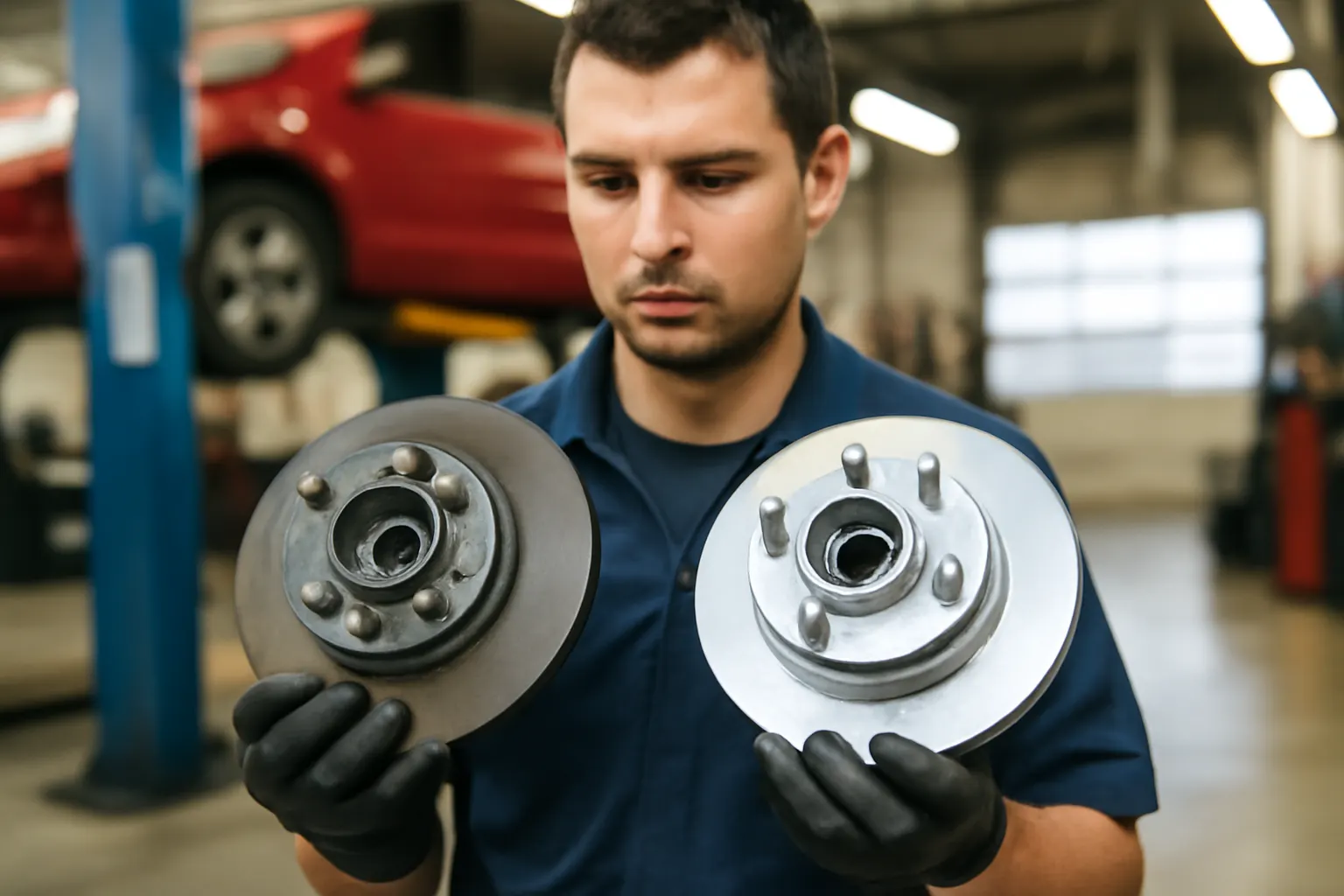
Spotting Counterfeit Mitsubishi Parts
At first glance, counterfeit Mitsubishi parts may look convincing, often mimicking OEM packaging and branding. However, these imitation components are produced without adherence to manufacturer specifications or industry safety standards. Installing a counterfeit part can result in: Immediate fitment issues or warning lights Rapid wear or catastrophic failure Compromised braking, steering, or engine operation Voided insurance or manufacturer support in the event of an accident Counterfeit Mitsubishi parts enter the supply chain through unauthorized online marketplaces, unscrupulous vendors, and even some seemingly reputable brick-and-mortar stores.
Read More
Mitsubishi VIN Lookup for OEM Parts
Your Mitsubishi’s VIN is a 17-character alphanumeric code that serves as the vehicle’s fingerprint. It encodes critical information such as model, engine type, transmission, trim, production year, and manufacturing plant. When ordering parts, especially for complex systems like engine management or safety equipment, using the VIN ensures you receive components designed for your exact vehicle.
View Guide
Mitsubishi Outlander Hybrid: Battery & Electrical Parts Guide
The Mitsubishi Outlander Plug-in Hybrid Electric Vehicle (PHEV) stands out for its efficiency, innovative drivetrain, and unique electrical architecture. Owners and technicians face a new set of challenges when it comes to sourcing, diagnosing, and maintaining battery and electrical parts for this advanced platform. This comprehensive guide delivers immediate, actionable answers on Outlander Hybrid battery and electrical service, best sourcing practices, and the long-term considerations that every hybrid owner and technician should know.
Read More