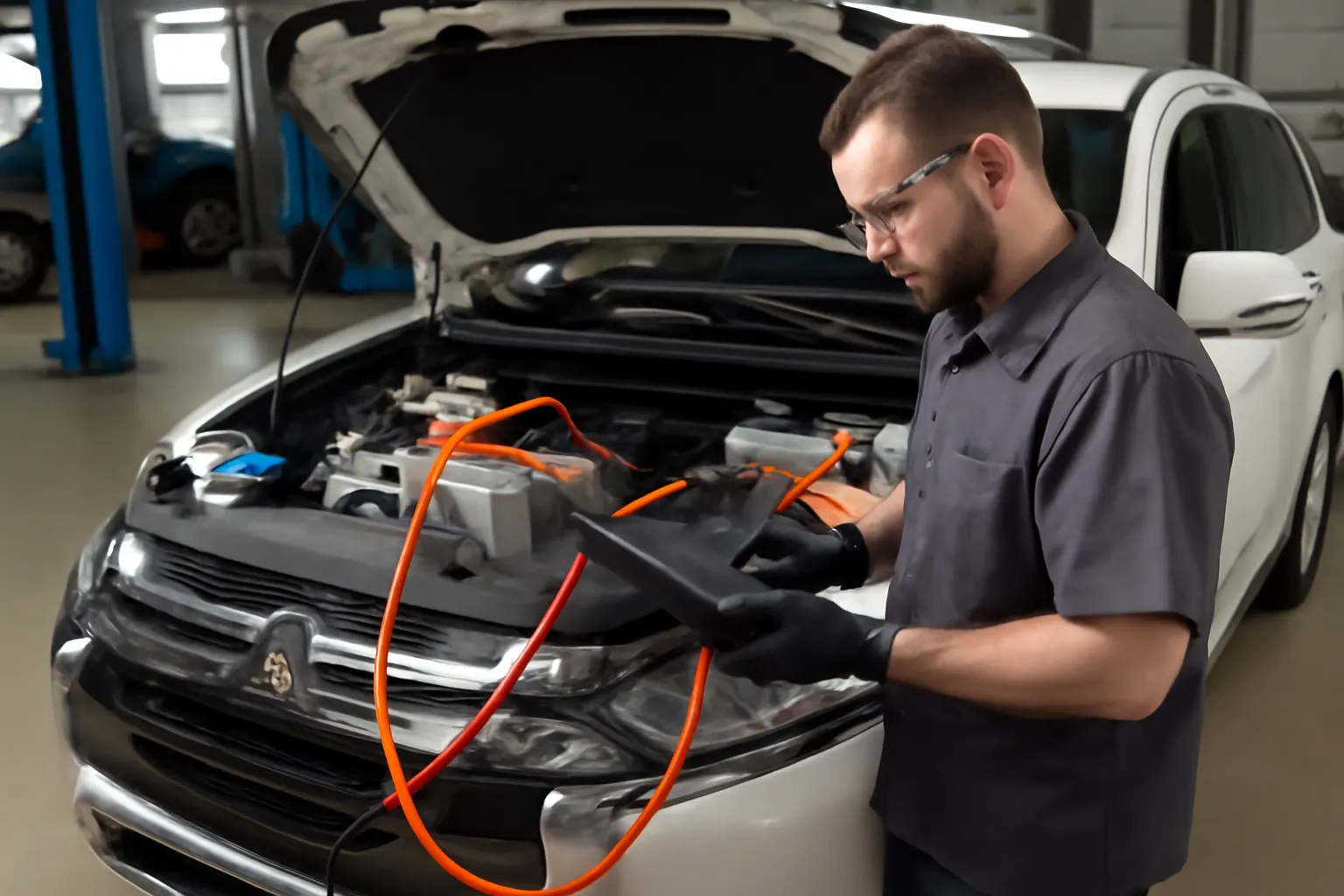
Spotting Counterfeit Mitsubishi Parts
Counterfeit Mitsubishi auto parts are a growing threat to your vehicle’s safety, performance, and longevity. Genuine OEM and high-quality aftermarket parts are engineered to strict tolerances, but fakes can cause compatibility issues, premature failures, and even dangerous malfunctions. This comprehensive guide from AutoPartEx will show you how to spot fake Mitsubishi parts, protect your investment, and ensure your car continues to deliver the reliability and efficiency you expect. For a complete selection of genuine and trusted aftermarket components, visit our Mitsubishi Auto Parts: Genuine OEM & Aftermarket Solutions | AutoPartEx page.
Why Counterfeit Parts Are a Serious Threat
At first glance, counterfeit Mitsubishi parts may look convincing, often mimicking OEM packaging and branding. However, these imitation components are produced without adherence to manufacturer specifications or industry safety standards. Installing a counterfeit part can result in:
- Immediate fitment issues or warning lights
- Rapid wear or catastrophic failure
- Compromised braking, steering, or engine operation
- Voided insurance or manufacturer support in the event of an accident
The National Highway Traffic Safety Administration (NHTSA) has repeatedly warned that substandard parts can undermine the safety systems that protect you and your passengers 1. Even seemingly minor components—such as filters, sensors, or bushings—play a critical role in your vehicle’s operation and compliance with safety regulations.
The Hidden Problem: How Counterfeits Enter the Market
Counterfeit Mitsubishi parts enter the supply chain through unauthorized online marketplaces, unscrupulous vendors, and even some seemingly reputable brick-and-mortar stores. These parts may be:
- Packaged to closely resemble OEM or trusted aftermarket brands
- Sold at prices that seem “too good to be true”
- Distributed through global networks that are difficult to track
What’s especially insidious is that counterfeiters are continually improving their ability to mimic genuine parts, making visual identification more challenging for anyone but a trained eye. As a result, even experienced technicians can be fooled, leading to widespread compatibility and safety issues.
Understanding the Technical Consequences
Safety Systems and Engineering Standards
Mitsubishi’s engineering teams design every component to meet strict safety and performance standards, such as those set by SAE International 2. Counterfeit parts rarely meet these standards, which can result in:
- Brake pads that overheat or disintegrate under load
- Airbags that fail to deploy or deploy incorrectly
- Suspension components that cannot withstand normal driving stresses
These failures can be catastrophic, with NHTSA reporting numerous recalls and investigations linked to substandard or counterfeit equipment 1. Even a single non-genuine part can compromise the integrity of entire vehicle systems.
Fuel Efficiency and Emissions
Genuine Mitsubishi parts are designed to maximize fuel efficiency and minimize emissions, in line with Department of Energy guidelines 3. Counterfeit filters, spark plugs, or sensors can:
- Cause engine misfires or rough running
- Reduce fuel economy by 10% or more
- Trigger check engine lights and emissions test failures
Over time, these issues can lead to costly repairs, increased fuel costs, and potential legal or regulatory trouble if your vehicle fails required inspections.
Common Counterfeit Mitsubishi Parts: High-Risk Categories
Some components are more frequently counterfeited than others due to high demand and ease of replication. The following categories deserve special attention:
- Brake Pads and Rotors: Fake pads may use inferior friction materials, causing rapid wear or brake fade.
- Oil, Air, and Cabin Filters: Imitations often lack proper filtration media, allowing contaminants to damage your engine or HVAC system.
- Spark Plugs and Ignition Coils: Non-genuine units can misfire, overheat, or cause electrical damage.
- Suspension Bushings and Control Arms: Counterfeits may use substandard rubber or metal, leading to poor handling and premature failure.
- Timing Belts and Chains: Low-quality materials can snap or stretch, risking catastrophic engine damage.
Other at-risk items include sensors, lighting assemblies, and body panels. Always verify the authenticity of parts in these categories before installation.
Visual and Physical Inspection: How to Spot a Fake
While counterfeiters are increasingly sophisticated, careful inspection can reveal telltale signs of a fake Mitsubishi part. Use this checklist when evaluating any part:
Counterfeit Mitsubishi Parts Checklist
| Inspection Point | Genuine Part | Counterfeit Warning Signs |
|---|---|---|
| Packaging | Crisp printing, correct logos, barcodes, part numbers | Misspelled words, faded ink, missing barcodes, unusual fonts |
| Part Number | Matches Mitsubishi catalog exactly | Extra digits, missing prefix, or odd suffixes |
| Material Quality | Smooth finishes, robust plastics/metals | Brittle, thin, or rough materials; uneven edges |
| Dimensions and Fitment | Matches OEM specs, fits perfectly | Slightly off dimensions, loose or tight fit |
| Serial Numbers & Holograms | Present and verifiable | Missing, generic, or poorly printed |
| Price | Consistent with reputable sources | Significantly under market value |
| Vendor Source | Authorized dealer or trusted retailer | Unknown seller, online auction, or “gray market” |
If any of these warning signs are present, do not install the part. Contact a Mitsubishi dealer or trusted supplier for verification.
Packaging and Labeling: The First Line of Defense
Authentic Mitsubishi parts come packaged in high-quality boxes or bags with:
- Consistent branding, including the Mitsubishi logo and correct color schemes
- Clear part numbers, barcodes, and sometimes QR codes for digital verification
- Manufacturer information and country of origin
Counterfeits often cut corners on packaging. Look for:
- Blurry or off-color printing
- Inconsistent placement of logos or information
- Missing or generic packaging inserts
If you are ever in doubt, compare the packaging to a known genuine part or consult your dealer.
Fit, Finish, and Material Differences
A genuine Mitsubishi part will feel substantial and well-finished. Examine:
- Weight: Counterfeits may feel lighter (due to inferior materials) or heavier (due to fillers).
- Surface Texture: Look for smooth, even surfaces and consistent paint or coatings.
- Seams and Mold Lines: Genuine parts have clean, precise seams; fakes may have rough edges or excess flashing.
For electronic components, check connectors and pins for alignment and sturdiness. Poor fit or loose connections are a red flag.
The Role of Engineering and Materials Technology
Mitsubishi, like all major automakers, invests heavily in materials engineering to ensure parts meet performance and safety requirements 4. Counterfeiters cannot match the advanced alloys, plastics, and composites used in OEM parts. For example:
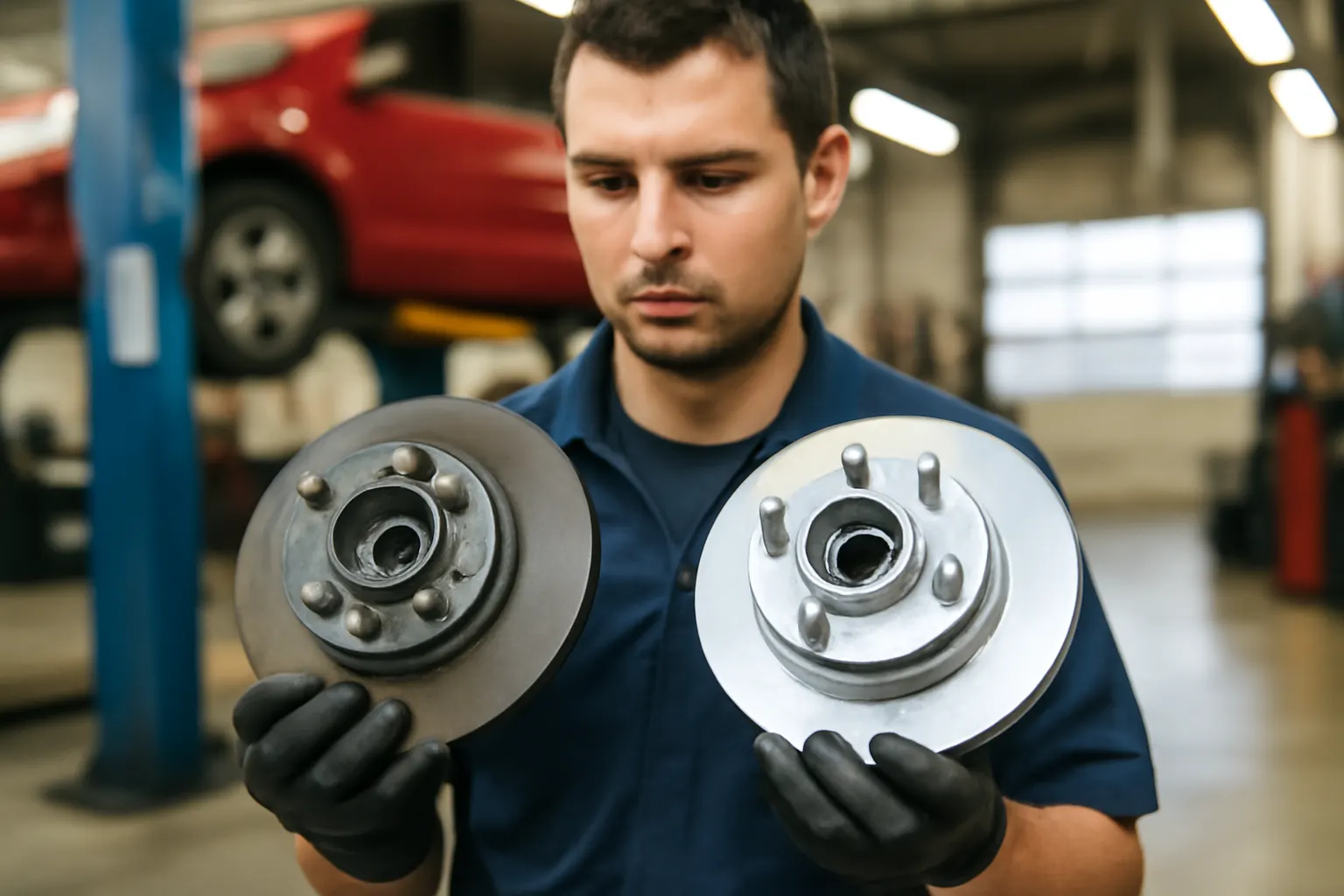
- Brake Rotors: Genuine rotors are cast and machined to precise tolerances; fakes may have air pockets, uneven thickness, or poor heat dissipation.
- Filters: Authentic filters use multi-layer synthetic media; counterfeits may use cheap paper or even fabric scraps.
Refer to the Materials Technologies guidelines for insight into why proper materials matter for automotive reliability and efficiency.
Buying Guidance: How to Source Genuine Mitsubishi Parts
The best defense against counterfeit parts is to buy from reputable sources. Follow these steps:
- Use Authorized Dealers: Purchase from Mitsubishi dealerships or certified online retailers.
- Check Part Numbers: Confirm that the part number matches the official Mitsubishi catalog for your model and year. Use the Mitsubishi VIN Lookup for OEM Parts to verify compatibility.
- Request Documentation: Ask for proof of authenticity, such as invoices, manufacturer documentation, or authentication codes.
- Avoid Suspicious Deals: Be wary of prices that are dramatically lower than market averages.
- Inspect on Delivery: Open the package immediately upon receipt and inspect for the warning signs listed above.
If you suspect a part is counterfeit, do not install it. Report the vendor to Mitsubishi or your local authorities.
Installation and Diagnostic Red Flags
Sometimes, counterfeit parts only reveal themselves during installation or operation. Watch for these warning signs:
- Fitment Problems: The part does not align or seat correctly, requiring excessive force or modification.
- Unusual Noises: Squeaks, rattles, or grinding noises after installation, especially for brake or suspension parts.
- Warning Lights: Check engine, ABS, or airbag warning lights that appear after part replacement.
- Poor Performance: Noticeable loss in braking, handling, acceleration, or fuel economy.
If you encounter any of these issues, remove the part and consult a professional technician. Use diagnostics tools to scan for error codes and confirm the suspected part’s performance.
Maintenance and Longevity: The Hidden Costs of Counterfeits
While a counterfeit part may seem to work initially, its lifespan is typically a fraction of a genuine or high-quality aftermarket component. This can lead to:
- Accelerated Wear: Other connected parts may fail early due to increased friction, heat, or vibration.
- Safety Risks: Brakes, steering, and suspension components can fail suddenly, especially under stress.
- Repeated Repairs: Short-lived parts mean more frequent repairs, increased downtime, and higher long-term costs.
Regular maintenance using trusted parts is essential. For a detailed schedule, consult our Essential Mitsubishi Maintenance Intervals guide.
Regulatory and Safety Implications
Federal agencies such as NHTSA and the Department of Energy emphasize the critical importance of using approved vehicle equipment 13. Counterfeit parts can:
- Cause your vehicle to fail safety inspections or emissions tests
- Lead to manufacturer recalls or investigations
- Expose you to civil or criminal liability in the event of an accident
Always ensure your vehicle is equipped with parts that meet or exceed OEM and federal safety standards. Refer to the Vehicle Safety and Equipment and SAE Standards for more information.
Steps to Take if You Discover a Counterfeit Part
If you suspect or confirm that a part is counterfeit:
- Do Not Use or Install the Part: Remove it from your vehicle if already installed.
- Document Everything: Take photos of the part, packaging, and any receipts or correspondence.
- Contact the Seller: Request a refund and notify them of your findings.
- Report to Authorities: Notify Mitsubishi Motors, NHTSA, or your local consumer protection agency.
- Warn Others: Leave reviews and share your experience to help others avoid the same mistake.
Retaining all documentation will help with potential refunds, investigations, or insurance claims.
AutoPartEx: Your Partner in Genuine Mitsubishi Parts
At AutoPartEx, we are dedicated to helping drivers source genuine OEM and high-quality aftermarket Mitsubishi parts with confidence. Our extensive catalog is backed by:
- Verified sourcing from authorized distributors
- Detailed fitment and compatibility information
- Expert technical support for diagnostics, installation, and maintenance
Whether you’re maintaining a classic Lancer, upgrading your Outlander, or servicing a hybrid system, our team ensures you receive the right part every time. Explore our full selection at Mitsubishi Auto Parts: Genuine OEM & Aftermarket Solutions | AutoPartEx.
The Bottom Line: Protect Your Vehicle, Safety, and Investment
Counterfeit Mitsubishi parts are more than just a nuisance—they are a direct threat to your vehicle’s reliability, your safety, and your wallet. By learning how to spot fakes, sourcing parts from trusted suppliers, and verifying authenticity at every step, you can keep your Mitsubishi performing at its best for years to come.
For VIN-based part matching, model-specific guidance, and expert tips, check out our Mitsubishi VIN Lookup for OEM Parts and Mitsubishi Outlander Hybrid: Battery & Electrical Parts Guide.
Stay vigilant, stay informed, and trust AutoPartEx for all your Mitsubishi parts needs.
References
- Vehicle Safety and Equipment – National Highway Traffic Safety Administration
- SAE Standards – SAE International
- Fuel Efficiency – United States Department of Energy
- Materials Technologies – United States Department of Energy