
Hudson Auto Parts
Navigating Hudson Auto Parts: Authenticity, Fitment, and Restoration
Restoring a classic Hudson vehicle is a rewarding journey, but it presents unique challenges—especially when sourcing authentic parts. Many enthusiasts overlook the importance of verifying part authenticity and fitment before purchase. This guide explores the essential steps and evidence-based practices for selecting, verifying, and installing Hudson auto parts, helping you avoid common pitfalls and preserve your vehicle’s legacy.
Advertisement
No Products Found
We're currently updating our inventory for Hudson parts.
Please check back soon or contact us for specific part availability.
Advertisement
More Hudson parts
Filtering for HudsonBrowse nearby Hudson inventory without leaving this page. Use search to filter by price, part number, or city.
No Data Available
Please check back soon when more inventory is available for this part.
Advertisement
Why Authentic Hudson Parts Deserve Closer Attention
Classic car restoration often focuses on visible upgrades and performance, but the authenticity and fitment of replacement parts can have a lasting impact on the value and reliability of a Hudson vehicle. Many owners are drawn to the allure of rare finds or aftermarket solutions, yet the subtle differences between original equipment and reproductions can be easily overlooked. These differences may not be immediately apparent, but they can influence everything from the car’s appearance to its long-term functionality and even its eligibility for certain shows or resale markets.
The challenge of sourcing genuine Hudson parts is compounded by the brand’s unique history and the scarcity of surviving vehicles. Unlike more common makes, Hudson’s production numbers were limited, and their parts often feature distinctive engineering choices. As a result, the market for Hudson components is filled with both authentic and reproduction items, as well as salvage parts from donor vehicles. Each category comes with its own risks and benefits, making careful evaluation essential for any restoration project.
Enthusiasts new to Hudson restoration may underestimate the complexity of verifying part compatibility and provenance. While it might be tempting to rely on seller claims or visual similarities, these approaches can lead to costly mistakes. Understanding the nuances of Hudson’s model-year changes, chassis variations, and the evolving aftermarket landscape is crucial. This guide aims to shed light on these often-overlooked considerations, setting the stage for informed decisions and successful restorations.
The Challenge of Hudson Parts: Authenticity, Fitment, and Aftermarket Risks
Restoring a Hudson vehicle is not just about finding any part that fits; it’s about finding the right part that preserves the vehicle’s originality and performance. The scarcity of Hudson-specific components means that many restorers face difficult choices between authenticity, availability, and cost. Aftermarket and reproduction parts may offer convenience, but they often lack the precise specifications and materials of original equipment, potentially compromising the restoration’s integrity.
One of the most significant issues is the risk of installing incompatible or incorrectly labeled parts. Hudson vehicles, especially those from the Step-Down era, underwent frequent design updates and running changes. Parts that appear interchangeable may have subtle differences in mounting points, dimensions, or finishes. Without thorough verification, restorers risk investing in components that do not function as intended or that detract from the car’s historical accuracy.
The prevalence of salvage and used parts adds another layer of complexity. While salvage components can be a valuable resource, their condition and provenance are often uncertain. Wear, corrosion, or previous modifications may not be immediately visible, and there is little standardization in how these parts are graded or described. This uncertainty can lead to unexpected failures or the need for costly rework after installation.
Documentation and reference materials for Hudson vehicles are less comprehensive than for more mainstream brands. Factory parts catalogs, service manuals, and model-year fitment guides are essential tools, but they may not cover every variation or late-production change. This gap in documentation makes it challenging to confirm compatibility, especially for owners working on rare or transitional models. In some cases, even experienced restorers rely on community knowledge or field experiences to fill in the blanks.
Another overlooked risk is the impact of non-authentic parts on a vehicle’s value and eligibility for concours events or collector markets. Judges and discerning buyers often scrutinize details such as casting numbers, finishes, and hardware. A restoration that incorporates reproduction or non-OEM components may be penalized or undervalued, even if the car appears complete and functional. This consideration is especially important for owners who view their Hudson as an investment or a piece of automotive history.
Finally, the lack of standardized warranties or guarantees for vintage parts can leave buyers exposed to financial risk. Unlike modern components, which often come with manufacturer-backed assurances, Hudson parts—whether new old stock, reproduction, or salvage—are typically sold as-is. This reality underscores the importance of due diligence before purchase, including verifying seller reputation, part provenance, and return policies. Informed buyers are better positioned to avoid disappointment and protect their restoration investment.
Practical Steps for Sourcing and Verifying Hudson Auto Parts
The first step in sourcing Hudson parts is to develop a clear understanding of your vehicle’s exact model, year, and production details. Consult the Hudson Model-Year Fitment Reference to identify any running changes or unique features that may affect part compatibility. Document your vehicle’s VIN, chassis number, and any distinguishing characteristics, as these details will be essential when communicating with sellers or searching catalogs.
Next, prioritize original equipment manufacturer (OEM) parts whenever possible, as these components are most likely to match factory specifications. Use reputable sources such as established Hudson parts specialists, enthusiast forums, and vetted online marketplaces. When considering a part, request detailed photographs, casting numbers, and any available documentation to verify authenticity. Compare these details against factory references or known original examples to confirm provenance.
If OEM parts are unavailable, evaluate reproduction and aftermarket options with caution. Research the manufacturer’s reputation and seek feedback from other Hudson owners who have used the same components. Be aware that some reproductions may require minor modifications or may not replicate original finishes and materials. When possible, request a sample or inspect the part in person before committing to a purchase. Document any deviations from factory specifications for future reference.
Salvage parts can be a viable alternative, especially for hard-to-find components. However, it’s important to assess the condition thoroughly. Ask sellers for detailed photos showing wear, corrosion, and any previous repairs. Inquire about the part’s history, including the donor vehicle’s mileage and storage conditions. If possible, test-fit salvage parts before final installation to ensure proper function and fitment. Retain all correspondence and transaction records in case issues arise after purchase.
Before authorizing any major repair or installation, obtain a written estimate that identifies the condition to be repaired, the parts needed, and anticipated labor charges. This step, recommended by the FTC, helps clarify expectations and provides a basis for comparison if a second opinion is needed. Ensure that the repair order lists all work performed, parts installed, and associated costs, along with odometer readings for future reference. This documentation can be invaluable for future maintenance or resale.
Work with technicians or restoration specialists who have experience with Hudson vehicles. Ask about their familiarity with your specific model and request references or examples of previous projects. Experienced professionals are more likely to recognize subtle differences between parts and can offer guidance on sourcing and installation. If you’re working with a new shop, consider starting with a smaller project to evaluate their expertise before committing to a full restoration.
Stay informed about potential recalls or safety issues, even for vintage vehicles. While the NHTSA recall database primarily covers modern cars, it can provide general guidance on safety standards and defect reporting. Register your vehicle and check for updates periodically, especially if you plan to drive your Hudson regularly. Although most recalls do not apply to classic models, staying proactive about safety is always prudent.
Finally, maintain a detailed log of all parts sourced, repairs performed, and modifications made during the restoration process. This record not only helps with future maintenance but also adds value and credibility if you decide to sell or show your vehicle. Include photographs, receipts, and correspondence with sellers or shops. A well-documented restoration demonstrates professionalism and can help resolve disputes over authenticity or workmanship.
Evidence-Based Guidance: What the Experts and References Establish
The Federal Trade Commission’s guidance on auto repair highlights the importance of obtaining written repair estimates, identifying the specific condition to be addressed, and understanding the parts and labor involved. The FTC distinguishes between new, remanufactured, and salvage parts, emphasizing that salvage components come from another vehicle without alteration. This underscores the need for transparency and documentation when sourcing used Hudson parts, as their condition and provenance can vary widely. The FTC also advises that there is no standard warranty on repairs, so buyers should seek written confirmation of any guarantees or return policies. These recommendations are not specific to Hudson but provide a solid foundation for any classic car restoration project. See FTC: Auto Repair Basics.
The NHTSA recall database is a valuable resource for identifying known safety issues and recalls, but it is important to note its limitations for classic vehicles like Hudsons. According to the NHTSA, recall information is typically limited to vehicles less than 15 years old and may not include data from small or specialty manufacturers. For Hudson vehicles, which ceased production decades ago, this means that most recall records are unavailable or incomplete. However, the NHTSA process for defect reporting and investigation remains relevant, as it outlines how safety issues are identified and addressed. Owners of classic vehicles can still file complaints or review general safety standards, but should not expect to find Hudson-specific recall campaigns. See NHTSA: Vehicle Recalls.
When comparing OEM, reproduction, and salvage parts, the FTC’s advice to ask about technician experience with the same make or model becomes particularly relevant for Hudson restorations. Given the brand’s unique engineering and limited documentation, working with specialists who understand Hudson’s nuances can help avoid costly mistakes. The FTC also recommends comparing shop recommendations with the manufacturer’s maintenance schedule, although for Hudsons, this may require consulting period literature or community resources. These steps help ensure that repairs are both necessary and appropriate for the vehicle’s age and condition. See FTC: Auto Repair Basics.
The process of verifying part authenticity and fitment is further supported by community-driven resources and model-year fitment guides. While not all Hudson references are comprehensive, the existence of guides such as the Hudson Model-Year Fitment Reference and restoration blogs demonstrates the value of collective knowledge. These resources often document field experiences, running changes, and common pitfalls, providing practical insights that may not be found in official catalogs. For example, field reports may highlight differences in mounting hardware or finishes that are not captured in factory literature, helping restorers make informed decisions. See Hudson Model-Year Fitment Reference and Sourcing Rare Hudson OEM Parts: Field Experiences.
Authenticity concerns are addressed in depth in restoration-focused publications, which caution against the risks of using non-OEM or poorly documented parts. These sources note that concours judges and serious collectors often scrutinize details such as casting numbers and finishes, and may penalize vehicles that incorporate reproduction or aftermarket components. While these penalties do not affect drivability, they can influence a car’s value and reputation within the collector community. This evidence supports the recommendation to document all parts and modifications, and to prioritize OEM components when possible. See Hudson Restoration Pitfalls: Authenticity & Aftermarket Risks.
The lack of standardized warranties for vintage Hudson parts is a recurring theme in both consumer protection and restoration literature. The FTC explicitly states that there is no standard warranty on repairs, and that buyers should understand coverage terms and get them in writing. This is particularly important for classic car parts, which are often sold as-is and may not be returnable. Buyers should carefully review seller policies and retain all documentation to protect against disputes or unexpected failures. See FTC: Auto Repair Basics.
Finally, the broader context of classic car restoration emphasizes the importance of thorough documentation, both for maintenance and for future resale or judging. Restoration guides and field experience blogs recommend maintaining a detailed log of all parts, repairs, and modifications, supported by photographs and receipts. This practice not only simplifies future maintenance but also adds credibility and value to the vehicle. Well-documented restorations are more likely to command higher prices and to be recognized at shows or in collector circles. See Hudson Step-Down Chassis Restoration Guide and Sourcing Rare Hudson OEM Parts: Field Experiences.
Take the Next Step Toward a Successful Hudson Restoration
Restoring a Hudson is a journey that rewards careful research, documentation, and attention to detail. By leveraging authoritative references, seeking experienced advice, and thoroughly verifying every part, you can protect your investment and preserve your vehicle’s legacy. Explore the Hudson Model-Year Fitment Reference, connect with knowledgeable specialists, and maintain meticulous records throughout your project. Your commitment to authenticity and evidence-based practices will ensure your Hudson stands out for all the right reasons.
References
- NHTSA: Vehicle Recalls
- FTC: Auto Repair Basics
References
- NHTSA: Vehicle Recalls - NHTSA, accessed 2026-11-01
- FTC: Auto Repair Basics - FTC, accessed 2026-11-01
Related Guides & Articles

Hudson Step-Down Chassis Restoration Guide
Restoring a Hudson step-down chassis to OEM-grade authenticity is a demanding but rewarding endeavor. This guide delivers a practical, step-by-step framework for bringing the legendary Hudson step-down platform back to its original glory. We’ll cover essential fitment checks, critical structural diagnostics, sourcing recommendations, and proven restoration strategies—all grounded in current safety, materials, and performance standards. For owners and restorers aiming for period-correct results, this guide is your authoritative resource.
View Guide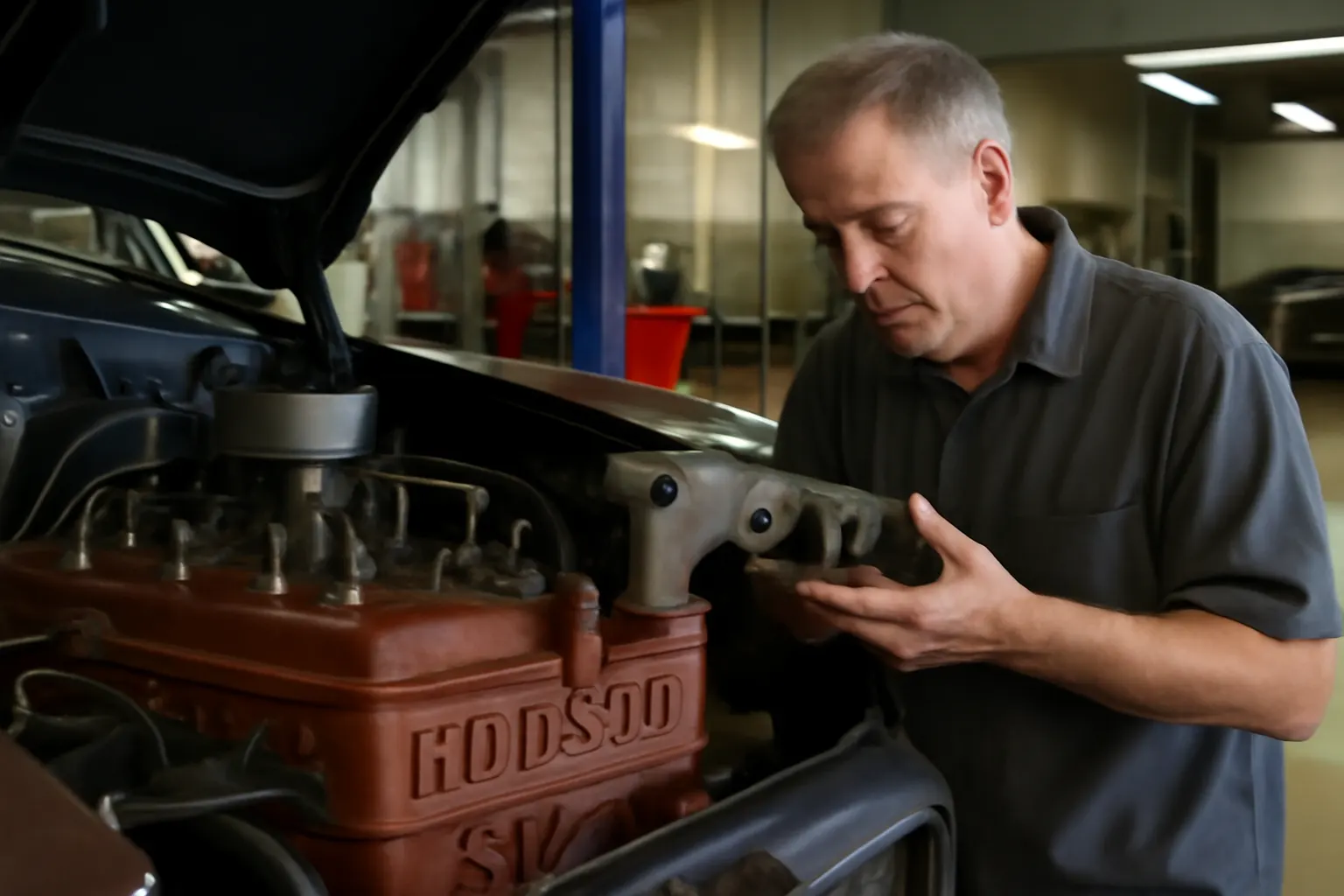
Sourcing Rare Hudson OEM Parts: Field Experiences
Tracking down authentic, OEM-grade Hudson parts is a challenge that every serious restorer faces. Whether you’re working on a 1948 Commodore, a Step-Down chassis, or a Hornet Twin H-Power, finding the right part—verified, safe, and true to Hudson’s heritage—can make or break your restoration. In this comprehensive field report, we share real-world stories and actionable strategies from the shop floor: how seasoned Hudson restorers source rare components, verify authenticity, avoid counterfeits, and ensure that every bolt and bracket meets both fitment and safety standards.
Read More
Hudson Model-Year Fitment Reference
Hudson vehicles—revered for their innovative engineering and iconic step-down chassis—demand precision in part fitment, especially as original examples age and restoration efforts intensify. This comprehensive guide delivers a year-by-year breakdown of Hudson model fitment data, compatibility notes, and technical diagrams, enabling enthusiasts and restorers to choose components with confidence. Whether you’re restoring a 1948 Commodore or maintaining a rare 1954 Hornet, accurate fitment is essential to preserve both authenticity and roadworthiness.
View Guide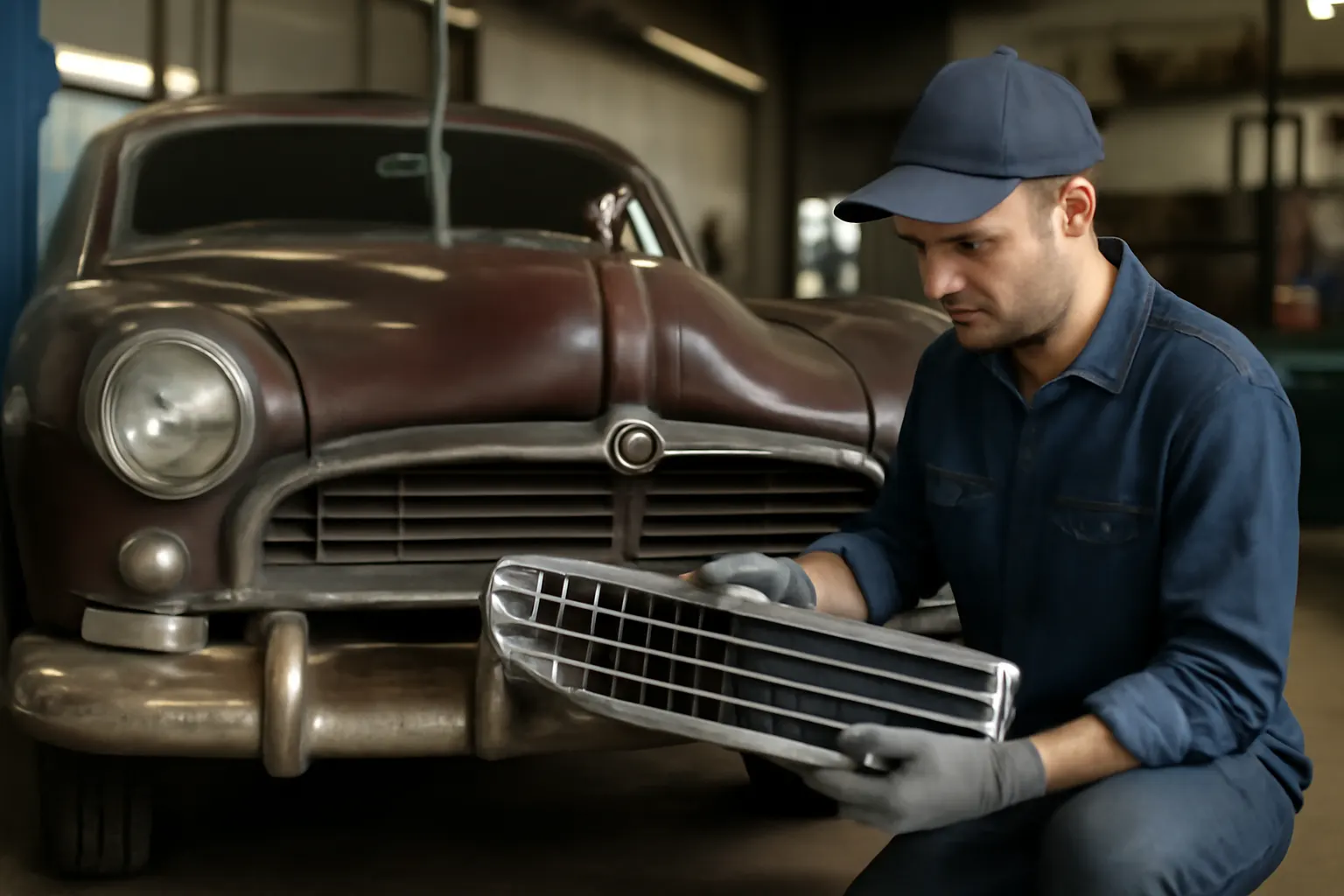
Hudson Restoration Pitfalls: Authenticity & Aftermarket Risks
While many restoration enthusiasts believe that sourcing any “close enough” part is a pragmatic solution to rare Hudson components, this shortcut is fraught with risks. The classic car aftermarket is rife with counterfeit parts—especially for brands like Hudson, where original equipment manufacturer (OEM) items are scarce. These counterfeits can be visually convincing but are often made from substandard materials, lack proper engineering tolerances, and may even be unsafe to install.
Read More