Advertisement
Restoring a classic Hudson is a labor of love, but without rigorous attention to authenticity and fitment, even the most passionate projects can go sideways. The most common Hudson restoration pitfalls—counterfeit parts, improper aftermarket components, and fitment errors—can undermine both the value and safety of your vehicle. This guide delivers immediate, actionable advice on how to spot, prevent, and resolve these issues before they compromise your Hudson’s heritage or reliability. For a broader look at Hudson’s unique legacy and how genuine parts affect both value and function, visit our Hudson Auto Parts: OEM-Grade Heritage, Fitment Risks & Authenticity | AutoPartEx page.
The Immediate Answer: Prioritize Authenticity, Verify Fitment, Avoid Counterfeits
If you’re restoring a Hudson, always verify the provenance of every part, cross-check fitment with original manufacturer specifications, and be wary of aftermarket components that promise universal compatibility. This approach is essential not only for preserving the vehicle’s value and historical integrity, but also for ensuring safety and performance. Counterfeit and ill-fitting parts can lead to mechanical failures, safety hazards, and significant financial loss.
The Hidden Problem: Counterfeits and Aftermarket Shortcuts
While many restoration enthusiasts believe that sourcing any “close enough” part is a pragmatic solution to rare Hudson components, this shortcut is fraught with risks. The classic car aftermarket is rife with counterfeit parts—especially for brands like Hudson, where original equipment manufacturer (OEM) items are scarce. These counterfeits can be visually convincing but are often made from substandard materials, lack proper engineering tolerances, and may even be unsafe to install.
Aftermarket parts, even from reputable suppliers, may not always meet the precise specifications Hudson used in its original manufacturing. Fitment errors are common, and these can cascade into broader mechanical issues, from drivetrain misalignments to compromised suspension geometry. The temptation to use “universal-fit” or “adaptable” parts can be particularly strong given the rarity of genuine Hudson components, but this often leads to more time and money spent correcting mistakes.
Expanding the Problem: Why Hudsons Are Especially Vulnerable
Hudson vehicles, produced from 1909 until their merger with Nash in 1954, are prized for their unique engineering. Features like the “step-down” chassis, specialized suspension components, and proprietary drivetrains mean that parts interchangeability is extremely limited compared to other classics of the era. As a result, the following issues are especially pronounced:
- Limited Documentation: Factory service manuals and parts catalogs are rare, making it difficult to verify correct fitment and specifications.
- Obsolete Supplier Networks: Many original suppliers no longer exist, increasing the prevalence of reproduction and counterfeit parts.
- Unique Engineering: Hudson’s innovative chassis and body construction means that even small deviations in part design can have outsized effects on performance and safety.
Without a clear understanding of these vulnerabilities, restoration projects can quickly devolve into an endless cycle of trial-and-error.
The Technical Side: How Counterfeit and Aftermarket Parts Impact Safety
The National Highway Traffic Safety Administration (NHTSA) has repeatedly warned about the dangers of counterfeit and substandard automotive parts. For vintage vehicles, the risks are amplified:
- Structural Integrity: Counterfeit suspension or frame components may use inferior metals, compromising crashworthiness and durability (NHTSA Vehicle Safety and Equipment).
- Mechanical Reliability: Poorly machined gears, bearings, or bushings can cause drivetrain failures or catastrophic engine damage.
- Material Science Gaps: Modern materials may not match the original specifications for weight, flexibility, or corrosion resistance (DOE Materials Technologies).
- Fuel Efficiency and Performance: Incorrect carburetor or fuel system components can lead to poor combustion, reduced efficiency, and increased emissions (DOE Fuel Efficiency).
These issues aren’t just theoretical—real-world incidents of brake failures, steering loss, and even fires have been traced to non-authentic parts in classic car restorations.
Advertisement
Common Pitfalls in Hudson Restoration Projects
1. Misidentifying Genuine Hudson Parts
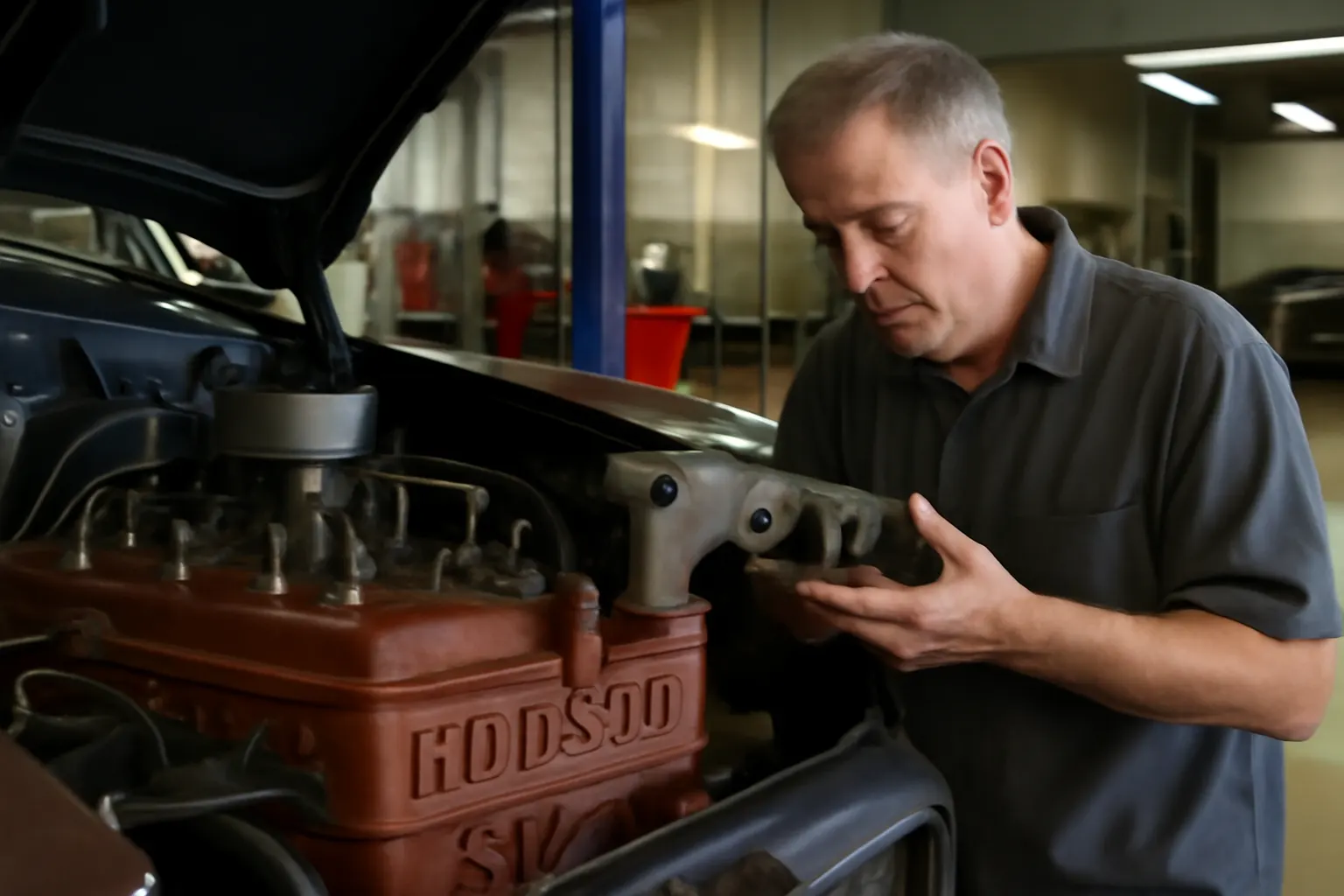
Many restorers rely on visual cues or anecdotal advice when sourcing parts. However, counterfeiters are adept at replicating markings and finishes, making it difficult to distinguish fakes from genuine articles without detailed inspection. Always cross-reference part numbers, casting marks, and dimensions with original Hudson documentation when available.
2. Overlooking Fitment Variations by Model Year
Hudson frequently updated designs—even within the same model year. Subtle changes to mounting points, fastener sizes, or internal clearances can make a part that “looks right” functionally incompatible. Using a Hudson Model-Year Fitment Reference is crucial for proper selection.
3. Trusting “Universal” Aftermarket Solutions
No universal part will ever match the exact performance or safety standards of a factory-engineered Hudson component. Steering, suspension, and brake systems are especially prone to issues when aftermarket parts are substituted for originals.
Diagnosing Counterfeit and Ill-Fitting Parts: A Practical Checklist
Before installing any part on your Hudson, run through this diagnostic checklist to minimize risks:
Hudson Restoration Parts Authenticity & Fitment Checklist
- Part Number Verification: Compare the part number and casting marks with original Hudson parts catalogs or reputable databases.
- Material Inspection: Assess the material for weight, density, and finish. Counterfeit parts often use lighter or lower-quality metals/plastics.
- Dimensional Accuracy: Measure all mounting points, bolt holes, and critical dimensions with calipers. Tolerances should match factory specs.
- Supplier Reputation: Purchase only from trusted vendors with a track record in Hudson restoration.
- Documentation Review: Request documentation or provenance for rare or high-value parts.
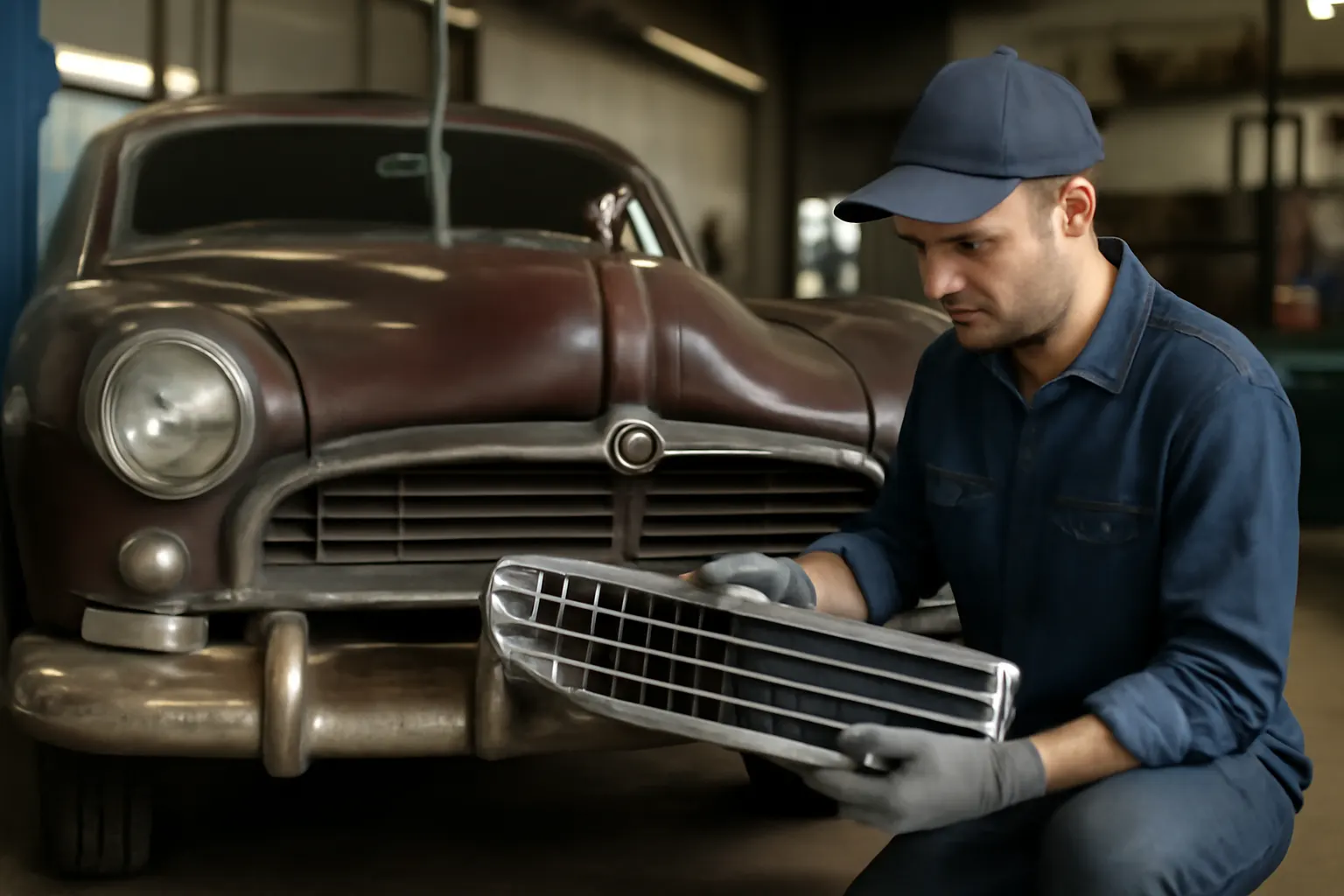
- Fitment Mock-Up: Before full installation, dry-fit the part to check for alignment, clearance, and proper engagement.
- Performance Testing: Where feasible, run a bench test or low-speed operational test before road use.
Using this checklist can prevent costly and dangerous mistakes that might not be immediately visible during assembly.
Sourcing Authentic Hudson Parts: Best Practices
Given the rarity of genuine Hudson components, sourcing strategies must be methodical and research-driven:
- Join Specialized Hudson Clubs: Many rare parts are exchanged within owner communities before they ever appear on public marketplaces.
- Consult Experienced Restorers: Field experience is invaluable; tap into the expertise of those who have successfully completed Hudson builds (Sourcing Rare Hudson OEM Parts: Field Experiences).
- Leverage Reputable Suppliers: Some vendors specialize in NOS (New Old Stock) or high-fidelity reproductions, with transparent sourcing and documentation.
- Attend Swap Meets and Auctions: In-person events allow for physical inspection and networking with knowledgeable sellers.
Whenever possible, document the provenance of each part installed—a paper trail adds value and credibility to your restoration.
Installation Hazards: When Fitment Goes Wrong
Improperly fitted parts can lead to cascading failures in Hudson vehicles. Common scenarios include:
- Misaligned Suspension Components: Resulting in uneven tire wear, poor handling, and increased stress on bushings and joints.
- Incorrect Brake Hardware: Leading to reduced stopping power, brake fade, or leaks.
- Engine and Drivetrain Issues: Non-matching flywheels, clutches, or driveshafts can cause vibration, noise, and premature wear.
Each installation should be accompanied by a test fit and, where possible, a functional test before committing to final assembly. If a part does not fit as expected, stop and re-evaluate—forcing a component to fit can damage both the part and the vehicle.
Material and Engineering Considerations Unique to Hudsons
Hudson’s commitment to innovative engineering—such as their “step-down” chassis—means that material selection and part geometry are critical. For example:
Advertisement
- Chassis and Body Panels: Many Hudsons used specific steel alloys and unique panel stamping. Substituting with generic sheet metal can compromise structural integrity and originality.
- Suspension Bushings and Mounts: Hudson used proprietary rubber compounds and geometries. Aftermarket polyurethane or “universal” bushings can alter ride quality and stress distribution.
- Powertrain Components: Transmission and differential internals often have no modern equivalent. Reproduction gears or bearings must be manufactured to tight tolerances and correct metallurgy.
Understanding these differences is essential for both safety and historical accuracy.
Maintenance and Long-Term Value Impacts
Using counterfeit or incorrect aftermarket parts doesn’t just impact immediate safety—it can erode the long-term value of your Hudson restoration. Vehicles with documented, authentic parts and correct fitment command significantly higher prices at auction and are more likely to pass rigorous safety inspections.
Routine maintenance is also affected. Genuine or high-quality reproduction parts generally offer better longevity and performance, reducing the frequency of repairs and the risk of sudden failures. Maintaining detailed records of parts sourcing and installation can further enhance value and ease future servicing.
Case Studies: Real-World Hudson Restoration Failures
Case 1: Brake Failure Due to Counterfeit Wheel Cylinders
A 1951 Hudson Hornet restoration suffered catastrophic brake failure when counterfeit wheel cylinders, purchased online, failed under pressure. Inspection revealed substandard casting quality and incorrect bore dimensions—issues that would have been caught with proper inspection and part number verification.
Case 2: Drivetrain Vibration from Incorrect U-Joints
An owner installed “universal” U-joints in a 1949 Hudson Commodore. The joints did not match the original yoke geometry, leading to persistent vibration and eventual driveshaft failure. Only after sourcing correct NOS Hudson joints was the problem resolved.
Case 3: Suspension Collapse from Aftermarket Coil Springs
A set of aftermarket coil springs, advertised as “Hudson compatible,” lacked the correct spring rate and free height. This resulted in a collapsed ride height and dangerous handling until authentic springs were located through a Hudson club connection.
Solution Path: How to Avoid the Most Common Pitfalls
Avoiding restoration disasters requires a disciplined, research-driven approach:
- Start with Documentation: Secure factory service manuals, parts catalogs, and model-year fitment guides (Hudson Step-Down Chassis Restoration Guide).
- Network with Experts: Join Hudson owner forums, local clubs, and online groups to tap into collective experience.
- Vet Every Supplier: Only buy from vendors with proven expertise in Hudson restoration.
- Implement a Verification Process: Use checklists, measurements, and test fits for every part before installation.
- Maintain Detailed Records: Log every purchase, installation, and modification for future reference and value retention.
Following these steps minimizes the risk of installing counterfeit or ill-fitting parts, preserving both your investment and safety.
The Expert Approach: When to Consult a Professional
Certain restoration tasks—such as chassis alignment, drivetrain assembly, and brake system overhaul—are best left to professionals with Hudson-specific experience. If you encounter:
- Parts that do not match original specs despite apparent compatibility
- Persistent mechanical issues after installation
- Safety-critical systems (brakes, steering, suspension) with non-standard parts
…seek out a specialist. The cost of professional help is far less than the expense of correcting a failed restoration or addressing a safety incident.
AutoPartEx Positioning: Your Partner in Authentic Hudson Restoration
At AutoPartEx, we understand the unique challenges of restoring classic Hudsons. Our commitment to authenticity, safety, and technical accuracy means we only source parts from trusted suppliers and provide detailed fitment information. Our editorial resources, including the Hudson Model-Year Fitment Reference and Hudson Auto Parts: OEM-Grade Heritage, Fitment Risks & Authenticity | AutoPartEx, are designed to support restorers at every stage. Whether you’re sourcing your first part or troubleshooting complex fitment issues, AutoPartEx is here to help you preserve the legacy and value of your Hudson.
References
Advertisement