
Chevy Engine Cover
Chevy Engine Cover: What to Know Before You Replace
Many Chevy owners overlook the engine cover when inspecting or maintaining their vehicles, yet this component plays a subtle but important role. Whether you’re considering a replacement for cosmetic reasons or due to damage, understanding what’s involved can help you avoid unnecessary costs and ensure a proper fit. This guide walks you through the essential considerations, evidence, and practical steps for selecting a Chevy engine cover with confidence.
Advertisement
Showing 1–45 of 45 Chevy engine cover parts


Advertisement
More Chevy Engine Cover options
Filtering for Chevy • Engine CoverScan nearby Chevy engine cover inventory without leaving this page.
No Data Available
Please check back soon when more inventory is available for this part.
Advertisement
Why Engine Covers Deserve More Attention
It’s easy to focus on major mechanical parts when thinking about vehicle maintenance, but the engine cover often flies under the radar. For Chevy owners, this component is more than just a cosmetic touch—it serves to protect vital engine elements from dust, debris, and accidental contact. Many drivers don’t realize that the engine cover can impact both the longevity and appearance of their engine bay. Over time, exposure to heat and vibration can cause cracks, fading, or loose fittings, which may go unnoticed until a closer inspection is performed.
Neglecting the engine cover can lead to subtle but meaningful issues. For example, a damaged or missing cover may allow debris to accumulate on sensitive engine components, potentially complicating future repairs or reducing the effectiveness of routine maintenance. Even minor cosmetic damage can affect resale value or lead to questions during a pre-sale inspection. For those who take pride in their vehicle’s appearance or plan to show their Chevy, the engine cover is often one of the first things noticed under the hood.
Despite its importance, the engine cover rarely receives the same attention as oil changes or brake checks. Many owners are unaware of the specific role it plays in protecting under-hood components, or the variety of replacement options available. This lack of awareness can result in missed opportunities to maintain or upgrade the engine bay, especially when considering used or salvage parts as cost-effective alternatives. Recognizing the engine cover’s function is the first step toward making informed decisions about repair or replacement.

Understanding Engine Cover Issues in Chevy Vehicles
Engine covers, while not directly involved in engine operation, serve as a crucial barrier against environmental contaminants and accidental contact. In Chevy models, these covers are designed to fit precisely over engine components, with mounting points that match the specific engine configuration. Over time, heat cycles and vibration can cause the cover to warp, crack, or lose its secure fit. Owners may not notice these gradual changes until the cover becomes loose or visibly damaged, at which point replacement becomes necessary to maintain engine bay integrity.
A common issue arises when engine covers are removed for routine maintenance and not reinstalled properly. Fasteners or mounting tabs can break, especially on older vehicles where plastic components have become brittle. In some cases, owners may misplace the cover entirely after a service appointment, leading to an exposed engine bay. While driving without an engine cover is unlikely to cause immediate mechanical failure, it does increase the risk of dirt and debris entering sensitive areas, which could complicate future repairs or inspections.
Another overlooked problem is compatibility. Chevy has produced a wide range of engine covers across different models and years, with subtle differences in shape, mounting points, and even decorative features. Attempting to install a cover from a different model or year can result in poor fitment, rattling noises, or interference with other components. This is particularly relevant when sourcing used or salvage parts, where visual similarity does not guarantee proper installation. Owners must verify that the replacement cover matches their vehicle’s specifications before purchase.
In rare cases, engine covers may be subject to manufacturer recalls if they pose a safety risk, such as detaching while driving or interfering with other engine components. However, such recalls are uncommon for engine covers compared to other critical parts. Most issues are related to wear and tear or improper handling during maintenance rather than inherent design flaws. Still, it is important for owners to check for any open recalls using their vehicle identification number (VIN) before proceeding with a replacement.
The decision to replace an engine cover often comes down to a combination of cosmetic preference and practical necessity. Some owners may seek a replacement to restore the original appearance of their engine bay, while others are motivated by the need to protect exposed components. Regardless of the reason, it is essential to approach the process with an understanding of the specific requirements for your Chevy model, as well as the potential pitfalls of using incompatible or poorly documented parts.
Finally, the process of selecting and installing a replacement engine cover is complicated by the variety of sources available, including new, remanufactured, and salvage options. Each comes with its own set of considerations regarding fitment, condition, and warranty coverage. Without clear documentation or guidance, owners risk purchasing parts that do not meet their needs or expectations. This underscores the importance of gathering detailed information and seeking reputable sellers before making a decision.
Practical Steps for Selecting and Replacing a Chevy Engine Cover
Begin by identifying your Chevy’s exact model, year, and engine configuration. The engine cover is often specific to these details, and even small differences can affect fitment. Locate your vehicle identification number (VIN), typically found on the lower left of your windshield or on your registration card. This number is essential for verifying compatibility when searching for replacement parts, whether new or used. Many online catalogs and salvage yards require this information to match parts accurately.
Before purchasing a replacement, inspect your existing engine cover for any part numbers, manufacturer markings, or unique features. Take clear photographs of the cover and its mounting points. This documentation will help you compare potential replacements and avoid confusion with similar-looking covers from other Chevy models. If your original cover is missing, consult your owner’s manual or dealership for part number references. When possible, bring your documentation to the seller or shop to ensure an exact match.
Consider your sourcing options carefully. New engine covers are available through Chevy dealerships and authorized parts retailers, offering the assurance of original equipment fitment and condition. Remanufactured or reconditioned covers may provide a balance of cost and reliability, though availability can be limited. Salvage engine covers, taken from another vehicle without alteration, are often the most cost-effective option but require careful inspection for wear, damage, or missing hardware. The Federal Trade Commission (FTC) distinguishes these categories and recommends understanding the origin and condition of any part you purchase FTC: Auto Repair Basics.
When evaluating salvage or used engine covers, ask the seller for details about the donor vehicle, including mileage, accident history, and storage conditions. Inspect the cover for cracks, warping, faded paint, or broken mounting tabs. If possible, request a return policy or written confirmation of the part’s condition. The FTC advises getting a written repair estimate and a completed repair order listing the work performed, parts used, and costs incurred. This documentation is especially important for expensive or complicated repairs, or when sourcing parts from unfamiliar sellers.
Installation of the engine cover is generally straightforward but should be performed with care to avoid damaging mounting points or fasteners. Follow the instructions in your owner’s manual, and verify that all clips and bolts are properly secured. If you encounter resistance or misalignment, do not force the cover into place—double-check the part number and mounting configuration. For complex installations or if you lack experience, consider seeking assistance from a technician familiar with Chevy vehicles. The FTC recommends asking whether the technician has experience with your make and model, especially for repairs involving unfamiliar parts.
After installation, inspect the engine bay for any signs of interference, rattling, or loose fittings. Start the engine and listen for unusual noises that could indicate improper installation. Periodically check the cover during routine maintenance to ensure it remains secure and undamaged. If you notice any issues, address them promptly to prevent further complications. Keeping a record of the replacement, including part numbers and installation dates, can be helpful for future reference or resale.
If you are concerned about potential recalls affecting your engine cover, use the National Highway Traffic Safety Administration (NHTSA) VIN lookup tool to check for open recalls specific to your vehicle NHTSA: Vehicle Recalls. This tool allows you to search by VIN or license plate and provides information about unrepaired recalls, investigations, and manufacturer communications. While recalls for engine covers are rare, it is prudent to check periodically, especially if you receive a notice from the manufacturer or observe unusual issues with your cover.
Finally, compare prices, return policies, and warranty coverage across multiple sellers before making a purchase. There is no standard warranty on repairs or parts, so understand the coverage offered and get it in writing. If possible, seek recommendations from other Chevy owners or automotive forums to identify reputable sources for engine covers. By following these steps, you can minimize the risk of purchasing an incompatible or defective part and ensure a successful replacement process.
What the Evidence Shows About Chevy Engine Cover Replacement
The National Highway Traffic Safety Administration (NHTSA) provides a comprehensive recall database that allows vehicle owners to search for safety-related recalls by VIN or license plate NHTSA: Vehicle Recalls. According to their published guidance, searching by VIN reveals whether a specific vehicle has any unrepaired recalls, including those related to equipment such as engine covers. However, the NHTSA database does not confirm that a particular engine cover is subject to recall unless a safety issue has been formally identified and announced. For Chevy engine covers, there are no widespread recalls documented in the NHTSA database as of the latest retrieval date, suggesting that most issues are related to wear or handling rather than inherent defects.
NHTSA’s recall process involves several steps, beginning with consumer complaints and progressing through screening, analysis, and investigation. If a safety-related defect is confirmed, a recall is initiated and the manufacturer is required to notify owners and provide a remedy. For engine covers, this process would only apply if the part posed a significant safety risk, such as detaching while driving. The absence of active recalls for Chevy engine covers indicates that most replacement scenarios are driven by cosmetic or minor functional concerns rather than regulatory action. Owners should still use the NHTSA VIN lookup tool to check for any model-specific recalls before purchasing a replacement, as new issues may be identified over time.
The Federal Trade Commission (FTC) offers detailed consumer advice on sourcing and installing automotive parts, including distinctions between new, remanufactured, and salvage components FTC: Auto Repair Basics. The FTC emphasizes the importance of obtaining a written repair estimate, understanding the origin and condition of the part, and securing a completed repair order. This guidance is particularly relevant when purchasing used or salvage engine covers, as it helps ensure transparency and accountability in the transaction. The FTC does not provide technical specifications for Chevy engine covers but offers a framework for informed decision-making.
According to the FTC, salvage parts are those removed from another vehicle without alteration. While these parts can offer significant cost savings, their condition may vary widely depending on the donor vehicle’s history and storage environment. The FTC recommends inspecting salvage parts for visible damage and confirming their compatibility with your vehicle before purchase. This advice is especially pertinent for Chevy owners seeking replacement engine covers, as visual similarity does not guarantee a proper fit. The FTC’s recommendations support a cautious approach to sourcing used parts, emphasizing documentation and seller reputation.
The FTC also advises comparing shop recommendations with the manufacturer’s maintenance schedule, as outlined in the owner’s manual. While this guidance applies broadly to automotive repairs, it underscores the value of consulting official documentation when selecting or installing an engine cover. Chevy owners should refer to their vehicle’s manual for part numbers, installation instructions, and maintenance intervals. The FTC does not specify service intervals or technical details for engine covers but encourages consumers to seek clarification from sellers and technicians as needed.
Neither the NHTSA nor the FTC establishes a standard warranty for replacement engine covers. The FTC explicitly states that there is no standard warranty on repairs or parts, and coverage should be understood and documented in writing. This means that Chevy owners must rely on the policies of individual sellers or shops when purchasing a replacement cover. It is important to ask about return policies, warranty terms, and any guarantees before completing the transaction. This evidence highlights the need for due diligence and clear communication with sellers.
In summary, the available evidence from NHTSA and FTC sources provides a framework for safe and informed engine cover replacement but does not document specific failure rates, recall histories, or technical specifications for Chevy engine covers. Owners must rely on VIN-based recall checks, careful inspection of replacement parts, and adherence to consumer protection guidelines when sourcing and installing a new cover. By following these evidence-based steps, Chevy owners can minimize risk and ensure a successful outcome.
Take the Next Step Toward a Confident Engine Cover Replacement
If your Chevy’s engine cover needs attention, start by gathering your VIN and reviewing your vehicle’s manual for part numbers and installation guidance. Use reputable resources like the NHTSA recall database to check for any open issues, and follow FTC recommendations for sourcing and documenting your replacement. Whether you choose new, remanufactured, or salvage, a careful approach will help you find a cover that fits your needs and budget. Explore our catalog for available Chevy engine covers and take the next step toward protecting your engine bay.
References
- NHTSA: Vehicle Recalls
- FTC: Auto Repair Basics
References
- NHTSA: Vehicle Recalls - NHTSA, accessed 2026-11-01
- FTC: Auto Repair Basics - FTC, accessed 2026-11-01
Related Guides & Articles

How to Spot Counterfeit Chevy Parts
Counterfeit Chevy parts can jeopardize your vehicle's safety, reliability, and performance. Whether you're shopping for a replacement alternator, brake pads, or sensors, identifying fakes before you buy is crucial. This guide delivers immediate visual clues, packaging tips, and real-world examples to help you confidently distinguish genuine from counterfeit Chevy components—protecting both your investment and your safety.
Read More
Chevy Service Intervals Explained
Build a Chevrolet maintenance plan from the correct owner’s manual, service history and dashboard messages. Learn how oil-life reminders differ from oil-pressure warnings, how mileage and elapsed time affect a service decision, and why gasoline and electric vehicles need different schedules. Use the checklist to discuss a clear, itemized plan with your repairer.
View Guide
Toyota Engine Cover Materials
Understanding the materials used in Toyota engine covers is essential for anyone concerned with fitment quality, acoustic performance, and long-term durability. The choice of material directly impacts how the engine cover protects components, reduces noise, withstands heat, and resists wear. Whether you’re replacing a damaged cover, upgrading for performance, or simply curious about the engineering behind your Toyota’s engine bay, knowing the specifics of engine cover materials will help you make informed decisions for maintenance, diagnostics, and replacement.
Read More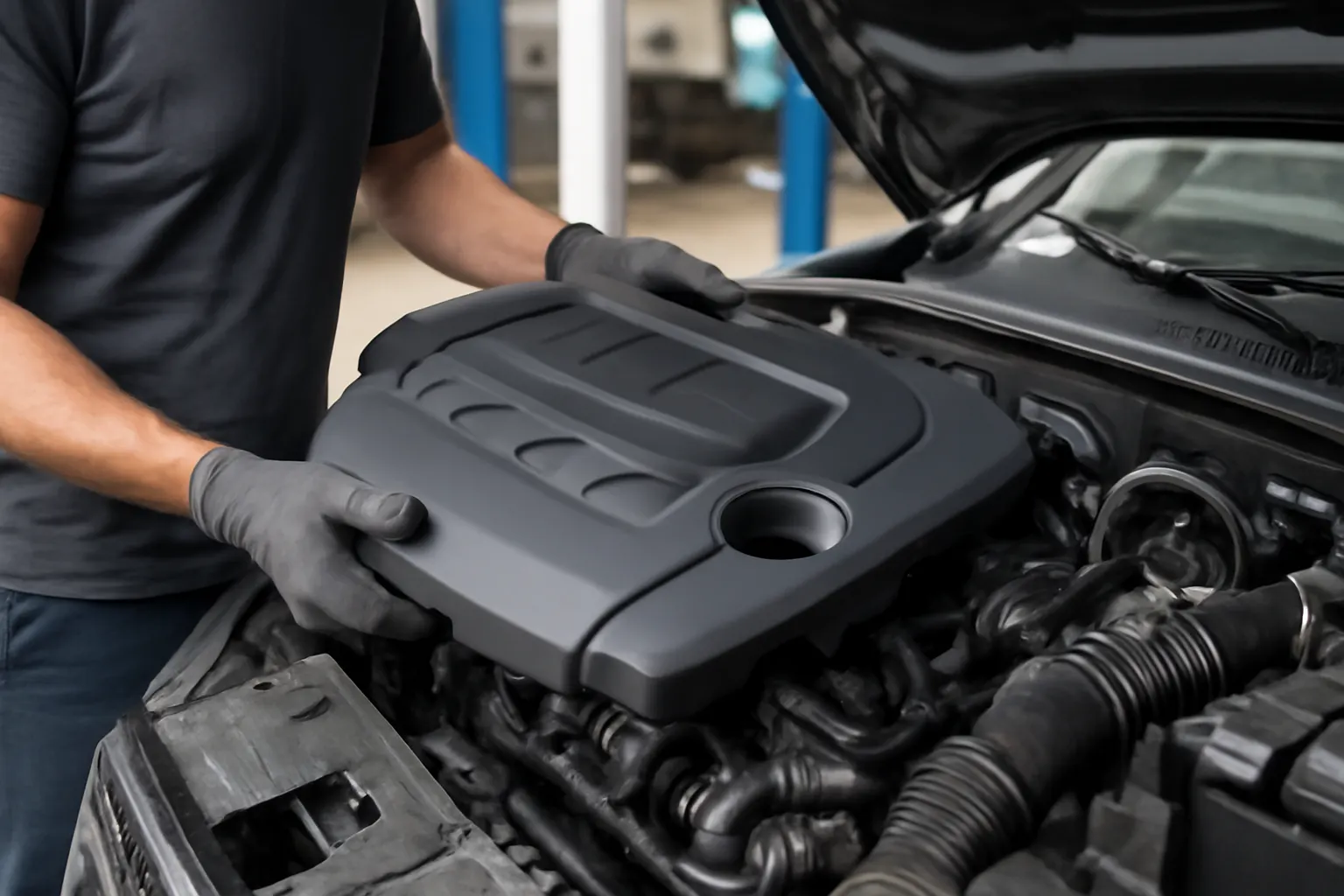
The Role of Engine Covers in Modern Vehicle Design
Engine covers have evolved from simple protective shields to sophisticated components that directly impact vehicle performance, comfort, and aesthetics. In today’s automotive landscape, engine covers are integral to noise reduction, thermal management, and the visual appeal of the engine bay. For both manufacturers and vehicle owners, understanding the full spectrum of their function is essential for maximizing a vehicle’s efficiency, longevity, and value.
Read More