The Role of Engine Covers in Modern Vehicle Design
Engine covers have evolved from simple protective shields to sophisticated components that directly impact vehicle performance, comfort, and aesthetics. In today’s automotive landscape, engine covers are integral to noise reduction, thermal management, and the visual appeal of the engine bay. For both manufacturers and vehicle owners, understanding the full spectrum of their function is essential for maximizing a vehicle’s efficiency, longevity, and value. This comprehensive guide explores how modern engine covers shape the driving experience, what hidden challenges they address, and how to choose, maintain, and upgrade them for optimal results.
If you’re interested in a broad overview of engine cover systems and related parts, visit our Engine Cover Systems: Protection, Performance, and Precision Fitment category for detailed part breakdowns and fitment advice.
Engine Covers: Immediate Benefits in Modern Vehicles
Engine covers are no longer just plastic or metal panels concealing the mechanical heart of your car. Today’s covers are engineered for multiple functions:
- Noise Reduction: Advanced materials and designs absorb and dampen engine sounds, delivering a quieter cabin experience.
- Heat Management: By directing airflow and acting as thermal barriers, engine covers help protect sensitive components from excess heat.
- Aesthetics: Clean, branded covers create an appealing engine bay, supporting resale value and brand identity.
- Protection: Shields critical parts from debris, moisture, and accidental contact during maintenance.
For drivers and technicians alike, these immediate benefits translate to a more refined, efficient, and reliable vehicle.
The Hidden Problem: Complexity Behind the Clean Look
Beneath the simple exterior of an engine cover lies a web of technical challenges. As engines become more compact and efficient, the demands placed on covers intensify:
- Thermal Stress: Modern engines run hotter due to turbocharging and emissions controls.
- Noise Regulations: Stricter standards require advanced sound insulation.
- Material Compatibility: Lightweight but durable materials must resist heat, vibration, and chemical exposure.
- Integration: Covers must accommodate sensors, wiring, and service access points.
Neglecting these factors can lead to premature wear, rattles, heat damage, or even safety issues.
The Science of Engine Cover Materials
Modern engine covers are crafted from advanced materials, each chosen for specific properties:
- Thermoplastics (e.g., Polypropylene, Polyamide): Lightweight, moldable, and resistant to high temperatures and chemicals. Many covers are reinforced with glass fibers for added strength.
- Composites: Blends of plastics and fibers or metals provide optimal strength-to-weight ratios.
- Aluminum and Magnesium Alloys: Used in high-performance or luxury models for their heat dissipation and premium feel.
Material choice directly impacts durability, weight, and the ability to integrate sound-absorbing or heat-shielding layers. According to the United States Department of Energy, advances in lightweight materials support both performance and fuel efficiency.
Acoustic Engineering: How Engine Covers Reduce Noise
One of the most appreciated benefits of modern engine covers is noise reduction. Here’s how they accomplish this:
- Multi-Layer Construction: Covers may include foam or felt layers sandwiched between rigid shells to absorb vibrations.
- Strategic Mounting Points: Rubber grommets and isolation pads prevent the cover from transmitting engine vibrations to the chassis.
- Sound Traps and Channels: Some designs incorporate labyrinths or baffles to dissipate sound waves before they reach the cabin.
This acoustic engineering is essential for meeting consumer expectations and regulatory requirements for interior noise levels. If you notice increased engine noise, it’s worth diagnosing engine cover rattles and vibrations to ensure your cover is properly secured and intact.
Heat Management: Protecting Components and Performance
As engine bays become more crowded, effective heat management is crucial. Engine covers serve several thermal functions:
- Directing Airflow: Shaped covers guide cooling air over critical areas, such as ignition coils or fuel rails.
- Thermal Insulation: Heat-resistant liners or coatings shield plastic covers from exhaust manifolds and turbochargers.
- Protecting Electronics: Modern engines are packed with sensors and wiring that can be damaged by excessive heat.
Failure of the engine cover or its insulation can lead to melted connectors, degraded sensors, or even engine misfires. Always inspect covers for warping, discoloration, or missing insulation during routine maintenance.
Under-Hood Aesthetics: More Than Meets the Eye
Automotive brands use engine covers to reinforce identity and create a sense of quality. A well-designed cover:
- Conceals Wiring and Hoses: Streamlines the engine bay for a clean, organized look.
- Branded Elements: Logos, textures, and colors match the vehicle’s overall design language.
- Supports Resale Value: A tidy, undamaged engine bay signals proper maintenance to potential buyers.
Aftermarket covers offer customization options, allowing enthusiasts to personalize their engine bay with color-matched or carbon fiber finishes. For a deeper dive into aftermarket options, see OEM vs Aftermarket Engine Covers: What’s the Difference?.
Integration with Other Under-Hood Systems
Engine covers must work in concert with other components:
- Air Intake Systems: Covers often incorporate or align with Air Box/Air Cleaner housings to ensure optimal airflow.
- HVAC and Cooling: Proximity to AC Compressors, condensers, and fans requires careful heat shielding and clearance.
- Service Access: Well-designed covers allow easy removal for oil changes, spark plug replacement, or diagnostics.
Incorrect cover fitment can obstruct other systems or make routine maintenance unnecessarily difficult. Always follow manufacturer specifications for installation and torque.
Diagnostics: Identifying Engine Cover Issues
Common symptoms of engine cover problems include:
- Rattling or Ticking Noises: Loose or broken mounts, missing grommets, or cracked covers.
- Burning Smell or Discoloration: Heat damage or misplaced insulation.
- Visible Warping or Cracks: Material fatigue from repeated thermal cycling.
- Check Engine Light: In rare cases, a dislodged cover may interfere with sensors or wiring.
Diagnostic Checklist:
| Symptom | Possible Cause | Recommended Action |
|---|---|---|
| Rattling noise | Loose fastener/grommet | Tighten or replace hardware |
| Burning smell | Heat shield failure | Inspect insulation, replace if needed |
| Cover deformation | Excessive heat exposure | Replace cover, check for underlying engine issues |
| Exposed wiring | Cover misalignment/damage | Realign or replace cover |
If you encounter persistent noises or visible damage, consult Diagnosing Engine Cover Rattles and Vibrations for step-by-step troubleshooting.
Installation and Replacement: Best Practices
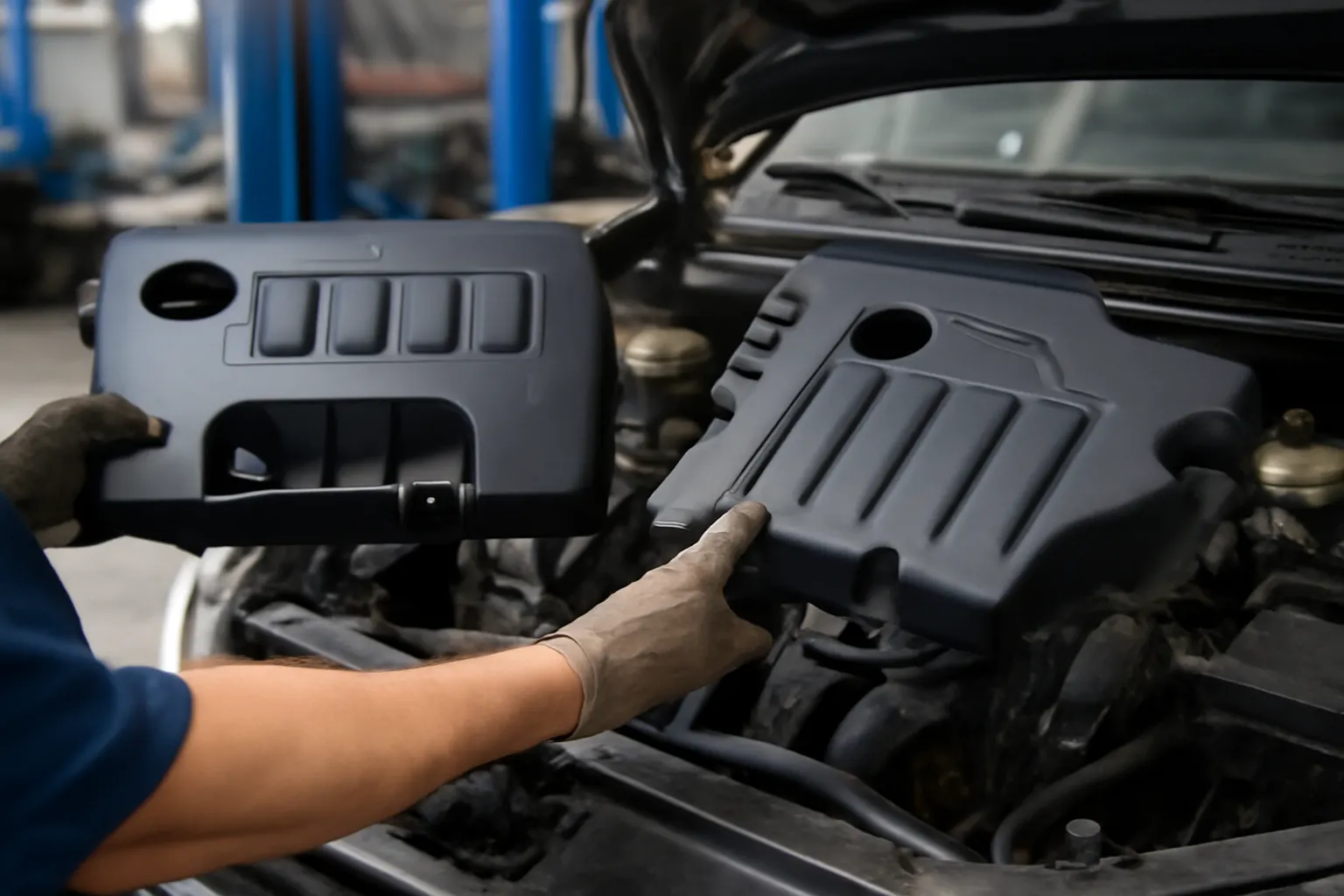
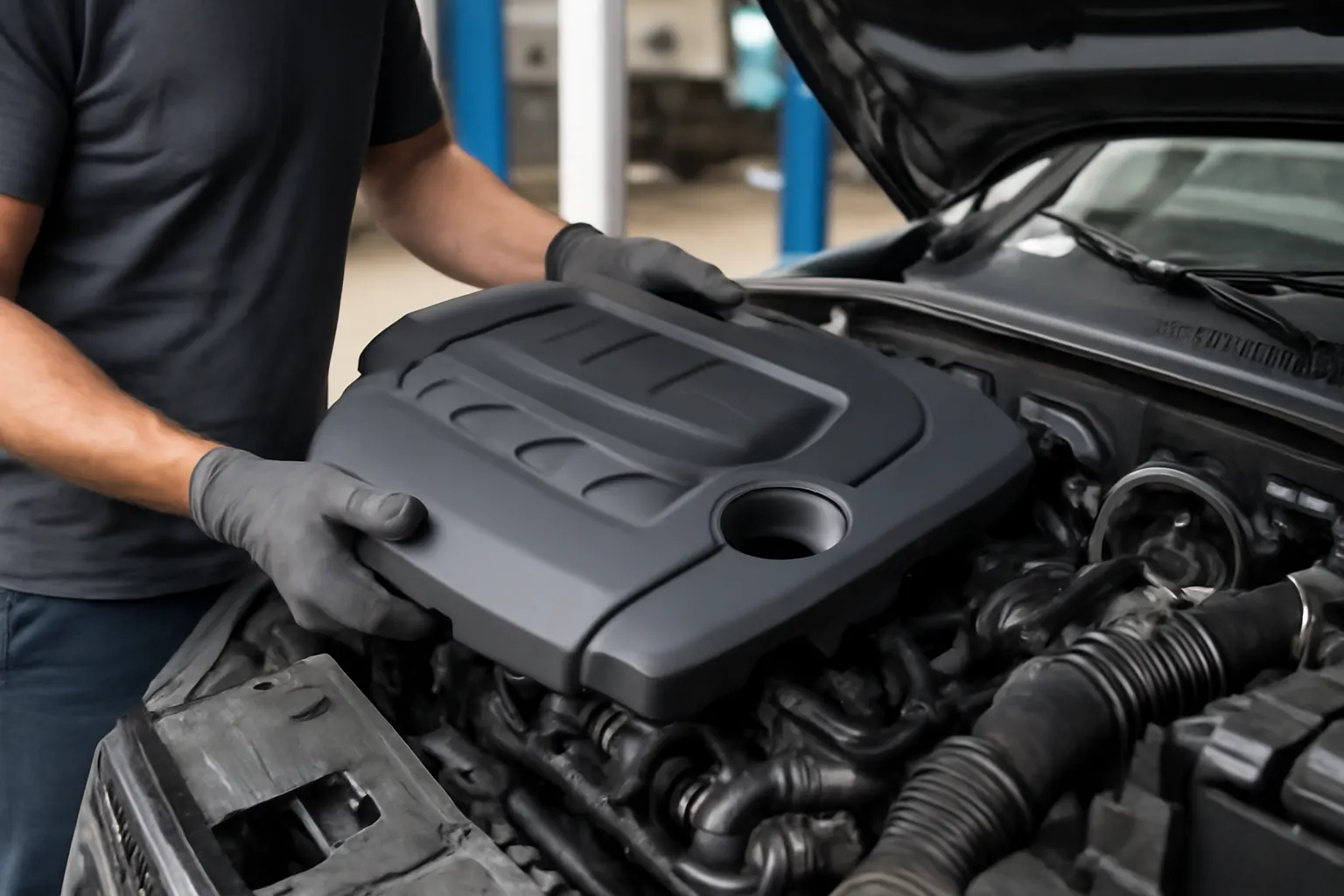
Replacing or upgrading your engine cover is straightforward but requires attention to detail:
- Preparation: Allow the engine to cool fully before removal to avoid burns or warping new covers.
- Remove Fasteners: Use the correct tool (often a socket or Torx driver) to avoid stripping bolts.
- Inspect Mounts and Grommets: Replace any worn or missing rubber components to prevent future rattles.
- Check for Interference: Ensure no wiring or hoses are pinched or obstructed when fitting the new cover.
- Torque Specifications: Follow manufacturer guidelines for tightening to prevent cracking or improper sealing.
For a detailed walkthrough, see our How to Replace Your Engine Cover: Step-by-Step Guide.
Maintenance: Keeping Engine Covers Performing
Routine maintenance extends the life and function of your engine cover:
- Visual Inspection: Check for cracks, discoloration, or missing insulation every oil change.
- Fastener Tightness: Vibration can loosen mounts over time; re-torque as needed.
- Cleanliness: Use a damp cloth or mild cleaner; avoid harsh solvents that may degrade plastics or finishes.
- Seal Integrity: Ensure any integrated gaskets or seals are intact to prevent water ingress.
Neglecting maintenance can lead to increased noise, heat damage, or exposure of sensitive components.
Buying Guide: Choosing the Right Engine Cover
When sourcing a replacement or upgrade:
- OEM vs Aftermarket: OEM covers guarantee fitment and material compatibility, while aftermarket options may offer unique aesthetics or performance features.
- Material Selection: Choose covers rated for your engine’s heat output and chemical environment.
- Fitment: Verify compatibility by vehicle make, model, and engine code.
- Integrated Features: Some covers include sound insulation, heat shields, or mounting points for additional components.
To ensure a proper match, consult your vehicle’s manual and reputable parts sources. For a detailed comparison, visit OEM vs Aftermarket Engine Covers: What’s the Difference?.
Safety and Regulatory Considerations
Engine covers are subject to standards and regulations:
- Safety: Covers must not interfere with airbag deployment or obstruct emergency engine shutoff mechanisms. Refer to Vehicle Safety and Equipment for regulatory details.
- Recalls: Faulty covers may be subject to recalls for fire risk or improper fitment.
- Emissions Compliance: Some covers integrate with emissions components and must maintain a proper seal.
Always verify that your cover meets or exceeds manufacturer and regulatory standards.
The Link Between Engine Covers and Fuel Efficiency
Properly designed and installed engine covers can contribute to improved fuel efficiency:
- Aerodynamics: While under-hood airflow is less critical than external bodywork, covers can reduce turbulence and direct cooling air more efficiently.
- Thermal Management: By maintaining optimal engine temperatures, covers help ensure efficient combustion and reduce parasitic losses.
- Weight Reduction: Modern lightweight materials minimize the impact on overall vehicle mass, supporting better mileage.
For more on how materials and systems contribute to efficiency, see the Fuel Efficiency resource from the U.S. Department of Energy.
Common Pitfalls: What Can Go Wrong?
Despite their apparent simplicity, engine covers can be a source of headaches if neglected:
- Improper Installation: Over-tightening fasteners or misaligning covers can cause cracks, vibration, or interference with moving parts.
- Material Degradation: Exposure to oil leaks, coolant, or harsh cleaners can weaken plastics and adhesives.
- Ignoring Damage: Small cracks or missing insulation may lead to larger issues over time, including electrical problems or reduced noise control.
- Aftermarket Fitment Issues: Non-OEM covers may not align perfectly, leading to rattles or inadequate protection.
Regular inspection and prompt replacement of worn components can prevent these issues.
Engine Covers and the Future of Vehicle Design
As vehicles transition to electrified and hybrid powertrains, engine covers will continue to evolve:
- EVs and Hybrids: Covers may shield high-voltage components or integrate cooling channels for battery systems.
- Smart Materials: Future covers could include sensors for temperature, vibration, or even air quality.
- Modular Design: Increased customization and modularity will allow for easier upgrades and repairs.
Staying informed about new developments ensures you’re ready to maintain or upgrade your vehicle as technology advances.
AutoPartEx: Your Partner in Engine Cover Solutions
At AutoPartEx, we understand that engine covers are more than cosmetic add-ons. Our curated selection includes OEM and premium aftermarket options for a wide range of vehicles, from Acura to Alfa and beyond. We offer:
- Expert Fitment Support: Detailed guides and customer service to ensure you get the right cover for your engine.
- Quality Assurance: All parts meet or exceed industry standards for safety, durability, and performance.
- Comprehensive Resources: From installation guides to troubleshooting and maintenance tips, we empower you to keep your vehicle running and looking its best.
Explore our Engine Cover Systems: Protection, Performance, and Precision Fitment category for more information, or contact our team for personalized recommendations.