OEM vs Aftermarket Engine Covers: What’s the Difference?
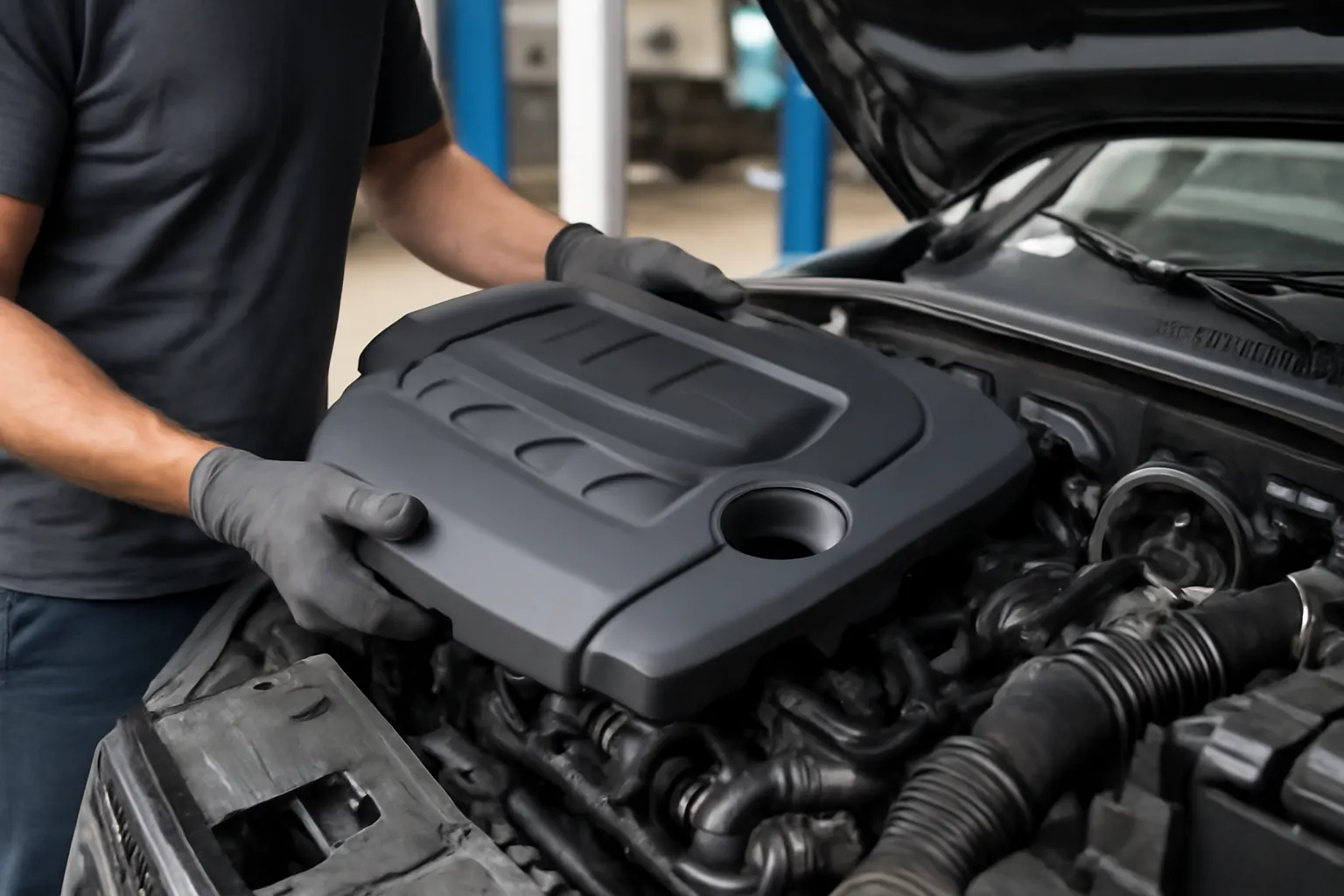
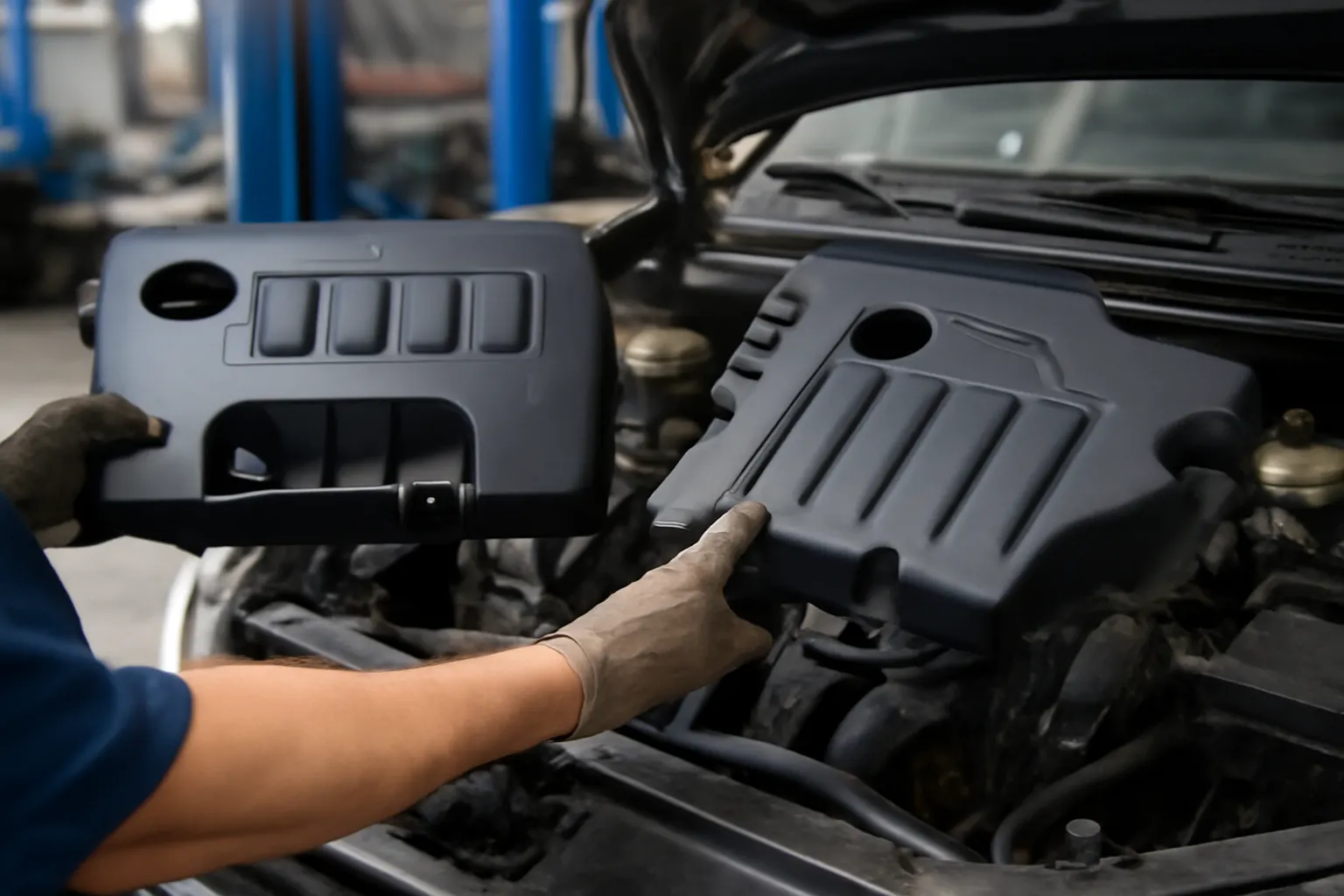
When it comes to replacing your vehicle’s engine cover, you’re faced with a critical choice: opt for an Original Equipment Manufacturer (OEM) part or select from a wide array of aftermarket alternatives. The decision is more than cosmetic—your choice directly impacts engine protection, fitment precision, and even long-term vehicle performance. This guide delivers a comparative, technically grounded analysis so you can make the right call for your car, your budget, and your driving needs. For a broader look at engine cover systems, see our Engine Cover Systems: Protection, Performance, and Precision Fitment category page.
Immediate Answer: The Key Differences at a Glance
The core distinction between OEM and aftermarket engine covers lies in their origin, manufacturing standards, and intended fitment:
- OEM Engine Covers are produced by the same company that built your vehicle or its contracted suppliers. They are designed to match your specific make, model, and engine variant, ensuring precise fitment and material consistency.
- Aftermarket Engine Covers are manufactured by third-party companies and may fit a wide range of vehicles. While often more affordable and available in a variety of styles, their material quality, engineering tolerances, and long-term durability can vary significantly.
In practical terms:
- OEM covers provide guaranteed fit, manufacturer-tested materials, and compliance with safety and performance standards.
- Aftermarket covers offer potential cost savings and customization but may introduce fitment issues or material inconsistencies if not carefully selected.
The Hidden Problem: Why This Choice Matters More Than You Think
At first glance, an engine cover might seem like a simple plastic or composite shield. However, its function is critical: it protects sensitive engine components from debris, manages under-hood airflow, dampens noise, and can even impact fuel efficiency and emissions. A poorly fitted or low-quality cover can lead to:
- Increased engine bay contamination (dirt, water, road debris)
- Amplified engine noise and vibrations
- Compromised cooling or airflow
- Potential non-compliance with safety or emissions standards
Many vehicle owners underestimate the consequences of selecting an ill-fitting or substandard engine cover, focusing only on upfront savings or aesthetics. In reality, the wrong choice can result in costly repairs, reduced engine life, and even safety issues.
Problem Expansion: Technical and Regulatory Implications
Engine Bay Protection and Material Science
Modern engine covers are more than just shields—they are engineered components, often constructed from advanced polymers, composites, or lightweight alloys optimized for heat resistance, vibration damping, and weight reduction. According to the U.S. Department of Energy’s Materials Technologies, the materials used in vehicle body structures—including engine covers—are selected for their balance of strength, weight, and thermal stability.
OEM covers are engineered for the exact thermal and mechanical stresses of your engine bay. Aftermarket covers, especially low-cost or “universal fit” variants, may use materials that degrade prematurely, warp under heat, or fail to isolate engine noise.
Fitment Precision and Safety Standards
Fitment is not merely about making a cover “fit” over the engine. OEM covers are built to tight tolerances, ensuring proper sealing, clip engagement, and clearance from moving parts or hot surfaces. The National Highway Traffic Safety Administration (NHTSA) maintains standards for vehicle equipment to ensure safety and reliability. Poor fitment from subpar aftermarket covers can result in rattles, loose parts, or even covers coming loose while driving.
Performance and Fuel Efficiency
Engine covers can influence airflow within the engine bay, affecting cooling and, in some cases, fuel efficiency. The Department of Energy’s Fuel Efficiency resources highlight how under-hood airflow management contributes to overall vehicle efficiency. A cover that disrupts designed airflow paths can inadvertently raise engine temperatures or restrict cooling, with downstream effects on performance.
Deeper Technical Analysis: OEM vs Aftermarket Engine Covers
Material Quality and Engineering
OEM Covers:
- Use manufacturer-specified polymers, composites, or alloys.
- Undergo extensive testing for heat resistance, vibration, and chemical exposure.
- Are often designed to meet or exceed SAE Standards for automotive systems.
Aftermarket Covers:
- Material quality varies widely. Reputable aftermarket brands may use high-grade materials and meet industry standards, but bargain options may cut corners.
- Some aftermarket covers offer enhanced aesthetics (carbon fiber, custom colors), but this does not always translate to performance or durability.
- Inconsistent quality can lead to premature cracking, fading, or warping.
Fitment and Installation
OEM Covers:
- Guaranteed to fit your specific vehicle, with all mounting points, clips, and seals in the correct positions.
- Installation is typically straightforward—remove old, install new, with no modification.
Aftermarket Covers:
- “Universal fit” covers may require modification, drilling, or additional hardware.
- Even “vehicle-specific” aftermarket covers may have minor deviations that complicate installation.
- Poor fitment can cause rattles, vibration, or even interfere with adjacent components (hoses, wiring harnesses, sensors).
Durability and Longevity
OEM Covers:
- Designed for the vehicle’s expected service life.
- Resistant to engine heat, oil vapors, and under-hood contaminants.
- Backed by manufacturer quality assurance.
Aftermarket Covers:
- Durability depends on the brand and materials used.
- Some high-end aftermarket brands offer performance-focused covers with superior heat resistance and durability.
- Low-cost options may degrade quickly, leading to the need for premature replacement.
Compliance and Safety
OEM Covers:
- Built to comply with NHTSA and SAE safety standards.
- Designed to maintain original vehicle safety systems and underhood fire protection.
Aftermarket Covers:
- Reputable brands may offer compliance, but always verify certifications.
- Non-compliant covers may violate regulations or compromise safety in the event of an engine fire or crash.
Practical Considerations: When to Choose OEM vs Aftermarket
When to Choose OEM Engine Covers
- You want guaranteed fit and finish.
- Your vehicle is under manufacturer warranty.
- You value long-term durability and material consistency.
- You need to maintain original vehicle appearance (e.g., for resale or lease return).
- You live in regions with strict emissions or safety inspections.
When to Consider Aftermarket Engine Covers
- You are customizing your engine bay for aesthetics or performance.
- You need a more affordable option for an older vehicle.
- You require a cover for a discontinued or rare model where OEM parts are unavailable.
- You want enhanced materials (e.g., carbon fiber) or special features (heat shielding, sound deadening).
Step-by-Step Checklist: Evaluating and Selecting an Engine Cover
Before making a purchase, use this detailed checklist to ensure you’re making an informed choice:
- Identify Your Vehicle’s Exact Make, Model, Year, and Engine Variant.
- Check OEM Part Numbers: Use your vehicle’s VIN or consult the manufacturer’s parts catalog.
- Assess Material Quality: Look for covers made from high-grade polymers, composites, or alloys. Avoid covers with vague or generic material descriptions.
- Review Fitment Data: Ensure the part is listed as compatible with your specific vehicle—not just “universal fit.”
- Check Certifications: Look for evidence of compliance with NHTSA, SAE, or equivalent standards.
- Read Reviews: Seek out feedback from other owners of your vehicle regarding fitment, durability, and ease of installation.
- Inspect Return Policy: Ensure the seller offers returns in case of fitment or quality issues.
- Evaluate Price vs. Value: Beware of prices that seem “too good to be true”—they often are.
- Verify Warranty Support: OEM covers typically carry manufacturer warranties; reputable aftermarket brands may offer limited warranties.
- Consult Technical Resources: Reference guides like How to Replace Your Engine Cover: Step-by-Step Guide for installation tips and troubleshooting.
Diagnosing Engine Cover Fitment and Noise Issues
Even with a high-quality cover, installation and ongoing maintenance are critical. Common issues include:
- Rattling or Vibrations: Often caused by loose clips, missing fasteners, or minor misalignment. Consult our Diagnosing Engine Cover Rattles and Vibrations guide for troubleshooting.
- Cover Warping or Cracking: Indicates material incompatibility with engine heat or exposure to chemicals.
- Interference with Other Components: Check for clearance around hoses, wiring, and sensors after installation.
Pro Tip: If you notice new noises or visible movement from the engine cover after installation, remove and inspect the cover for proper seating and secure all fasteners to manufacturer torque specifications.
Installation and Maintenance Best Practices
Installation Steps
- Gather Necessary Tools: Typically includes screwdrivers, socket set, and trim removal tools.
- Disconnect Battery (if required): Some covers may cover electrical components.
- Remove Old Cover: Carefully unclip or unscrew, noting the location of all fasteners.
- Inspect Mounting Points: Clean debris and check for broken clips or mounts.
- Test Fit New Cover: Before final installation, verify all holes and clips align.
- Install and Secure: Tighten all fasteners to manufacturer specs.
- Check for Interference: Start the engine and observe for any abnormal noises or movement.
Maintenance Tips
- Inspect Regularly: Check for cracks, warping, or loose fasteners during routine maintenance.
- Clean Carefully: Use mild cleaners safe for plastics or composites. Avoid harsh solvents.
- Monitor for Noise: Address rattles or squeaks promptly to prevent wear or damage.
- Replace Damaged Clips: Always use OEM or high-quality replacement clips and fasteners.
Cost Comparison: OEM vs Aftermarket Engine Covers
- OEM Covers: Typically cost more upfront, reflecting the engineering, materials, and manufacturer assurance. Expect prices to range from $70 to $300+ depending on the vehicle.
- Aftermarket Covers: Range from $30 for basic universal covers to $200+ for premium, vehicle-specific options. Remember, lower price can mean lower quality or additional installation headaches.
Note: Factor in the potential cost of rework, additional hardware, or premature replacement when considering “cheaper” options.
Sourcing Genuine and Quality Engine Covers
When buying OEM covers, source from authorized dealers or reputable online retailers. For aftermarket covers:
- Research the manufacturer’s reputation.
- Look for detailed product specifications and customer feedback.
- Avoid “no-name” or generic covers with limited documentation.
For both options, verify return policies and warranty support.
Engine Cover Upgrades: Performance and Aesthetics
Some aftermarket covers offer tangible benefits over OEM, such as:
- Weight Savings: Carbon fiber or lightweight composites reduce overall vehicle weight.
- Enhanced Heat Shielding: Additional insulation for high-performance applications.
- Custom Styling: Colors, textures, or branding to personalize your engine bay.
Caution: Ensure upgrades do not compromise fitment, airflow, or safety standards.
Regulatory and Safety Considerations
Vehicle equipment—including engine covers—must comply with federal safety standards. The NHTSA and SAE International provide guidance on automotive parts and systems. Non-compliant covers risk failing safety inspections or causing issues during warranty claims or accident investigations.
Common Pitfalls: What to Avoid
- Universal Fit Covers: Rarely match OEM fitment and can lead to rattles or interference.
- Low-Quality Materials: Prone to heat damage, cracking, or color fading.
- Improper Installation: Can result in loose covers, noise, or even damage to engine components.
- Ignoring Certification: Always confirm safety and materials standards.
AutoPartEx: Your Trusted Source for Engine Cover Solutions
At AutoPartEx, our technical experts and curated catalog ensure you find the right engine cover—OEM or aftermarket—for your vehicle. We prioritize fitment accuracy, material quality, and compliance with industry standards. Whether you’re replacing a worn OEM cover or upgrading for performance, our resources and support help you make an informed, confident choice.
Explore our Engine Cover Systems: Protection, Performance, and Precision Fitment category to browse by manufacturer, model, or specific part type. For additional technical guidance, see The Role of Engine Covers in Modern Vehicle Design or use our step-by-step installation guides.
Conclusion: Making the Right Choice for Your Vehicle
The decision between OEM and aftermarket engine covers is not one-size-fits-all. Prioritize fitment, material quality, and safety compliance above all else. OEM covers offer peace of mind and guaranteed compatibility, especially for newer vehicles or those under warranty. Aftermarket covers can provide value and style—if selected carefully from reputable brands.
Always consult vehicle-specific resources, review technical specifications, and follow best practices for installation and maintenance. By applying these principles, you’ll maximize engine protection, maintain performance, and enjoy trouble-free operation for years to come.
References
- Fuel Efficiency – United States Department of Energy
- Materials Technologies – United States Department of Energy
- Vehicle Safety and Equipment – National Highway Traffic Safety Administration